
Nestled in the Eastern Himalayas, Sikkim, formerly a Himalayan kingdom and now India's smallest state, is a breathtaking tapestry of towering mountains, lush valleys, and vibrant culture. From the snow-capped peaks of Kanchenjunga, the world's third highest mountain, to the serene monasteries echoing with ancient chants, Sikkim offers an unforgettable experience for every traveler. It's a haven for adventure seekers, spiritual seekers, and nature lovers alike, boasting diverse flora and fauna, pristine lakes, and a rich Buddhist heritage that permeates every aspect of life. The state’s commitment to organic farming and eco-tourism makes it a sustainable paradise, promising an immersive and responsible travel experience unlike any other.
Top Attractions
Rumtek Monastery
Rumtek Monastery, also known as the Dharma Chakra Centre, is one of the largest and most significant monasteries in Sikkim. It serves as the seat of the Karmapa, the head of the Karma Kagyu lineage of Tibetan Buddhism. The monastery is renowned for its stunning architecture, intricate murals, and vast collection of Buddhist artifacts. Built in the 1960s, it's a replica of the original Kagyu headquarters in Tibet and stands as a symbol of Tibetan Buddhist culture in exile.
Visitor Information
- Entry Fee: Free
- Hours: 8:00 AM - 6:00 PM
- Best Time: March to June, September to December for pleasant weather
- Tip: Attend the morning prayers for a truly immersive experience; photography is restricted inside the main temple.
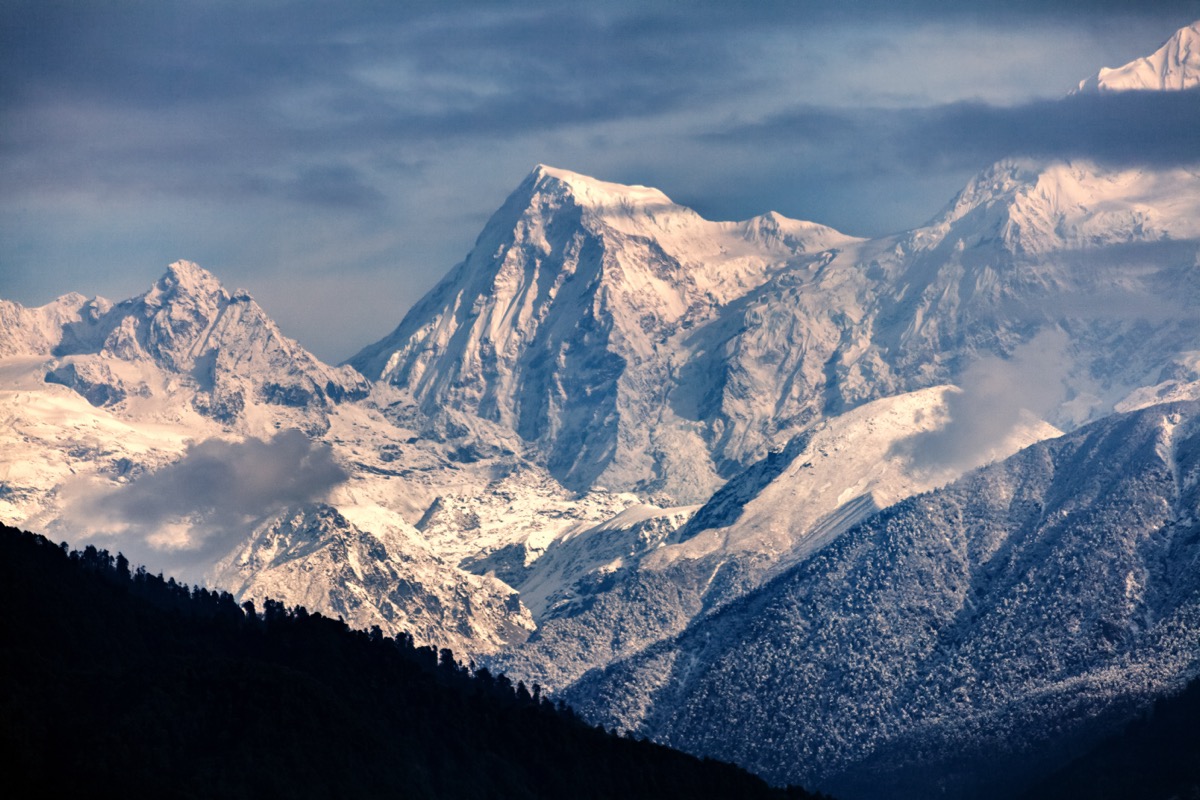
Tsomgo Lake (Changu Lake)
Tsomgo Lake, also known as Changu Lake, is a glacial lake located at an altitude of 12,310 feet. The lake is considered sacred by the locals and its color changes with the seasons, creating a mesmerizing spectacle. Surrounded by snow-capped mountains, it offers breathtaking views and a serene atmosphere. You need a permit to visit the lake due to its proximity to the Chinese border.
Visitor Information
- Entry Fee: Permit required (approx. INR 200 per person for Indian citizens, INR 500 for foreign nationals, plus vehicle permit costs)
- Hours: Open throughout the day, but best to visit before noon due to weather conditions
- Best Time: October to March for snow-covered landscapes, April to May for rhododendrons in bloom
- Tip: Carry warm clothes as the temperature can drop drastically; altitude sickness can be a concern, so acclimatize properly.
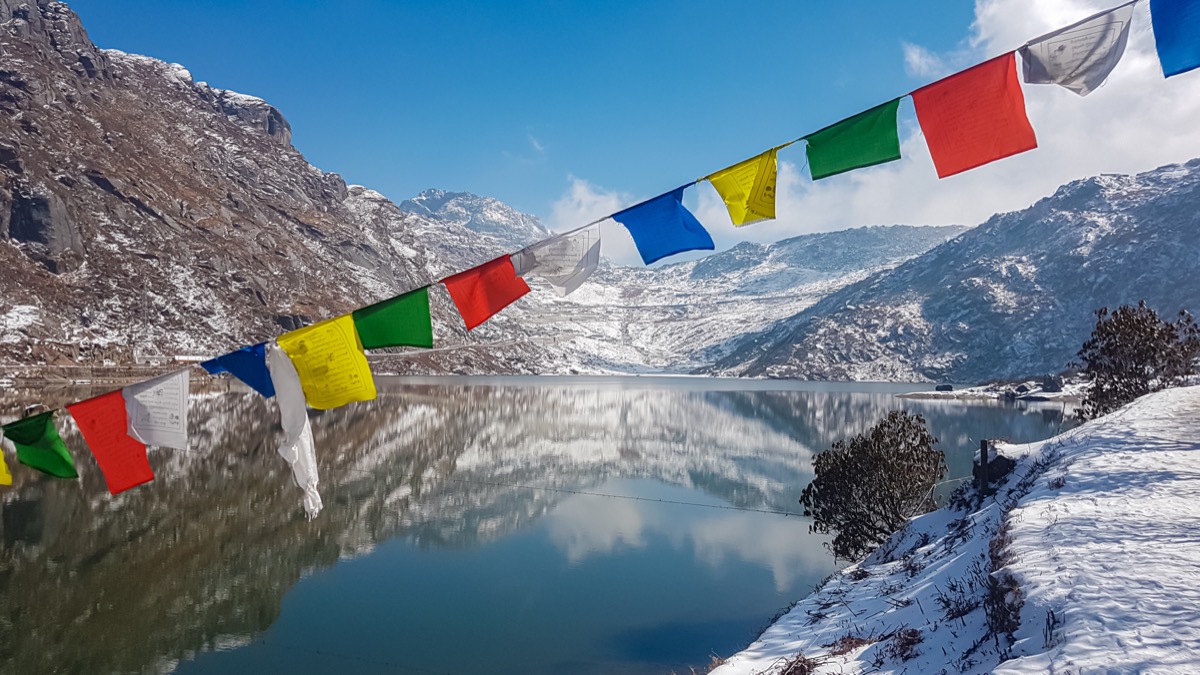
Nathula Pass
Nathula Pass is a mountain pass connecting Sikkim with Tibet. Located at an altitude of 14,140 feet, it was once a major trade route between India and Tibet. The pass offers stunning views of the surrounding mountains and is a significant historical site. It’s open to Indian nationals only, and permits are required to visit. Photography is restricted in certain areas.
Visitor Information
- Entry Fee: Permit required (approx. INR 200 per person, plus vehicle permit costs)
- Hours: Open on Wednesdays, Thursdays, Saturdays, and Sundays (subject to weather conditions), 8:00 AM - 2:30 PM
- Best Time: May to October, when the pass is generally open. Check weather conditions before visiting.
- Tip: Book your permit well in advance as they are limited; the high altitude can cause breathing difficulties, so take it easy.
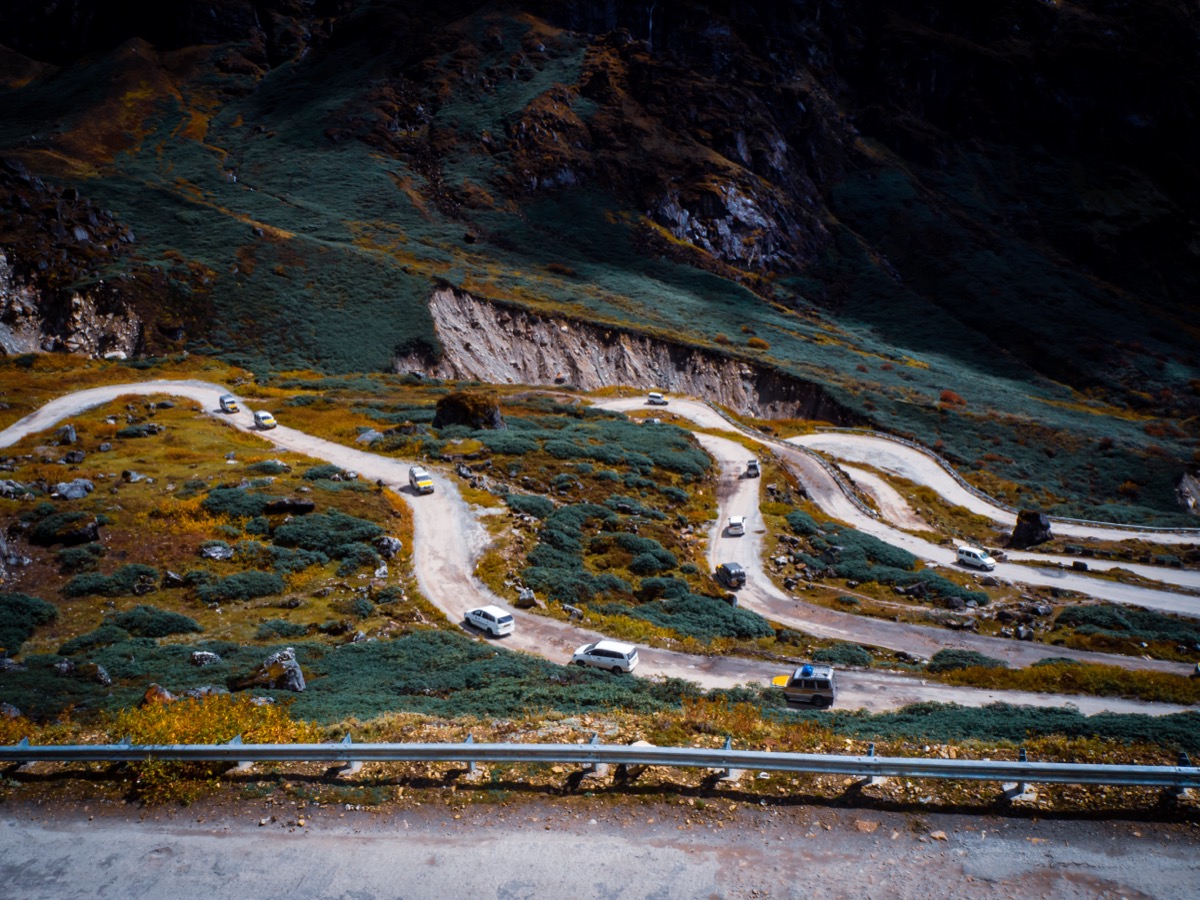
Pemayangtse Monastery
Pemayangtse Monastery, located near Pelling, is one of the oldest and most important monasteries in Sikkim. It belongs to the Nyingma order of Tibetan Buddhism and offers panoramic views of the surrounding hills and valleys. The monastery is known for its intricate wooden sculpture depicting Guru Rinpoche's paradise, Zangdogpalri. The serenity and spiritual atmosphere make it a must-visit for those seeking tranquility.
Visitor Information
- Entry Fee: INR 50
- Hours: 9:00 AM - 6:00 PM
- Best Time: March to June, September to December for pleasant weather
- Tip: Explore the nearby Rabdentse ruins, the former capital of Sikkim, for a glimpse into the state's history.
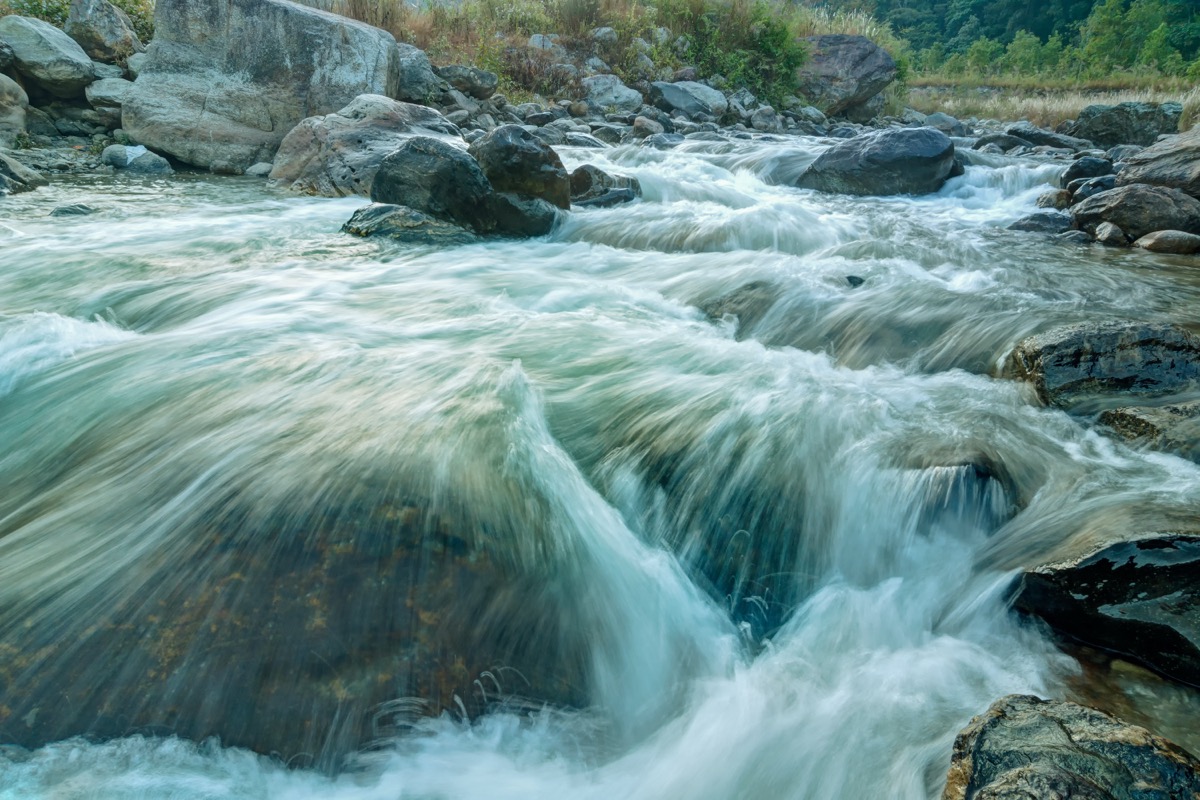
Yumthang Valley (Valley of Flowers)
Yumthang Valley, also known as the Valley of Flowers, is a stunning natural sanctuary located in North Sikkim. At an altitude of 11,800 feet, the valley bursts into a riot of colors during the spring months when various species of rhododendrons and other alpine flowers bloom. It's a paradise for nature lovers and photographers. A permit is needed to visit and the valley is usually closed during the winter months due to heavy snowfall.
Visitor Information
- Entry Fee: Permit required (approx. INR 200 per person, plus vehicle permit costs)
- Hours: Open throughout the day, but best to visit during daylight hours
- Best Time: Late February to mid-June for the blooming season
- Tip: Combine your visit with a trip to Zero Point, located further north, for breathtaking views of snow-capped mountains (permit required).
Sikkim Food Guide
Sikkim offers a delightful culinary experience with local specialties that reflect the region's rich cultural heritage.
Must-Try Dishes
Momos
Momos are steamed dumplings filled with meat or vegetables, a staple food in Sikkim. They are usually served with a spicy dipping sauce and soup. Momos are readily available everywhere and are a delicious and affordable snack or meal.
Price: INR 50-150 per plate
Try: Try them at Taste of Tibet in Gangtok or any local food stall.
Thukpa
Thukpa is a hearty noodle soup with meat or vegetables, a popular comfort food in Sikkim. It's typically served hot and is perfect for the cold weather. Different variations exist, with local spices and ingredients adding unique flavors.
Price: INR 80-200 per bowl
Try: Try it at Nimtho in Gangtok or any local restaurant serving Tibetan cuisine.
Phagshapa
Phagshapa is a traditional Sikkimese dish made with strips of pork fat stewed with radishes and dried chilies. It's a non-vegetarian delicacy with a distinct spicy and savory flavor. The radishes add a refreshing element to the dish.
Price: INR 150-300 per plate
Try: Try it at a local Sikkimese restaurant, like Thakali near MG Marg, Gangtok.
Gundruk Soup
Gundruk Soup is made from fermented leafy green vegetables. It is a popular Nepali and Sikkimese dish known for its unique sour and tangy flavor. The fermentation process gives it a probiotic boost, making it a healthy and flavorful option.
Price: INR 60-120 per bowl
Try: Search for a local homestay or family-run restaurant; usually small establishments serve authentic versions.
Practical Information
Getting Around
- Jeep/Taxi: INR 2,500 - 5,000 per day (depending on distance and location). Ideal for reaching remote areas and tourist spots. Shared taxis are cheaper.
- Bus: INR 50-500 (depending on distance). A budget-friendly option for travelling between major towns like Gangtok, Pelling, and Namchi. Can be crowded.
- Helicopter: INR 3,500 per person (Gangtok to Bagdogra). A quicker but more expensive option, offering stunning aerial views.
Budget Guide (Per Day)
- Budget: INR 1,500-3,000 (~$20-40): Includes guesthouse/homestay accommodation, local food, shared transport, and entry fees to some attractions.
- Mid-range: INR 3,000-6,000 (~$40-80): Includes comfortable hotels, restaurant meals, private taxis for sightseeing, and most entry fees.
- Luxury: INR 6,000+ (~$80+): Includes luxury hotels/resorts, fine dining, private car with driver, and exclusive experiences like guided tours and adventure activities.
Best Time to Visit
- March to June: Pleasant weather with temperatures ranging from 15°C to 28°C. Ideal for sightseeing, trekking, and enjoying the blooming rhododendrons.
- Dasain (October): A major Hindu festival celebrated with great enthusiasm; Losar (Tibetan New Year) in February/March, marked by colorful processions and cultural performances.
- Avoid the monsoon season (July to September) due to heavy rainfall and landslides, which can disrupt travel plans. Roads may be blocked and visibility can be poor.
Interactive Map
Explore Sikkim's top attractions on the map. Click markers for details and directions.
Key Attractions on Map
Want the Complete Guide?
Get our 80+ page Sikkim ebook with all attractions, itineraries, maps, and more.
Ebook Coming SoonImages on this page are sourced from Pexels and Wikimedia Commons, free to use under their respective licenses.