
Vaishno Devi, nestled in the Trikuta Mountains of Jammu and Kashmir, is one of the holiest Hindu shrines in India, attracting millions of pilgrims annually. The 12 km trek to the holy cave, housing the three naturally formed rock formations (Pindis) representing Goddesses Maha Kali, Maha Lakshmi, and Maha Saraswati, is a testament to unwavering faith and devotion. Beyond its religious significance, Vaishno Devi offers breathtaking views of the Himalayas, making the spiritual journey a visually stunning and transformative experience. Visiting Vaishno Devi is not just a pilgrimage; it's an opportunity to connect with your inner self, experience the rich cultural heritage of India, and witness the sheer power of faith in action, creating memories that will last a lifetime.
Top Attractions
Vaishno Devi Cave Temple
The main attraction is the holy cave itself, where the three Pindis of Goddesses Maha Kali, Maha Lakshmi, and Maha Saraswati are enshrined. Reaching the cave involves a 12 km trek from Katra, the base camp. The spiritual energy within the cave is palpable, offering a profound sense of peace and divine connection to devotees. Darshan timings vary depending on the season and crowd, so it's best to check the official website.
Visitor Information
- Entry Fee: Free
- Hours: Open 24 hours, but Darshan timings are subject to change based on crowd management and rituals.
- Best Time: Throughout the year, but avoid peak season (May-June and Navratri) if you prefer less crowded conditions.
- Tip: Book your Yatra Parchi (registration slip) online in advance to avoid queues and ensure entry.
Bhairon Temple
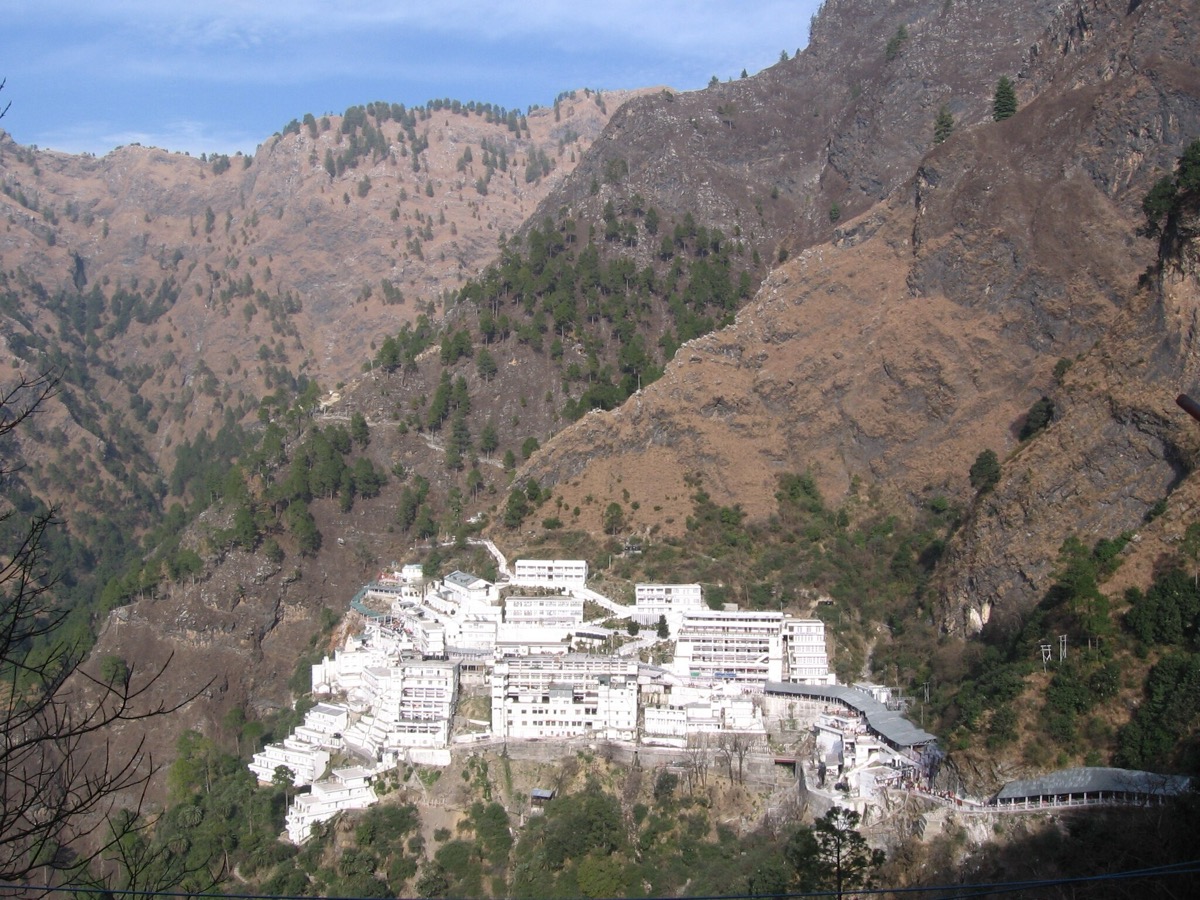
Located about 1.5 km uphill from the main Vaishno Devi shrine, the Bhairon Temple is an integral part of the pilgrimage. It is believed that the pilgrimage is incomplete without visiting this temple. Legend has it that Bhairon Nath, after being beheaded by Goddess Vaishno Devi, was forgiven and blessed to have his temple located near the shrine. The trek to this temple is steep and challenging, but the panoramic views from the top are rewarding.
Visitor Information
- Entry Fee: Free
- Hours: Open during daylight hours, generally from sunrise to sunset.
- Best Time: Throughout the year, but be cautious during monsoons due to slippery conditions.
- Tip: Consider hiring a pony or palanquin for the uphill trek if you have difficulty walking.
Ardhkuwari Cave
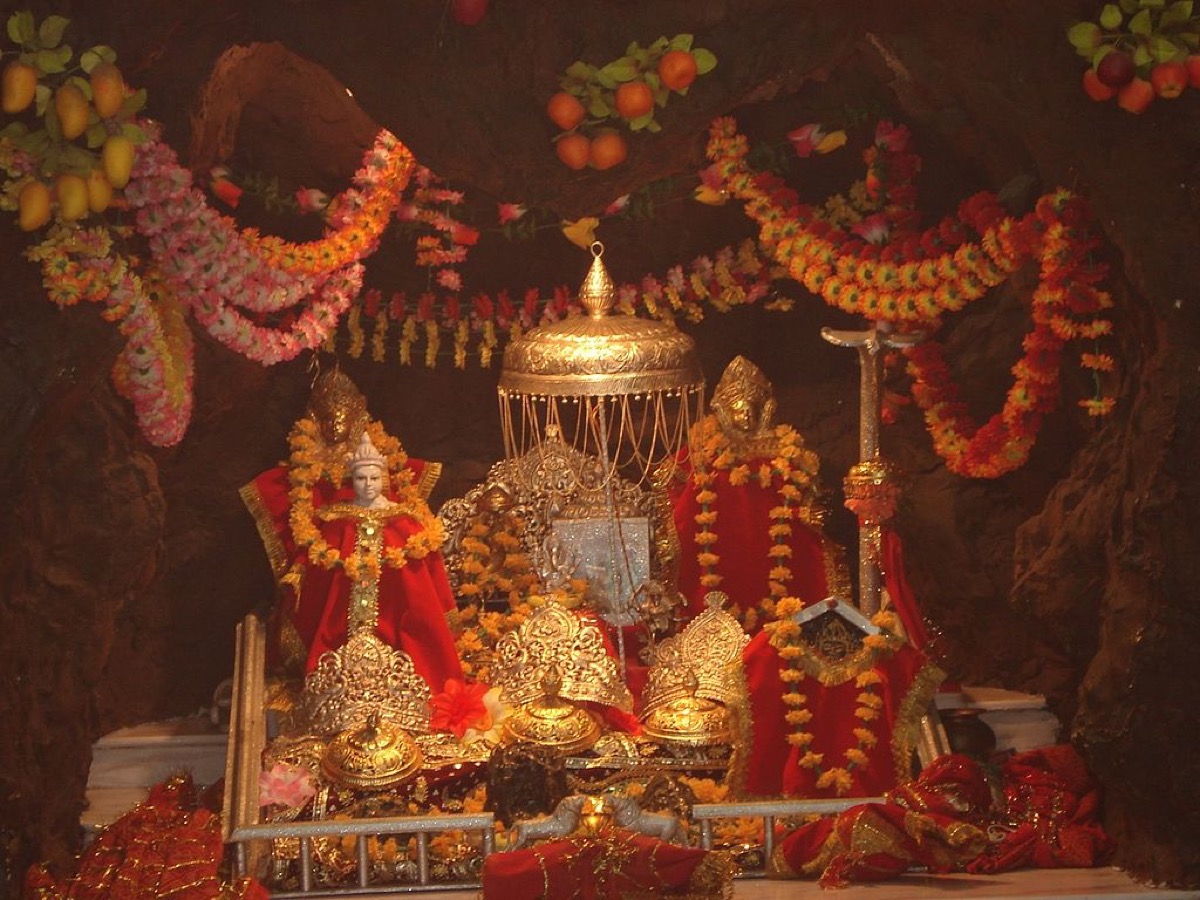
Situated halfway between Katra and the main shrine, Ardhkuwari Cave is believed to be the place where Goddess Vaishno Devi meditated for nine months while hiding from Bhairon Nath. The cave is narrow and requires crawling through in certain sections. It's a popular stop for pilgrims, representing a significant part of the Goddess's journey. Be prepared for queues and potentially claustrophobic conditions.
Visitor Information
- Entry Fee: Free
- Hours: Open during daylight hours, but access may be restricted during peak season due to overcrowding.
- Best Time: Avoid peak season (May-June and Navratri) to minimize waiting time.
- Tip: Wear comfortable clothing suitable for crawling, and be mindful of your belongings.
Himkoti
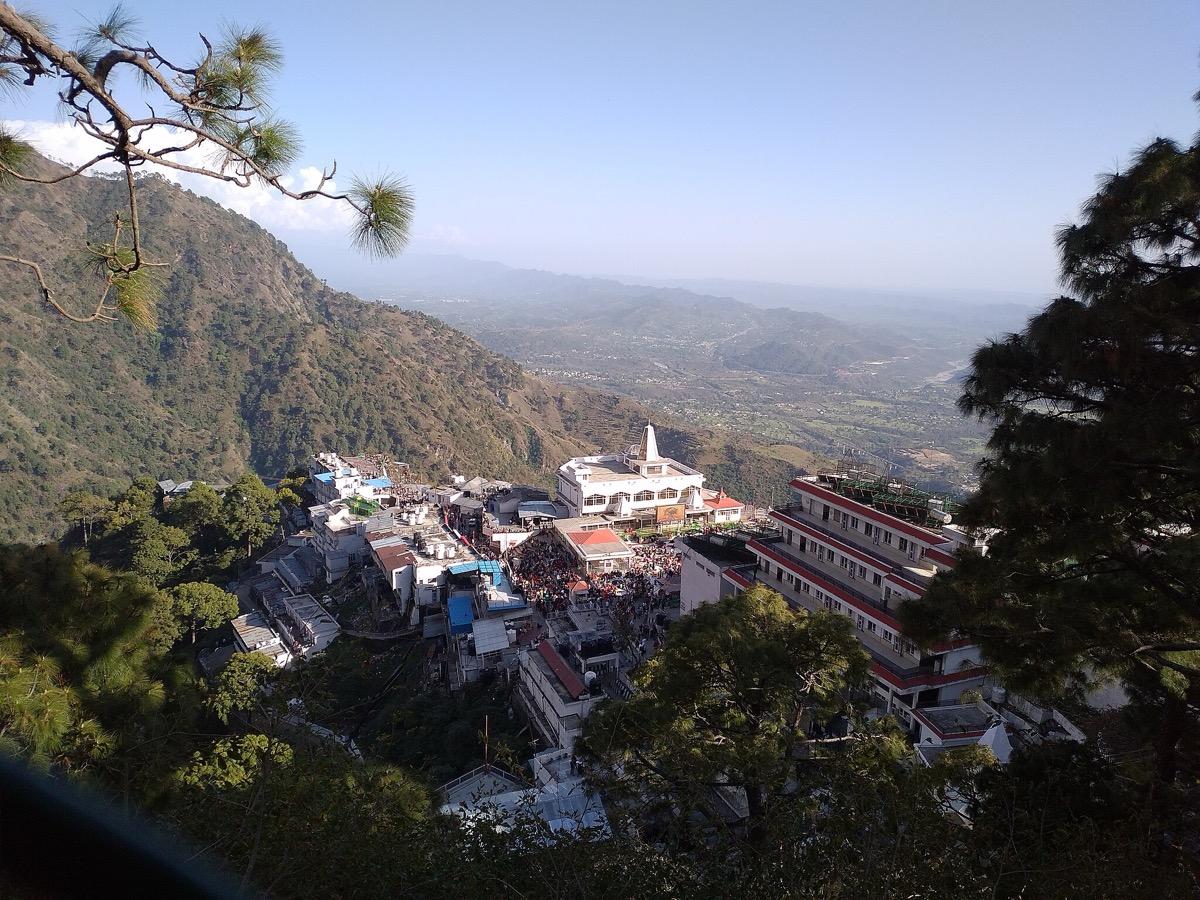
Located on the new alternate route (Tarakote Marg) to the Vaishno Devi shrine, Himkoti offers stunning views of the surrounding mountains and valleys. This is a great place to stop, relax, and enjoy the natural beauty after trekking for a while. There are food stalls, restrooms, and seating areas available for pilgrims to rest.
Visitor Information
- Entry Fee: Free
- Hours: Open during daylight hours.
- Best Time: Throughout the year, especially pleasant during the spring and autumn seasons.
- Tip: Take a break here to re-energize before continuing your trek to the shrine.
Shiv Khori
Though located about 80km from Katra, Shiv Khori is a natural cave housing a 4-foot high Shivlingam that is naturally formed. This sacred site attracts devotees of Lord Shiva and offers a unique cave exploration experience. The cave is shaped like the Damru of Lord Shiva. It is recommended to hire a local guide to learn the history of the temple.
Visitor Information
- Entry Fee: Free
- Hours: Open 6:00 AM - 8:00 PM
- Best Time: March to October, avoiding the monsoon season
- Tip: Dress respectfully and be prepared for a short trek to the cave entrance.
Vaishno Devi Food Guide
Vaishno Devi offers a delightful culinary experience with local specialties that reflect the region's rich cultural heritage.
Must-Try Dishes
Rajma Chawal
A classic North Indian dish, Rajma Chawal (kidney beans and rice) is a staple in Katra. It's a hearty and flavorful meal, perfect for replenishing energy after a long trek. The Rajma is usually cooked in a rich, creamy gravy with aromatic spices.
Price: INR 80-150 per plate
Try: Numerous dhabas and restaurants along the trek route and in Katra.
Kadhi Chawal
Another popular comfort food, Kadhi Chawal consists of a thick gravy made from gram flour and yogurt, served with rice. It's a light yet satisfying meal, often flavored with spices like turmeric, ginger, and cumin. A great option for those seeking a less spicy meal.
Price: INR 70-120 per plate
Try: Local eateries and Bhojanalayas in Katra.
Chole Bhature
A filling and flavorful Punjabi dish, Chole Bhature consists of spicy chickpeas (chole) served with fried bread (bhature). It's a popular breakfast and brunch option, known for its rich flavors and satisfying texture. Best enjoyed hot and fresh.
Price: INR 90-180 per plate
Try: Many street food stalls and restaurants in Katra.
Pede
A traditional Indian sweet made from condensed milk and sugar, Pede is a popular offering and prasad at Vaishno Devi. It's a sweet and creamy treat that melts in your mouth, often flavored with cardamom or saffron. A must-try for those with a sweet tooth.
Price: INR 300-500 per kg
Try: Sweet shops near the temple and in Katra market.
Practical Information
Getting Around
- Flight: Jammu Airport (IXJ) is the nearest airport, about 50 km from Katra. Taxis are readily available from the airport to Katra (INR 1200-1800).
- Train: Katra Railway Station (SVDK) is well-connected to major cities in India. From the railway station, you can hire an auto-rickshaw or taxi to your hotel (INR 100-300).
- Bus: Regular bus services operate from Jammu and other nearby cities to Katra. J&K State Road Transport Corporation (JKSRTC) and private buses are available (INR 200-500).
- Pony/Palanquin/Battery Car: Available for the trek to the shrine. Prices are fixed by the Shrine Board (Pony: INR 800-1500, Palanquin: INR 2500-5000, Battery Car: INR 350-400 per person between Bhawan and Adhkuwari)
- Helicopter: Helicopter services are available from Katra to Sanjichhat, which is about 2.5 km from the shrine (INR 2000-2500 per person, one way). Bookings can be made online.
Budget Guide (Per Day)
- Budget: INR 1500-2500 (~$18-30): Includes basic accommodation (dharamshalas or budget hotels), simple meals, and local transportation (bus/auto-rickshaw).
- Mid-range: INR 3000-5000 (~$36-60): Includes comfortable hotel stay, meals at decent restaurants, pony rides/battery car for part of the trek, and some shopping.
- Luxury: INR 5000+ (~$60+): Includes stay at luxury hotels, helicopter ride to Sanjichhat, private taxi services, fine dining, and premium services.
Best Time to Visit
- March to October: The weather is pleasant and ideal for trekking. Temperatures range from 15°C to 30°C. Avoid July and August due to monsoon season which could lead to landslides.
- Navratri (September/October): A major festival celebrated with great enthusiasm. The shrine is beautifully decorated, and special events are organized. However, expect large crowds and long waiting times.
- Avoid: May and June due to extreme heat and peak season crowds. Monsoon season (July and August) due to potential landslides and slippery trekking conditions.
Interactive Map
Explore Vaishno Devi's top attractions on the map. Click markers for details and directions.
Key Attractions on Map
Want the Complete Guide?
Get our 80+ page Vaishno Devi ebook with all attractions, itineraries, maps, and more.
Ebook Coming SoonImages on this page are sourced from Pexels and Wikimedia Commons, free to use under their respective licenses.