
Miami
The Magic City
South BeachArt Deco DistrictLittle HavanaWynwood WallsBiscayne Bay
80
Pages2026 Edition
The Magic City

 Miami
Miami
Miami sits at the southeastern tip of Florida, facing Biscayne Bay and the Atlantic Ocean. Its subtropical climate, Latin American cultural fusion, and stunning beaches make it unique among American cities. Three days covers the highlights; a week lets you explore the Keys, Everglades, and the city’s diverse neighbourhoods.
The essential sights and experiences

The iconic stretch of white sand, turquoise water, and 800+ Art Deco buildings in candy-coloured pastels. The most photographed beach in America.

An outdoor museum of massive street art murals by world-famous artists. The surrounding neighbourhood has galleries, breweries, and creative studios.

The heart of Miami’s Cuban community: cigar shops, domino players in Máximo Gómez Park, Calle Ocho’s restaurants, and the sounds of salsa.

A breathtaking Italian Renaissance-style villa on Biscayne Bay with formal gardens, grottos, and 34 rooms filled with European antiques.

World-class contemporary art museum designed by Herzog & de Meuron, with hanging gardens and stunning Biscayne Bay views from the terrace.
A vast subtropical wilderness of mangroves, sawgrass marshes, and alligators. Airboat rides and the Shark Valley tram trail are highlights.
When to go and what to expect
Peak season (18–26°C). Perfect weather, Art Basel (December), and snowbird season. Highest prices and crowds. Book ahead.
Spring (22–28°C). Ultra Music Festival, Miami Open tennis, and spring break crowds. Still excellent weather.
Early summer (25–32°C). Humidity rises, prices drop. Great for budget travellers. Afternoon thunderstorms begin.
Hot and humid (27–34°C). Hurricane season, daily thunderstorms, lowest prices. Still sunny most mornings.
 Miami — best experienced in November–April (dry season)

South Beach is where Miami’s myth was born — a dazzling strip of white sand, turquoise water, and 800+ Art Deco buildings painted in pastel pinks, blues, and yellows. Ocean Drive’s neon-lit bars and cafés face the beach, Lincoln Road’s pedestrian mall buzzes with shoppers and performers, and Española Way’s Mediterranean architecture hosts galleries and restaurants. By day it’s a beach paradise; by night, one of America’s most famous nightlife strips.
Walk Ocean Drive from 5th to 15th Street to see the best Art Deco buildings. Take the Miami Design Preservation League walking tour (10:30 AM daily). Swim at South Pointe Park Beach (less crowded, great views). Browse Lincoln Road’s shops and galleries, then explore Española Way’s European-style courtyard restaurants.


Wynwood went from a neglected warehouse district to the epicentre of Miami’s art scene in under a decade. The Wynwood Walls — an outdoor museum of massive murals by international artists — launched the transformation in 2009. Now the neighbourhood buzzes with galleries, craft breweries, street art on every wall, creative studios, and some of Miami’s best restaurants. Art Basel satellite events make Wynwood ground zero for contemporary art every December.
Start at the Wynwood Walls ($12) to see curated murals by Shepard Fairey, RETNA, and other international artists. Walk the surrounding streets — the entire neighbourhood is an open-air gallery. Visit the Rubell Museum ($15) for one of America’s best private contemporary art collections, then explore the breweries and galleries.
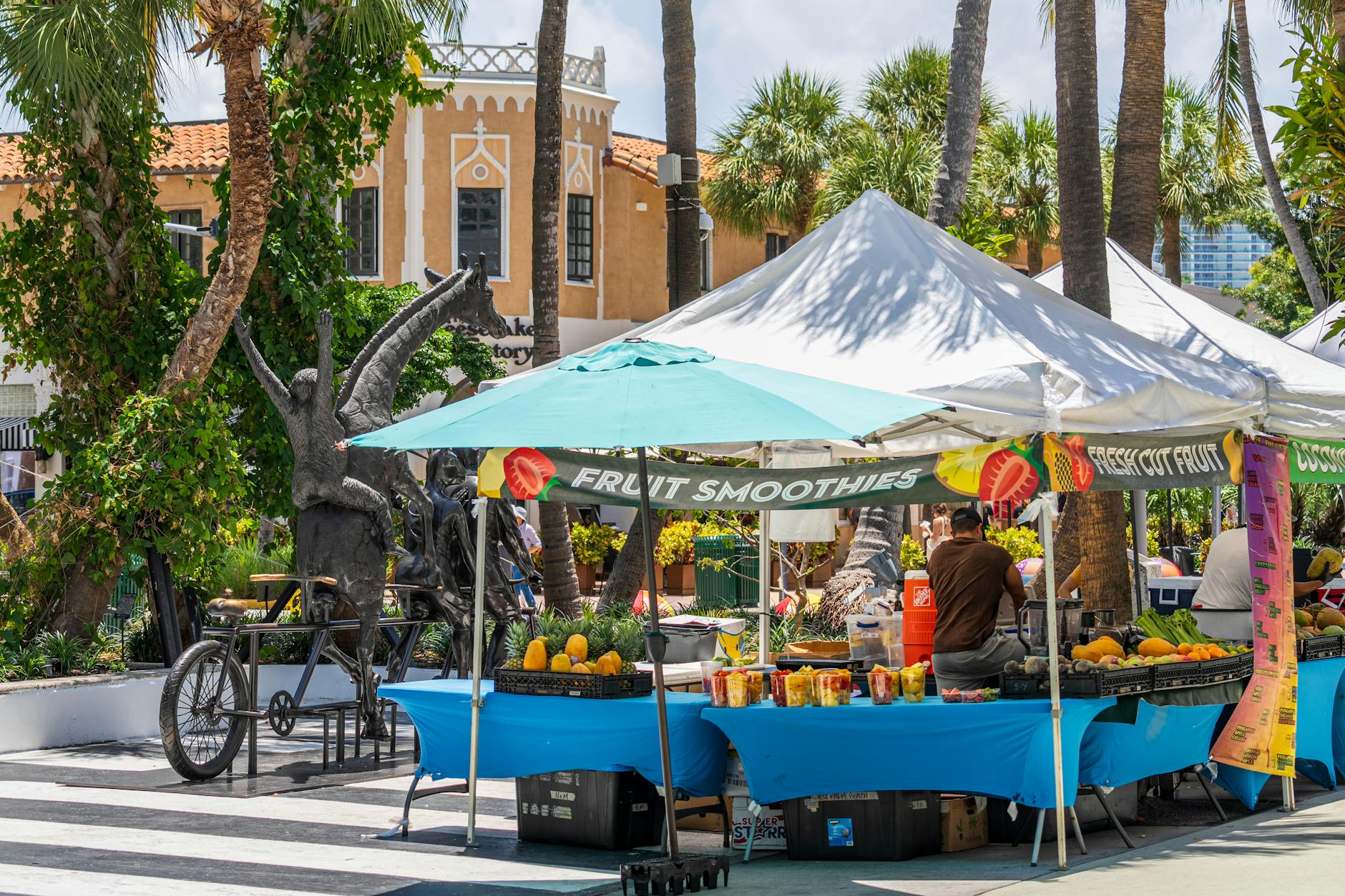
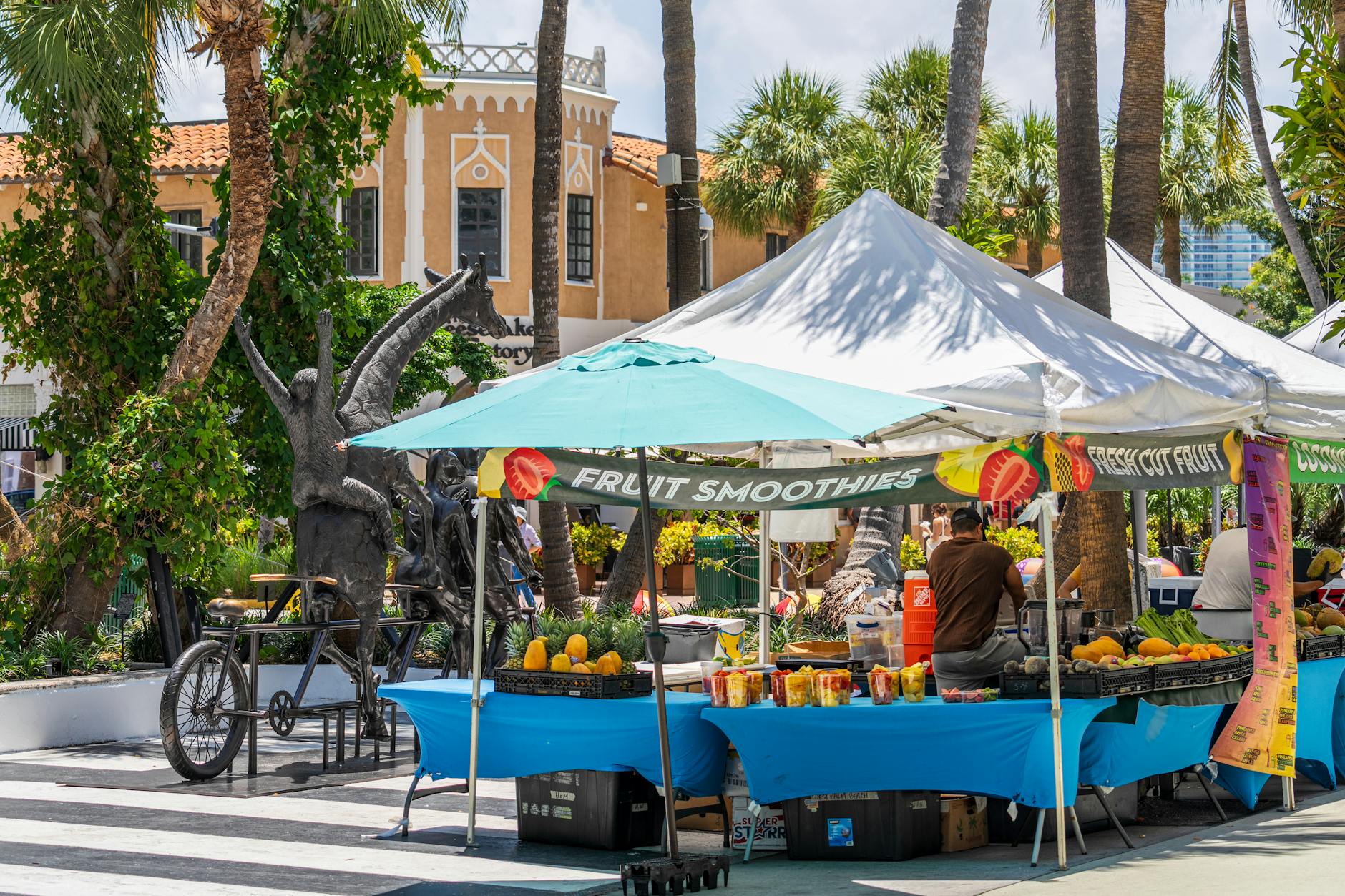


Little Havana is the cultural heart of Miami’s Cuban community — a vibrant, music-filled neighbourhood centred on Calle Ocho (SW 8th Street). Old men play dominoes at Máximo Gómez Park, cigar rollers work behind glass at El Titan de Bronze, ventanitas (walk-up coffee windows) serve $1 café Cubanos, and the sound of salsa drifts from Ball & Chain, the legendary 1935 nightclub. It’s where Cuba lives in exile.
Start with a café Cubano at Versailles (the unofficial Cuban parliament). Walk Calle Ocho: watch cigar rolling at El Titan de Bronze, pay respects at the Bay of Pigs memorial, and people-watch at Máximo Gómez Park. Try an empanada at Los Pinarenos Fruteria and end at Ball & Chain for live salsa and mojitos.


Brickell is Miami’s Wall Street — a forest of glass towers along the Biscayne Bay waterfront that has become the city’s most dynamic neighbourhood. Brickell City Centre’s open-air shopping complex added retail luxury, rooftop bars offer panoramic views, and the free Metromover connects everything. By day it’s finance and business; by evening, it transforms into a dining and nightlife destination with restaurants from world-class chefs.
Ride the free Metromover for an elevated tour of the skyline. Explore Brickell City Centre’s shops and restaurants. Walk the Brickell Key promenade for bay and skyline views. The Brickell Trolley (free) connects to Vizcaya and Coconut Grove.


The Design District is Miami’s most architecturally striking neighbourhood — a curated open-air district where luxury brands (Prada, Louis Vuitton, Dior, Hermès) occupy buildings designed by star architects. The Institute of Contemporary Art (ICA) offers free admission, public art installations fill the streets, and restaurants and cafés cater to the fashion crowd. It feels more like an art installation than a shopping district.
Walk the main streets (NE 39th–41st) to admire the architectural showpieces. Visit the ICA (free) for cutting-edge contemporary art. Browse the luxury boutiques in their architect-designed spaces. Lunch at one of the district’s excellent restaurants.


Coconut Grove is Miami’s oldest neighbourhood and its most charming — a leafy, bohemian enclave of banyan-draped streets, waterfront parks, sailing clubs, and the grand Vizcaya estate. “The Grove” has been an artists’ and intellectuals’ haven since the 1960s and retains a laid-back, walkable village character rare in car-dependent Miami. The Barnacle Historic State Park preserves Miami’s oldest house in a bayfront setting.
Start at Vizcaya Museum & Gardens ($25) — the most beautiful estate in Florida. Walk to CocoWalk for shopping and dining. Explore the Barnacle Historic State Park ($2), then walk the bayfront Peacock Park. Rent a kayak or paddleboard from Sailing Club for bay views.


Coral Gables is Miami’s most elegant suburb — a Mediterranean-inspired planned city founded in the 1920s by George Merrick with grand boulevards, coral-stone entrances, the iconic Biltmore Hotel, and the Venetian Pool (a spring-fed swimming pool carved from a coral rock quarry in 1923). The University of Miami campus adds a youthful energy, and Miracle Mile’s restaurants and shops provide a refined alternative to South Beach.
Start at the Venetian Pool ($20) — the most beautiful public pool in America. Drive past the grand entrance gates on different boulevards. Visit the Biltmore Hotel (free to walk the grounds and lobby). Walk Miracle Mile for shopping and dining. The Fairchild Tropical Botanic Garden ($25) is nearby.


Little Haiti is Miami’s most authentic Caribbean neighbourhood — a colourful, evolving area where Haitian-Creole is the lingua franca, Caribbean markets sell tropical fruits and herbal remedies, and the Caribbean Marketplace (modelled on Port-au-Prince’s Iron Market) hosts cultural events. The neighbourhood is rapidly gentrifying, with galleries and restaurants arriving alongside the original Haitian businesses.
Visit the Caribbean Marketplace (Little Haiti Cultural Complex) for Haitian art and events. Walk NE 2nd Avenue for murals, markets, and Haitian restaurants. Chef Creole serves the best Haitian food in Miami. The area connects to the emerging Upper East Side arts scene.


Midtown sits between Wynwood and the Design District, forming a bridge between Miami’s art scene and its luxury shopping. The neighbourhood’s modern condo towers surround The Shops at Midtown Miami, and Edgewater’s Biscayne Bay waterfront offers stunning skyline views. It’s less touristy than South Beach or Wynwood, with a growing dining scene popular with locals.
Walk the Biscayne Bay waterfront in Edgewater for views of the skyline and Key Biscayne. Explore The Shops at Midtown for dining and retail. The neighbourhood is walkable to both Wynwood (south) and the Design District (north), making it a perfect base.


Key Biscayne is a barrier island just south of Miami Beach connected by the Rickenbacker Causeway, offering some of the clearest water and most beautiful beaches near the city. Bill Baggs Cape Florida State Park anchors the southern tip with its historic lighthouse, while Crandon Park provides calm, family-friendly swimming. It’s a world apart from the hustle of South Beach — quieter, cleaner, and more natural.
Cross the Rickenbacker Causeway (toll $1.75) and stop at the Hobie Beach windsurfing area. Continue to Crandon Park for swimming and nature trails. Drive to Bill Baggs Cape Florida State Park for the 1845 lighthouse and pristine beach. The park’s Boater’s Grill serves excellent seafood on the water.


Downtown Miami is undergoing a dramatic transformation from a business-only district to a round-the-clock neighbourhood. Museum Park now holds the Pérez Art Museum (PAMM) and the Frost Science Museum on the waterfront, Bayside Marketplace offers bay cruises and dining, and the Freedom Tower stands as a symbol of Cuban immigration. The free Metromover connects Downtown to Brickell and Omni, making it the transit hub.
Start at the Freedom Tower (free — the ‘Ellis Island of the South’), then walk to Museum Park for PAMM ($16) and Frost Science ($30). Take a Biscayne Bay cruise from Bayside for Star Island celebrity mansions and skyline views. Ride the free Metromover for an elevated city tour.


Aventura and Sunny Isles sit at the northern end of Miami Beach, offering a quieter alternative to the South Beach scene. Aventura Mall is the largest shopping centre in Florida (and fifth-largest in the US), while Sunny Isles’ beach is lined with luxury condo towers that have earned it the nickname “Little Moscow” for its Russian-speaking community. Haulover Beach and Oleta River State Park provide natural escapes.
Explore Aventura Mall’s 300+ shops and art installations. Head to Sunny Isles Beach for a quieter swim. Oleta River State Park ($6/vehicle) offers mountain biking, kayaking, and mangrove trails. Haulover Beach has a popular sandbar and fishing pier.


Overtown was once the cultural capital of Black Miami — a thriving community where Ella Fitzgerald, Count Basie, and Billie Holiday performed when segregation barred them from Miami Beach hotels. The neighbourhood was devastated by highway construction in the 1960s but is now experiencing a renaissance, with the historic Lyric Theater restored as a cultural centre and new restaurants celebrating the soul food and Caribbean traditions of the community.
Visit the restored Lyric Theater and Black Archives History and Research Foundation. Walk NW 2nd and 3rd Avenues to see the emerging restaurant and cultural scene. Red Rooster Overtown (by Marcus Samuelsson) anchors the neighbourhood’s culinary revival. The Overtown Heritage Trail covers the key historic sites.


The Magic City