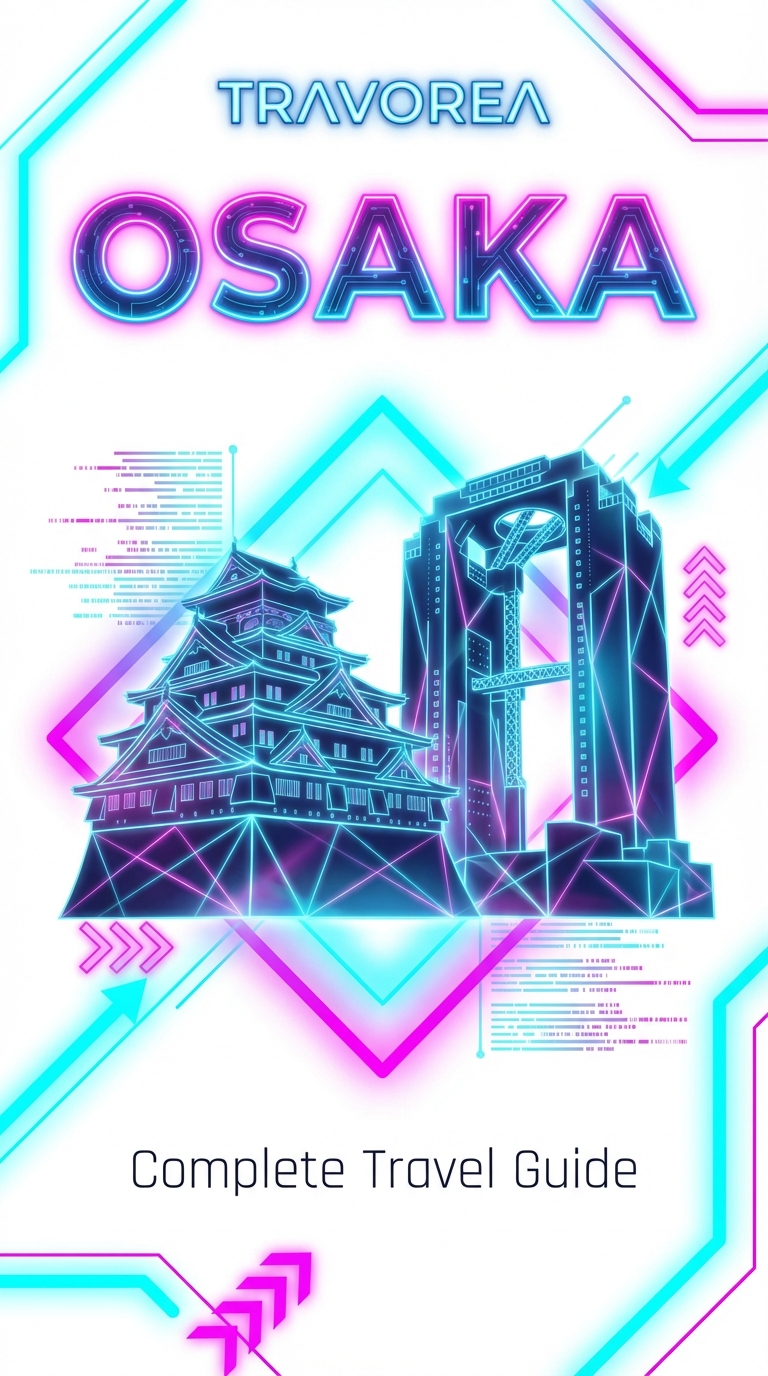

Osaka
Travorea

Osaka

Japan's Kitchen

DotonboriOsaka CastleStreet FoodUniversal StudiosShinsekai
43
Pages
2026 Edition

Contents

Plan Your Trip

Welcome to Osaka4
Osaka at a Glance5
Top 20 Experiences6
Need to Know12
Month by Month14

Itineraries

3-Day Itinerary15
Extended Itineraries16

Explore Osaka

Dotonbori & Namba17
Shinsekai21
Umeda & Kitashinchi25

Special Sections

Food Guide29
Day Trips34
History & Culture32

Survival Guide

Directory A–Z36
Transport38
Language39

Quick Reference

Top 10 Picks40
Packing List41
Credits42
2
Osaka

Osaka

The street food capital where neon signs blaze and locals live to eat

3

Welcome to Osaka

Japan's Kitchen

Osaka is Japan with the volume turned up. Where Tokyo is polished and restrained, Osaka is loud, funny, and proudly unrefined — a city whose unofficial motto is kuidaore, meaning ‘eat until you drop.’ Along the neon-drenched canals of Dotonbori, giant mechanical crabs and glowing blowfish signs beckon you into restaurants that have perfected a single dish for generations. Osaka invented takoyaki (octopus balls), okonomiyaki (savory pancakes), and kushikatsu (deep-fried skewers) — and the locals will argue passionately about which stall does each one best.

Beyond the food, Osaka is a city of contrasts: the gleaming Osaka Castle surrounded by cherry trees, the retro-futuristic towers of Shinsekai, the independent spirit of Amerika-mura, and the serene temple precincts of Shitennoji (Japan’s oldest Buddhist temple). Osakans are famous across Japan for their warmth, humor, and directness — a refreshing contrast to Tokyo’s formality. This is a city that invented manzai (stand-up comedy duos) and takes both food and laughter equally seriously.

WHY I LOVE OSAKA
Get the Osaka Amazing Pass (¥2,800/1-day or ¥3,600/2-day) for free entry to 40+ attractions plus unlimited subway rides. It pays for itself by lunch.
4

Osaka at a Glance

Population2.75 million
Area225 km²
LanguageJapanese (Kansai dialect)
Currency¥ (JPY)
Time ZoneUTC+9
Best TimeMarch–May, October–November
Visa90-day visa-free for many countries
Emergency110 (Police) / 119 (Fire/Ambulance)
Osaka Osaka

Japan’s third-largest city and its undisputed food capital, Osaka is a commercial powerhouse on Osaka Bay with a 1,500-year history. Known for its friendly locals, vibrant nightlife, and the best street food in Asia, it’s the perfect counterpoint to Tokyo’s refinement.

Money-Saving Tips
Osaka is more affordable than Tokyo. Street food meals cost ¥300–800. A full day of eating can be done for ¥3,000–5,000. Carry cash — many street stalls are cash-only.
5
01

Top 20 Experiences

The essential sights and experiences

Dotonbori

1. Dotonbori

Chuo-ku | Free

Osaka’s neon-lit canal street is the city’s beating heart — giant signs, street food stalls, and the iconic Glico Running Man.
Osaka Castle

2. Osaka Castle

Chuo-ku | ¥600

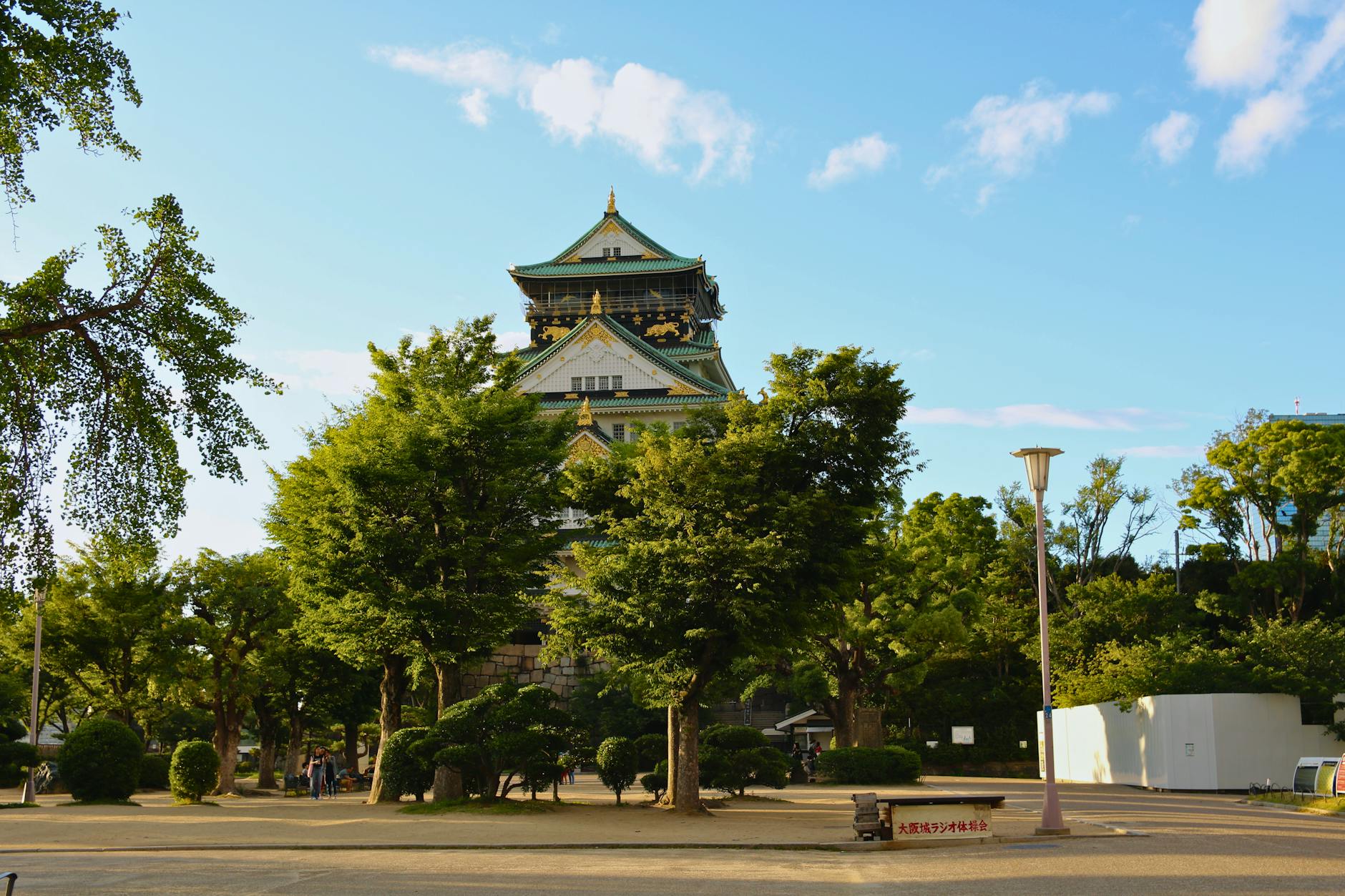
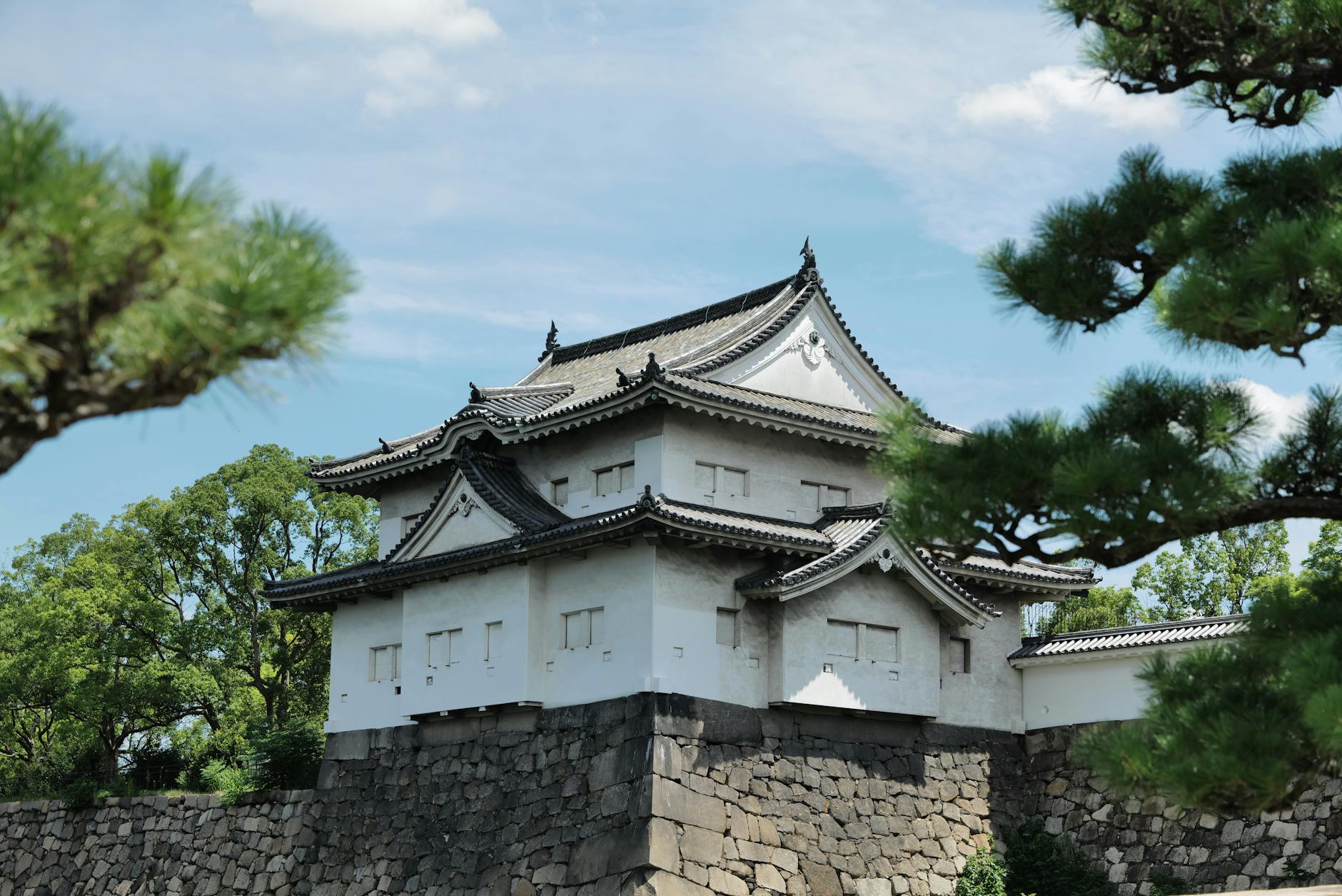
Magnificent reconstructed castle (1583) with a museum inside and stunning cherry blossom gardens. Climb to the top for city views.
Kuromon Market

3. Kuromon Market

Chuo-ku | Free

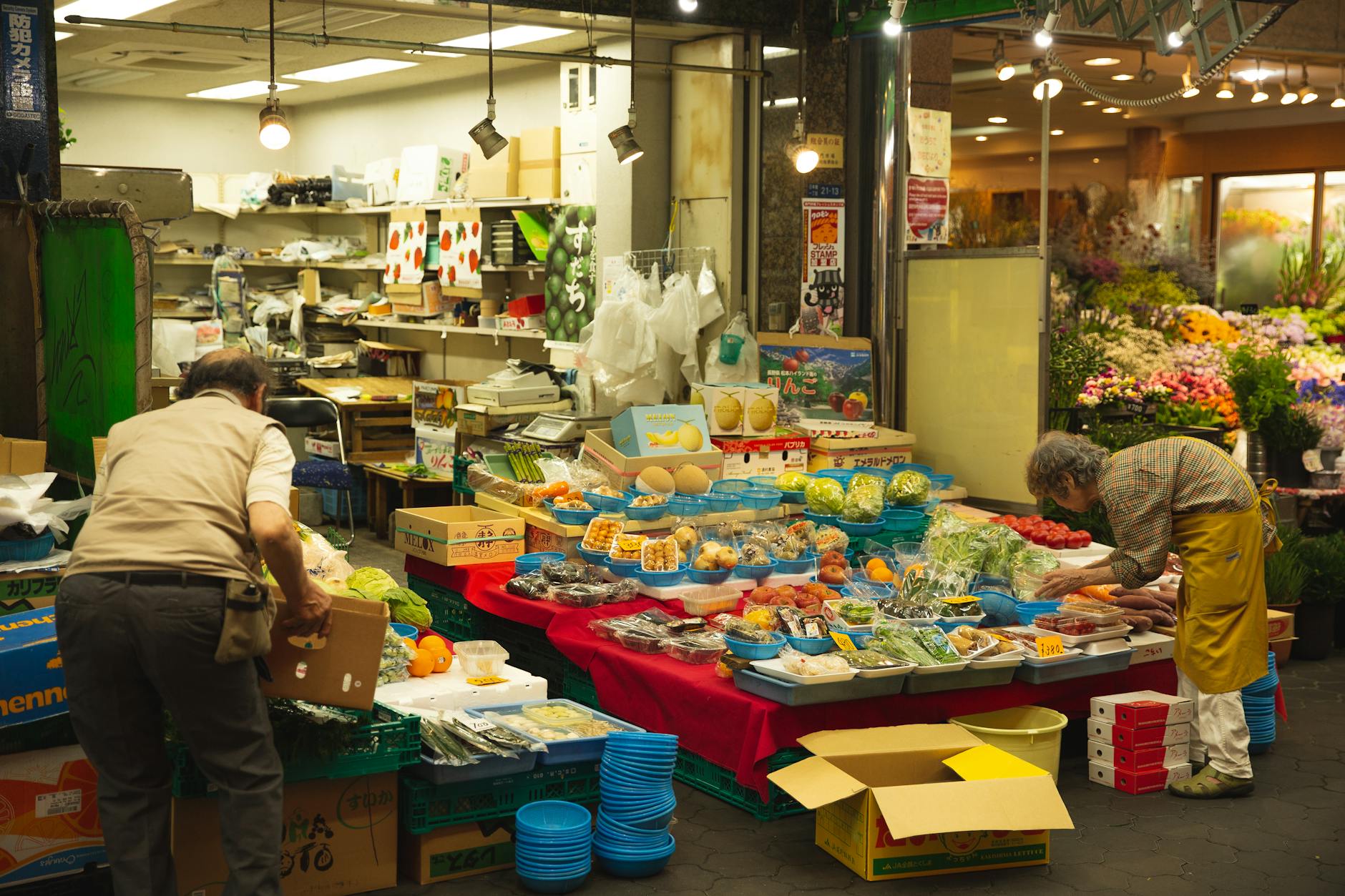
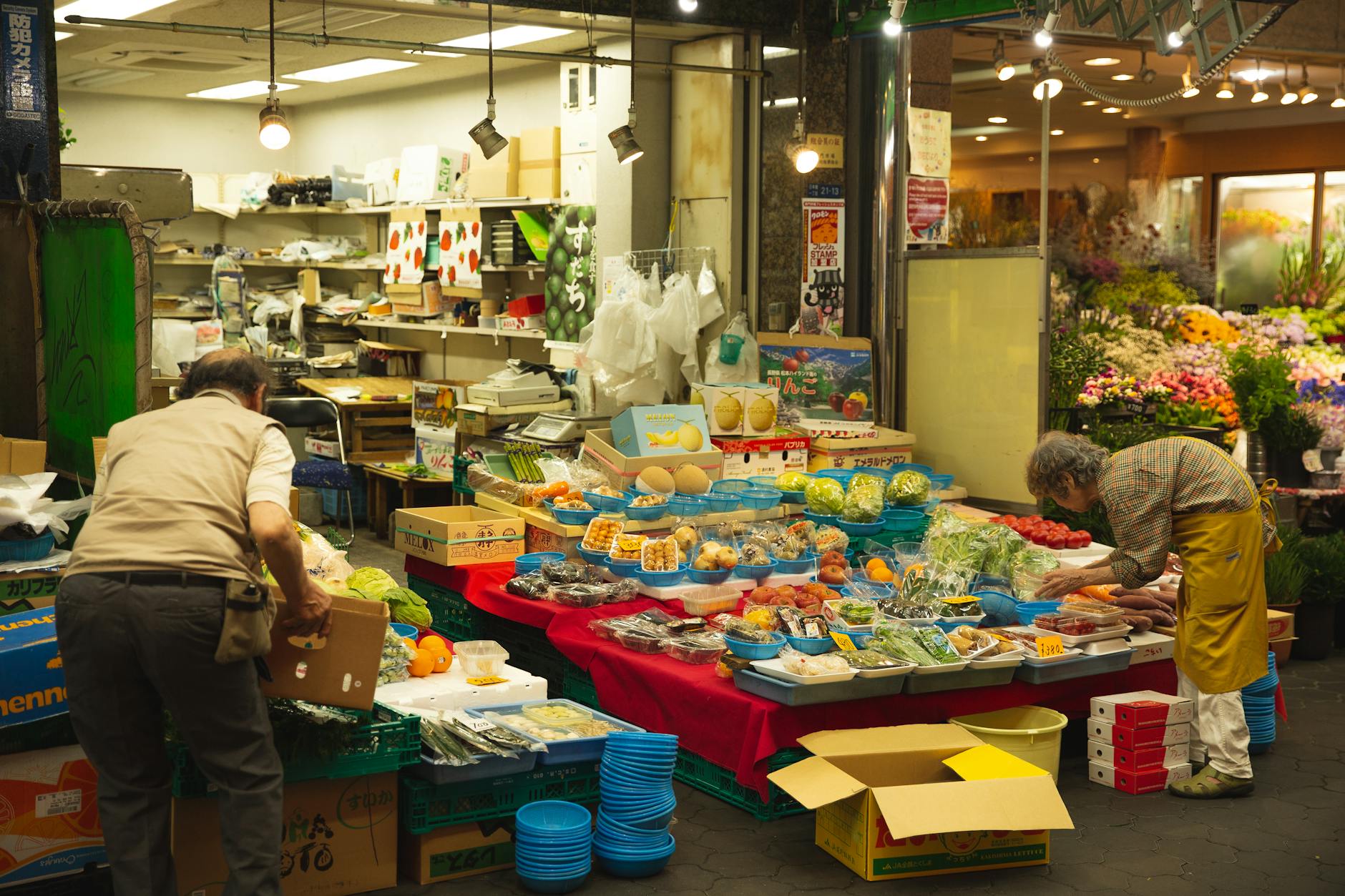
“Osaka’s Kitchen” — 150+ stalls selling fresh seafood, fruit, and street food. Try the ¥500 grilled scallops.
Shinsekai

4. Shinsekai

Naniwa-ku | Free

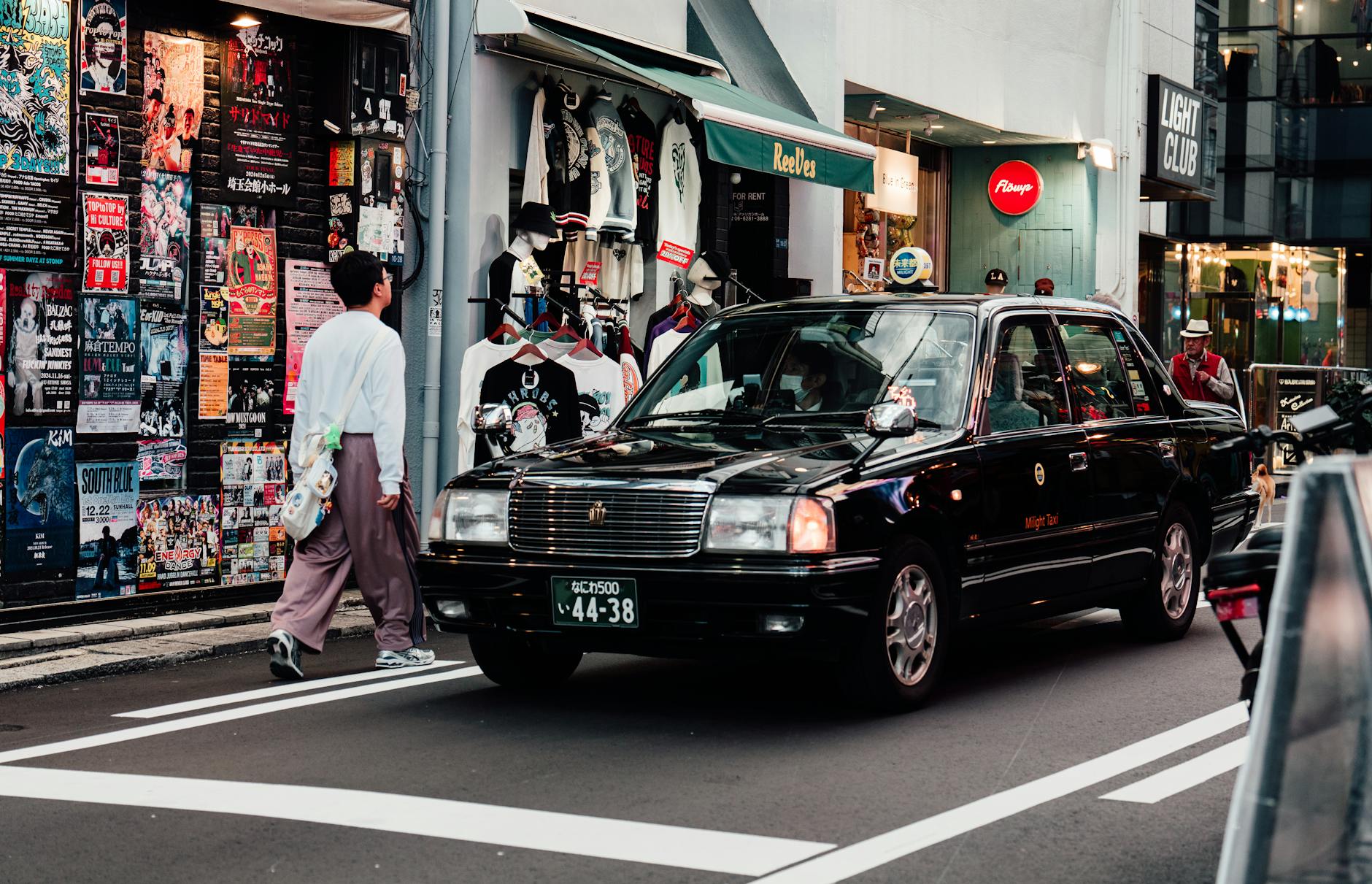
Retro district centered on Tsutenkaku Tower with the best kushikatsu joints in the city. Feels like 1960s Japan.
Shitennoji Temple

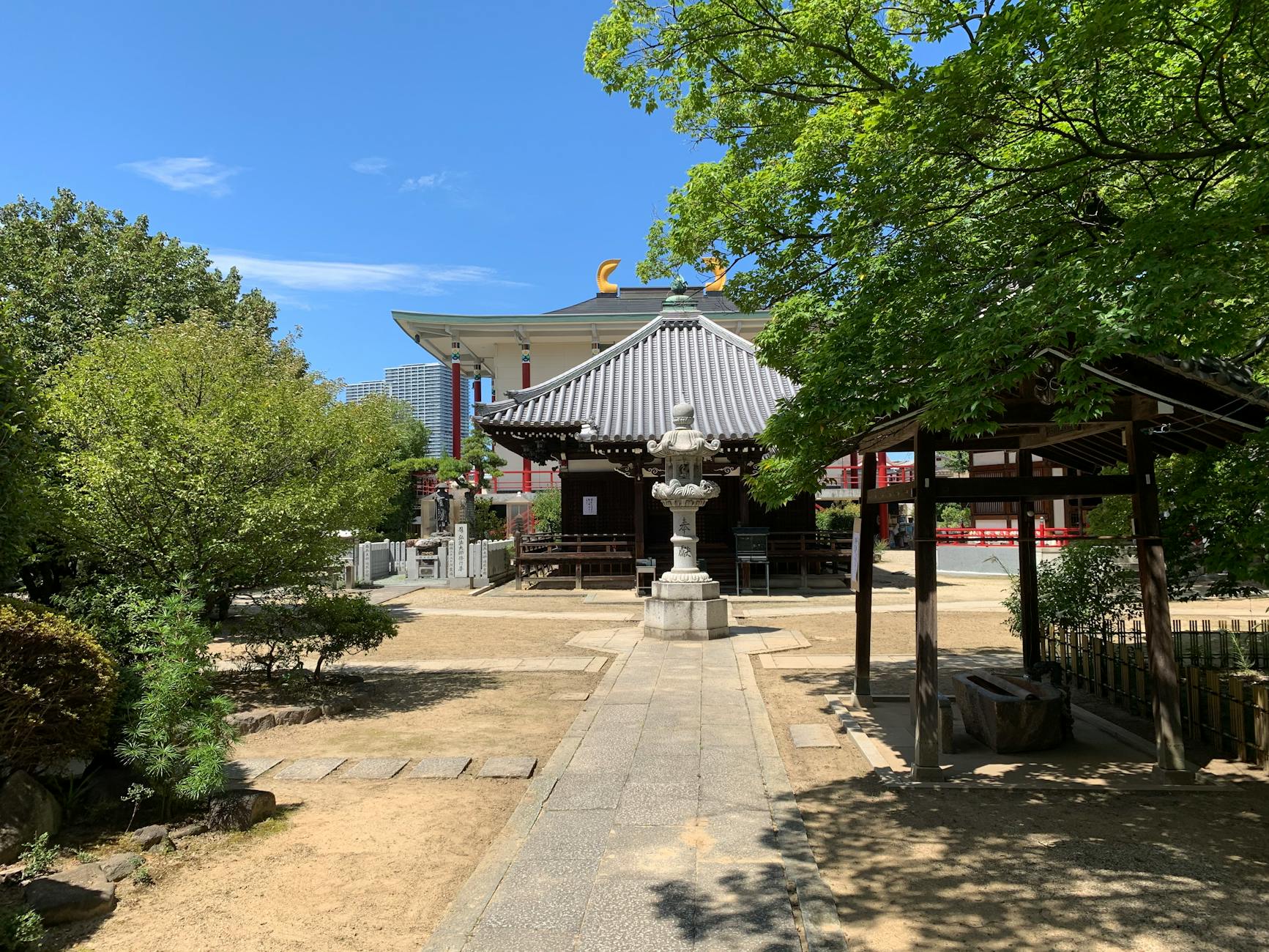
5. Shitennoji Temple

Tennoji-ku | ¥300

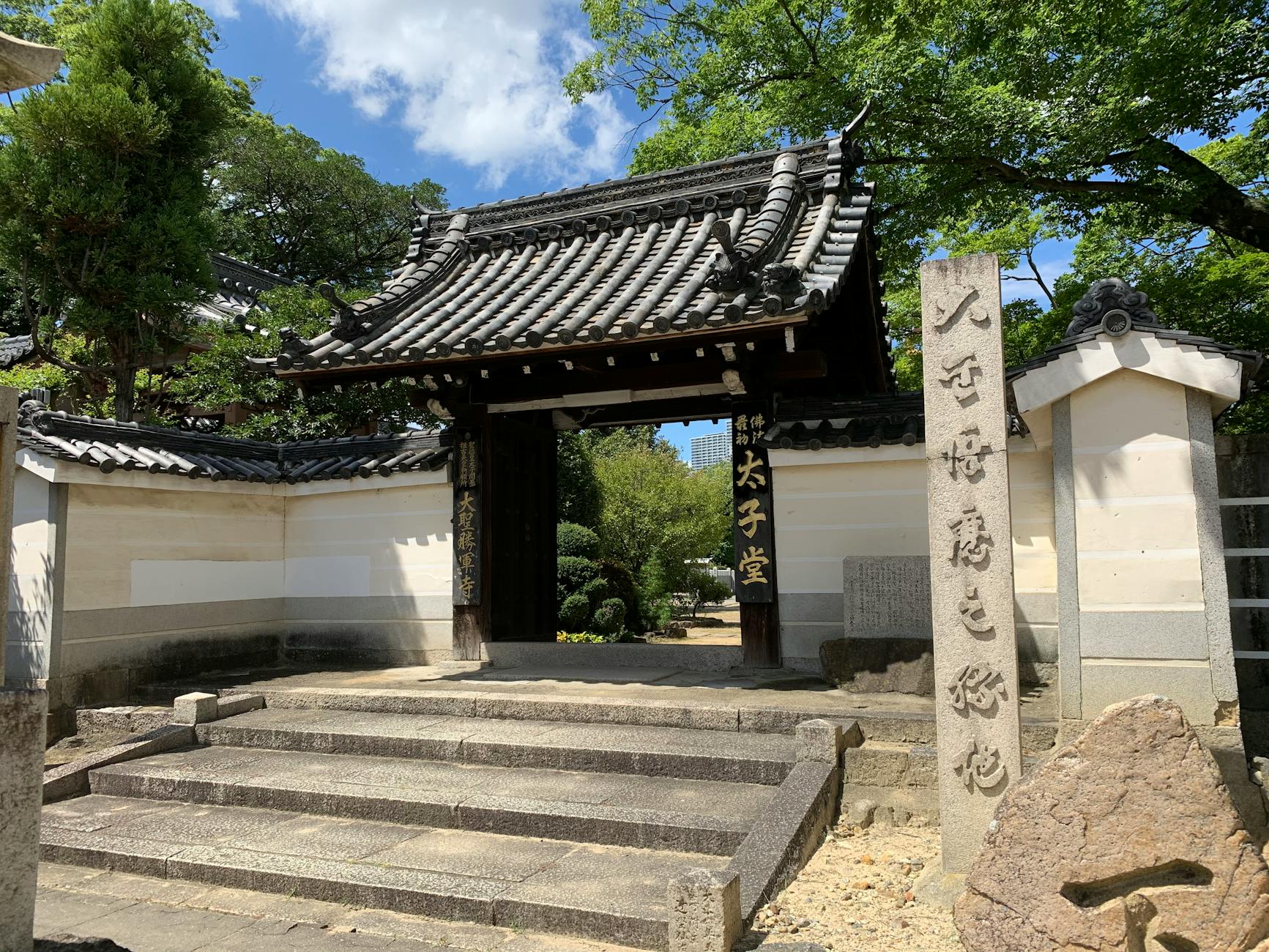
Japan’s oldest Buddhist temple (593 AD), founded by Prince Shotoku. Peaceful gardens and a monthly flea market.
Umeda Sky Building

6. Umeda Sky Building

Kita-ku | ¥1,500

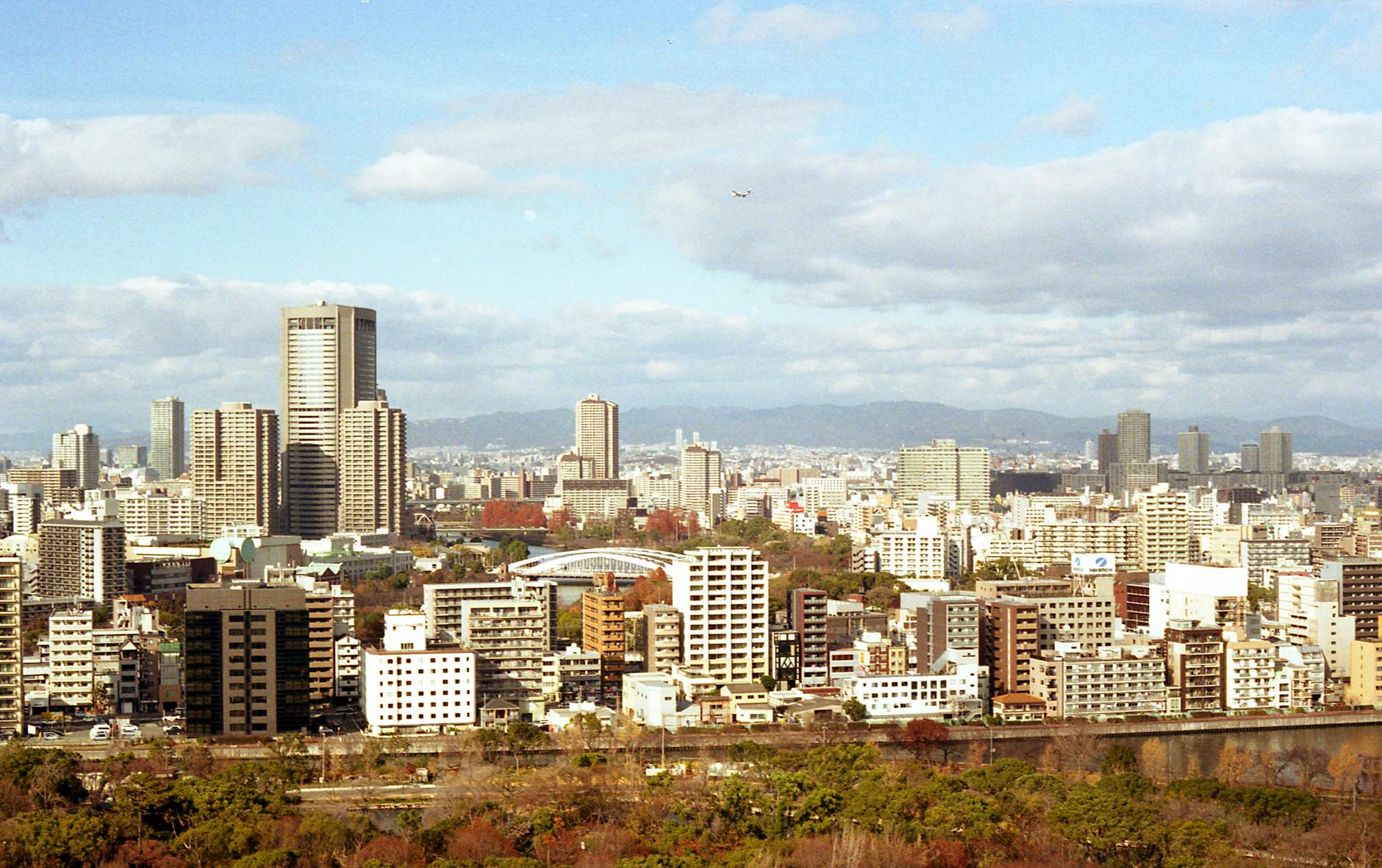
Futuristic floating garden observatory at 173m with 360-degree views. Especially beautiful at sunset.
INSIDER TIP
The Osaka Amazing Pass includes free entry to Osaka Castle, Umeda Sky Building, river cruises, and 37 other attractions — making it the best value pass in Japan.
6
7

7. Universal Studios Japan

Konohana-ku | ¥8,600+

World-class theme park with The Wizarding World of Harry Potter, Super Nintendo World, and more.

8

8. Namba Yasaka Shrine

Naniwa-ku | Free

Dramatic shrine with a giant lion head stage. Believed to “swallow” bad luck. Incredible photo opportunity.

9

9. Sumiyoshi Taisha

Sumiyoshi-ku | Free

One of Japan’s oldest Shinto shrines (211 AD) with a distinctive arched bridge and unique architectural style.

10

10. Hozenji Yokocho

Chuo-ku | Free

Atmospheric cobblestone alley near Dotonbori with a moss-covered Buddha statue and intimate restaurants.

11

11. Tennoji Park & Zoo

Tennoji-ku | ¥500 (zoo)

Large park complex with a zoo, botanical garden, and the superb Osaka City Museum of Fine Arts.

12

12. Amerika-mura

Chuo-ku | Free

Osaka’s American Village — youth culture hub with vintage shops, street art, and indie cafes.

Must-Know Numbers
¥600: Osaka Castle entry
593 AD: Shitennoji Temple founded
2.6 km: Longest shopping street in Japan
7
13

13. Osaka Museum of Housing

Kita-ku | ¥600

Walk through a recreated Edo-period Osaka neighborhood. You can rent a kimono for the experience.

14

14. Nakanoshima

Kita-ku | Free

River island with rose gardens, the National Museum of Art, and elegant Meiji-era brick buildings.

15

15. Tsutenkaku Tower

Naniwa-ku | ¥900

Shinsekai’s iconic 1956 tower. Rub the feet of Billiken (the god of things-as-they-should-be) for luck.

16

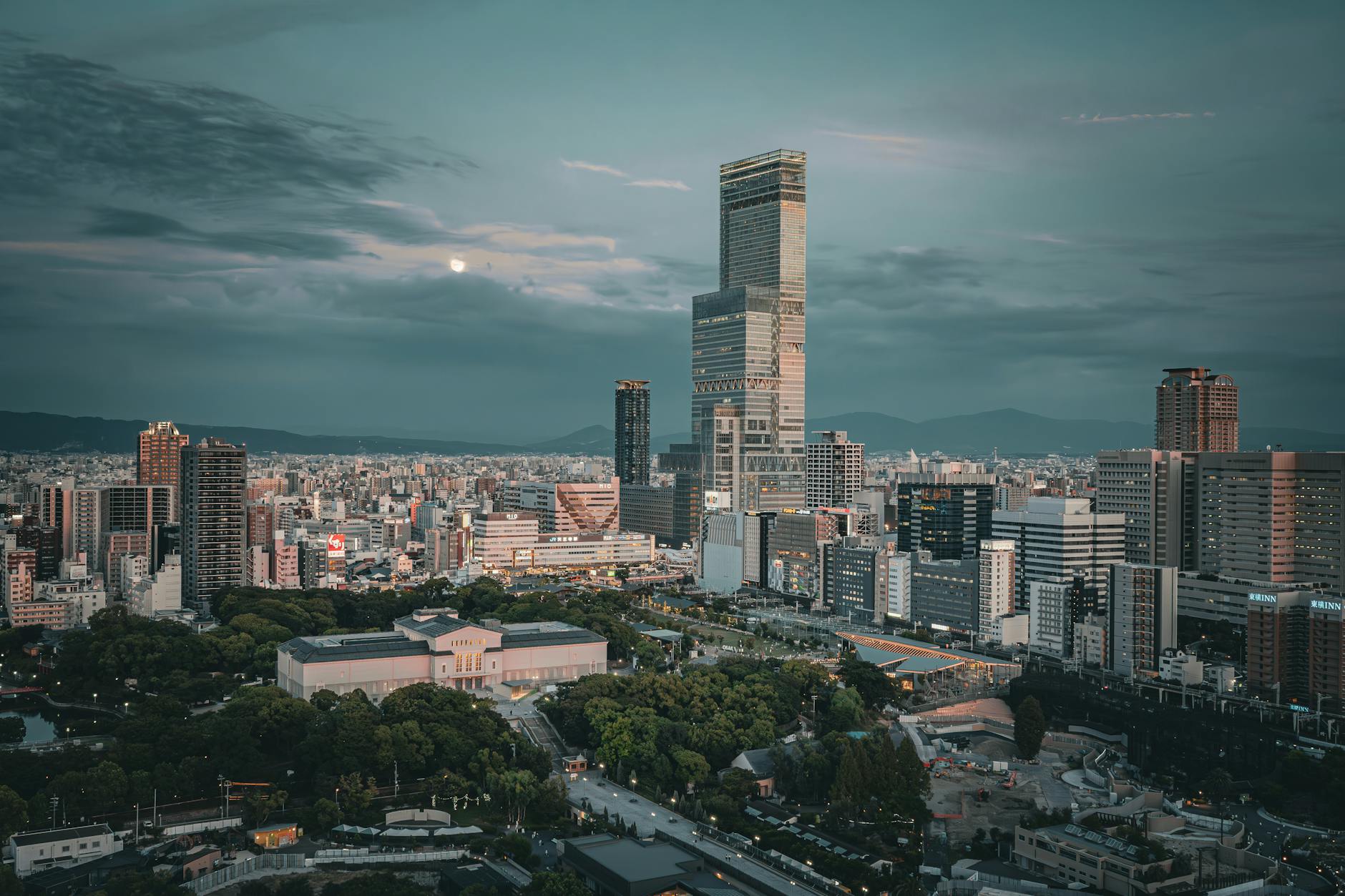
16. Abeno Harukas

Abeno-ku | ¥1,500

Japan’s tallest skyscraper (300m) with an observation deck and art museum.

17

17. Osaka Aquarium Kaiyukan

Minato-ku | ¥2,700

One of the world’s largest aquariums with a massive whale shark tank spanning multiple floors.

18

18. Tenjinbashi-suji Shopping Street

Kita-ku | Free

Japan’s longest covered shopping street (2.6 km) with hundreds of local shops and food stalls.

19. Cup Noodles Museum Osaka (Ikeda, ¥500): Create your own custom Cup Noodles. Fun and interactive — great for families.

20. Minoo Park (Minoo, Free): Beautiful nature hike to a 33m waterfall, 30 minutes from central Osaka. Famous for maple leaf tempura in autumn.

8
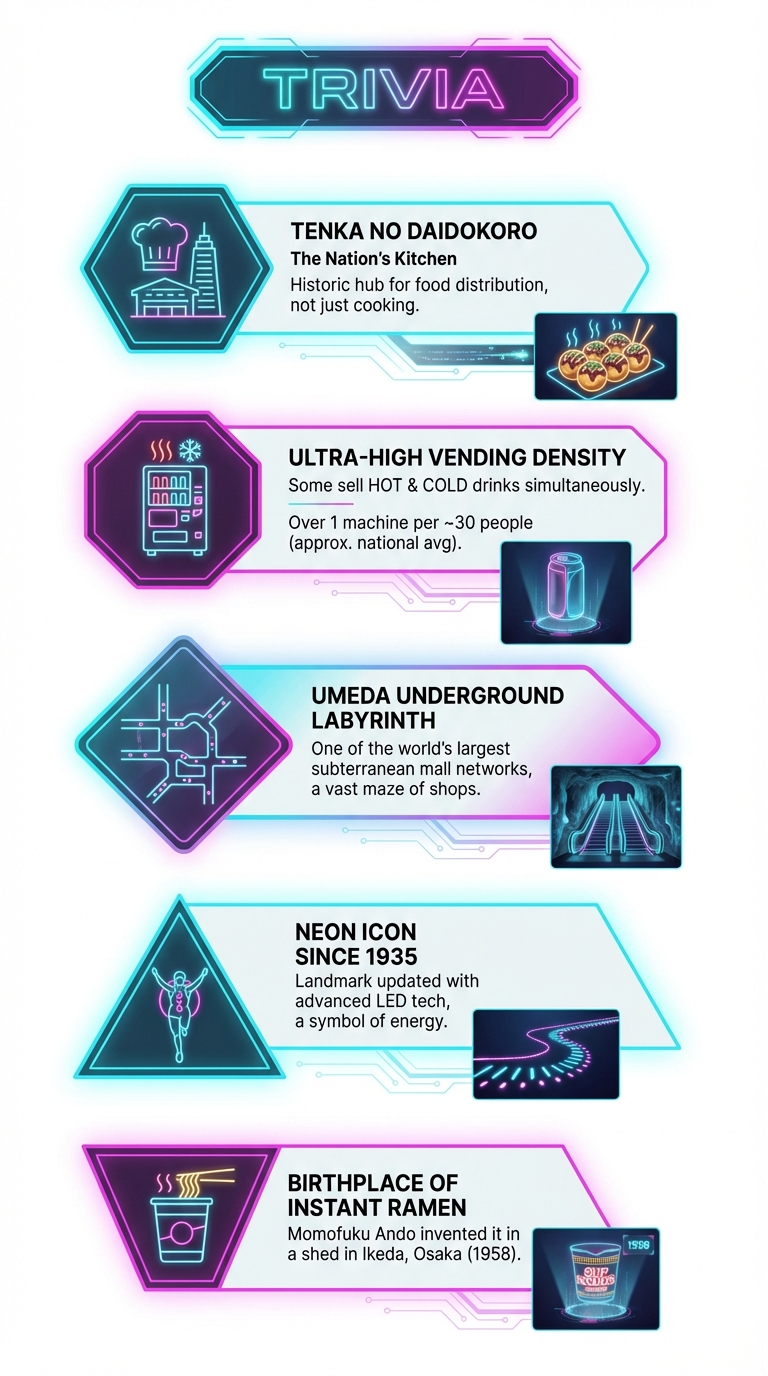
Trivia
9
Trivia
10
Trivia
11
02

Need to Know

Essential practical information

Money

Cash is king in Osaka, especially at street food stalls. 7-Eleven ATMs accept international cards. Budget ¥5,000–10,000/day for food and transport.

Safety

Extremely safe. Osaka has slightly more street energy than Tokyo but remains one of the world’s safest cities. Main concern is bicycle theft.

Etiquette

Same rules as Tokyo: no tipping, remove shoes when indicated, don’t eat while walking. But Osakans are more relaxed and forgiving of minor faux pas.

Dialect

Osakans speak Kansai-ben (Kansai dialect). “Ookini” means “thank you” (instead of “arigatou”). Locals love it when visitors try.

Food Allergies

Many dishes contain seafood-based dashi stock. Allergies are taken seriously — carry an allergy card in Japanese from your hotel.

Nightlife

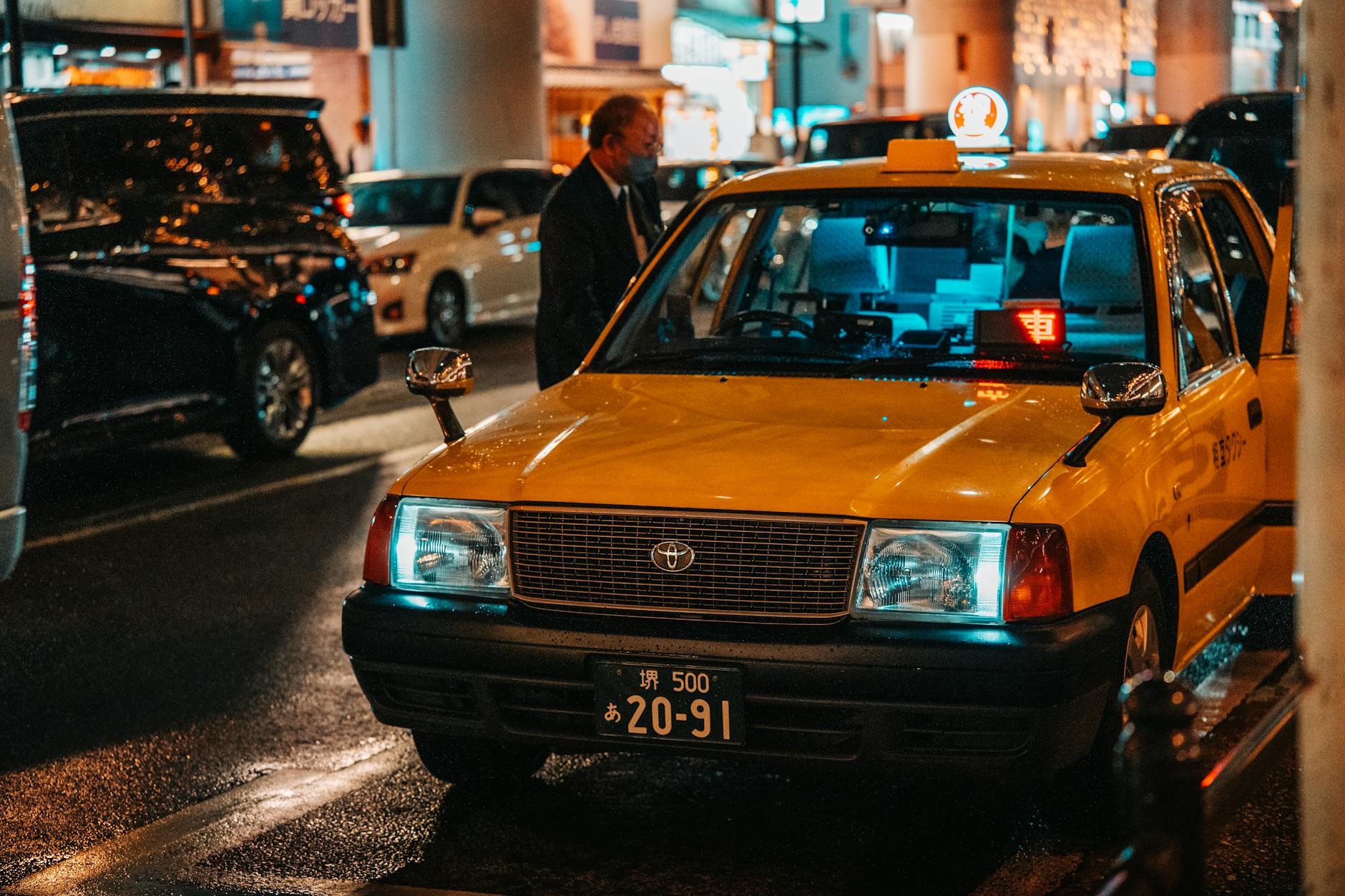
Dotonbori and Namba stay lively until 2–4 AM. Last trains around midnight. All-night karaoke boxes (¥1,500–3,000) are a popular alternative to taxis.

Queues

Popular restaurants have long queues. Download Tabelog app for ratings and timing. Arrive at off-peak hours (2 PM for lunch, 5:30 PM for dinner).

Day Trips

Osaka is perfectly located for day trips to Kyoto (15 min by shinkansen), Nara (30 min), and Kobe (20 min).

Budget LevelDaily CostIncludes
Budget¥4,000–8,000/dayHostel, street food, subway day pass
Mid-Range¥12,000–25,000/dayBusiness hotel, restaurant meals, attractions
Luxury¥40,000+/dayRitz-Carlton, kaiseki dining, private tours
Essential Apps
Download Tabelog (Japan’s top restaurant app), Google Maps (transit is perfect), and Osaka Metro app for subway navigation.
12
03

Getting Around

Navigate the city like a local

From the Airport

Kansai International Airport (KIX): Nankai Rapit Limited Express to Namba (¥1,290, 34 min) or JR Haruka Express to Shin-Osaka (¥2,380, 50 min). Budget: Nankai Airport Express (¥930, 43 min). Itami Domestic Airport: Airport bus to major stations (¥660, 25–40 min).

Osaka Metro

9 lines covering the city. The Midosuji line (red) is the main artery. Cost: ¥180–¥380/ride

JR Lines

JR Osaka Loop Line circles the city center like Tokyo’s Yamanote Line. Cost: ¥160–¥220/ride

Private Railways

Hankyu, Hanshin, Kintetsu, and Nankai connect to Kyoto, Nara, Kobe, and Kansai Airport. Cost: ¥200–¥920

Taxi

Metered. Flag drop ¥680. Useful late at night when trains stop. Cost: ¥680 + ¥80/237m

Bicycle

Flat terrain makes cycling easy. HUBchari bike-share available. Cost: ¥165/30 min

Transport Tips
Buy the Osaka Amazing Pass at Kansai Airport for the full package. If just using transit, an Enjoy Eco Card (¥820, ¥520 on weekends) gives unlimited subway rides for one day.
13

Month by Month

When to go and what to expect

Mar–May

Cherry blossom season (late March–early April). Osaka Castle park is magnificent. Pleasant 12–22°C.

Jun–Aug

Hot and humid (28–35°C). Tenjin Matsuri (July 24–25) is one of Japan’s top three festivals. Rainy season in June.

Sep–Nov

Comfortable autumn weather (15–25°C). Autumn foliage peaks in November at Minoo Park. Fewer crowds.

Dec–Feb

Cold (2–10°C) but manageable. Winter illuminations along Midosuji boulevard. Fewer tourists and lower prices.

Best Time to Visit
Time your visit for the Tenjin Matsuri (July 24–25) — one of Japan’s greatest festivals with 3,000 people in Edo-era dress, river processions, and fireworks.
OsakaOsaka — best experienced in March–May, October–November
14
04

Itineraries

Make the most of your time

Day 1: Dotonbori, Namba & South Osaka
9:00 AMKuromon Market — seafood breakfast of grilled scallops, tuna sashimi, and fresh fruit (¥1,000–2,000)
11:00 AMExplore Namba and Amerika-mura for street culture and vinyl shops
12:30 PMLunch: Okonomiyaki at Mizuno, Dotonbori — one of the city’s most famous (¥1,000–1,500)
2:00 PMShinsekai — kushikatsu at Daruma (the original since 1929), then climb Tsutenkaku Tower (¥900)
4:30 PMShitennoji Temple — Japan’s oldest Buddhist temple (¥300)
6:00 PMDotonbori canal walk as the neon signs light up. Photo with the Glico Running Man.
8:00 PMDinner: Takoyaki at Wanaka or Creo-Ru (¥500) + izakaya hopping in Hozenji Yokocho
Day 2: Osaka Castle & North Osaka
8:30 AMOsaka Castle — early entry avoids crowds. Explore the museum and grounds (¥600)
11:00 AMWalk through the castle’s cherry blossom park (stunning in season)
12:00 PMLunch in Tenjinbashi-suji Shopping Street — Japan’s longest covered arcade
2:00 PMOsaka Museum of Housing — walk through a recreated Edo-period town (¥600)
4:00 PMUmeda Sky Building — sunset from the Floating Garden Observatory (¥1,500)
6:30 PMExplore the underground shopping streets of Umeda and Namba City
8:00 PMDinner: Yakiniku (Japanese BBQ) in Tsuruhashi Korea Town (¥3,000–5,000)
Day 3: Day Trip to Nara or Kyoto
8:00 AMTrain to Nara (30 min from Namba, ¥570 by Kintetsu)
9:00 AMNara Park — bow to the deer for crackers. Visit Todaiji Temple and its giant Buddha (¥600)
11:30 AMKasuga Taisha Shrine — 3,000 stone and bronze lanterns in a forest setting (free)
1:00 PMLunch on Naramachi’s charming streets — try kakinoha sushi (persimmon leaf sushi)
3:00 PMReturn to Osaka. Visit Namba Yasaka Shrine (giant lion head, free)
5:00 PMFinal shopping at Shinsaibashi-suji arcade
7:00 PMFarewell dinner: Kaiseki (multi-course) at Kitamura or splurge on Kobe beef at Mouriya (¥8,000–15,000)
TIMING TIP
Osaka is compact enough that you can walk between Dotonbori, Namba, and Shinsekai in 30 minutes. Save subway fare and discover hidden alleys on foot.
15

More Itineraries

Extended stays and themed routes

Five Days

Add Universal Studios Japan (full day), a food tour of Tsuruhashi Korea Town, and a day trip to Kobe for beef and harbor views.

One Week

Combine with Kyoto (2–3 days) for temples and geisha districts, plus a day trip to Himeji Castle — Japan’s most beautiful original castle (1 hour by train).

Family Itinerary

Universal Studios (2 days for Super Nintendo World and Harry Potter), Osaka Aquarium Kaiyukan, Cup Noodles Museum in Ikeda, and Nara’s friendly deer park.

Food Lover’s Route

Take a Dotonbori street food tour, visit Kuromon at dawn, try a takoyaki cooking class, eat kushikatsu in Shinsekai, and finish with a michelin-starred kappo in Kitashinchi.

Booking Essentials
Stay near Namba or Shinsaibashi for the best food and nightlife access. Book Osaka Amazing Pass at Kansai Airport on arrival. JR Kansai Area Pass (¥2,400/1-day) is great for day trips.
16
Dotonbori & Namba

Dotonbori & Namba

Where neon, canal reflections, and the scent of takoyaki merge into pure Osaka

17
Dotonbori & Namba

Dotonbori & Namba

Eat Until You Drop

Dotonbori is Osaka distilled into a single neon-soaked street along a canal. The iconic Glico Running Man sign (glowing since 1935), the giant mechanical Kani Doraku crab, and the inflatable blowfish of Zuboraya create a sensory overload that perfectly captures Osaka’s exuberant personality. Every few meters, a vendor shouts invitations to try their takoyaki, okonomiyaki, or gyoza. The canal itself is gorgeous at night, with illuminated bridges and boat cruises.

Namba, just south of Dotonbori, is the area’s commercial and transport hub. The vast Namba Parks complex rises like a terraced garden, while underground, the Namba Walk and Namba City shopping arcades stretch for kilometers. East of Namba, Kuromon Market (“Osaka’s Kitchen”) is the morning food destination with 150+ stalls. The whole area hums from breakfast through to the small hours.
LOCAL SECRET
Walk the Dotonbori canal at 10 PM when the neon reflections on the water are at their most photogenic. The Ebisubashi bridge is the classic photo spot.
18

Eating & Drinking

Where to eat in Dotonbori & Namba

Mizuno (¥1,000–1,500): Dotonbori’s most famous okonomiyaki. The yama-imo (mountain yam) version is extraordinary.

Takoyaki Wanaka (¥500): Crispy-outside, molten-inside octopus balls. The Dotonbori original.

Kushikatsu Daruma (¥100–200/skewer): Since 1929. Never double-dip in the communal sauce — the cardinal rule of kushikatsu.

Shopping: Shinsaibashi-suji (Osaka’s premier covered arcade, 600m of shops), Don Quijote (Dotonbori’s giant Ferris wheel store), and Namba Parks for upscale brands.

19

Dotonbori & Namba by the Numbers

1583
Year Osaka Castle was built by Toyotomi Hideyoshi
8
UNESCO Creative City of Design designation year (2019)
40%
Of Japan’s food production comes from the Osaka region
Did You Know?
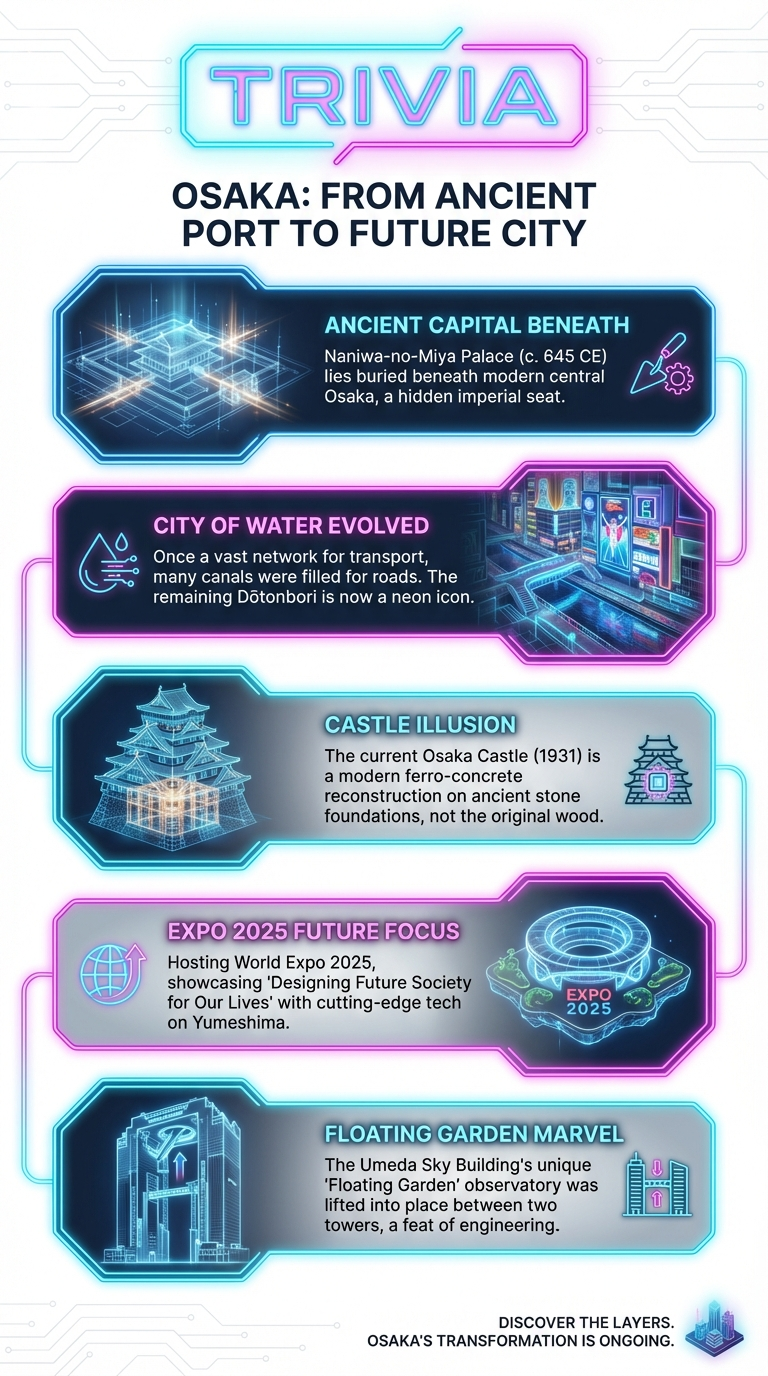
Osaka’s real name is far longer than you think. The city was historically called Naniwa, and the kanji for Osaka (大阪) was actually changed from 大坂 in 1868 because the old character for “saka” contained the radical for “soil returning” — considered bad luck.
Dotonbori & Namba by the Numbers
The phrase “Kuidaore” (食い倒れ, “eat until you fall over”) is Osaka’s unofficial motto. Dotonbori’s mechanical clown mascot is named Kuidaore Taro.
Osaka Castle has been destroyed and rebuilt multiple times. The current concrete reconstruction (1931) is actually the most enduring version the castle has ever had.
20
Shinsekai

Shinsekai

A 1912 “New World” frozen in time, powered by deep-fried skewers and good humor

21
Shinsekai

Shinsekai

Retro Osaka

Shinsekai (“New World”) is a delightfully anachronistic district built in 1912 as a fusion of New York (north) and Paris (south), centered around the Tsutenkaku Tower — Osaka’s answer to the Eiffel Tower. Today it feels like a time capsule of 1960s Japan: pachinko parlors, shogi (chess) cafes, and kushikatsu restaurants with hand-painted signs line the streets. The mascot Billiken, the “God of Things as They Should Be,” sits atop the tower.

The real draw is the food. Shinsekai is the birthplace of kushikatsu (deep-fried skewered everything), and dozens of restaurants compete for the title of best. Daruma (since 1929) is the most famous, but locals often prefer Yaekatsu or Tengu. The communal dipping sauce and the strict “no double dipping” rule are part of the ritual. Beyond kushikatsu, the area’s retro game centers, cheap izakayas, and karaoke joints make it an addictive evening destination.
LOCAL SECRET
Visit Shinsekai during the day for photography (retro signs and Tsutenkaku Tower) and at night for atmosphere (neon, street food, and rowdy izakayas).
22

Eating & Drinking

Where to eat in Shinsekai

Kushikatsu Daruma (¥100–200/skewer): The original since 1929. Queue inevitable but fast-moving.

Yaekatsu (¥100–200/skewer): Local favorite with a slightly lighter batter than Daruma.

Jiyuken (¥680): Iconic curry-rice restaurant since 1910. Mix raw egg into the curry as locals do.

23

Shinsekai by the Numbers

150+
Stalls in Kuromon Market
1,500+
Years of temple history at Shitennoji
300m
Height of Abeno Harukas, Japan’s tallest building
Did You Know?
Osakans stand on the right side of escalators (opposite to Tokyo’s left). This dates back to the 1970 World Expo held in Osaka, when signs were posted to match international convention.
Shinsekai by the Numbers
Instant ramen was invented in Osaka in 1958 by Momofuku Ando. The Cup Noodles Museum in Ikeda lets you create your own custom flavor.
Osaka’s comedy scene is so central to its identity that a common greeting in Osaka is “Moukari makka?” (“Are you making money?”) — said with humor, not greed.
24
Umeda & Kitashinchi

Umeda & Kitashinchi

Where Osaka’s corporate towers conceal the city’s finest dining secrets

25
Umeda & Kitashinchi

Umeda & Kitashinchi

Business District with Soul

Umeda is Osaka’s northern business center, a sleek contrast to the southern chaos of Dotonbori. The area revolves around Osaka/Umeda Station — a vast complex of interconnected malls, food halls, and underground shopping streets. Above ground, the Umeda Sky Building’s Floating Garden Observatory offers 360-degree views that are especially magical at sunset. Grand Front Osaka and HEP Five (with its iconic red Ferris wheel) add shopping and entertainment.

Kitashinchi, tucked between Umeda and the river, is Osaka’s most refined dining district. This compact grid of streets hides some of the city’s best kappo (Japanese haute cuisine) restaurants, intimate sushi counters, and sophisticated bars. It’s where Osaka’s business elite entertain, and while prices are higher than Dotonbori, the quality is exceptional. Many Michelin-starred restaurants call Kitashinchi home.
LOCAL SECRET
The Umeda Sky Building observation deck is stunning at sunset. Buy tickets in advance to skip the queue. Combine with the underground Takimi-koji Alley (recreated 1920s Osaka street with restaurants).
26

Eating & Drinking

Where to eat in Umeda & Kitashinchi

Kitashinchi kappo restaurants (¥8,000–20,000): Refined multi-course Japanese cuisine in intimate settings. Book ahead.

Umeda food floors (¥500–1,500): Department store basement food halls (Daimaru, Hankyu) offer incredible bento, pastries, and deli items.

Yukari (¥1,200–1,800): Popular local chain for excellent okonomiyaki in a more comfortable setting.

Shopping: Grand Front Osaka for fashion and design, Hankyu Department Store for luxury, and the vast underground Whity Umeda mall.

27

Umeda & Kitashinchi by the Numbers

2.6 km
Tenjinbashi-suji, Japan’s longest shopping street
3M
Visitors to Dotonbori every New Year’s Eve
800+
Okonomiyaki restaurants in the city
Did You Know?
Osaka has more comedy theaters per capita than any city in the world. The manzai comedy tradition originated here, and the city’s Yoshimoto Kogyo is Japan’s most powerful entertainment agency.
Umeda & Kitashinchi by the Numbers
The Glico Running Man sign in Dotonbori has been an Osaka icon since 1935. The current LED version (6th generation, 2014) has become Japan’s most photographed billboard.
Osaka hosted the 1970 World Expo, which introduced 64 million visitors to technologies like the mobile phone, moving walkways, and IMAX-style screens.
28
05

Food Guide

What to eat and where to find it

Osaka’s identity is built on food. The city’s culinary philosophy is captured in one word: kuidaore — “eat until you drop.” While Tokyo obsesses over refinement, Osaka celebrates bold, satisfying, democratic food. This is where takoyaki, okonomiyaki, and kushikatsu were born, where street stalls outnumber Michelin restaurants, and where a ¥500 meal can be transcendent. Osakans judge each other by their food opinions, and the debates never end.

Takoyaki (¥400–600): Osaka’s iconic octopus balls — crispy outside, molten inside, topped with mayo, sauce, and bonito flakes.

Okonomiyaki (¥800–1,500): Savory batter pancake with cabbage, pork, seafood. Cooked on a griddle at your table. Osaka-style is mixed, not layered.

Kushikatsu (¥100–200/skewer): Deep-fried skewered meat, vegetables, and seafood. Dip once in communal sauce — never double-dip.

Kitsune Udon (¥400–700): Thick udon noodles in sweet dashi broth with a large piece of sweet fried tofu (aburaage). Osaka’s comfort food.

Butaman (¥200–400): Osaka-style steamed pork buns. 551 Horai is the legendary brand — the queues are worth it.

Tecchiri (¥3,000–6,000): Blowfish (fugu) hot pot — Osaka consumes more fugu than any other city. Zuboraya in Dotonbori is iconic.

Negiyaki (¥700–1,000): Green onion-stuffed crepe-like pancake — a lighter, crispier cousin of okonomiyaki.

Pressed Sushi (Oshizushi) (¥800–1,500): Osaka’s traditional sushi — rice and fish pressed in a wooden box. More elegant than hand-rolled.

29

Where to Eat

Best restaurants, markets, and street food

Top Restaurants

Mizuno, Dotonbori (¥1,000–1,500): Dotonbori’s most celebrated okonomiyaki with a 60+ year history.

Ajinoya (¥1,200–1,800): Outstanding okonomiyaki in a calm setting away from Dotonbori’s chaos. Since 1945.

551 Horai (¥200–400): The pork buns (butaman) are an Osaka institution. Buy at any station branch.

Ippoh (¥8,000–15,000): Michelin-starred fugu restaurant for the ultimate blowfish experience.

Street Food & Markets

Dotonbori: Takoyaki at Wanaka or Creo-Ru (¥500), gyoza stalls (¥300–500), and enormous grilled crab legs (¥1,000).

Kuromon Market: Sashimi on a stick (¥300–500), grilled uni (¥500), giant strawberries, and fresh mochi.

Shinsekai: Kushikatsu from ¥100/skewer plus cheap beer at standing izakayas (¥300/pint).

FOODIE TIP
For the best takoyaki experience, try all three top spots: Wanaka (crispy), Kukuru (creamy), and Creo-Ru (large pieces). Each has a different style. Total cost: about ¥1,500 for three rounds.
30

Food by the Numbers

1958
Year instant ramen was invented in Osaka
800+
Okonomiyaki restaurants in the city
¥500
Average cost of takoyaki
Did You Know?
Osaka consumes more fugu (blowfish) than any city in the world. The fish contains tetrodotoxin (1,200 times more poisonous than cyanide), and chefs must train for 3+ years to get a license to prepare it.
Food by the Numbers
Food by the Numbers
Food by the Numbers
The Glico Running Man sign in Dotonbori has been an Osaka icon since 1935. The current LED version (6th generation, 2014) has become Japan’s most photographed billboard.
Osaka hosted the 1970 World Expo, which introduced 64 million visitors to technologies like the mobile phone, moving walkways, and IMAX-style screens.
31
06

History

Understanding the story of Osaka

Osaka’s history stretches back over 1,500 years. The city (then called Naniwa) served as Japan’s first capital in the 7th century and was a major port and commercial center for centuries. In 593 AD, Prince Shotoku founded Shitennoji, Japan’s oldest Buddhist temple, establishing Osaka as a spiritual center. The city’s golden age came with Toyotomi Hideyoshi, who unified Japan and built the magnificent Osaka Castle in 1583, making the city his power base.

32

Culture & Identity

After Hideyoshi’s death, the Tokugawa shoguns defeated his forces at the Siege of Osaka (1615) and the city’s political power faded, but its commercial importance soared. Osaka became “the nation’s kitchen” (tenka no daidokoro), controlling Japan’s rice trade and developing a merchant culture that prized pragmatism, humor, and good food. This merchant spirit — entrepreneurial, egalitarian, and pleasure-loving — still defines Osaka today. The city rebuilt after devastating WWII bombing and continues to evolve, with the 2025 World Expo marking its latest reinvention.

Culture & People

Osaka’s culture is defined by three things: food, humor, and commerce. The city invented manzai comedy (stand-up duos), and Osakans take pride in being funnier than Tokyoites. The greeting “Moukari makka?” (“Making money?”) captures the merchant-city ethos. The Tenjin Matsuri (July 24–25) is one of Japan’s top three festivals, with river processions and fireworks. Osaka is also the birthplace of bunraku (puppet theater), now a UNESCO Intangible Cultural Heritage. The city’s dialect, Kansai-ben, is louder, funnier, and more musical than Tokyo’s standard Japanese.

Cultural Etiquette
Same as Tokyo: no tipping, remove shoes when indicated. The kushikatsu rule is sacred: never double-dip in the communal sauce. Osakans are informal and friendly — don’t be surprised if a stranger starts chatting with you.
33
07

Day Trips

Excursions from Osaka

Osaka is the perfect base for exploring the Kansai region, with Kyoto, Nara, Kobe, and Himeji all within an hour by train.

Kyoto (15 min by shinkansen / 30 min by Hankyu)

Japan’s ancient capital with 2,000+ temples, geisha districts, bamboo groves, and Fushimi Inari’s 10,000 torii gates. Entry: ¥600–1,600 (temples vary)

Nara (30 min by Kintetsu from Namba)

Friendly deer, the giant Buddha at Todaiji, and Kasuga Taisha shrine’s 3,000 lanterns. Entry: ¥600 (Todaiji)

Kobe (20 min by JR from Osaka Station)

Famous beef, Chinatown, harbor views, and Mt. Rokko cable car. Don’t miss the sake breweries of Nada. Entry: Free (Chinatown/harbor)

Himeji (1 hour by shinkansen)

Japan’s most beautiful original castle (1609). UNESCO World Heritage Site with white plaster walls and elegant architecture. Entry: ¥1,050 (castle entry)

34
Osaka day trip
Getting There
JR Kansai Area Pass (¥2,400/1-day) covers trains to Kobe and Himeji. Kintetsu Rail Pass (¥1,500/1-day) covers Nara. For Kyoto, Hankyu Railway (¥410, 45 min) is the best value.
35
08

Directory A–Z

Practical information from A to Z

Alcohol

Legal age 20. Convenience stores sell beer, sake, and chu-hai 24/7. Standing bars (tachinomi) offer cheap drinks from ¥200.

ATMs

7-Eleven and Japan Post ATMs accept international cards. Many street stalls are cash-only.

Clinics

Osaka International Clinic (Umeda) has English-speaking doctors. Rinku General near Kansai Airport for emergencies.

Electricity

100V/60Hz (western Japan). Type A/B plugs. Most USB chargers work fine.

Internet

Osaka Free Wi-Fi at stations and tourist spots. Pocket Wi-Fi rental at Kansai Airport recommended (¥500–1,000/day).

LGBTQ+

Osaka is relatively progressive by Japanese standards. Doyamacho (near Umeda) is the main LGBTQ+ district.

Mail

Japan Post offices handle international shipping. Central Post Office near Osaka Station.

36

Opening Hours

Street food stalls: 10am–10pm. Restaurants: 11am–11pm. Museums: 9:30am–5pm, closed Mondays.

Rain

Rainy season (tsuyu) runs June–mid-July. Carry a compact umbrella. Underground shopping arcades are useful.

Rickshaws

Not common in Osaka. Taxis are metered and reliable. ¥680 flag drop.

Taxes

10% consumption tax included. Tax-free shopping at department stores for purchases over ¥5,000 with passport.

Toilets

Clean and everywhere. High-tech with bidets. No worries here.

Water

Tap water is safe to drink throughout Osaka.

Coin Lockers

Available at all major stations. Larger ones (¥500–700) fit backpacks. Use IC card to pay.

Bicycle Parking

Register bikes at designated parking areas or risk a ¥2,500 fine. Hotels often provide free parking.

37

Transport

Getting to and around Osaka

From Kansai Airport (KIX): Nankai Rapit to Namba (¥1,290, 34 min) is fastest. JR Haruka to Shin-Osaka (¥2,380, 50 min) for shinkansen connections. Budget: Nankai Airport Express (¥930, 43 min).

From Tokyo: Nozomi shinkansen to Shin-Osaka (¥13,870, 2h30m). Budget: Overnight bus (¥3,000–6,000, 8h).

Within Osaka: Metro Midosuji line handles most tourist routes. Walk between Dotonbori, Namba, and Shinsekai (all within 2 km).

ModeDetailsCost
Osaka Metro9 lines covering the city. The Midosuji line (red) is the main artery.¥180–¥380/ride
JR LinesJR Osaka Loop Line circles the city center like Tokyo’s Yamanote Line.¥160–¥220/ride
Private RailwaysHankyu, Hanshin, Kintetsu, and Nankai connect to Kyoto, Nara, Kobe, and Kansai Airport.¥200–¥920
TaxiMetered. Flag drop ¥680. Useful late at night when trains stop.¥680 + ¥80/237m
BicycleFlat terrain makes cycling easy. HUBchari bike-share available.¥165/30 min
TRANSPORT TIP
Buy the Osaka Amazing Pass at Kansai Airport for the full package. If just using transit, an Enjoy Eco Card (¥820, ¥520 on weekends) gives unlimited subway rides for one day.
38

Language

Essential phrases for travelers

Osakans speak Kansai-ben, a louder, more melodic dialect. Using local phrases like “Ookini” (thank you) will earn instant respect and likely a conversation.

EnglishJapanese (Kansai dialect)
Thank you (Osaka)Ookini (おおきに)
HelloKonnichiwa (こんにちは)
Excuse meSumimasen (すみません)
Delicious!Umai! / Oishii!
How much?Ikura? (いくら)
Cheers!Kanpai! (乾杯)
No good (Osaka)Akan (あかん)
Really?Honma? (ほんま)
Very (Osaka)Meccha (めっちゃ)
Funny!Omoshiroi! (おもしろい)
Let’s eat!Itadakimasu!
Check pleaseOkaikei onegaishimasu
WaterOmizu (おみず)
One moreMou ikko
I’m full!Onaka ippai!
Language Note
Try saying “Ookini” (thanks) instead of “Arigatou” — Osakans will light up. “Meccha oishii!” (mega delicious!) is the highest food compliment.
39

Top 10 Picks

Our favourite experiences in Osaka

Best Sunrise

Osaka Castle Park

Morning light on the golden castle roof with cherry trees in bloom

Best Sunset

Umeda Sky Building

The Floating Garden’s 360-degree view as the city lights up

Best Food

Dotonbori at Night

The ultimate street food crawl: takoyaki, okonomiyaki, gyoza, and more

Best Street Food

Kuromon Market

Sashimi on a stick, grilled scallops, and fresh uni for breakfast

Best Luxury

Ritz-Carlton Osaka

Classic luxury overlooking the Osaka skyline

Best History

Shitennoji Temple

Japan’s oldest Buddhist temple, 1,400+ years of unbroken tradition

Best Hidden Gem

Hozenji Yokocho

Cobblestone alley with a moss-covered Buddha and intimate bars

Best Photo

Dotonbori Canal at Night

Neon reflections on water — Osaka’s most iconic image

Best Shopping

Shinsaibashi-suji

Osaka’s premier 600m covered shopping arcade

Best Free Experience

Shinsekai Walk

A time-warp stroll through 1960s Japan with free-spirited locals

40

Packing List

Everything you need for Osaka

Essentials

☐ Passport (required by law)
☐ Cash (¥30,000–40,000)
☐ Suica/ICOCA IC card
☐ Pocket Wi-Fi confirmation
☐ Travel insurance

Clothing

☐ Comfortable walking shoes
☐ Layers (even summers have cool evenings)
☐ Casual style works everywhere
☐ Compact umbrella
☐ Slip-on shoes for temples

Health & Comfort

☐ Sunscreen and hat (summer)
☐ Hand towel
☐ Stomach medicine (you will overeat)
☐ Prescription meds with English labels
☐ Face mask (common courtesy when ill)

Before You Go

☐ Get Osaka Amazing Pass online
☐ Download Tabelog restaurant app
☐ Book Universal Studios tickets
☐ Download Google Maps offline
☐ Reserve kaiseki if splurging
PACKING TIP
Bring stretchy pants — you will eat more in Osaka than anywhere else in Japan. Also carry a small towel; Japanese restrooms often skip paper towels.
41

About This Guide

About Travorea

Travorea creates comprehensive, beautifully designed travel guides that combine insider knowledge with practical information. Our guides are crafted to help you experience destinations like a local, not just a tourist.

This Guide

This premium guide to Osaka was researched and written to give you everything you need for an unforgettable trip. All prices and information were verified at the time of writing (2026) but may change — always confirm locally.

Photography

All photographs in this guide are sourced from free-to-use image libraries (Pexels, Unsplash) and original Travorea photography. Infographics are original Travorea creations.

Connect

Visit us at www.travorea.com for more destinations, interactive trip planners, and the latest travel tips.

Explore More Guides

Visit www.travorea.com/ebooks for premium guides to 50+ destinations worldwide.

42
Travorea

Osaka

Japan's Kitchen

• Dotonbori
• Osaka Castle
• Street Food
• Universal Studios
• Shinsekai
2026 Edition | www.travorea.com
© 2026 Dreamadsdigital. All rights reserved. Content may not be reproduced without permission.