
The City of Light
Where art, gastronomy, and romance converge along the banks of the Seine
The City of Light
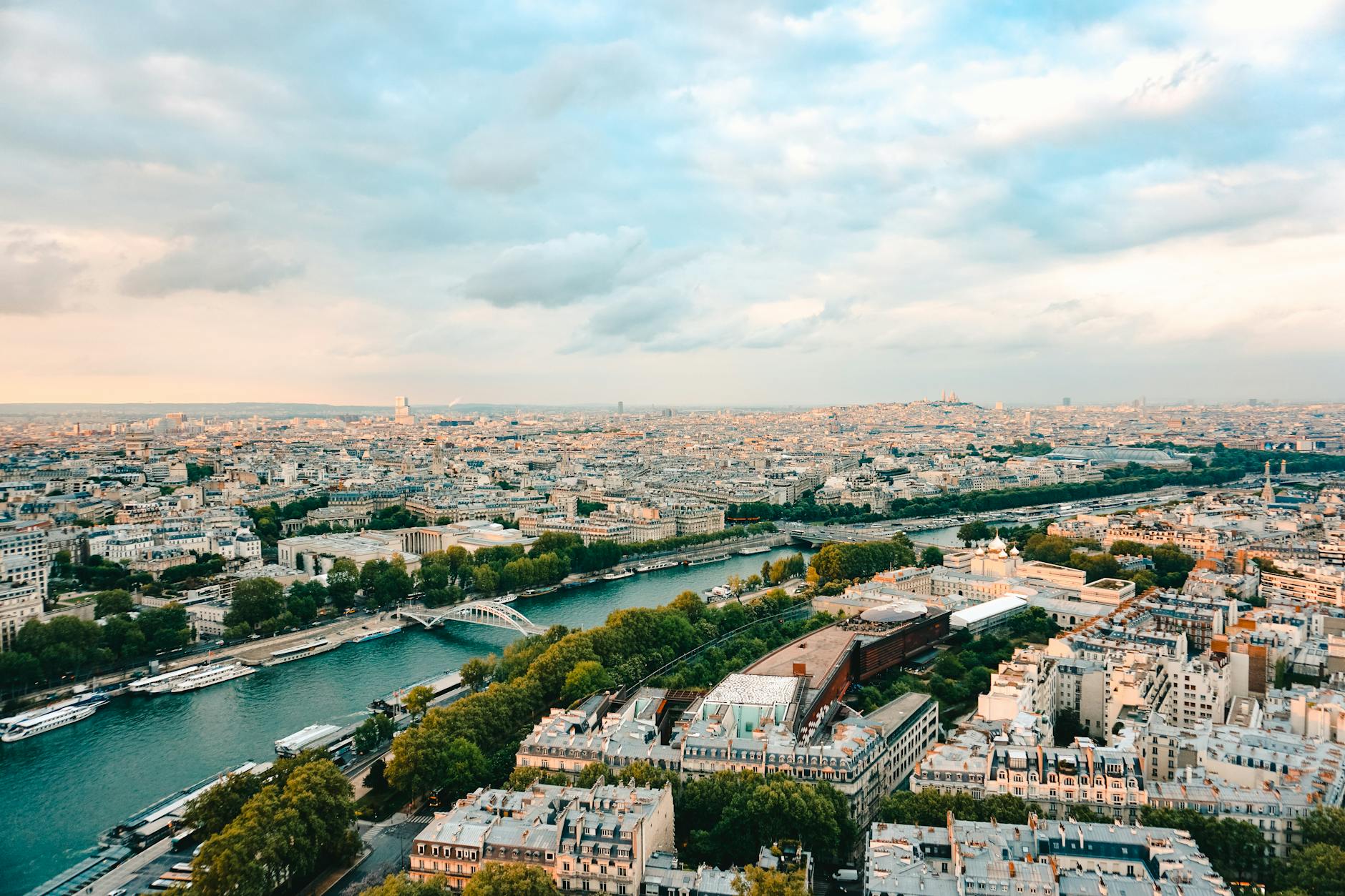
Paris is a city that needs no introduction yet always surprises. Beyond the postcard-perfect Eiffel Tower and the Louvre's glass pyramid, this is a city of hidden courtyards, corner bakeries where the croissants are still warm at 7 AM, and neighbourhood wine bars where the patron knows every customer by name. Each arrondissement has its own personality — from the bohemian energy of Montmartre to the intellectual hum of Saint-Germain-des-Prés, from the multicultural bustle of Belleville to the aristocratic calm of the Marais.
The best way to experience Paris is to slow down. Sit at a café terrace and watch the city unfold. Wander without a map through the Latin Quarter's medieval lanes. Linger in front of a painting at the Musée d'Orsay until you understand why the Impressionists changed art forever. Paris rewards patience and curiosity — the most magical moments happen when you turn down an unfamiliar street and discover a hidden garden, a crumbling façade covered in wisteria, or a boulangerie that makes the best pain au chocolat you've ever tasted.
Paris
Straddling the Seine in northern France, Paris has been the political, artistic, and culinary capital of Europe for centuries. Its 20 arrondissements spiral outward from the Île de la Cité, each neighbourhood a distinct village within the metropolis. Two to four days covers the highlights; a lifetime barely scratches the surface.
The essential sights and experiences
Champ de Mars, 7th arr. | €11–29
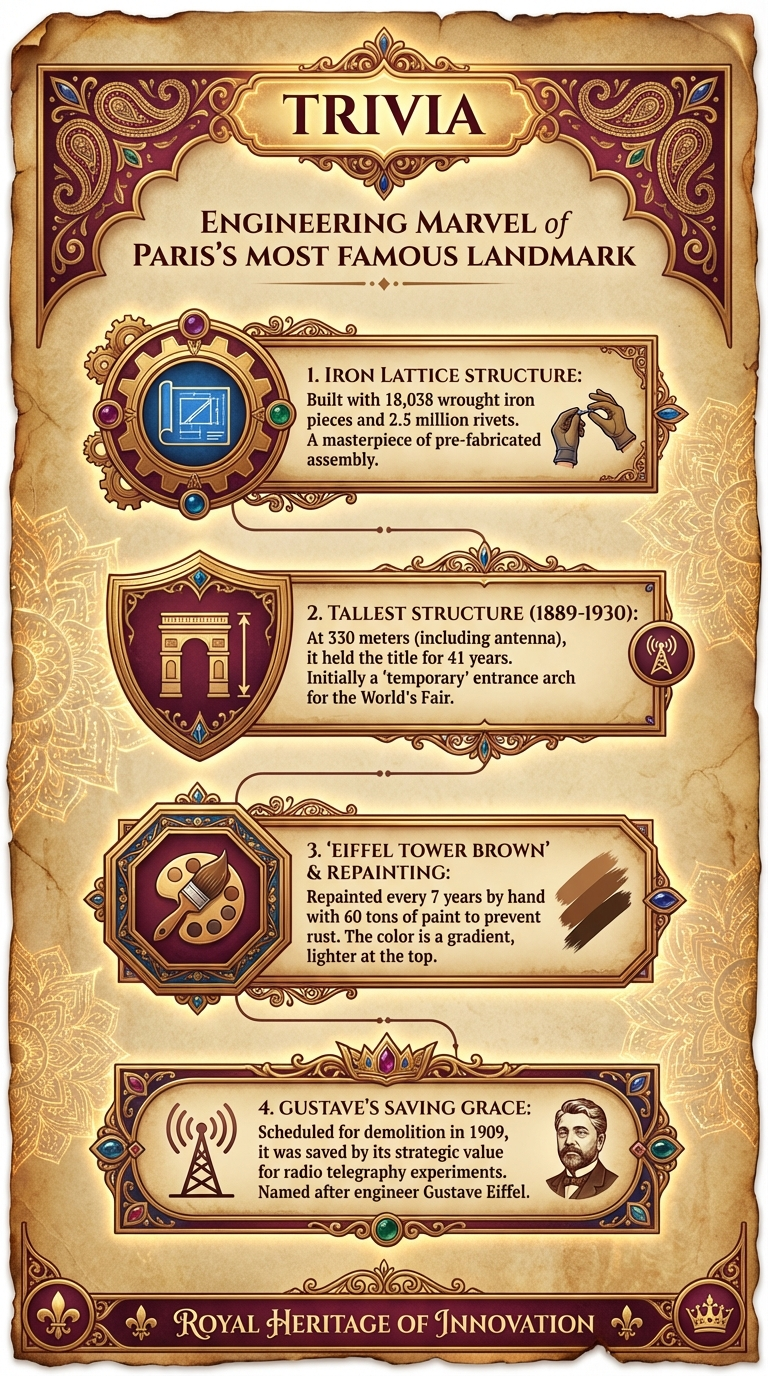
Gustave Eiffel's 1889 iron masterpiece. Visit at sunset for golden light, then stay for the hourly sparkle show.
Rue de Rivoli, 1st arr. | €22
The world's largest art museum: 380,000 works including the Mona Lisa, Venus de Milo, and Winged Victory.
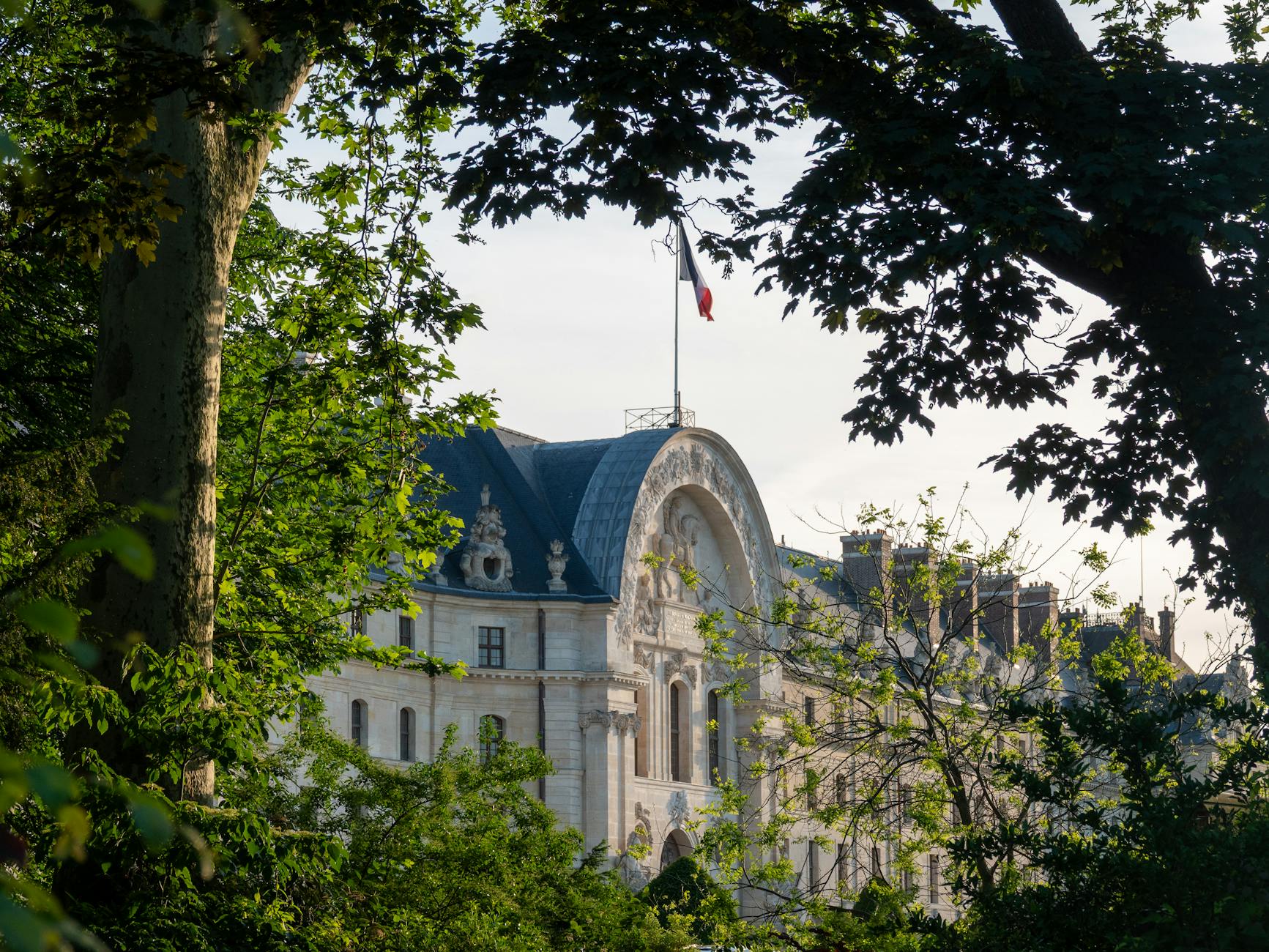
Rue de la Légion d'Honneur, 7th arr. | €16
Impressionist paradise in a Beaux-Arts railway station. Monet, Renoir, Degas, and Van Gogh under one roof.
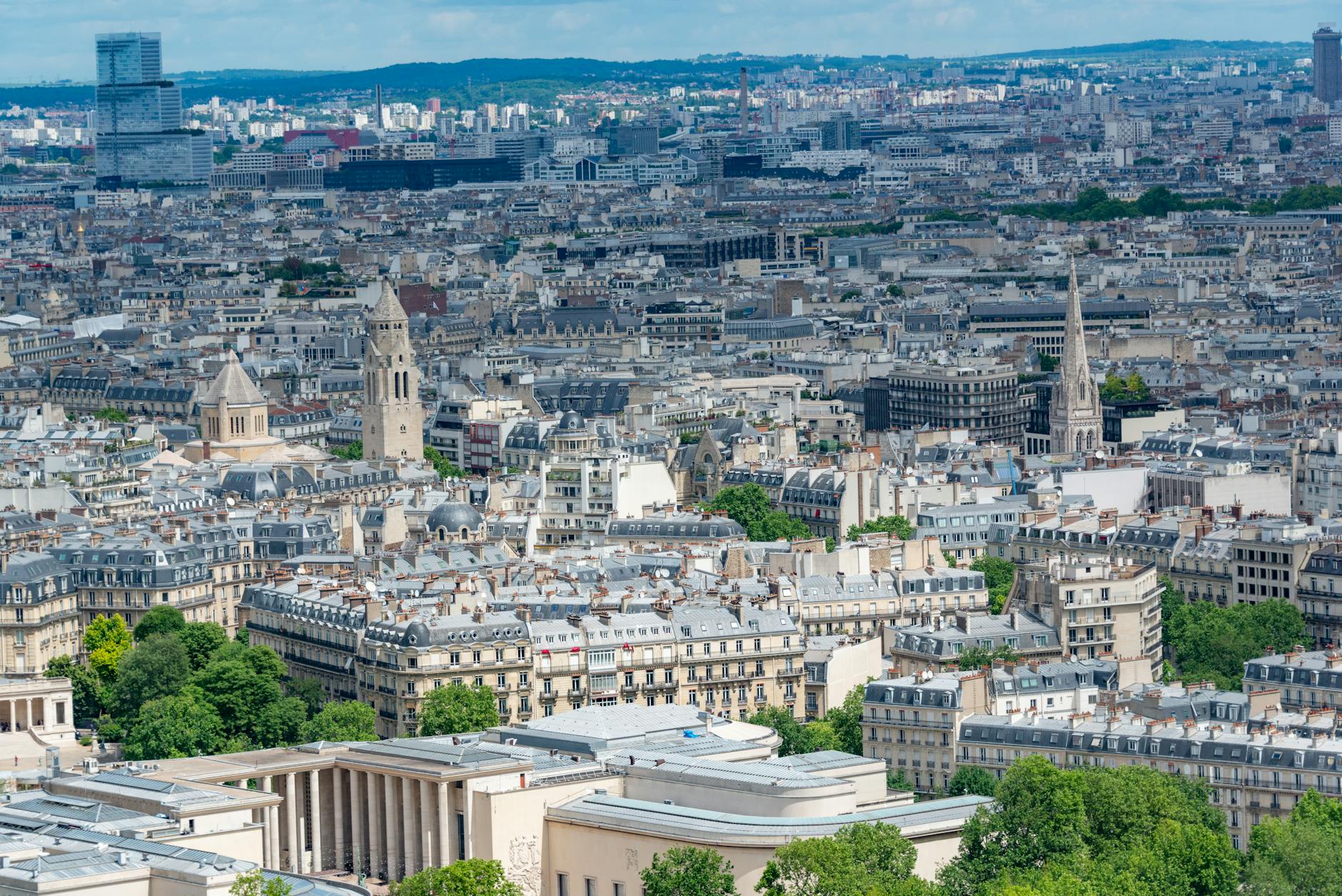
Île de la Cité, 4th arr. | Free (reopened 2024)
Gothic masterpiece rebuilt after the 2019 fire. The restored interior and new spire are breathtaking.
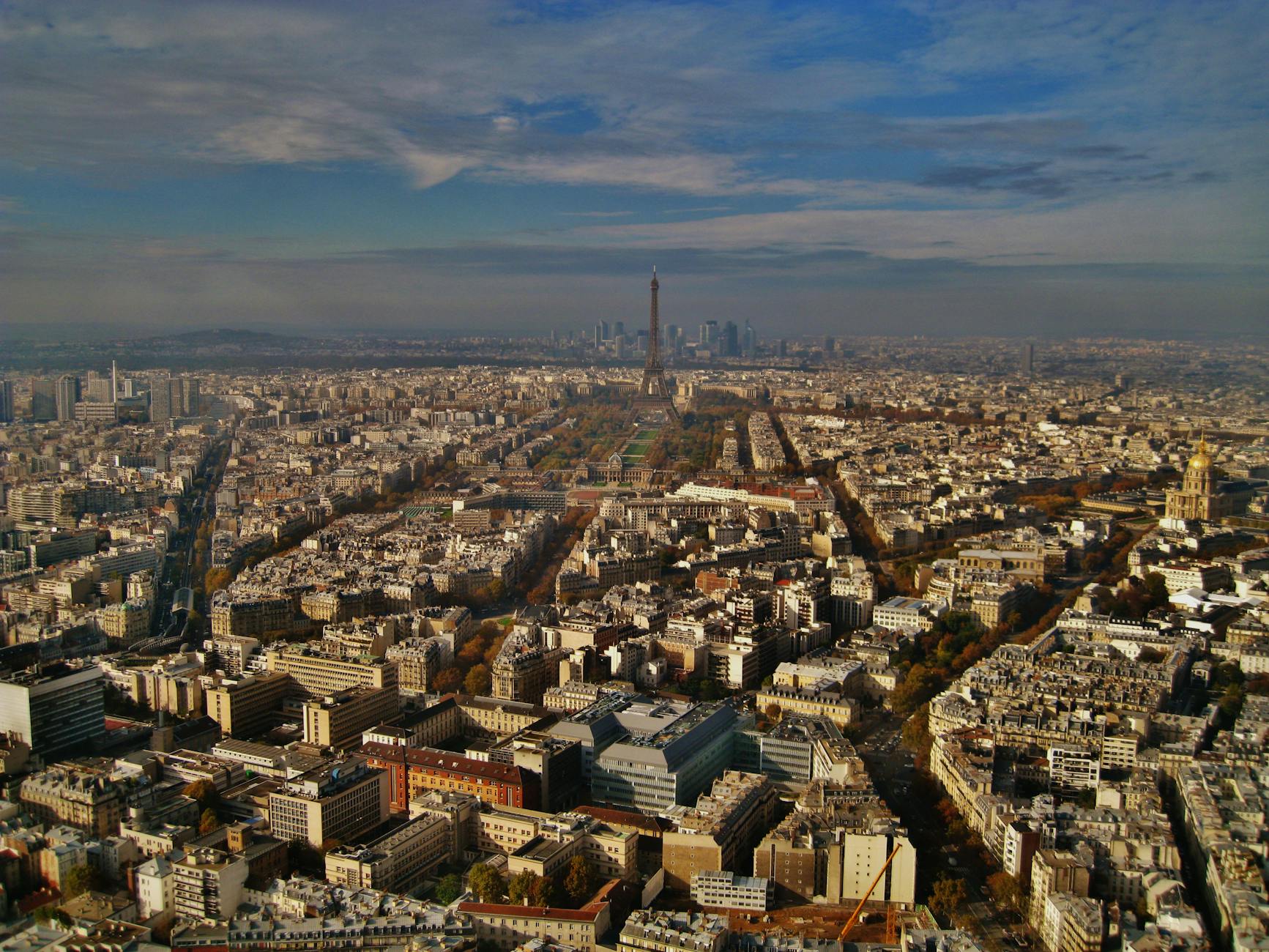
Montmartre, 18th arr. | Free
White-domed basilica atop Montmartre with panoramic views across the city. Best at sunrise.
20 km southwest | €21
Louis XIV's extravagant palace. The Hall of Mirrors and gardens are unforgettable. Go early on a weekday.
Tuileries Garden, 1st arr. | €12.50
Monet's eight monumental Water Lilies murals in two oval rooms designed by the artist himself.
Île de la Cité, 1st arr. | €11.50
13th-century Gothic chapel with 1,113 stained-glass panels that transform sunlight into liquid color.
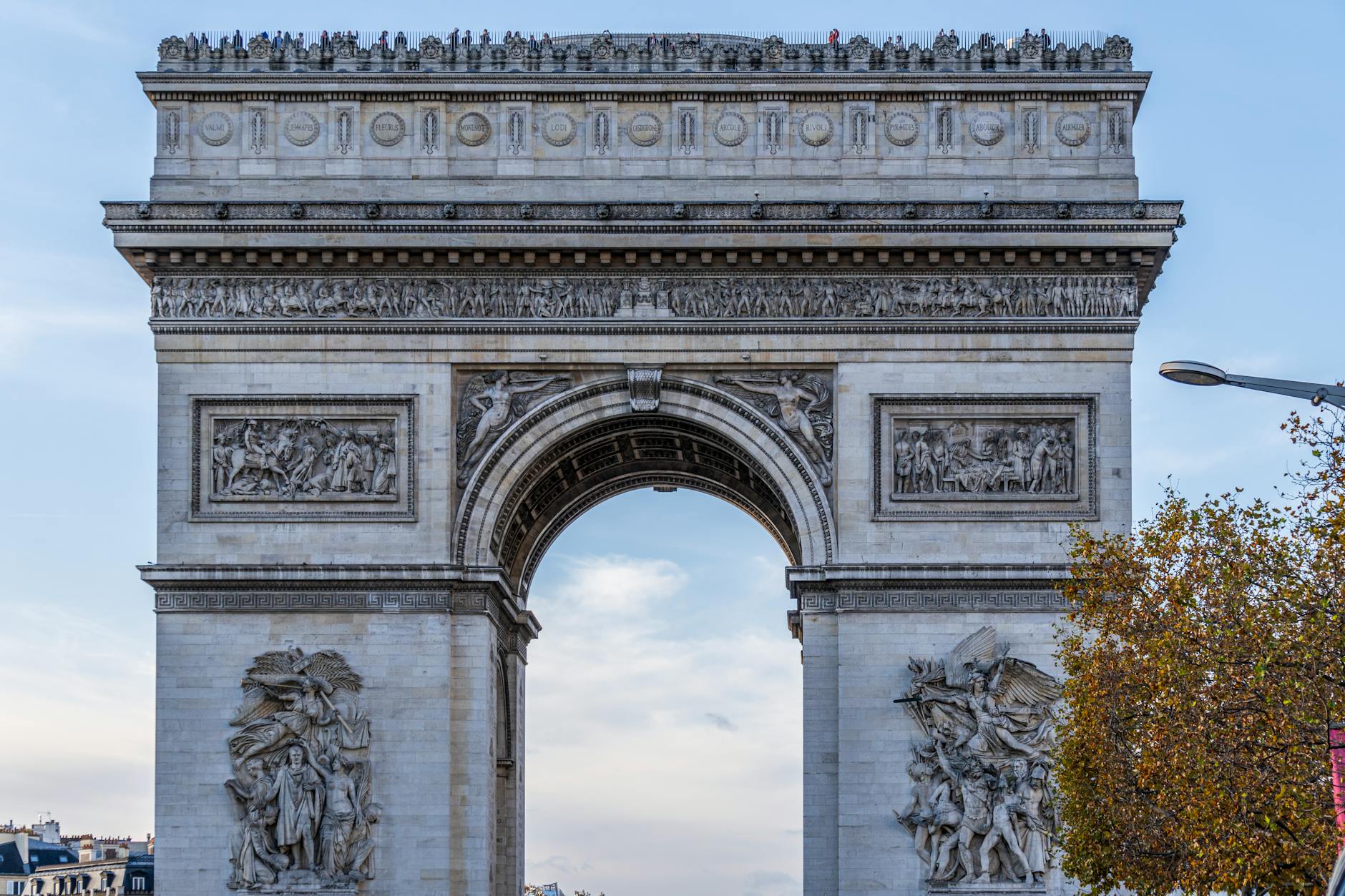
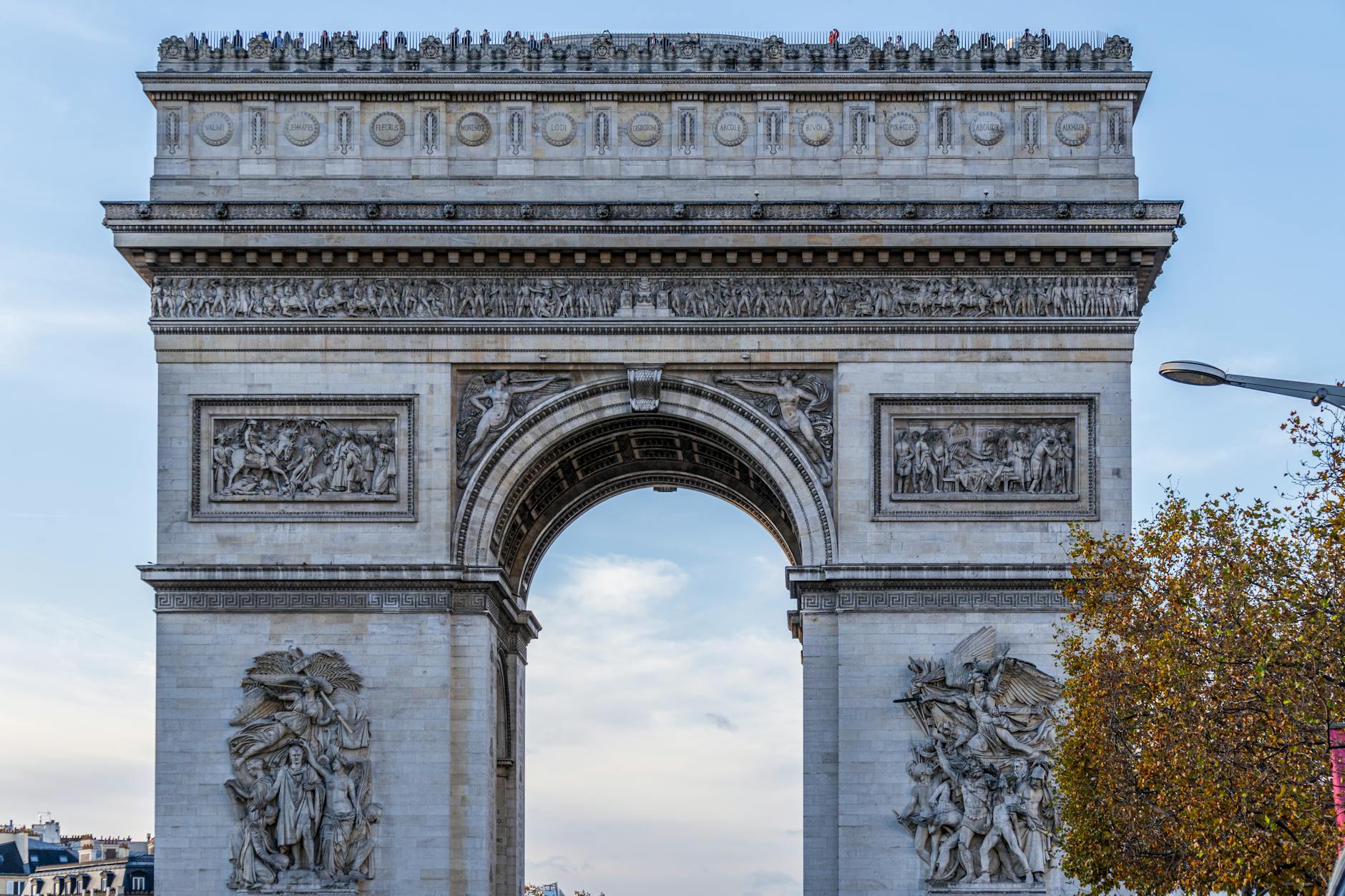
Place Charles de Gaulle, 8th arr. | €16
Napoleon's triumphal arch at the top of the Champs-Élysées. The rooftop offers the best avenue view in Paris.
Rue de Varenne, 7th arr. | €14
The Thinker, The Kiss, and Gates of Hell in a beautiful mansion garden. One of Paris's most romantic museums.
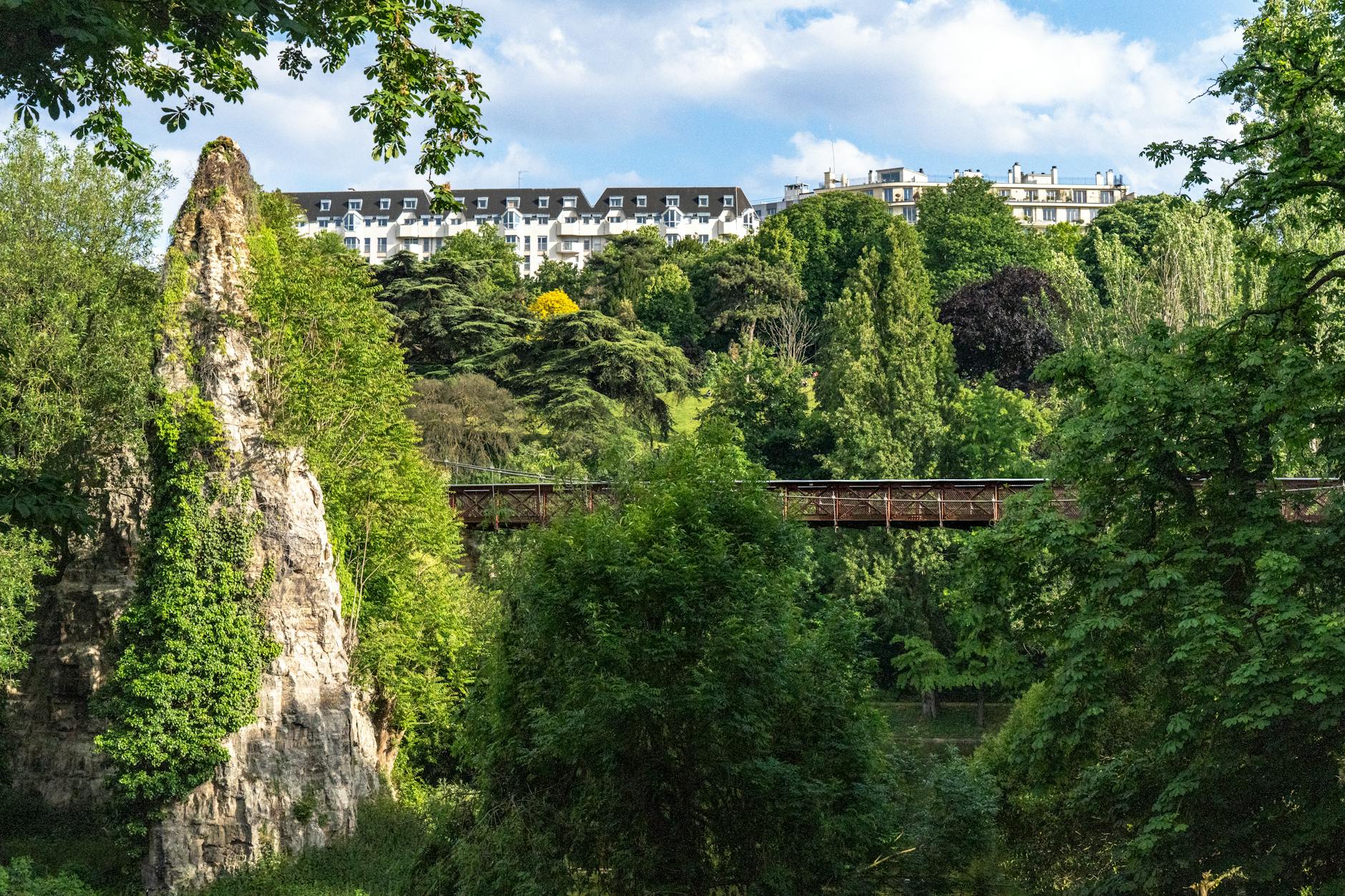
6th arr. | Free
Paris's most beloved park. Sailboats on the pond, chess players under the trees, and the perfect picnic spot.
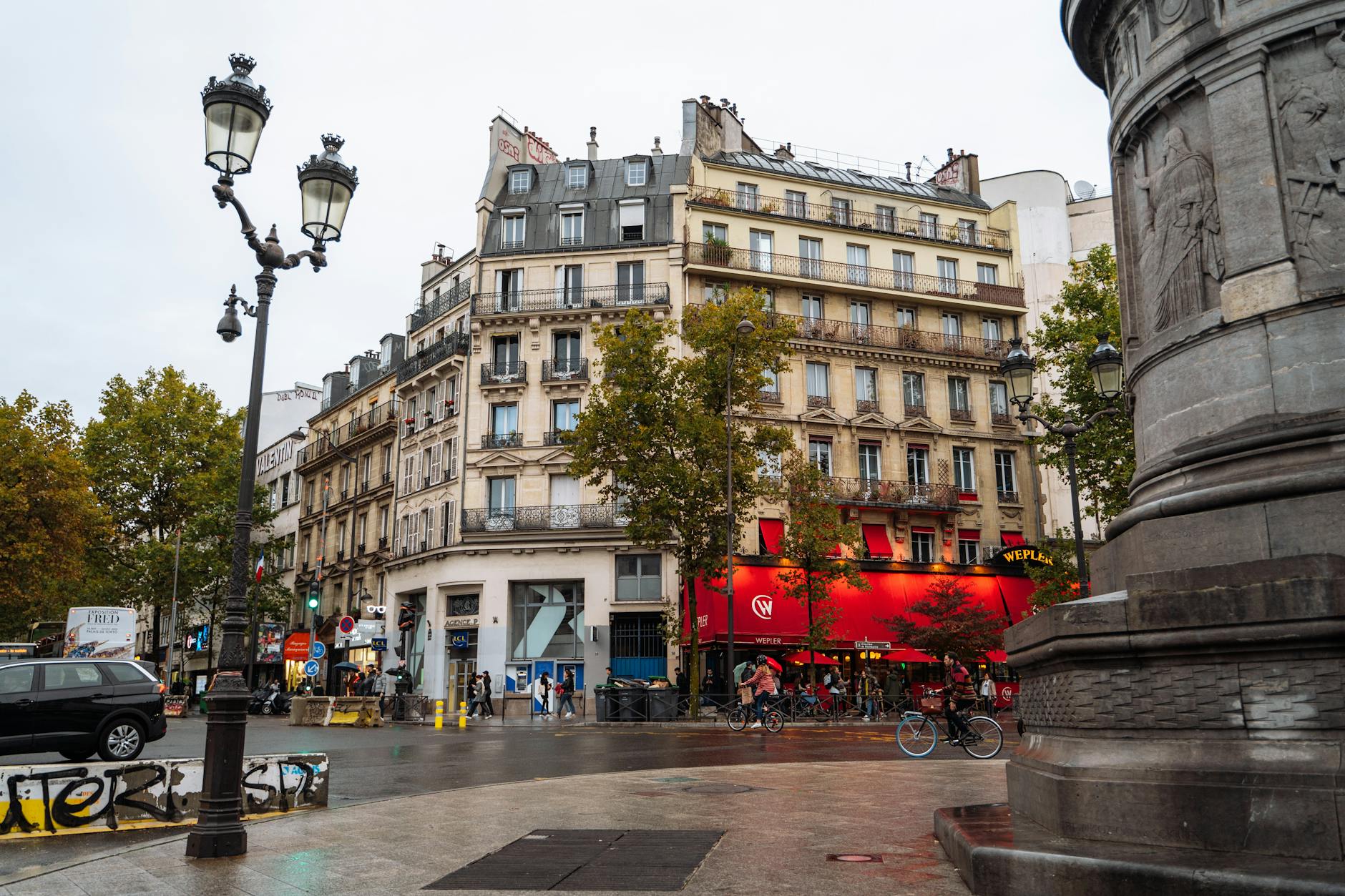
3rd & 4th arr. | Free
Medieval lanes now home to galleries, falafel joints, vintage shops, and the city's best people-watching.
20th arr. | Free
The world's most visited cemetery. Pay respects to Oscar Wilde, Jim Morrison, Édith Piaf, and Chopin.
Beaubourg, 4th arr. | €15
Inside-out modern art museum with works by Picasso, Kandinsky, and Duchamp. The rooftop terrace is free.
Various embarkation points | €15–18
A one-hour Bateaux Mouches cruise past illuminated monuments is pure Parisian magic after dark.
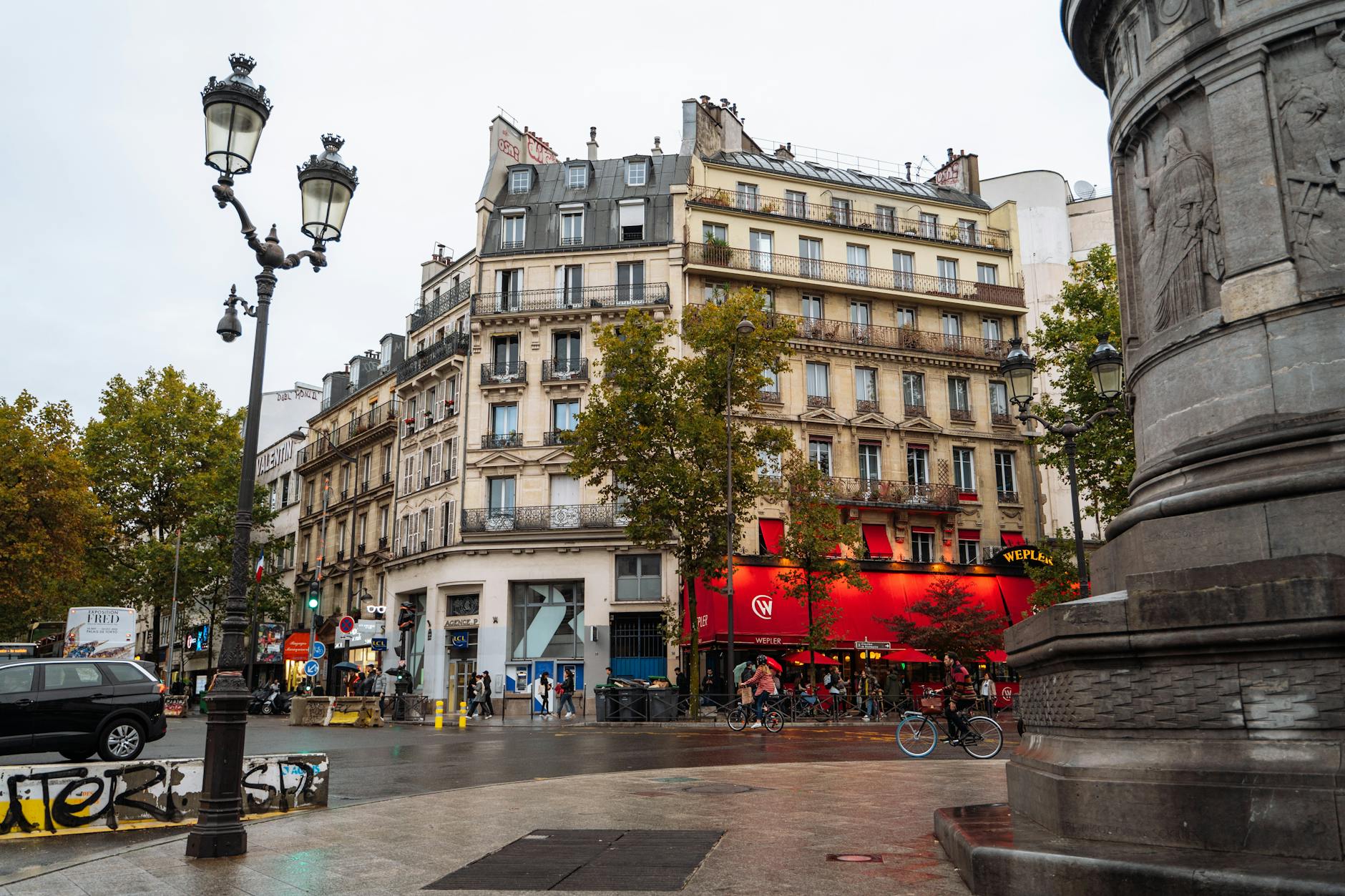
18th arr. | Free
Hilltop village of artists, cabarets, and cobblestone lanes. Visit Place du Tertre for portrait painters.
9th arr. | €15
The opulent opera house that inspired Phantom of the Opera. The Grand Staircase and Chagall ceiling are stunning.
Latin Quarter, 5th arr. | €12
Medieval art museum with the exquisite Lady and the Unicorn tapestries and Roman-era thermal baths.
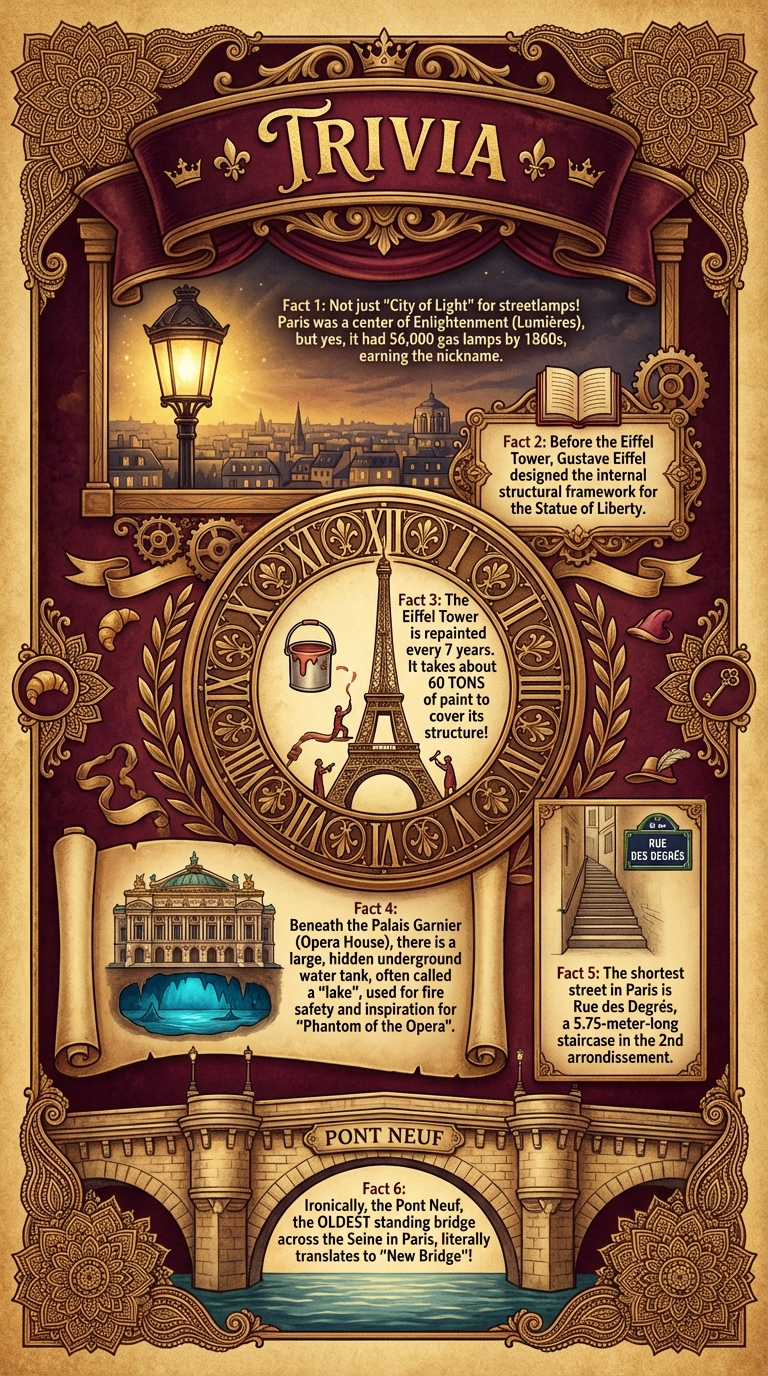
19. Canal Saint-Martin (10th arr., Free): Iron footbridges over a tree-lined canal. Bring a bottle of wine and join locals on the banks at sunset.
20. Shakespeare and Company (Rue de la Bûcherie, 5th arr., Free): The legendary English-language bookshop facing Notre-Dame. A literary pilgrimage since 1951.
Essential practical information
Credit cards accepted almost everywhere, even for small amounts. ATMs (distributeurs) are widespread. Tipping is not expected but rounding up is appreciated.
Paris is generally safe. Watch for pickpockets on the Métro, at the Eiffel Tower, and around Sacré-Cœur. Keep bags zipped and in front of you.
Parisians dress smart-casual. Dark colors, well-fitted clothes, and good shoes blend in. No dress code for churches, but cover shoulders.
Banned indoors since 2007 but very common on terraces. Non-smoking terraces exist but are rare.
France has a strong strike culture. Transport strikes can disrupt trains and Métro — check RATP.fr for service updates.
Many shops close on Sundays except in tourist areas (Le Marais, Champs-Élysées). Most restaurants are open.
Tap water is safe and free at restaurants (ask for "une carafe d'eau"). Sparkling green Wallace fountains provide free drinking water citywide.
Free public Sanisettes (self-cleaning toilets) are found throughout the city. Cafés require a purchase to use the restroom.
| Budget Level | Daily Cost | Includes |
|---|---|---|
| Budget | €80–120/day | Hostel, boulangerie lunches, picnic dinners, Métro |
| Mid-Range | €200–350/day | Boutique hotel, bistro lunches, restaurant dinners |
| Luxury | €500+/day | Palace hotel, Michelin dining, private guides |
Navigate the city like a local
Charles de Gaulle (CDG) is 25 km northeast. RER B to central Paris (€11.45, 35 min). Taxis cost a flat €56 to the Right Bank, €65 to the Left Bank. Orly is 18 km south (Orlyval + RER B, €14.10).
The backbone of Paris transit. 16 lines, 300+ stations. Runs 5:30 AM–12:40 AM (2:15 AM Fri–Sat). Cost: €2.15/ticket, €16.90/carnet of 10
Suburban express trains connecting airports, Versailles, and Disneyland to central Paris. Cost: €2.15–13.70
Scenic above-ground alternative. Line 69 passes most major monuments. Same tickets as Métro. Cost: €2.15/ticket
City bike-sharing system with 1,400 stations. Electric bikes available for hills like Montmartre. Cost: €3.10/day + €1–2/30 min
Taxis are metered (minimum €7.30). Uber and Bolt are widely available and often cheaper. Cost: €1.10–1.60/km
When to go and what to expect
Spring perfection (12–22°C). Cherry blossoms, long daylight hours, and manageable crowds. Café terraces reopen. Best season overall.
Warm (20–30°C) and busy with tourists, but many Parisians leave. Paris Plages transforms the Seine banks into beaches. Some shops close for congés annuels.
Autumn brings golden light, wine harvest season, and la rentrée (back-to-school energy). Crowds thin. Excellent for museums and bistros.
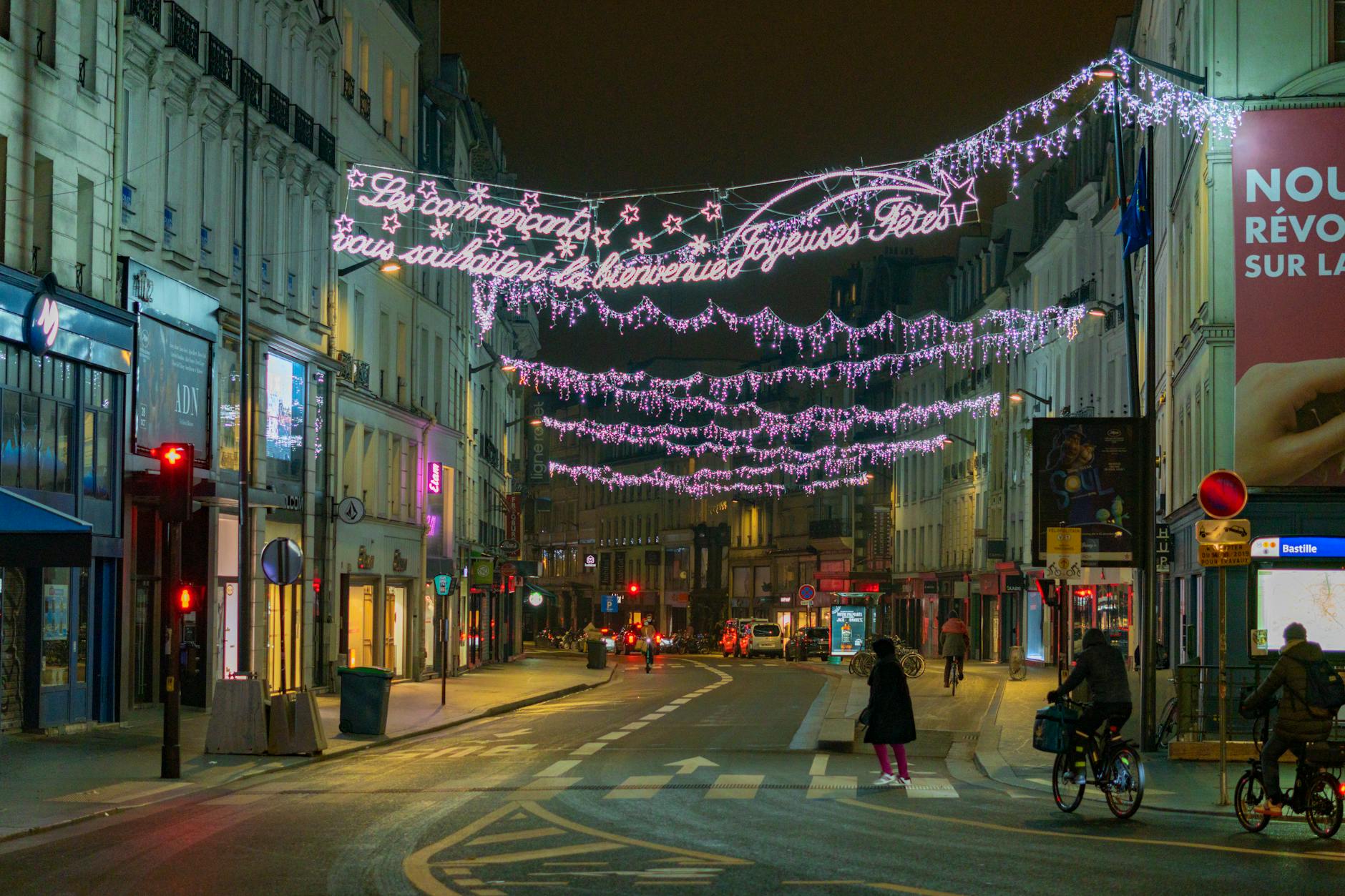
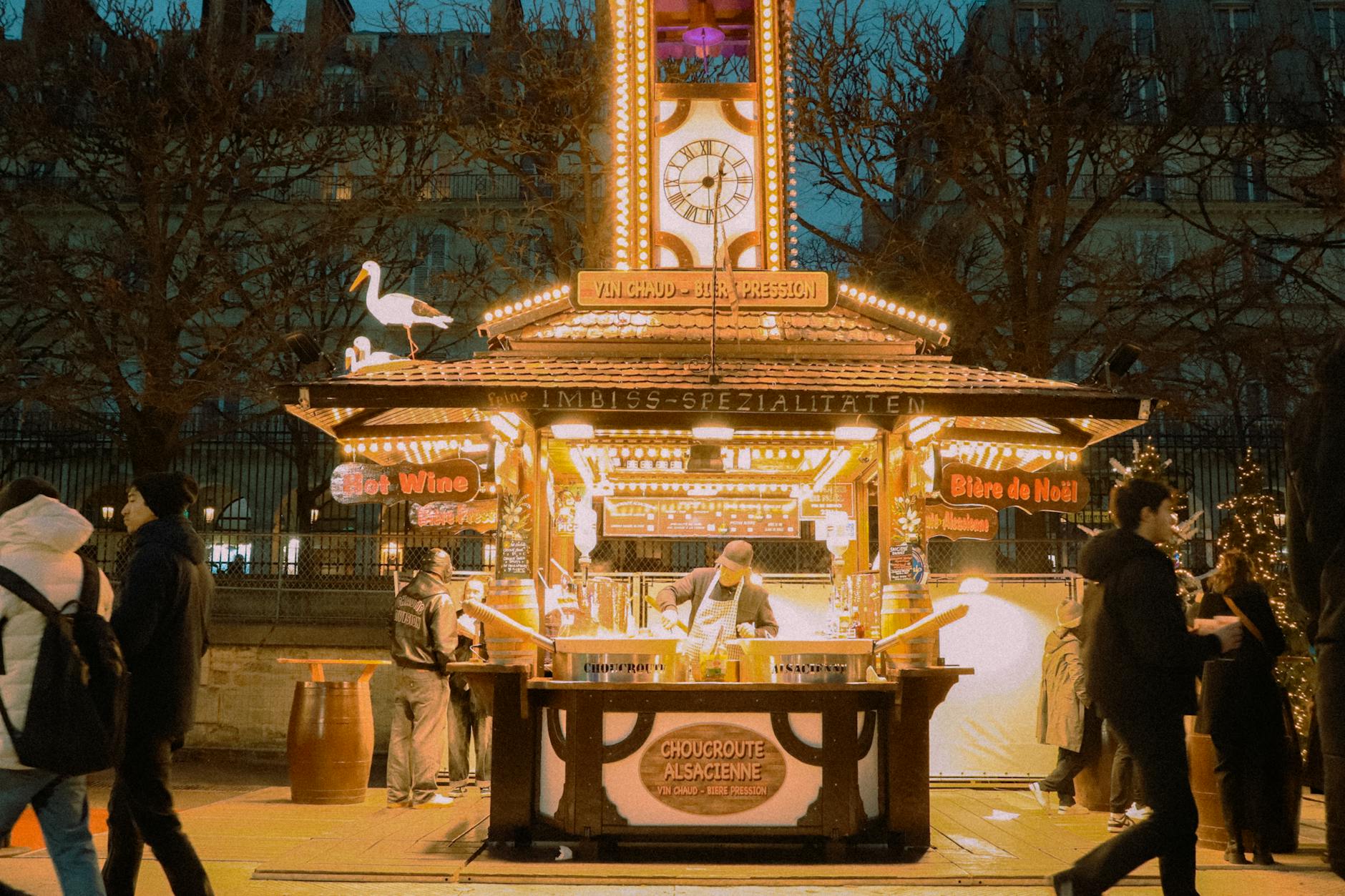
Cold (2–10°C) but magical. Christmas markets, fewer tourists, and cozy wine bars. January sales (soldes) offer 50–70% discounts at boutiques.
Paris — best experienced in April–June, September–OctoberMake the most of your time
Extended stays and themed routes
Add a day trip to Versailles (palace and gardens) and a full day exploring the Canal Saint-Martin, Père Lachaise Cemetery, and the Belleville neighbourhood for local Parisian life.
Include Sainte-Chapelle, the Palais Garnier opera house, the Rodin Museum, a cooking class in Le Marais, and a day trip to Giverny to see Monet's gardens (Apr–Oct).
Kids love the Jardin d'Acclimatation amusement park (€6), the Natural History Museum's Grande Galerie de l'Évolution (free under 26), and the crepe stands along Rue Montfetard.
Book a market tour at Marché d'Aligre, take a pastry class at Le Cordon Bleu, eat at a Michelin-starred bistro like Le Rigmarole, and finish with a wine-and-cheese evening in a cave à manger.
Where 800 years of Paris history live on every street corner
Medieval Charm Meets Modern Cool
Le Marais is Paris's most enchanting neighbourhood — a tangle of medieval lanes that escaped Haussmann's 19th-century demolitions. Once the aristocratic heart of Paris, then the Jewish quarter, it's now the city's trendiest area: a mix of 17th-century mansions (hôtels particuliers) housing world-class museums, independent boutiques, LGBTQ+ bars, and some of the best falafel outside the Middle East. Every corner reveals another architectural gem, from the perfectly symmetrical Place des Vosges to the ornate Hôtel de Sully.
The Marais is best explored on foot and without a plan. Start at the Musée Picasso, wander down Rue des Francs-Bourgeois past vintage shops, pause for falafel on Rue des Rosiers, and end at Place des Vosges — Paris's oldest planned square. By night, the bars around Rue Vieille du Temple and Rue des Archives buzz with locals and visitors alike.
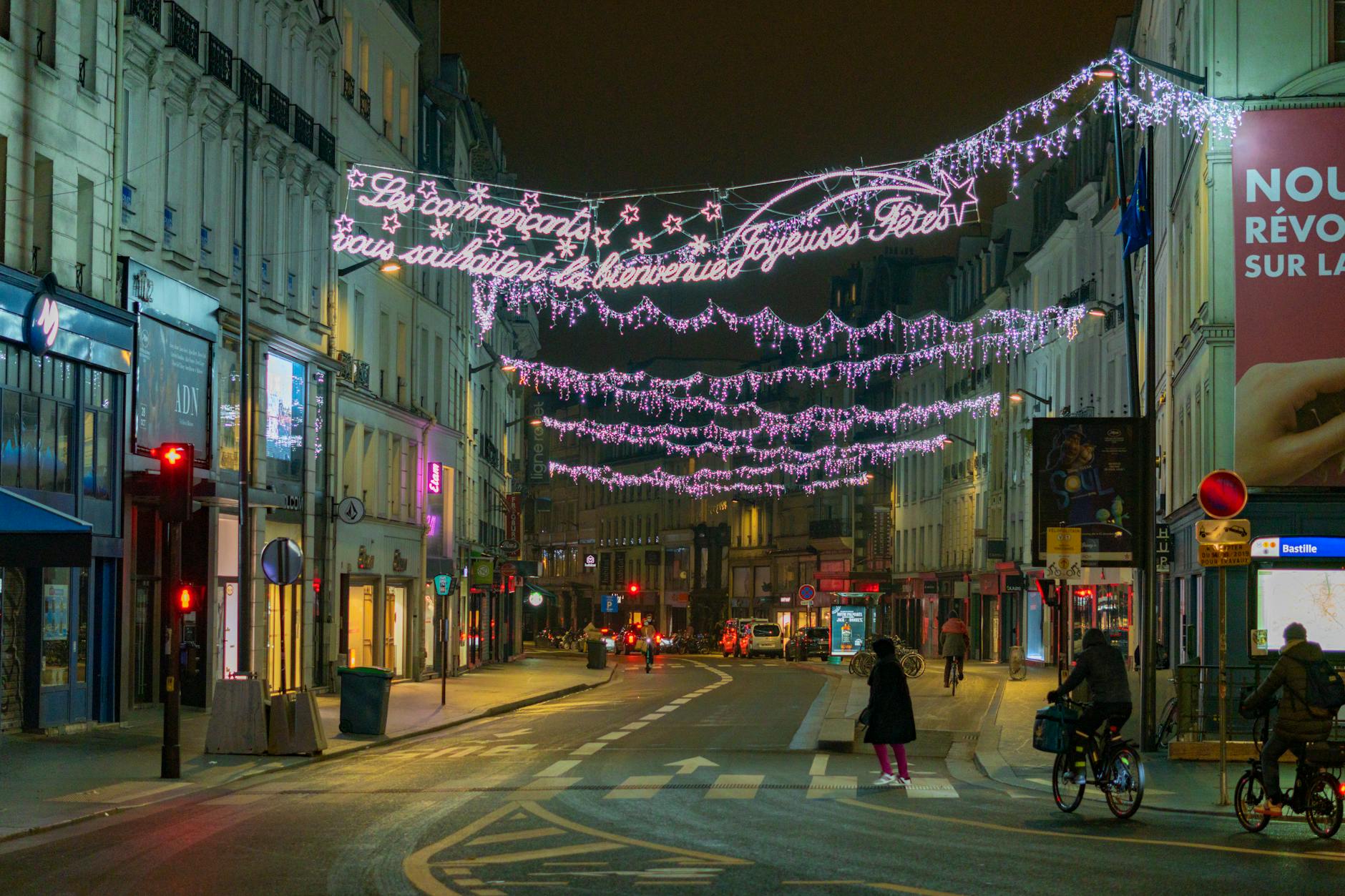
Where to eat in Le Marais (3rd & 4th)
L'As du Fallafel (€8–12): The legendary falafel on Rue des Rosiers — expect a queue but it moves fast.
Chez Janou (€25–45): Provençal bistro famous for its giant bowl of chocolate mousse.
Breizh Café (€12–20): Exceptional Breton crêpes and galettes with artisanal cider.
Shopping: Merci concept store (Boulevard Beaumarchais), vintage at Kilo Shop, and independent designers on Rue de Turenne. The Marais is Paris's best browsing neighbourhood.


The neighbourhood where existentialism was born over espresso
Literary Paris
Saint-Germain is where Sartre and Beauvoir debated existentialism at Café de Flore, where Hemingway wrote at Les Deux Magots, and where the jazz age found its Parisian home. Today it remains the intellectual heart of the Left Bank — a neighbourhood of independent bookshops, art galleries, elite universities, and some of the city's finest restaurants. The architecture is pure Haussmannian elegance, all limestone façades and zinc rooftops.
Beyond the famous cafés, Saint-Germain rewards exploration. Browse the antique dealers on Rue Jacob, discover tiny galleries on Rue de Seine, or lose an afternoon in the Luxembourg Gardens watching children sail toy boats on the Grand Bassin. The food scene is exceptional — from Pierre Hermé's macarons to classic bistros serving duck confit and burgundy.
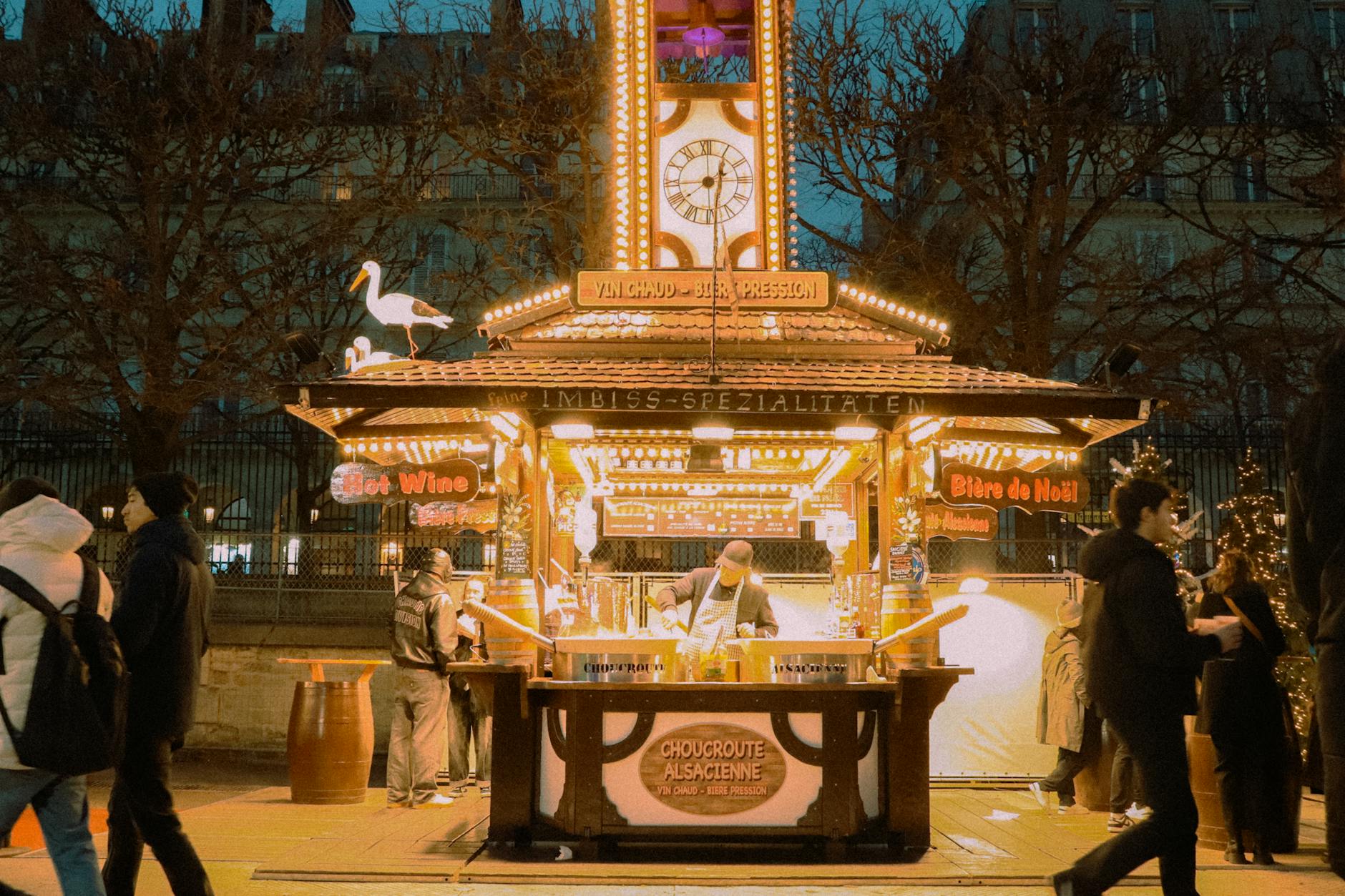
Where to eat in Saint-Germain-des-Prés (6th)
Café de Flore (€15–25): The intellectual café par excellence. Order a croque-monsieur and soak up the literary atmosphere.
Hûitre et Saumon (€20–35): Outstanding oyster bar for a quick, elegant lunch.
Polidor (€15–25): Where Hemingway, Joyce, and Verlaine ate. Classic French comfort food since 1845.
Shopping: Le Bon Marché (Paris's oldest department store), Cire Trudon candles (since 1643), and rare books at bouquinistes along the Seine.


The bohemian hilltop where modern art was born
The Village on the Hill
Montmartre still feels like the village it once was — a hilltop enclave of steep stairways, ivy-covered cottages, and cobblestone lanes where Picasso, Monet, and Toulouse-Lautrec once painted. The white dome of Sacré-Cœur crowns the butte, offering panoramic views that stretch to the horizon on clear days. Despite the tourist crowds around Place du Tertre, authentic Montmartre survives in the quiet lanes behind the basilica and the local market on Rue Lepic.
Start your visit early (before 9 AM) to beat the crowds at Sacré-Cœur. Then wander through the side streets: visit the tiny vineyard (Clos Montmartre), peek into the Musée de Montmartre where Renoir painted, and stop for coffee at La Maison Rose — the pink house that's one of Paris's most photographed buildings. The evening scene around Place Pigalle has evolved from its sleazy past into a trendy bar and live music district.
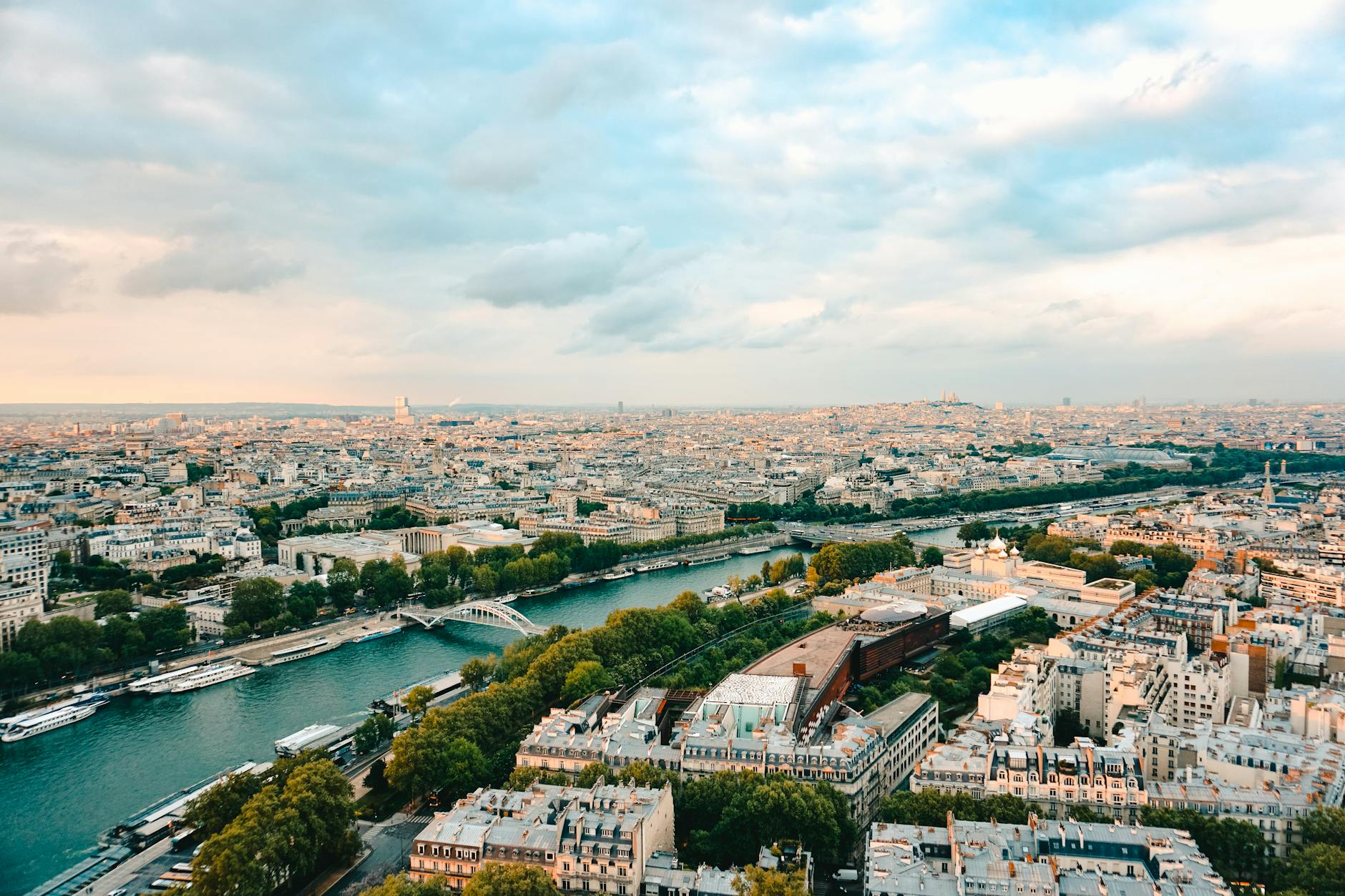
Where to eat in Montmartre (18th)
Le Consulat (€15–25): Postcard-perfect corner café with classic French dishes and a terrace on the cobblestones.
Le Coq Rico (€30–60): Rotisserie specialist by chef Antoine Westermann. The whole roast chicken is legendary.
Soul Kitchen (€10–15): Affordable organic lunch spot loved by locals, hidden on a quiet side street.
Nightlife: Le Moulin Rouge (cabaret from €87), Le Divan du Monde (live music), and the cocktail bars of South Pigalle ('SoPi') on Rue Frochot.


What to eat and where to find it
Paris is the undisputed capital of gastronomy. From Michelin-starred temples to corner boulangeries, food is taken seriously here — and the quality shows. The French meal is a ritual: bread is never buttered (except at breakfast), wine is chosen to complement the dish, and cheese always comes before dessert. Don't rush it. The greatest pleasure of Parisian dining is the conversation, the wine, and the slow unfolding of a perfectly composed menu.
Croissant au Beurre (€1.20–1.80): The gold standard of morning pastries. A great croissant is flaky, buttery, and slightly golden — never pale or doughy.
Steak Frites (€15–25): The quintessential bistro dish: bavette or entrecote with hand-cut fries and béarnaise sauce.
Croque-Monsieur (€8–14): Grilled ham and Gruyère sandwich with béchamel. Add a fried egg on top for a croque-madame.
Duck Confit (€18–28): Slow-cooked duck leg, crispy-skinned and tender, served with sautéed potatoes. A southwestern French classic.
Soupe à l'Oignon (€8–14): Rich onion soup gratineed with Gruyère and crusty bread — the ultimate cold-weather comfort food.
Escargots (€10–18): Burgundy snails baked in garlic-parsley butter. Sounds daunting, tastes extraordinary.
Crème Brûlée (€8–12): The crack of the caramelized sugar crust is one of the great sounds of French dining.
Macaron (€2–3 each): Pierre Hermé and Ladurée compete for the title. Try the seasonal flavors.
Best restaurants, markets, and street food
Le Comptoir du Panthéon (€15–25): Perfect Left Bank bistro. The prix fixe lunch is outstanding value.
Bouillon Chartier (€15–25): Stunning Belle Époque dining room serving classic French dishes at worker's prices since 1896.
Le Rigmarole (€40–70): One Michelin star, inventive Franco-Japanese cuisine. Book well ahead.
Chez L'Ami Jean (€35–55): Basque-influenced bistro with legendary rice pudding. Noisy, packed, and wonderful.
Rue Montorgueil (2nd arr.): Pedestrian market street with fromageries, patisseries, and oyster bars. The best open-air food browsing in Paris.
Marché d'Aligre (12th arr.): Paris's most authentic market. Arrive before 10 AM for the best produce and African/Middle Eastern specialties.
Rue des Rosiers (Le Marais): The falafel strip — L'As du Fallafel vs. Mi-Va-Mi is Paris's greatest food rivalry.


Understanding the story of Paris
Paris was founded as Lutetia by the Parisii, a Celtic tribe, on the Île de la Cité around 250 BC. The Romans conquered it in 52 BC, building baths and an amphitheater. After the fall of Rome, Clovis I made Paris the capital of the Frankish Kingdom in 508 AD. The medieval city grew around Notre-Dame Cathedral (begun 1163) and the Sorbonne university (founded 1257). The Renaissance brought the Louvre palace, the Revolution of 1789 destroyed the old order, and Napoleon transformed Paris into a modern imperial capital with the Arc de Triomphe and grand boulevards.
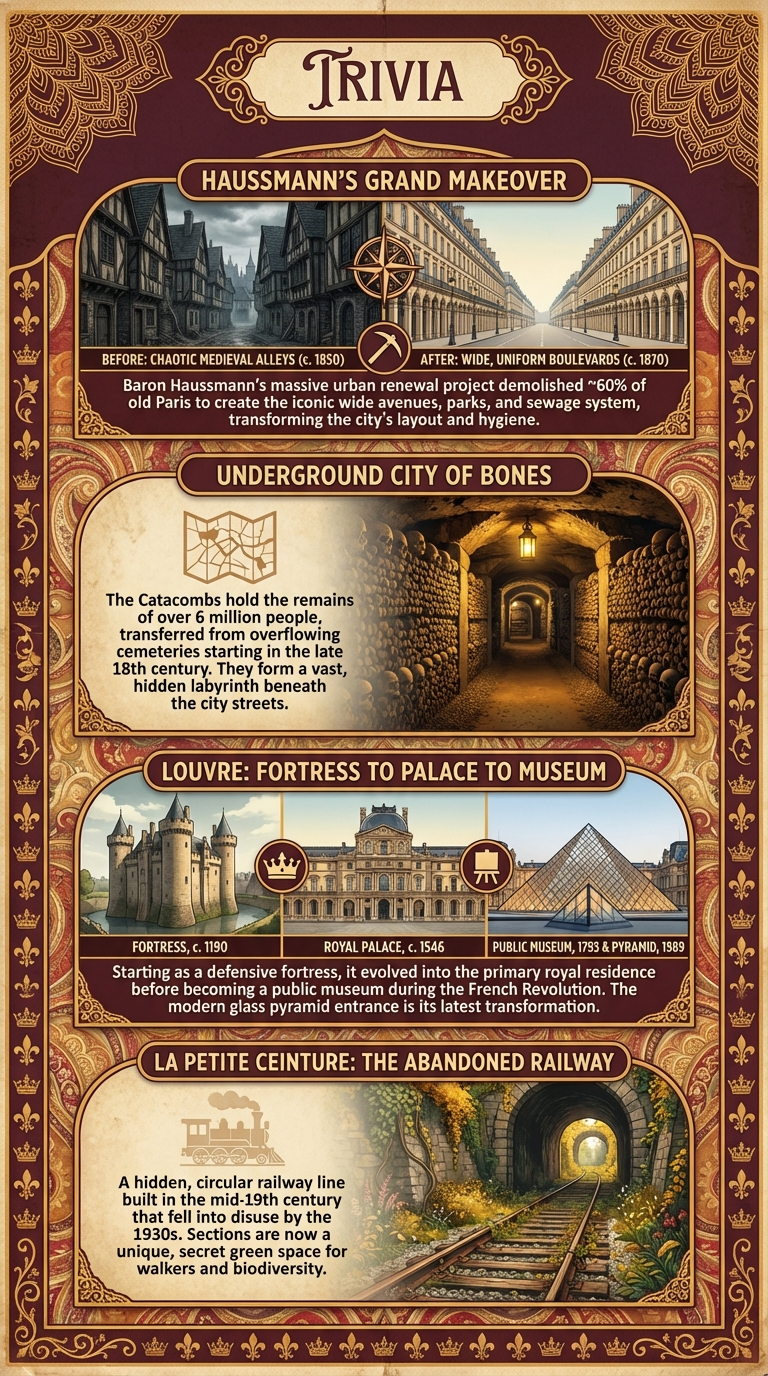
Baron Haussmann's 19th-century renovation created the Paris we know today — wide boulevards, uniform limestone buildings, and grand parks. The Belle Époque (1871–1914) saw the construction of the Eiffel Tower, the Métro, and the great department stores. Paris survived two World Wars largely intact (the Germans occupied but didn't destroy it). Post-war Paris became the world capital of existentialism, fashion, and cinema. Today, projects like the restored Notre-Dame and the Grand Paris Express metro expansion carry the city's tradition of bold reinvention into the 21st century.
Parisian culture revolves around art, food, and conversation. The aperó (pre-dinner drinks and small bites) is a daily ritual, typically at a café terrace between 6 and 8 PM. La révolution culturelle continues with events like Nuit Blanche (all-night art festival in October), Fête de la Musique (free concerts citywide on June 21), and Fashion Weeks that make Paris the world's style capital. Cinema is sacred — Paris has more independent cinemas per capita than any city on earth.
Excursions from Paris
Paris is the hub of France's high-speed TGV network, putting much of the country within day-trip range.
Louis XIV's extravagant palace and gardens. The Hall of Mirrors, Marie Antoinette's hamlet, and 800 hectares of gardens. Entry: €21
Monet's house and the water lily gardens that inspired his greatest paintings. Open April to October. Entry: €11
Tour the cellars of Moët & Chandon, Veuve Clicquot, and Taittinger. The Reims Cathedral is stunning. Entry: €20–40 tastings
The dramatic tidal island abbey off the Normandy coast. A long day trip but unforgettable. Entry: €11

Practical information from A to Z
Wine, beer, and spirits are widely available. Legal drinking age is 18. Wine bars (caves à manger) are the best places to discover French wine.
Widely available. Most accept international cards. Notify your bank of travel to avoid blocks. BNP Paribas and Société Générale have the most ATMs.
Hôpital Hôtel-Dieu (near Notre-Dame) has an emergency ward. European Health Insurance Card (EHIC) covers EU citizens. Others need travel insurance.
230V/50Hz, Type C/E plugs (two round pins). Bring an adapter if coming from the UK/US.
Free Wi-Fi at most cafés, hotels, and on the Métro. Orange, SFR, and Free offer tourist SIMs from €20.
Paris is one of Europe's most LGBTQ+-friendly cities. The Marais is the historic gay neighbourhood. Same-sex marriage has been legal since 2013.
La Poste offices are found in every arrondissement. Yellow mailboxes for domestic, blue for international.
Each neighbourhood has a twice-weekly open market. Marché d'Aligre (12th), Marché Bastille (11th), and Marché Raspail Bio (6th, organic) are the best.
Most museums closed Tuesdays or Mondays. Free for EU residents under 26. First Sunday of the month is free at many museums.
Green cross signs. At least one open 24/7 per arrondissement. Pharmacie des Champs-Élysées (84 Ave des Champs-Élysées) is open 24/7.
Air quality varies. Crit'Air vignette required for vehicles. Paris regularly restricts traffic on high-pollution days.
Banned indoors. Common on terraces. E-cigarettes are popular.
VAT (TVA) of 20% is included in displayed prices. Non-EU visitors can claim tax refunds on purchases over €100 at a single store.
Service is included (service compris) by law. Rounding up or leaving €1–2 for good service is appreciated but never expected.
Free Sanisette self-cleaning toilets on most major streets. Department stores and museums have clean restrooms.
Getting to and around Paris
From CDG Airport: RER B to central Paris (€11.45, 35 min). Taxis: flat rate €56 (Right Bank) / €65 (Left Bank). Avoid shuttle touts in the arrivals hall.
From Orly Airport: Orlyval + RER B (€14.10, 40 min). Tram T7 to Villejuif then Métro 7 is cheaper (€4.30).
Within Paris: The Métro is the fastest way around. Buy a carnet of 10 tickets or a Navigo weekly pass. Cycling on Vélib' is lovely along the Seine.
| Mode | Details | Cost |
|---|---|---|
| Métro | The backbone of Paris transit. 16 lines, 300+ stations. Runs 5:30 AM–12:40 AM (2:15 AM Fri–Sat). | €2.15/ticket, €16.90/carnet of 10 |
| RER | Suburban express trains connecting airports, Versailles, and Disneyland to central Paris. | €2.15–13.70 |
| Bus | Scenic above-ground alternative. Line 69 passes most major monuments. Same tickets as Métro. | €2.15/ticket |
| Vélib' Bikes | City bike-sharing system with 1,400 stations. Electric bikes available for hills like Montmartre. | €3.10/day + €1–2/30 min |
| Taxi/Uber | Taxis are metered (minimum €7.30). Uber and Bolt are widely available and often cheaper. | €1.10–1.60/km |
Essential phrases for travelers
French is the language of Paris, and making an effort is deeply appreciated. Start every interaction with "Bonjour" — it's the single most important word in French social life. Most Parisians under 40 speak some English, but a few French phrases will transform your experience.
| English | French |
|---|---|
| Hello / Good day | Bonjour |
| Good evening | Bonsoir |
| Thank you | Merci |
| Please | S'il vous plaît |
| Excuse me | Excusez-moi |
| Yes / No | Oui / Non |
| How much? | C'est combien ? |
| The bill, please | L'addition, s'il vous plaît |
| Where is...? | Où est... ? |
| I don't understand | Je ne comprends pas |
| Do you speak English? | Parlez-vous anglais ? |
| Cheers! | Santé ! |
| Delicious | Délicieux |
| Goodbye | Au revoir |
| Water | De l'eau |
Our favourite experiences in Paris
Sacré-Cœur Steps
All of Paris glows golden as the sun rises over the rooftops from Montmartre
Pont Alexandre III
The most ornate bridge in Paris frames the Eiffel Tower and Invalides in golden light
Bouillon Chartier
Stunning 1896 dining room serving French classics at astonishingly low prices
L'As du Fallafel
The falafel on Rue des Rosiers is Paris's greatest €8 meal
Le Meurice
Overlooking the Tuileries, this palace hotel defines Parisian grandeur
Notre-Dame Cathedral
Rebuilt after the 2019 fire, the restored cathedral is more beautiful than ever
Musée de la Chasse
A gloriously eccentric hunting museum in a Le Marais mansion that few tourists visit
Pont de Bir-Hakeim
The two-level bridge with the Eiffel Tower framed between its pillars is iconic
Le Bon Marché
Paris's most elegant department store, with the spectacular Grande Épicerie food hall
Père Lachaise Cemetery
A haunting walk among the graves of Oscar Wilde, Chopin, and Jim Morrison
Everything you need for Paris
Travorea creates comprehensive, beautifully designed travel guides that combine insider knowledge with practical information. Our guides are crafted to help you experience destinations like a local, not just a tourist.
This premium guide to Paris was researched and written to give you everything you need for an unforgettable trip. All prices and information were verified at the time of writing (2026) but may change — always confirm locally.
All photographs in this guide are sourced from free-to-use image libraries (Pexels, Unsplash) and original Travorea photography. Infographics are original Travorea creations.
Visit us at www.travorea.com for more destinations, interactive trip planners, and the latest travel tips.
Explore More Guides
Visit www.travorea.com/ebooks for premium guides to 50+ destinations worldwide.
The City of Light