
Abode of Lord Jagannath
Where the divine Rath Yatra rolls and the Bay of Bengal washes the feet of the faithful
Abode of Lord Jagannath
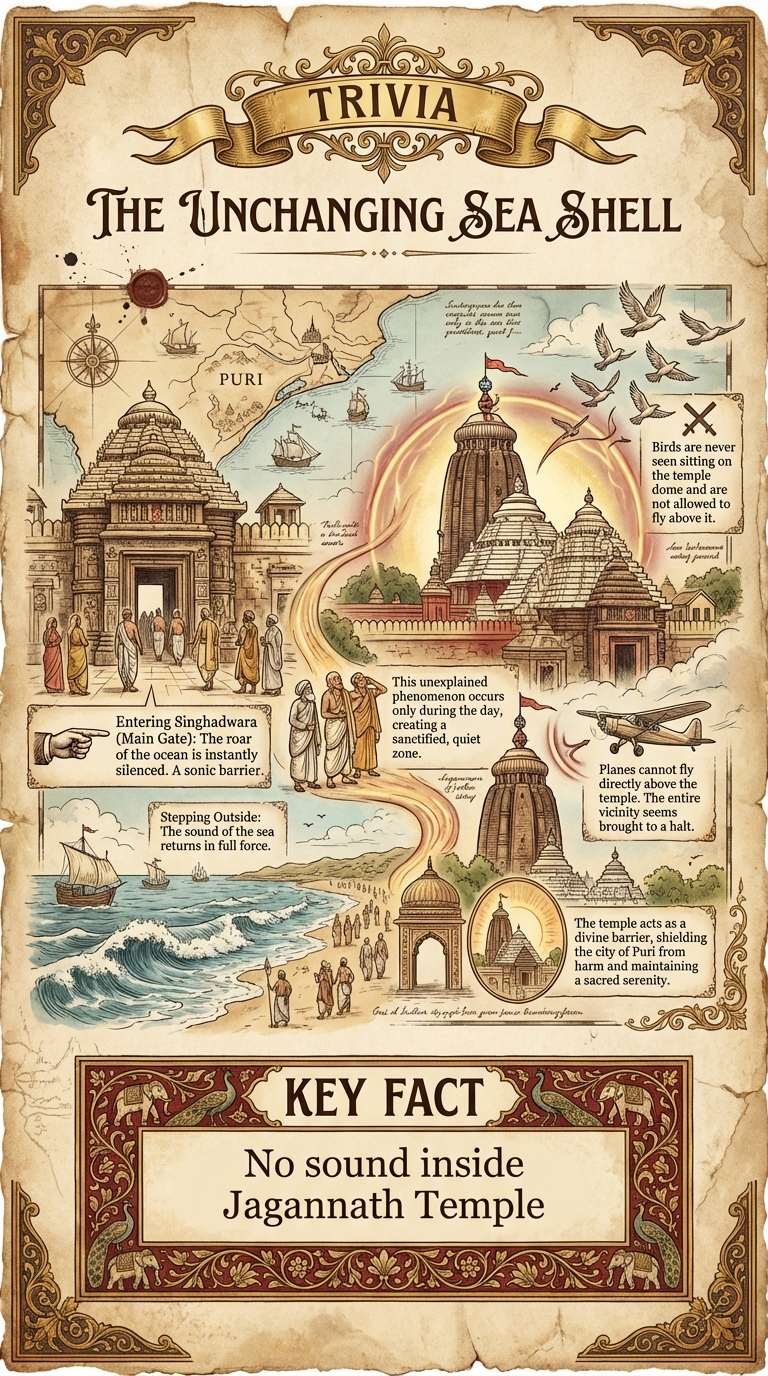
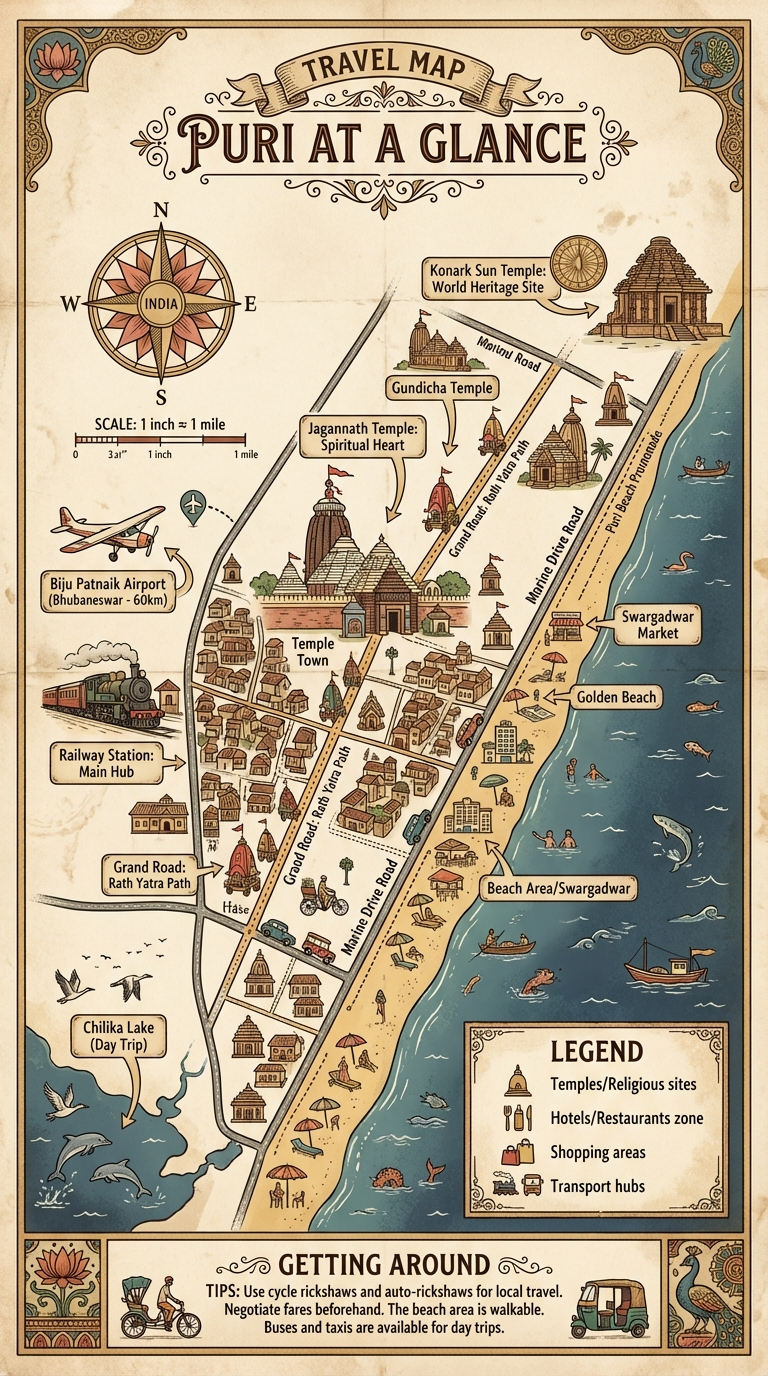
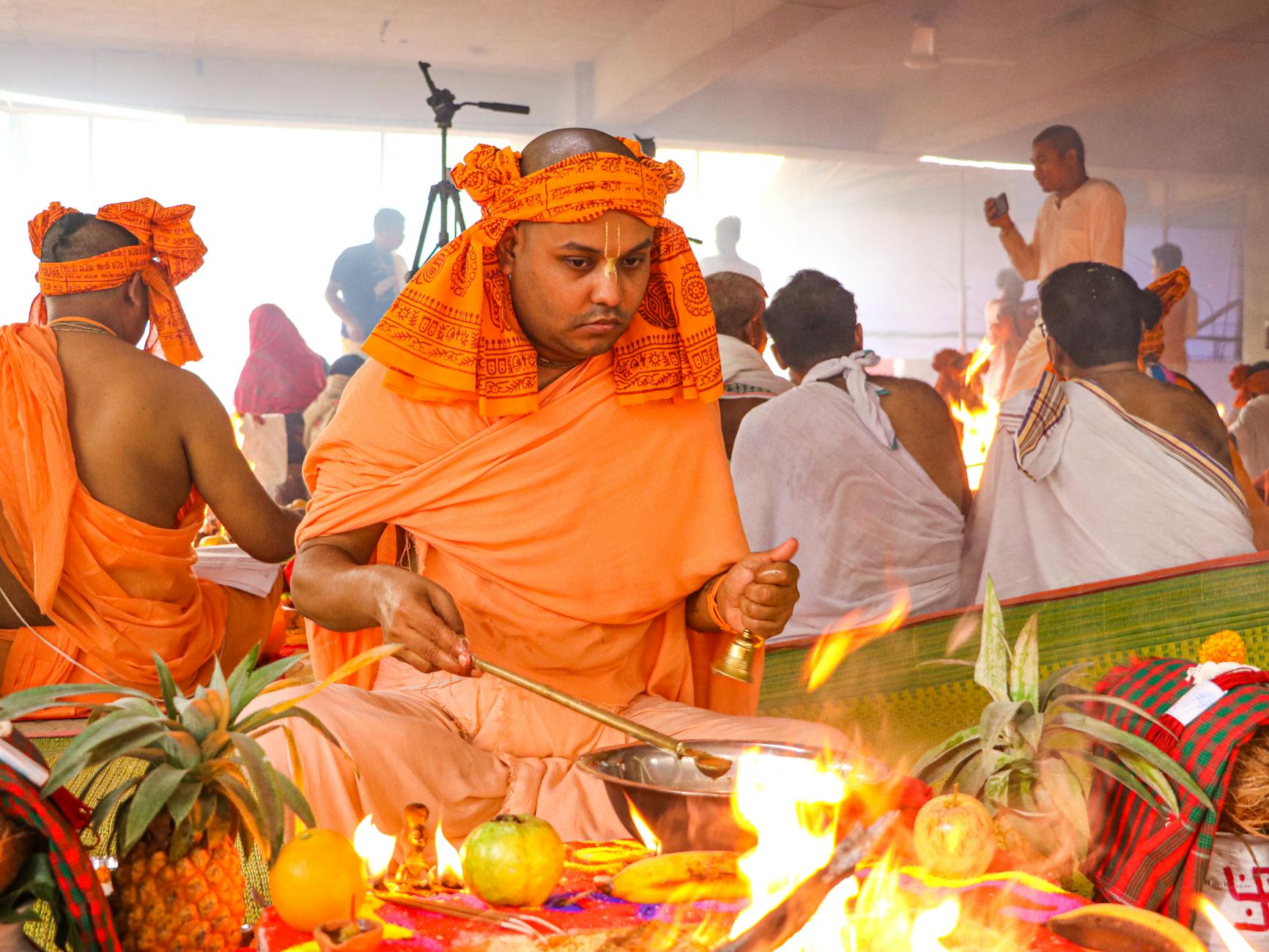
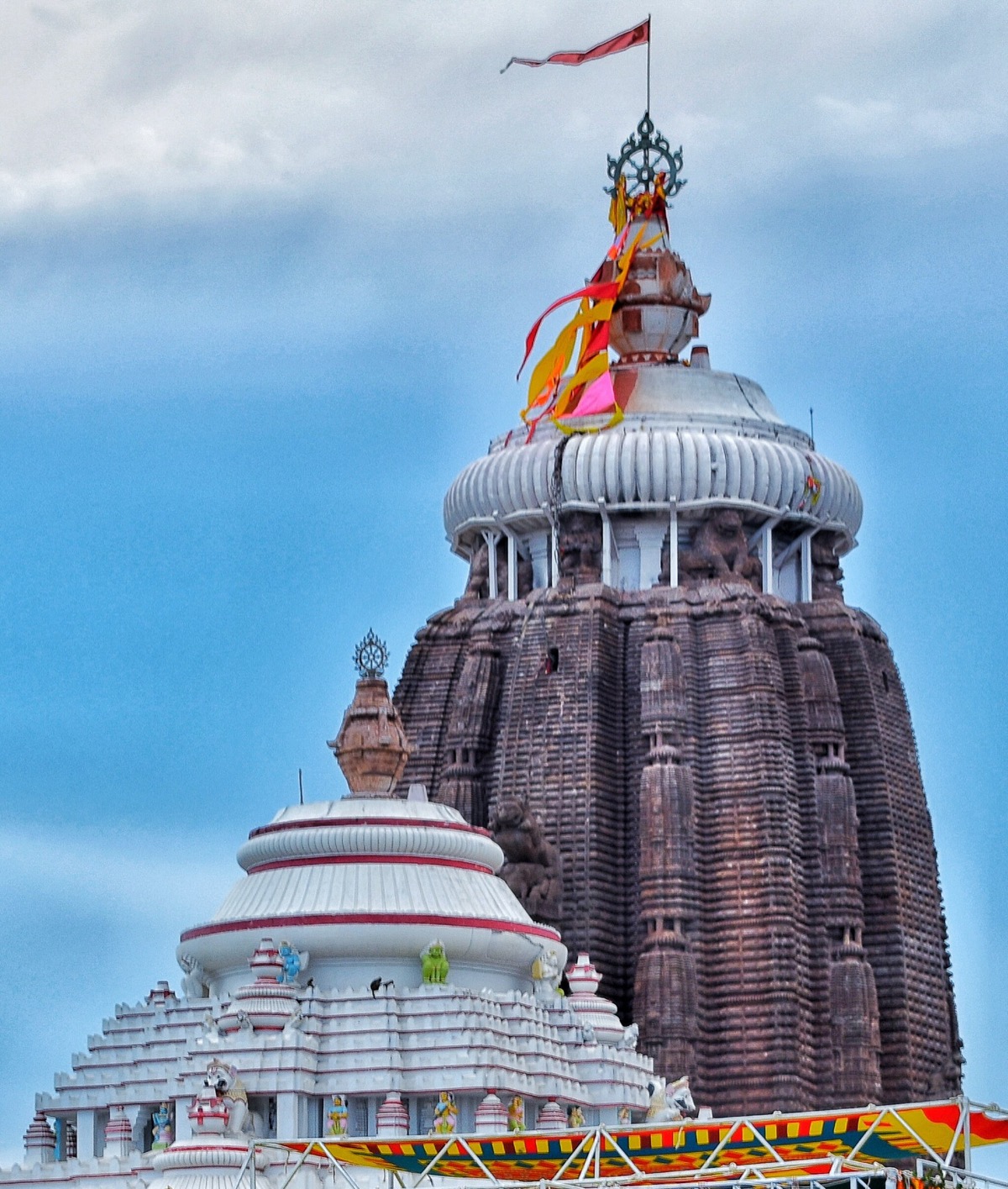
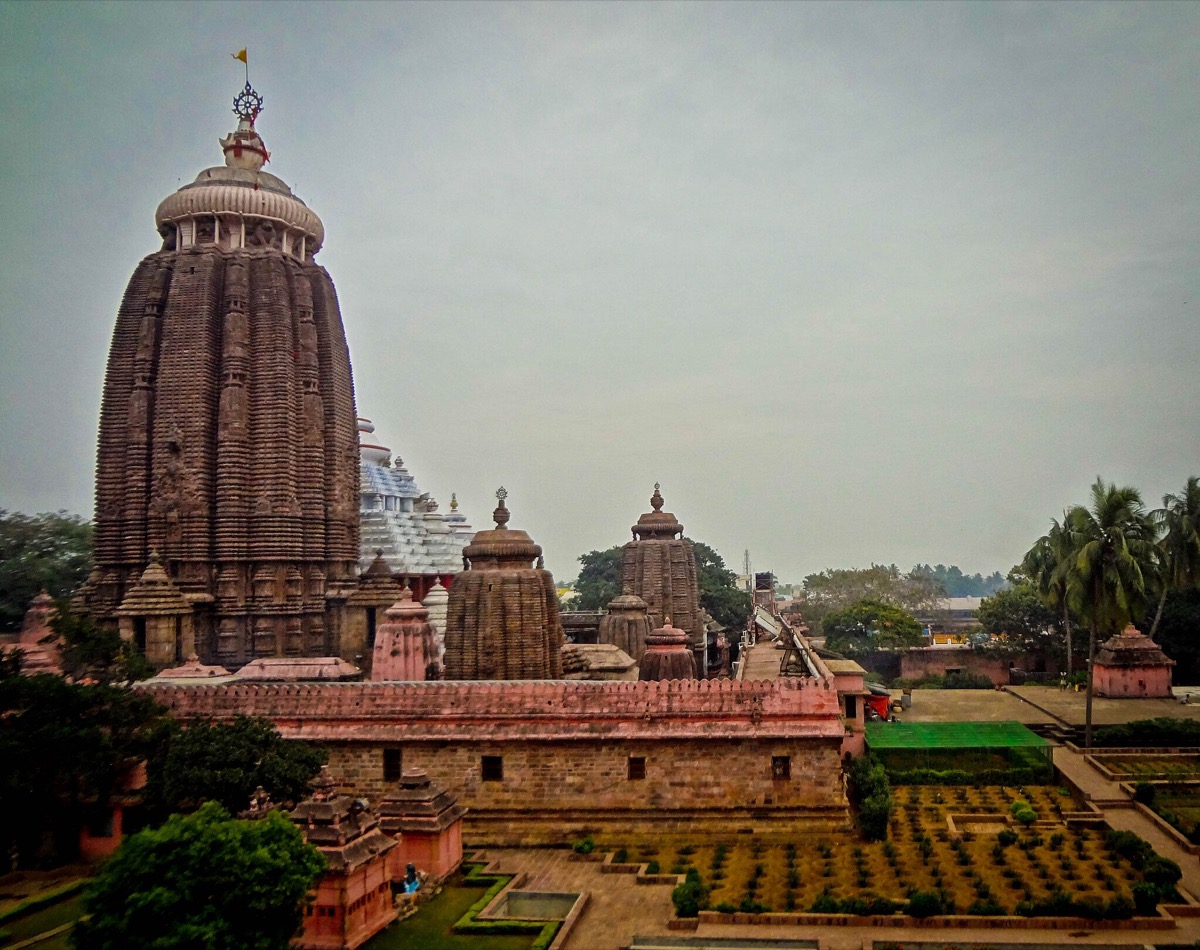
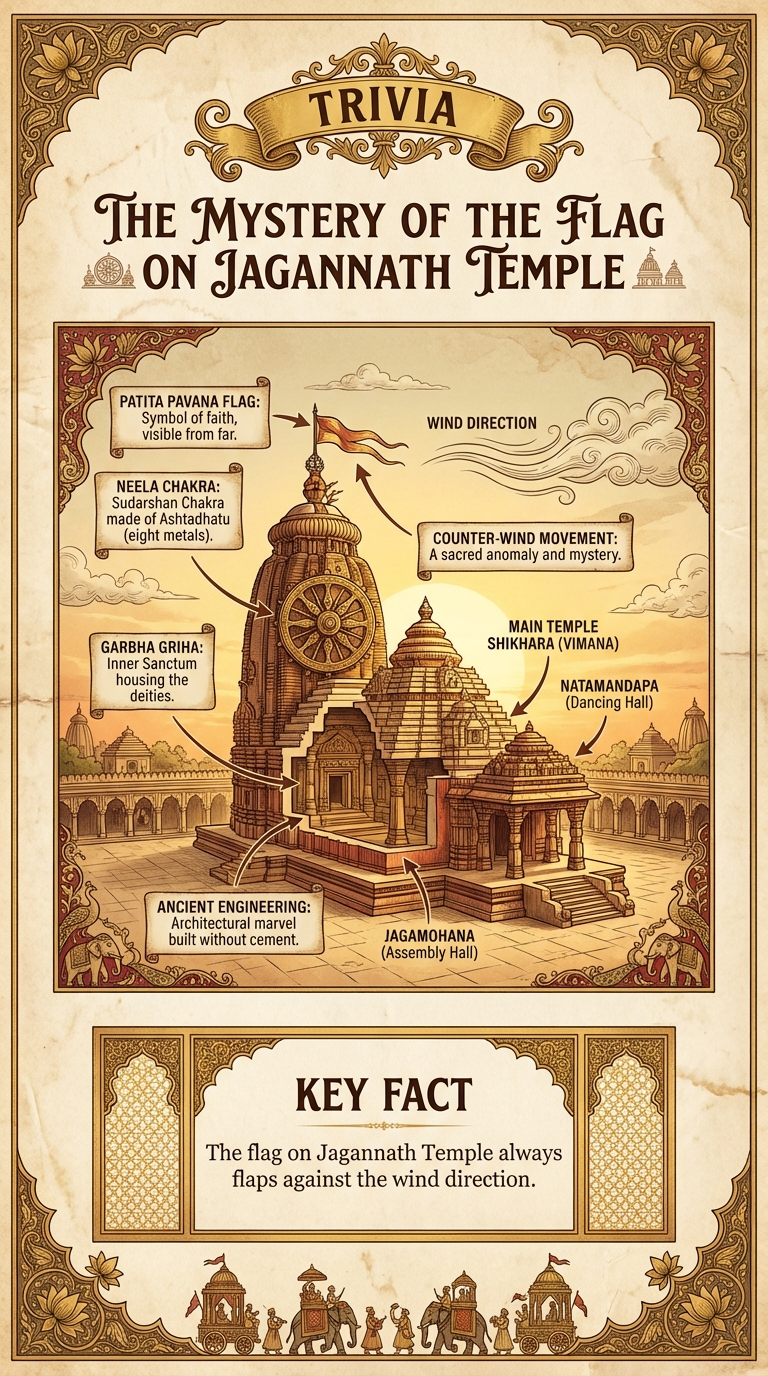
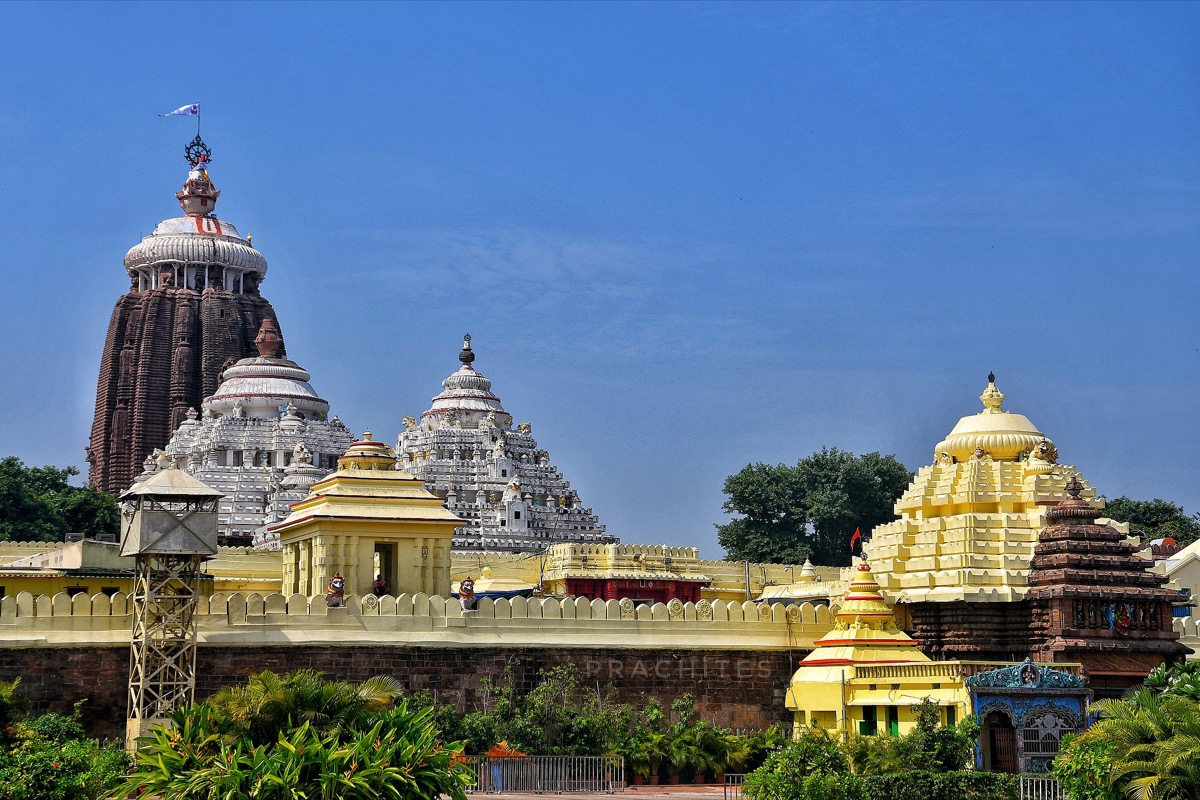
Puri is one of India's four Char Dham — the four divine abodes that every devout Hindu aspires to visit in their lifetime. The city is dominated by the magnificent Jagannath Temple (12th century), whose 65-meter shikhara towers over the skyline and is visible from miles away. The temple is the home of Lord Jagannath, an avatar of Vishnu, and the origin of the English word 'juggernaut' — named after the massive chariot festival (Rath Yatra) that draws over a million pilgrims annually to its Grand Road.
Beyond its spiritual significance, Puri is also one of India's most beloved beach destinations. The golden sands stretch for kilometres along the Bay of Bengal, and the beach scene is uniquely Indian — families playing in the waves, fishermen hauling in their catch, sand artists creating elaborate sculptures, and food vendors selling fresh seafood and bhelpuri. The combination of ancient temple traditions, the wild energy of the Rath Yatra, and the simple pleasure of a sunset on the beach makes Puri unlike any other destination in India.
Puri
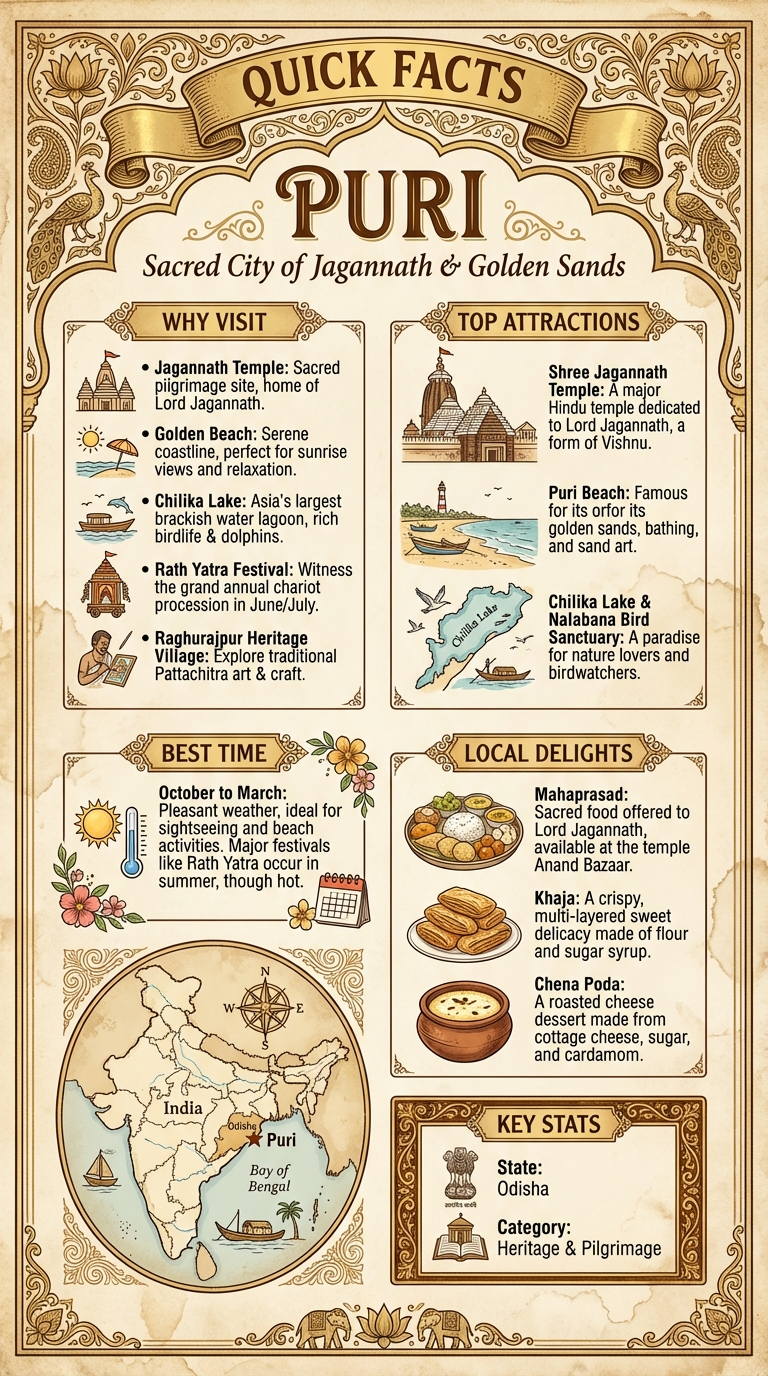
Puri sits on the Bay of Bengal coast in Odisha, 60 km from the state capital Bhubaneswar. It is one of the Char Dham and the site of the annual Rath Yatra festival. The city also serves as a gateway to the Sun Temple at Konark (35 km) and Chilika Lake (50 km).
The essential sights and experiences
Grand Road (Bada Danda) | Free (Hindus only)
The 12th-century temple of Lord Jagannath — one of India's most sacred shrines. The 65m tower and the kitchen feeding 100,000 daily are legendary.
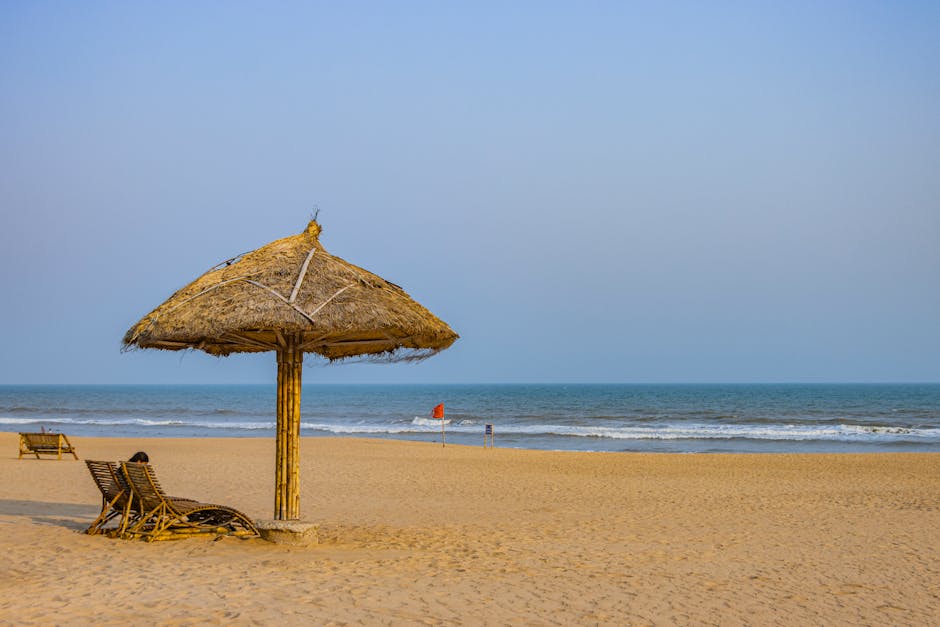
Marine Drive to Swargadwar | Free
Expansive golden sand beach along the Bay of Bengal. Famous for sunrise, sand art, and the lively beach culture with vendors and fishermen.
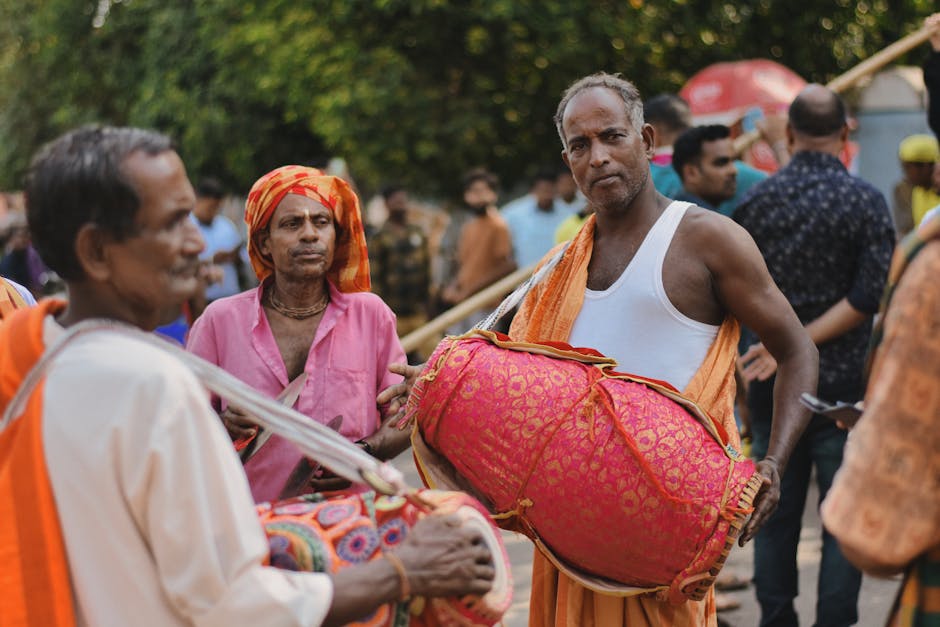
Grand Road | Free
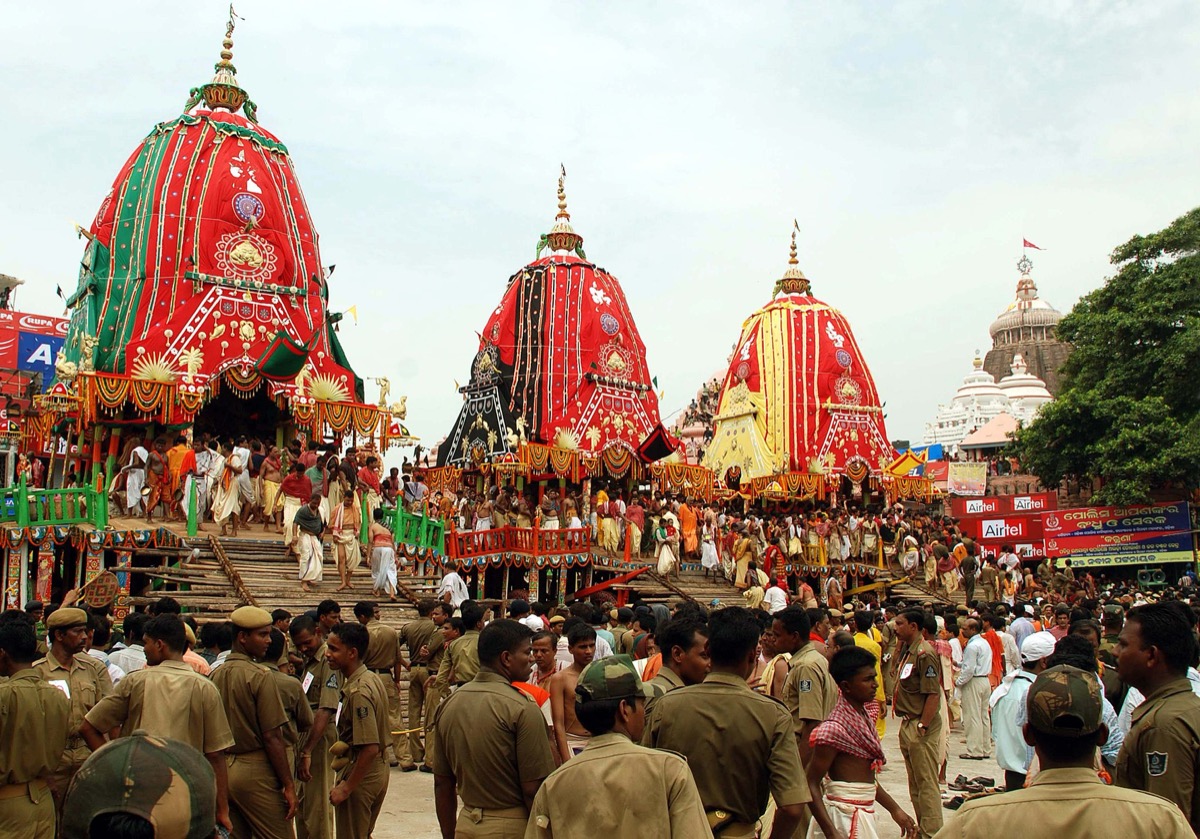
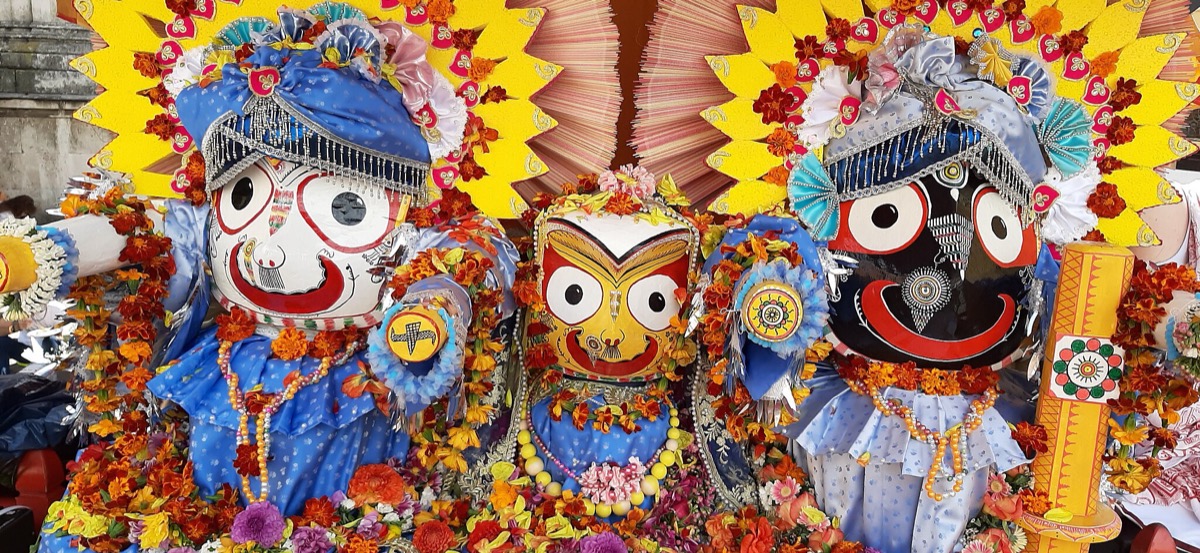
The world-famous chariot festival where three massive wooden chariots carrying Jagannath, Balabhadra, and Subhadra are pulled by devotees.
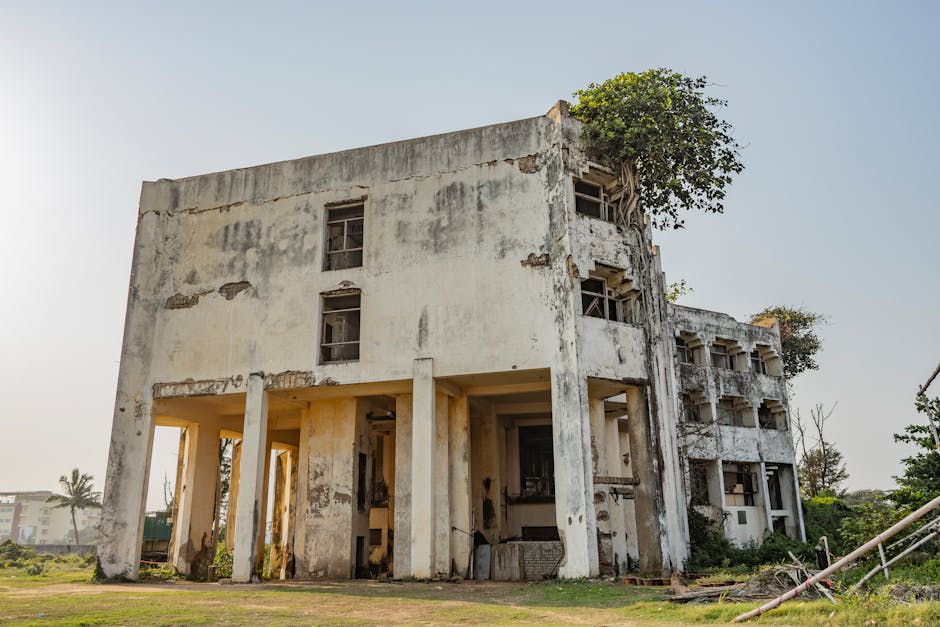
35 km from Puri | ₹40/₹600
UNESCO World Heritage Site — a 13th-century temple shaped like a giant chariot with 12 pairs of carved wheels. One of India's architectural wonders.
50 km from Puri | ₹50–100 (boat)
Asia's largest brackish water lagoon — home to Irrawaddy dolphins, migratory birds, and the sacred Kalijai Temple island.
End of Grand Road | Free (Hindus only)
The "garden house" of Lord Jagannath — destination of the Rath Yatra. Beautiful during the festival when the deity "visits" for 9 days.
Station Road | ₹20
Museum dedicated to Odisha's intricate stone carving tradition with artisans demonstrating the craft.
Near Jagannath Temple | Free
Sacred temple tank used for the Chandana Yatra festival. The floating pavilion in the centre is picturesque.
14 km from Puri | Free
Heritage village where every house is a canvas — the entire community creates Pattachitra paintings and palm leaf art.
Beach Road | Free
Sacred Hindu cremation ground on the beach. Hindus believe cremation here guarantees salvation.
Near temple | Free
Ancient tank surrounded by temples, considered one of Puri's most sacred bathing spots.
Lokanath Road | Free
Ancient Shiva temple where the lingam is said to have been installed by Lord Rama himself.
Eastern end of beach | Free
Spectacular sunrise over the Bay of Bengal — watch fishermen launch boats as the sky turns orange.
19 km from Puri | Free
Temple with a fascinating legend about a walking deity — Krishna walked here to serve as a witness in a dispute.
20 km (en route from Bhubaneswar) | Free
Colourful village famous for appliqué work — bright cloth parasols, wall hangings, and bags.
Inside Jagannath Temple complex | ₹30–50
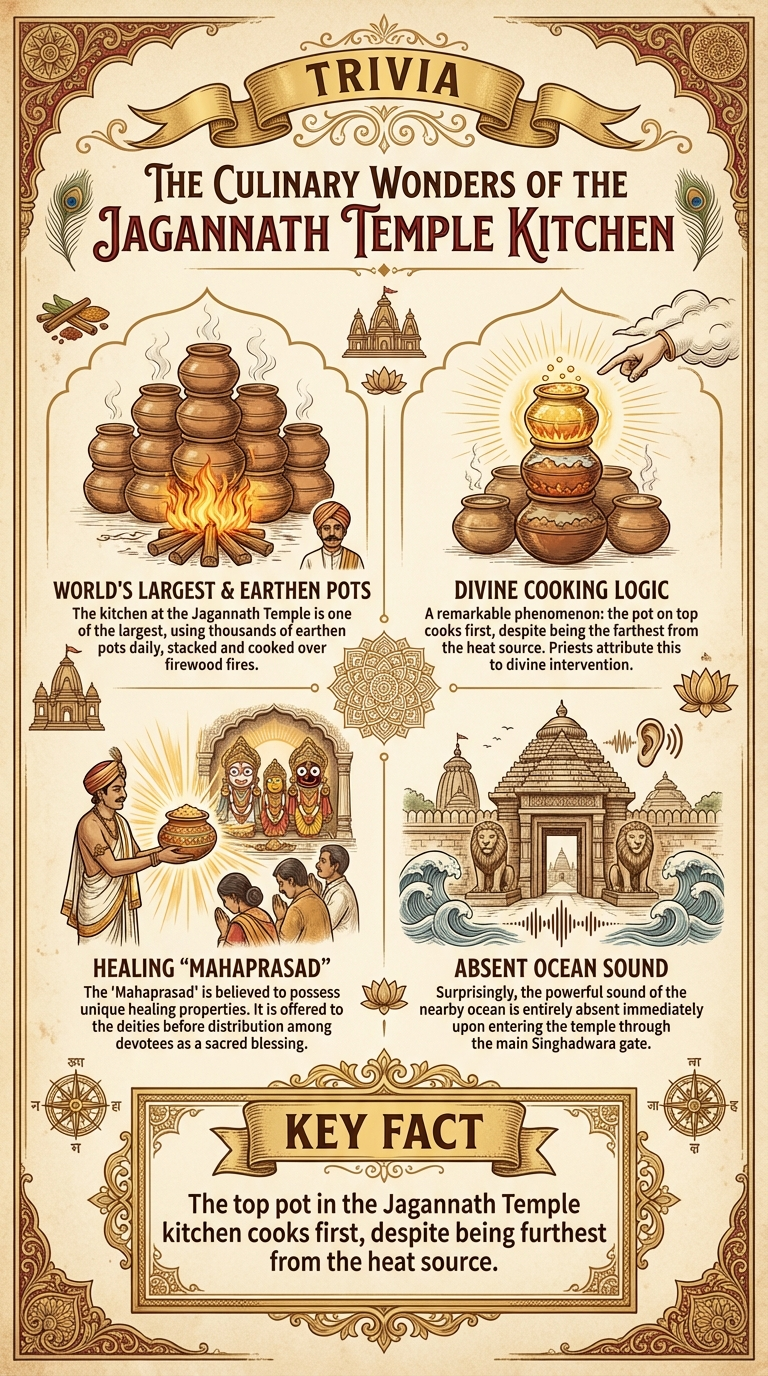
The world's largest kitchen serves mahaprasad — sacred food cooked in earthen pots for up to 100,000 people daily.
Various spots | Free
International sand artists create elaborate sculptures. Sudarshan Pattnaik's works near the main beach area are famous.
Puri seafront | Free
The newly developed promenade along the beach — perfect for evening walks with sea breeze and food stalls.
19. Beleswar Beach (15 km south, Free): Quiet, uncrowded black sand beach with a Shiva temple on the shore — a peaceful alternative to Puri main beach.
20. Chandrabhaga Beach (Konark) (35 km, Free): Clean, wide beach near the Sun Temple. Hosts the annual Chandrabhaga festival and is great for swimming.
Essential practical information
ATMs available on Grand Road and CT Road. Carry cash for the temple area, beach vendors, and rickshaws. UPI accepted at some restaurants.
Beach has strong undertows — swim only in designated areas with lifeguards. Avoid the beach after dark. The temple area is very safe.
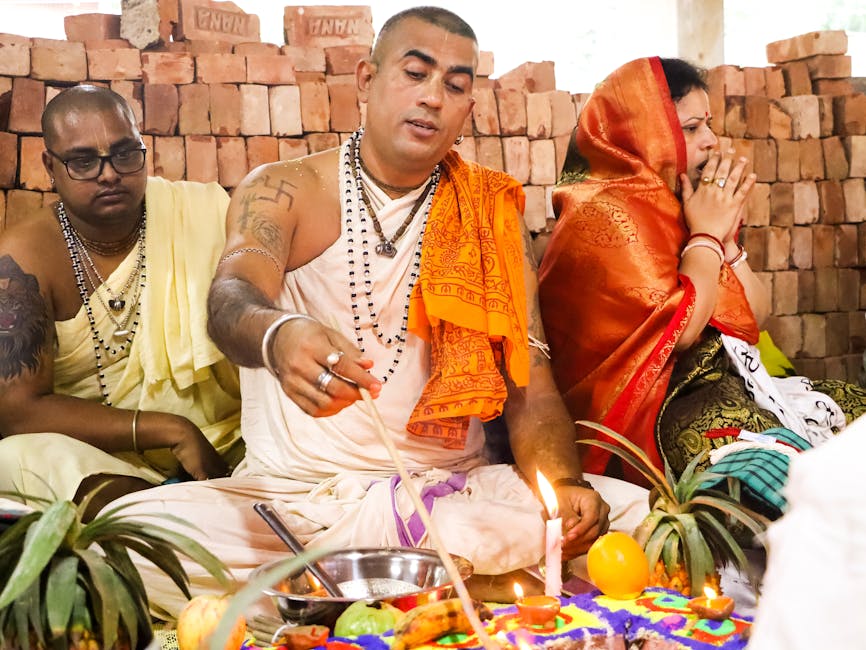
Jagannath Temple is restricted to Hindus only. The rule is strictly enforced. Non-Hindu visitors can view from outside or from the library rooftop.
Dress modestly for the temple. Men should wear dhoti or trousers, women in sari or salwar kameez. Beach attire is acceptable only on the beach.
Photography prohibited inside Jagannath Temple. Beach and other sites are fine. Konark Sun Temple allows photography.
Navigate the city like a local
Nearest airport is Biju Patnaik International Airport, Bhubaneswar (BBI), 60 km away (₹1,200–1,500 by taxi, 1.5 hours). Puri Railway Station is central and well-connected.
The classic Puri transport. Colorful and cheap. Good for the temple-beach-market circuit. Cost: ₹10–30/ride
Available on main roads. Negotiate fares — most rides within Puri cost ₹30–80. Cost: ₹10–15/km
The temple, beach, and Grand Road are all walkable. Best way to experience the old city. Cost: Free
Essential for Konark (35 km) and Chilika (50 km) day trips. Book through hotel. Cost: ₹1,500–2,500/day
When to go and what to expect
Post-monsoon — pleasant weather (24–32°C). Clear skies, calm sea. Good for both temple visits and beach time. Fewer crowds.
Best weather (18–28°C). Puri Beach Festival in November. Konark Dance Festival in December. Pleasant for sightseeing.
Warm to hot (28–38°C). Car Festival (Rath Yatra) preparation begins. Beach is good early morning and evening.
Monsoon with heavy rain. Rath Yatra in June/July draws million+ crowds. Sea is rough — avoid swimming. Hotels are booked solid.
Puri — best experienced in October–MarchMake the most of your time
Extended stays and themed routes
Add Bhubaneswar's temple city (Lingaraj Temple, Udayagiri-Khandagiri Caves), the Dhauli Buddhist peace pagoda, and a full day at Chilika Lake for dolphins and birds.
Combine the Golden Triangle of Odisha — Bhubaneswar, Puri, and Konark — with Chilika Lake, Raghurajpur, and a trip to Gopalpur-on-Sea or Bhitarkanika mangrove sanctuary.
Kids love the beach, the Chilika dolphin boat ride, sand art displays, and the colourful Pipli craft village. Stay at Toshali Sands for beach access and pool.
Try the temple mahaprasad, fresh seafood at Chilika, dalma (lentil-vegetable stew) at a local restaurant, and the famous Puri street chaat.
Where the world's mightiest chariots roll and a million voices chant Jai Jagannath
The Sacred Processional
Grand Road (Bada Danda) is Puri's most important street — the sacred processional route of the Rath Yatra where massive chariots roll every June/July. The road runs from the Jagannath Temple to the Gundicha Temple, 3 km away, and is lined with dharamshalas, shops selling prasad and puja items, and the famous Ananda Bazaar where mahaprasad is sold. The temple's 65-meter tower looms over everything, and the sound of temple bells and chanting fills the air.
The old city lanes radiating from Grand Road are a maze of small temples, mathas (monasteries), and traditional Odia houses. This is where you'll find Puri's most atmospheric street food — dalma, saga bhaja (fried greens), and the famous Puri chaat. The Narendra Tank and Markandeya Tank are peaceful oases amid the bustle. During Rath Yatra, Grand Road becomes the most crowded street in India.
Where to eat in Grand Road & Temple Area
Ananda Bazaar (Jagannath Temple) (₹30–50): Sacred mahaprasad — rice, dal, sabzi cooked in earthen pots.
Hare Krishna Restaurant (₹80–200): Clean vegetarian meals near the temple.
Street stalls on Grand Road (₹20–50): Chaat, pakora, and fresh sugarcane juice.
Shopping: Pattachitra paintings (₹200–5,000), Jagannath figurines, palm leaf etchings, and prasad boxes on Grand Road.


Where temple bells fade into the sound of waves and sunset paints the sea
The Seaside Promenade
Chakratirtha (CT) Road runs parallel to the beach and is Puri's tourist and dining hub. The beachfront hotels, restaurants, and shops along this stretch cater to both pilgrims and beach holidaymakers. The road leads to the main beach access points where the sand stretches wide and flat — perfect for morning walks, cricket games, and sunset watching. Sand artists create elaborate sculptures near the main beach entrance.
This area has Puri's best range of dining — from the legendary Chung Wah Chinese restaurant (a Puri institution since decades) to seafood restaurants, pizza joints, and traditional Odia thali places. The beach itself is a theatre — families splashing in the waves, vendors selling bhelpuri and coconut water, fishermen mending nets, and the occasional sand art exhibition. Marine Drive, the newly developed promenade, is perfect for evening walks.
Where to eat in CT Road & Beach Area
Chung Wah (₹200–450): Puri's most famous restaurant — legendary Chinese and seafood since decades.
Wildgrass Restaurant (₹200–400): Odia and North Indian food in a garden setting.
Peace Restaurant (₹150–350): Popular multi-cuisine restaurant near the beach.
Shopping: Seashell crafts, appliqué work, Odisha handloom sarees, and sand art pieces from CT Road shops.


Where the gateway to heaven sits on golden sand beside the eternal sea
Where the Sacred Meets the Sea
South Puri is where the city's spiritual and natural landscapes merge most dramatically. Swargadwar — literally 'Gateway to Heaven' — is the sacred cremation ground on the beach, one of the most auspicious places for last rites in Hinduism. Despite its solemn purpose, the surrounding area is vibrant — the beach continues south with fewer crowds, fishermen's settlements dot the shore, and the Lokanath Temple (an ancient Shiva shrine) is a peaceful alternative to the busy Jagannath Temple.
This quieter stretch of Puri offers a more local experience. The beach here is less touristy, the seafood stalls serve the freshest catch, and the pace is slower. It's also the gateway to the road south toward Konark and the beautiful Chandrabhaga Beach.
Where to eat in Swargadwar & South Puri
Local fish fry stalls near Swargadwar (₹50–150): The freshest fried fish and prawn in Puri.
Mayfair Heritage restaurant (₹400–800): Fine dining with Odia specialties and seafood.


What to eat and where to find it
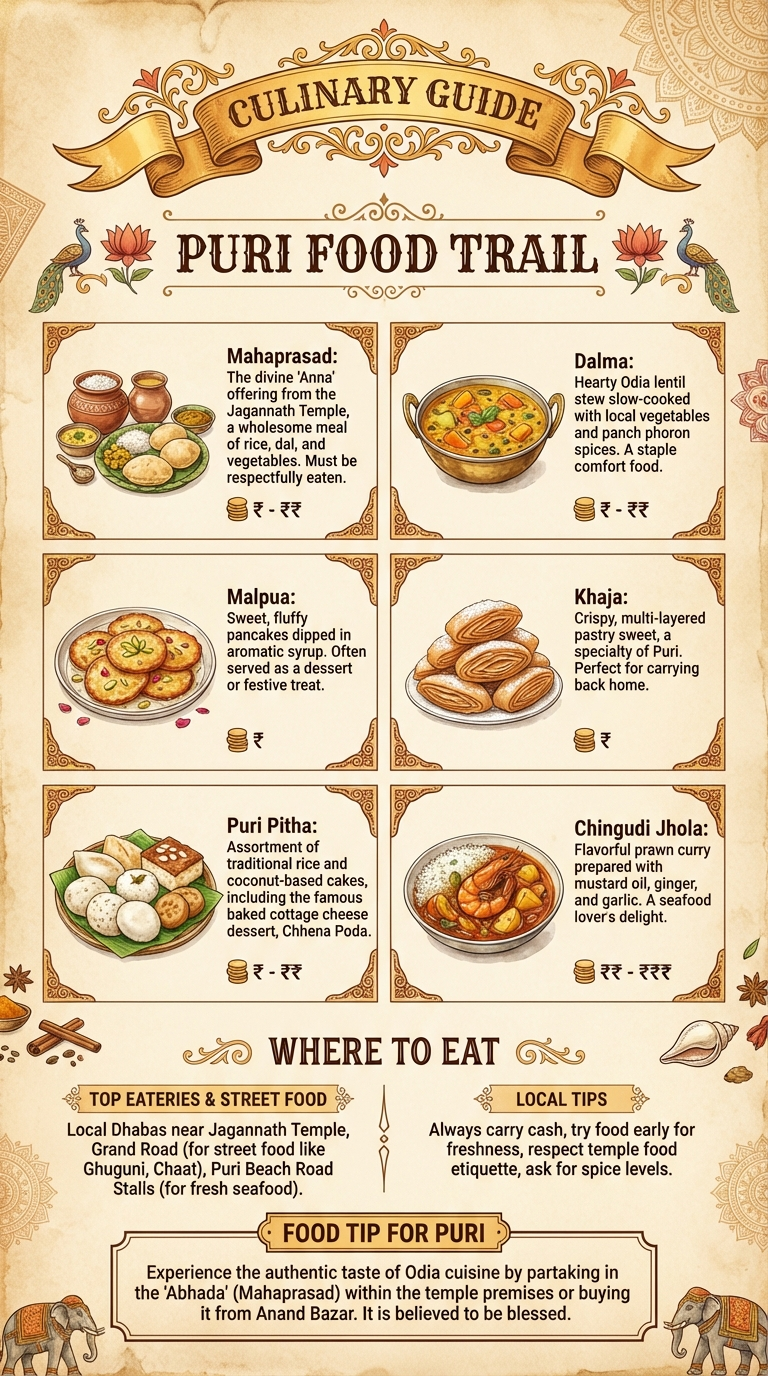
Puri's food culture is unique in India — it's the only city where temple food (mahaprasad) is considered the finest meal available. The Jagannath Temple kitchen feeds up to 100,000 people daily with food cooked in earthen pots using ancient methods. Beyond the temple, Puri offers excellent Odia cuisine — dalma, machha jhola (fish curry), and the famous Puri chaat — alongside surprisingly good Chinese food (a legacy of the beach tourist scene) and fresh seafood.
Mahaprasad (₹30–50): Sacred food from the Jagannath Temple kitchen — rice, dal, khichdi, and sabzi cooked in stacked earthen pots. The most revered food in Hinduism.
Dalma (₹40–80): Odia staple — lentils cooked with mixed vegetables and tempered with panch phutana (five-spice blend).
Machha Jhola (₹100–200): Classic Odia fish curry — usually rohu or hilsa in a mustard-based gravy with tomato and turmeric.
Chena Poda (₹30–50): Odisha's signature dessert — caramelized cheese cake baked with cardamom and raisins.
Pakhala Bhata (₹40–60): Fermented rice soaked in water, eaten with fried vegetables and fish fry — cooling summer food.
Prawn Malai Curry (₹150–300): Bay of Bengal prawns in a rich coconut milk gravy — a coastal Odisha specialty.
Dahi Vada-Aloo Dum (₹30–50): Puri's favorite chaat — crispy lentil dumplings in curd with spicy potato curry.
Rasabali (₹30–50): Flattened cheese patties soaked in cardamom-flavored rabri — an Odia temple sweet.
Best restaurants, markets, and street food
Chung Wah (₹200–450): Puri's legendary restaurant. Chinese and seafood — the chilli chicken and prawn dishes are iconic.
Wildgrass (₹200–400): Odia thali and North Indian food in a pleasant garden.
Mayfair Heritage Dining (₹400–800): Fine dining with the best Odia cuisine in Puri.
Peace Restaurant (₹150–350): Multi-cuisine, popular with tourists.
Grand Road stalls: Chaat, pakora, and fresh sugarcane juice near the temple (₹20–50).
Beach vendors: Bhelpuri, jhalmuri, roasted corn, and coconut water on the sand (₹20–40).
Ananda Bazaar: Inside the Jagannath Temple complex — mahaprasad in leaf plates (₹30–50).


Understanding the story of Puri
Puri's history as a sacred city dates back over two millennia. The region was a thriving Buddhist centre before the rise of the Jagannath cult — the Dhauli rock edicts of Emperor Ashoka (3rd century BCE) are just 60 km away. The cult of Jagannath, unique in Hinduism for its combination of tribal, Buddhist, and Vaishnavite traditions, was formalized when the great Ganga dynasty king Anantavarman Chodaganga built the current Jagannath Temple around 1174 CE. The temple's architecture represents the pinnacle of Kalinga temple style.
Adi Shankaracharya established one of his four mathas (Govardhan Math) in Puri in the 8th century. The 12th-century poet Jayadeva composed the Gita Govinda here. The temple survived multiple Muslim invasions — it was attacked by Kala Pahad (1568) and Mughal forces, but the deities were hidden each time by priests. Under the Marathas and later the British, Puri developed into a major pilgrimage and coastal resort. The Rath Yatra continues unbroken, and the temple's traditions remain remarkably unchanged since medieval times.
Puri's culture revolves around the Jagannath tradition — a unique syncretic form of Hinduism that incorporates tribal, Buddhist, and Vaishnava elements. The Rath Yatra (June/July) is the city's soul — three massive chariots are built fresh each year and pulled by thousands of devotees. Pattachitra painting (cloth-based scroll art) is the region's distinctive art form, practiced in nearby Raghurajpur. Odissi dance, one of India's eight classical dance forms, has deep roots in Puri's temple traditions.
Excursions from Puri
Puri is the gateway to Odisha's "Golden Triangle" — Bhubaneswar (temples), Konark (Sun Temple), and Puri itself.
UNESCO site — 13th-century chariot-shaped temple with exquisite carvings. Don't miss the erotic sculptures and the astronomical precision of the chariot wheels. Entry: ₹40/₹600
Asia's largest brackish lagoon — Irrawaddy dolphins, migratory birds (Oct–Mar), and the Kalijai Temple island. Entry: ₹800–1,200 (boat hire)
The "Temple City" — Lingaraj Temple, Rajarani Temple, Udayagiri-Khandagiri Caves, and the Odisha State Museum. Entry: Varies
Heritage artist village — every house creates Pattachitra paintings, stone carvings, and palm leaf etchings. Entry: Free

Practical information from A to Z
Available at licensed hotels and restaurants. Wine shops on the outskirts. Not sold near the temple area.
SBI, HDFC, and Axis ATMs on Grand Road and CT Road. Carry cash for the temple area and beach vendors.
District Headquarters Hospital and private clinics on CT Road. For serious cases, Bhubaneswar hospitals (60 km).
220V/50Hz with Type C/D/M plugs. Power cuts occasional. Most hotels have generators or inverters.
4G coverage good (Jio, Airtel). Hotel Wi-Fi available. Patchy near the beach.
Conservative temple town. Discretion advised. Hotels are professional with all guests.
India Post office on Grand Road. Courier services available on CT Road.
Jagannath Temple: 5am–11pm (multiple darshan timings). Konark: sunrise–sunset. Shops: 8am–9pm.
Beach has seasonal cleanliness issues. Air quality is good. Drink only bottled water.
Cycle rickshaws are Puri's signature transport. ₹10–30 for most rides. Negotiate before boarding.
GST applies. Beach vendors and small stalls don't charge tax separately. Hotels charge 12–18% GST.
Public toilets at the beach and near the temple. Hotels have western toilets. Carry tissue paper.
Drink only bottled water (₹20). Check seal. Beach water is not safe for drinking.
Strong undertows and currents — swim only where lifeguards are present. Red flags mean no swimming.
Jagannath Temple: Hindus only. Carry ID proof. No cameras, phones, or leather items inside. Free lockers available.
Getting to and around Puri
From Bhubaneswar: Trains (1.5–2 hours, ₹40–150) or road (60 km, 1.5 hours). Frequent buses (₹60).
From Kolkata: Trains (8–10 hours, ₹300–800). The Puri Express is the most popular overnight train.
Within Puri: Cycle rickshaws, auto-rickshaws, and walking. The town is compact enough to explore on foot and rickshaw.
| Mode | Details | Cost |
|---|---|---|
| Cycle Rickshaw | The classic Puri transport. Colorful and cheap. Good for the temple-beach-market circuit. | ₹10–30/ride |
| Auto-Rickshaw | Available on main roads. Negotiate fares — most rides within Puri cost ₹30–80. | ₹10–15/km |
| Walking | The temple, beach, and Grand Road are all walkable. Best way to experience the old city. | Free |
| Taxi/Car Hire | Essential for Konark (35 km) and Chilika (50 km) day trips. Book through hotel. | ₹1,500–2,500/day |
Essential phrases for travelers
Odia is the primary language. Hindi is widely understood. English is spoken at hotels and tourist restaurants. Basic Hindi is helpful for rickshaws and local interactions.
| English | Odia |
|---|---|
| Hello / Greetings | Namaste |
| Thank you | Dhanyavaad |
| Yes / No | Haan / Nahin |
| How much? | Kitna hai? |
| Too expensive | Bahut mehnga hai |
| Water | Paani |
| Food | Khana |
| Where is...? | ...kahan hai? |
| Help | Madad |
| Good | Accha |
| Beautiful | Sundar |
| Please | Kripya |
| I don't understand | Mujhe samajh nahin aaya |
| Taxi/auto | Auto-rickshaw |
| How far? | Kitni door hai? |
Our favourite experiences in Puri
Puri Beach at Dawn
The Bay of Bengal sunrise with fishermen silhouettes is magical
Marine Drive Promenade
Evening walk with sea breeze, food stalls, and sunset views
Jagannath Temple Mahaprasad
The most sacred meal in India — cooked for 100,000 daily
Grand Road Chaat Stalls
Dahi vada, aloo dum, and gupchup (pani puri) near the temple
Mayfair Heritage
Colonial-era heritage hotel with the best restaurant in Puri
Konark Sun Temple
A 13th-century chariot-shaped masterpiece — India's greatest temple
Raghurajpur Artist Village
Every house is a gallery — Pattachitra paintings come alive here
Konark Chariot Wheels
The 12 carved stone wheels are India's most photographed temple detail
Pipli Appliqué Village
Explosively colourful cloth art — parasols, bags, and wall hangings
Walking All the Ghats
The morning beach walk from Swargadwar to CT Road past fishermen and sand artists
Everything you need for Puri
Travorea creates comprehensive, beautifully designed travel guides that combine insider knowledge with practical information. Our guides are crafted to help you experience destinations like a local, not just a tourist.
This premium guide to Puri was researched and written to give you everything you need for an unforgettable trip. All prices and information were verified at the time of writing (2026) but may change — always confirm locally.
All photographs in this guide are sourced from free-to-use image libraries (Pexels, Unsplash) and original Travorea photography. Infographics are original Travorea creations.
Visit us at www.travorea.com for more destinations, interactive trip planners, and the latest travel tips.
Explore More Guides
Visit www.travorea.com/ebooks for premium guides to 50+ destinations worldwide.
Abode of Lord Jagannath