
Rome
The Eternal City
ColosseumVatican CitySistine ChapelRoman ForumTrastevere
80
Pages2026 Edition
The Eternal City

 Rome
Rome
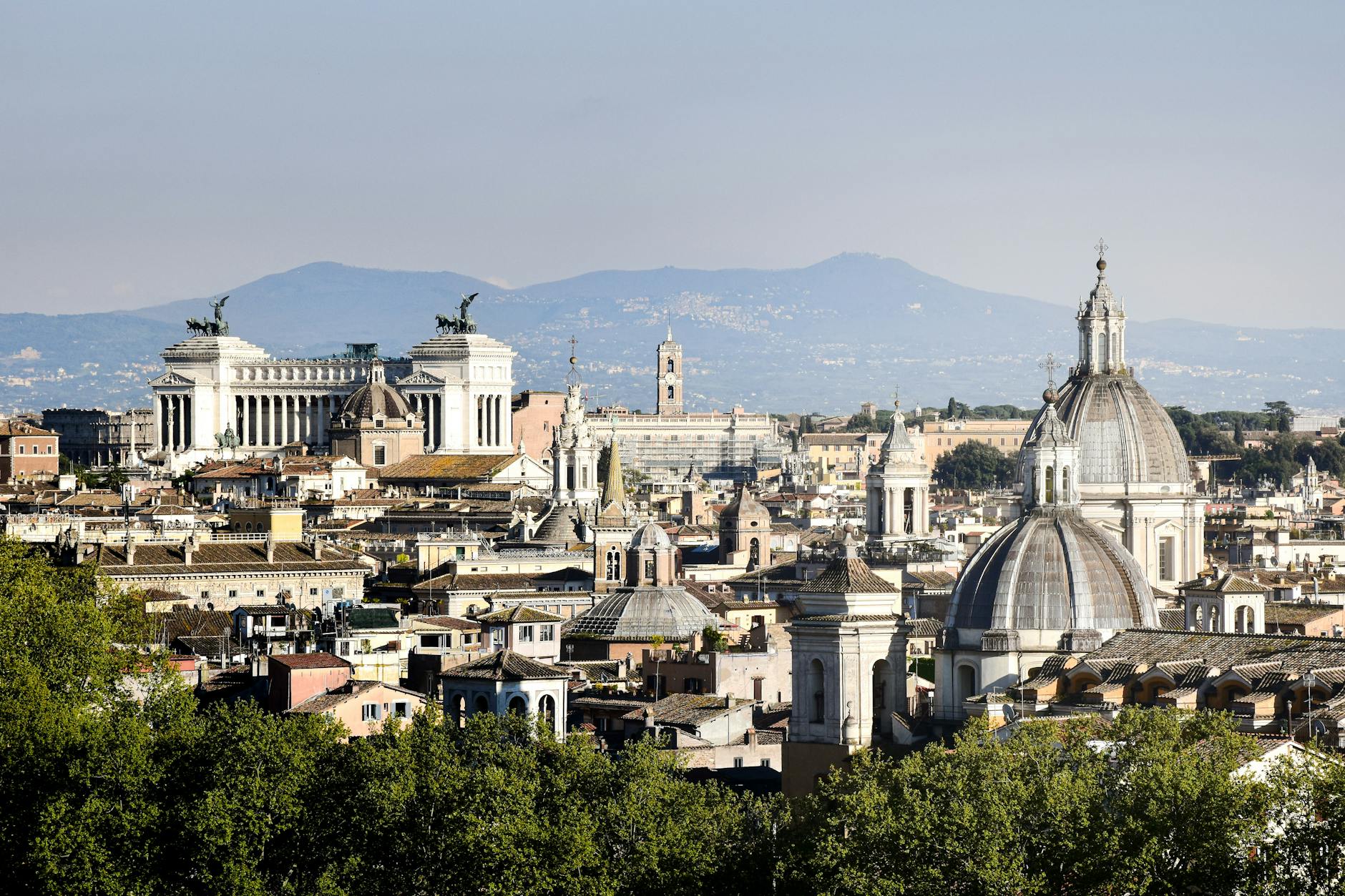
Founded in 753 BC according to legend, Rome served as the capital of a republic, then an empire that shaped Western civilisation, then the seat of the Catholic Church. Today it is Italy’s capital and a living museum where ancient ruins, Renaissance palaces, and vibrant modern life coexist on every block. Three to four days covers the essential highlights; a week lets you discover the city’s quieter, deeper soul.
The essential sights and experiences

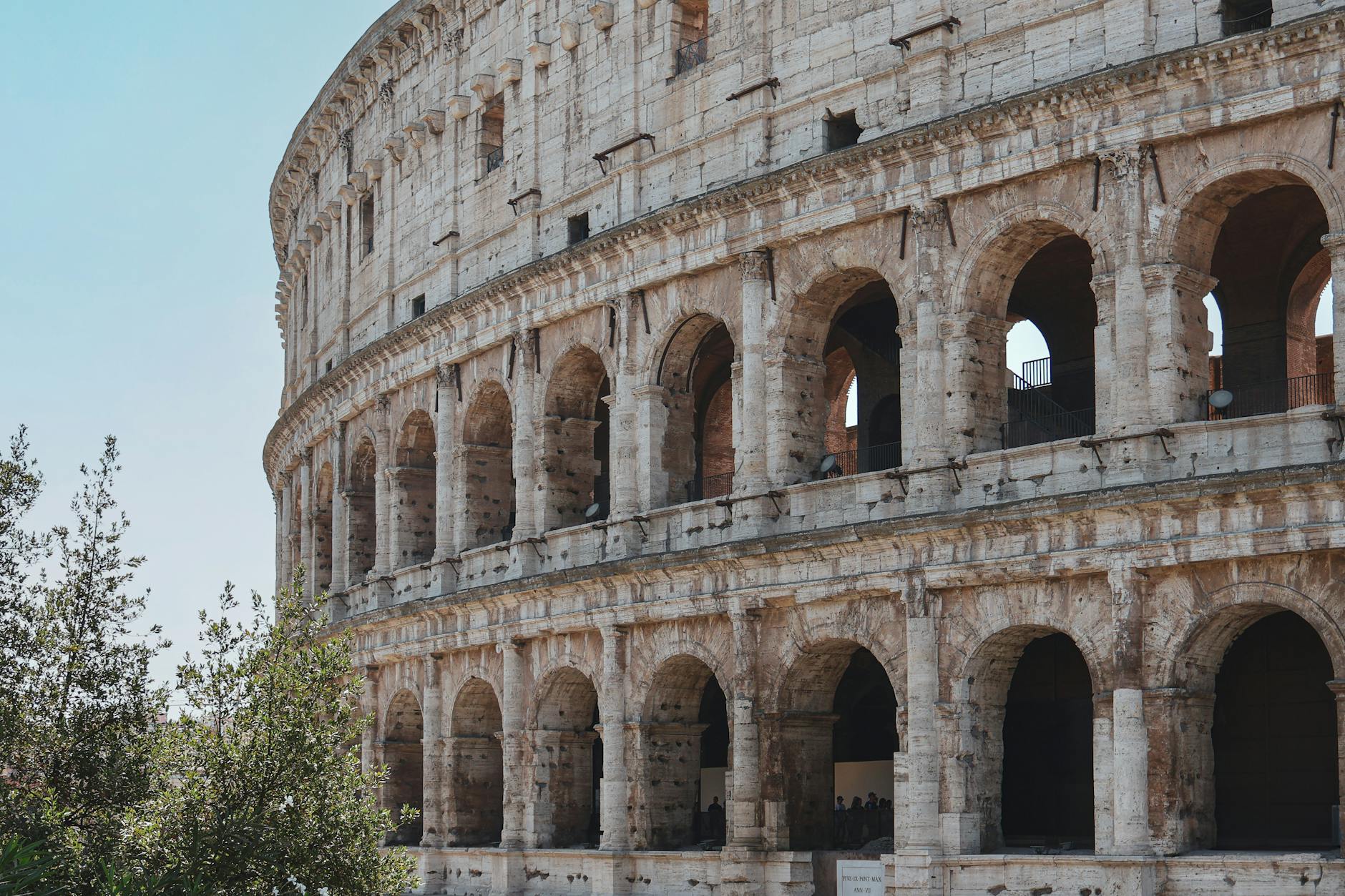
The 50,000-seat amphitheatre where gladiators fought for 400 years. The combined ticket includes the Roman Forum and Palatine Hill. Book the underground and arena floor tour (€24) for the full experience.

One of the world’s greatest art collections: 54 galleries leading to Michelangelo’s Sistine Chapel ceiling. Book online to skip the 3-hour queue.

The largest church in Christendom: Michelangelo’s Pietà, Bernini’s baldachin, and a dome climb with panoramic city views. Dress code enforced.

The best-preserved Roman building: a 2,000-year-old temple with a 43-metre dome and an open oculus that lets rain fall onto the marble floor. Raphael is buried here.
The political and religious heart of ancient Rome for over a millennium. Walk the Sacred Way past the Temple of Saturn, Arch of Septimius Severus, and the House of the Vestal Virgins.
Bernini-designed, Salvi-completed baroque masterpiece fed by a Roman aqueduct. Throw a coin with your right hand over your left shoulder to ensure your return to Rome.
When to go and what to expect
Perfect weather (15–28°C), long days, blooming gardens. Easter at the Vatican is spectacular but extremely crowded. The best months to visit.
Hot and intense (30–38°C). Romans flee to the coast. Tourist crowds thin slightly in August. Outdoor cinema and concerts at Terme di Caracalla.
The secret best time (18–28°C). Warm days, cooler evenings, harvest season food, and manageable crowds. October is ideal.
Cool and atmospheric (4–14°C). Short queues at major sights. Christmas markets and nativity scenes in churches. February can be rainy.
 Rome — best experienced in April–June, September–October

The Centro Storico is Rome’s magnificent baroque core — a labyrinth of narrow cobblestoned streets, grand piazzas, and churches that contains more masterpieces per square metre than anywhere on earth. The Pantheon, Piazza Navona, Campo de’ Fiori, and the Trevi Fountain are all within walking distance of each other, connected by lanes where every building seems to hide a Caravaggio or a Bernini. This is the Rome of postcards, but it’s also a living neighbourhood where old women lean from windows and espresso bars haven’t changed in decades.
Start at the Pantheon in the early morning when the light pours through the oculus. Walk to Piazza Navona for Bernini’s fountains, then wind through the alleys to Campo de’ Fiori for its morning market. Take a detour to the hidden Galleria Doria Pamphilj before joining the evening crowds at the Trevi Fountain. End with dinner at one of the neighbourhood’s legendary trattorias, where the cacio e pepe recipe hasn’t changed in generations.


Trastevere — literally “across the Tiber” — is Rome’s most atmospheric neighbourhood, a tangle of ivy-draped medieval streets, ochre and terracotta buildings, and hidden piazzas where laundry dries overhead and old men argue over espresso. Once a working-class quarter of fishermen and tanners, Trastevere has evolved into Rome’s most beloved dining and nightlife district while retaining its fiercely independent character. The locals (trasteverini) consider themselves the “true Romans” and celebrate their identity every July at the Festa de’ Noantri.
Cross the Tiber via Ponte Sisto and lose yourself in the medieval lanes. Visit the Basilica di Santa Maria in Trastevere for its 12th-century golden mosaics, then climb the Gianicolo hill for the best panoramic view of Rome (free). In the evening, join the passeggiata in Piazza di Santa Maria, grab an aperitivo at Freni e Frizioni, and queue for the legendary cacio e pepe at Da Enzo al 29.


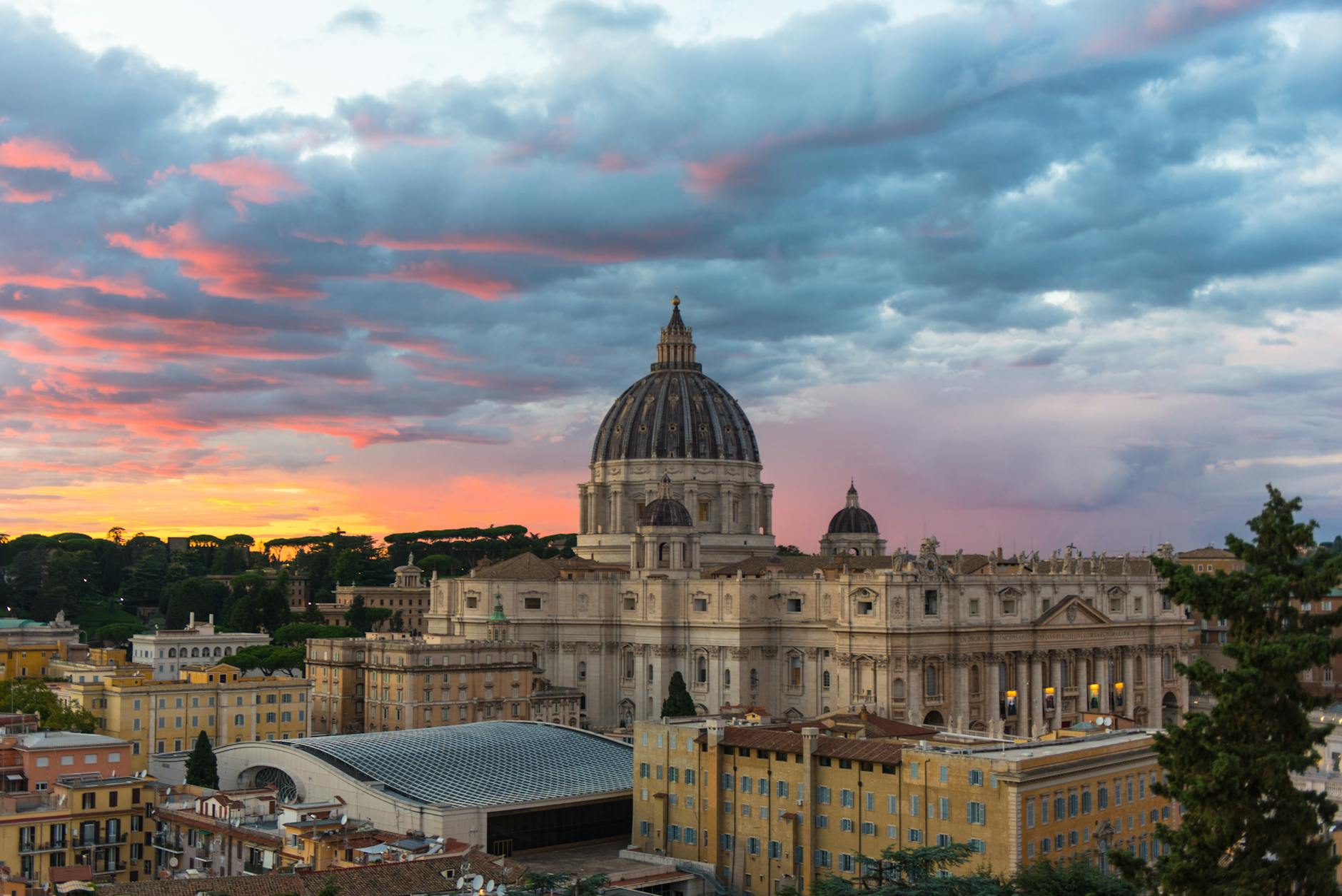
Vatican City is a sovereign state within Rome — 44 hectares containing some of humanity’s greatest artistic and spiritual treasures. The Vatican Museums hold 70,000 works spanning 5,000 years, culminating in Michelangelo’s Sistine Chapel ceiling. St. Peter’s Basilica is the largest church ever built, and Bernini’s colonnade embraces Piazza San Pietro with 284 columns. Whether you’re a believer or not, the sheer concentration of human creative genius here is staggering.
Arrive at the Vatican Museums for the earliest possible entry (book online). Walk briskly through the Galleries of Maps and Tapestries to reach the Sistine Chapel before it fills. Then double back to explore the Raphael Rooms, the Pio-Clementino collection of classical sculpture, and the modern art wing. After the museums, enter St. Peter’s Basilica (free, separate entrance) and climb the 551 steps to the top of Michelangelo’s dome for breathtaking city views.



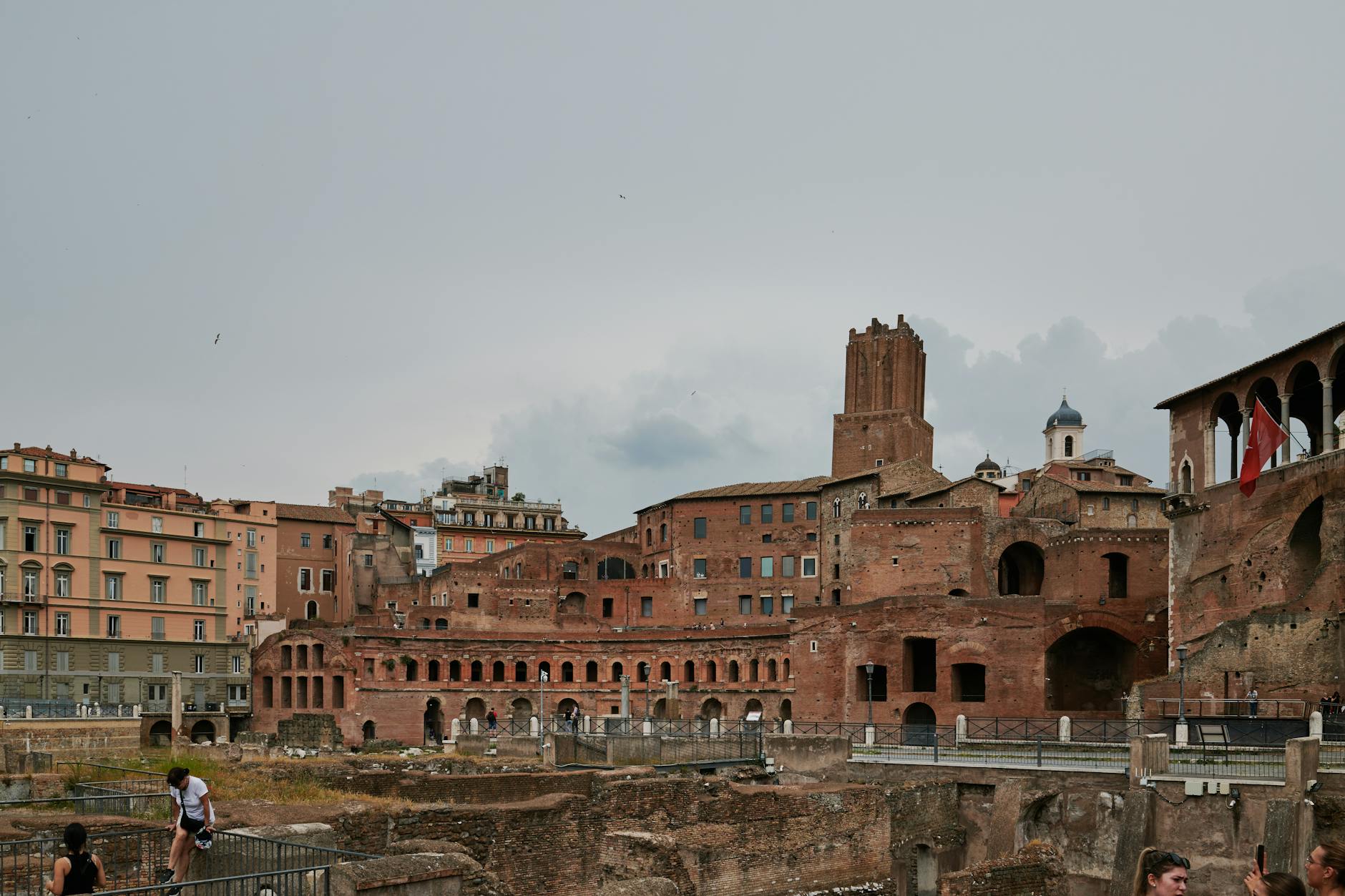
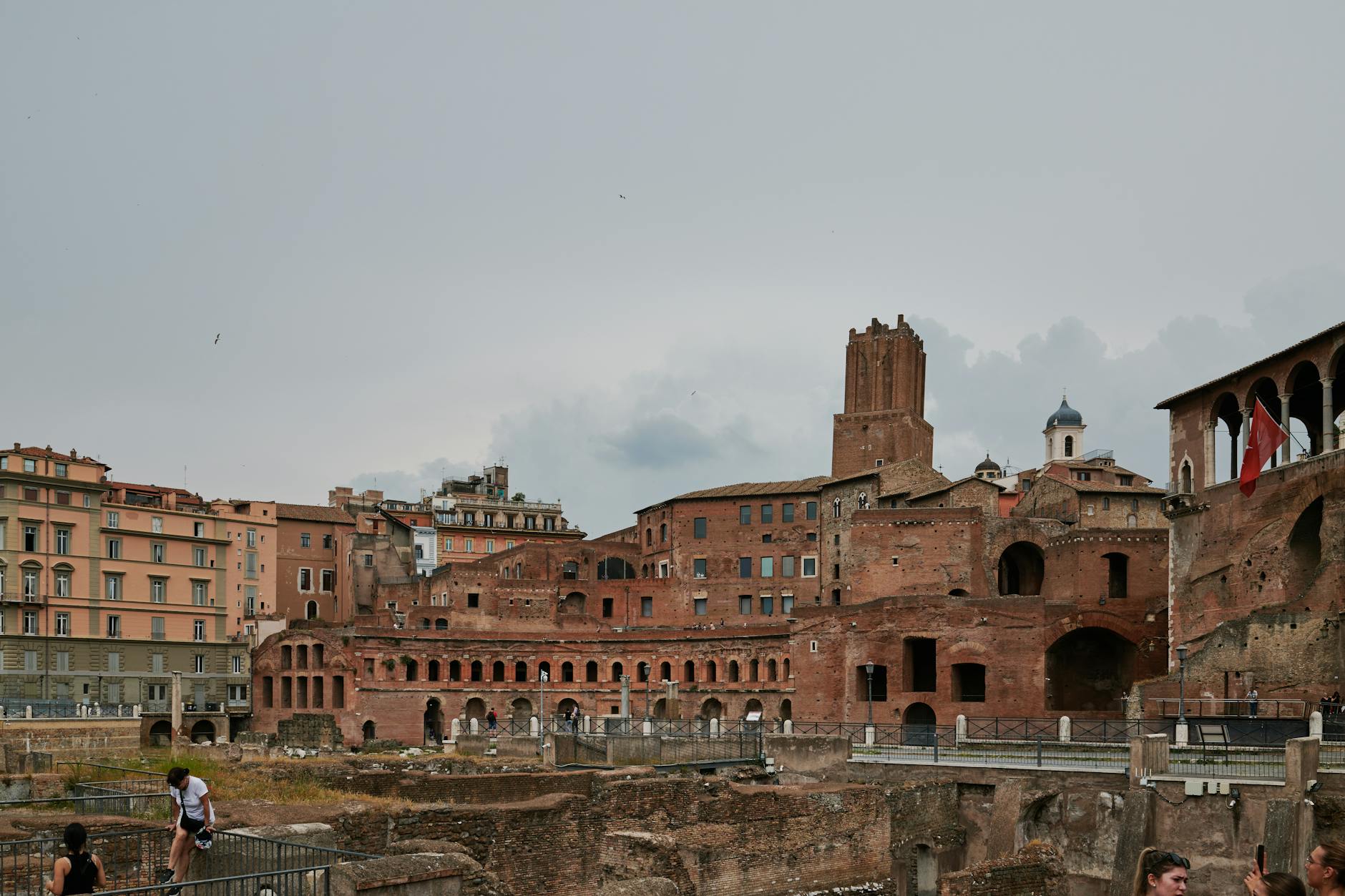
The area around the Colosseum and Roman Forum is where Western civilisation built its political, religious, and entertainment infrastructure. The Colosseum (80 AD) could hold 50,000 spectators for gladiatorial combat. The Forum was the marketplace and law court of the Republic. The Palatine Hill above was where emperors built their palaces — our word “palace” comes from Palatine. Walking through these ruins, you’re literally walking through the foundations of modern governance, law, and urban planning.
Enter the Colosseum with a pre-booked timed ticket (underground and arena floor access recommended). Cross to the Roman Forum via the ancient Sacred Way, pausing at the Temple of Saturn, the Arch of Titus, and the House of the Vestal Virgins. Climb the Palatine Hill for the Farnese Gardens and sweeping views. End at the Capitoline Museums, designed by Michelangelo, for classical sculpture and Renaissance painting.



Monti is Rome’s oldest rione (district) and its most fashionable. Once the Suburra — ancient Rome’s notorious slum where Julius Caesar grew up — it’s now a village of vintage boutiques, wine bars, artisan workshops, and independent restaurants tucked into cobblestoned lanes. Piazza della Madonna dei Monti is the neighbourhood’s living room, where locals gather on the fountain steps with wine from the nearby enotecas. It’s walkable to the Colosseum but feels a world away.
Start with an espresso at La Bottega del Caffè on Piazza della Madonna dei Monti, then browse the vintage shops on Via del Boschetto and Via Panisperna. Duck into the beautiful church of San Pietro in Vincoli to see Michelangelo’s commanding Moses sculpture (free). In the afternoon, explore the neighbourhood’s wine bars and enotecas, and stay for the evening aperitivo scene on the piazza.


Testaccio is where Romans go to eat. This working-class neighbourhood, built around the old slaughterhouse (Mattatoio) and an artificial hill made of 53 million ancient Roman amphorae (Monte Testaccio), is the birthplace of Rome’s most iconic dishes: coda alla vaccinara (oxtail stew), pajata (intestines), and the fifth quarter offal tradition. The Testaccio Market is the city’s best food market, and the neighbourhood is home to trattorias that have served the same recipes for generations.
Start at the Testaccio Market (Nuovo Mercato di Testaccio), a modern covered market where you can graze through supplì, porchetta sandwiches, and fresh pasta. Walk to the Protestant Cemetery, one of Rome’s most serene spots, where Keats and Shelley are buried. Explore the Monte Testaccio hill (visits by appointment), then settle into a long lunch at one of the neighbourhood’s legendary trattorias.


Prati is the orderly, tree-lined neighbourhood just north of the Vatican — Rome’s answer to Paris’s Haussmann boulevards. Built in the late 19th century on a rational grid plan, it’s a welcome contrast to the ancient tangle of the Centro Storico. Wide avenues are lined with Liberty-style buildings, refined shopping streets, excellent restaurants, and some of Rome’s best-value hotels. It’s where savvy visitors stay for Vatican access without tourist-trap pricing.
Use Prati as your base for Vatican exploration. After the museums, walk down Via Cola di Rienzo for shopping — from department stores to independent Italian brands. The covered Mercato Trionfale is one of Rome’s largest food markets, perfect for picnic supplies. Cross the Ponte Cavour or Ponte Umberto I for easy access to Piazza Navona and the Centro Storico. In the evening, Prati’s restaurants fill with locals, not tourists.


San Lorenzo is Rome’s scrappy, creative university district — the neighbourhood around La Sapienza, one of Europe’s largest universities. Heavily bombed during World War II (the only Roman neighbourhood to be targeted), San Lorenzo rebuilt itself as a centre of anti-establishment culture, street art, and affordable dining. Today it’s where students, artists, and young Romans eat €6 pizzas, drink craft beer, and fill the streets every night. It’s the antidote to touristy Rome.
Start at the magnificent Basilica di San Lorenzo fuori le Mura (one of Rome’s seven pilgrimage churches), then explore the surrounding streets for some of Rome’s most impressive street art murals. Walk through the Verano Cemetery — a monumental city of the dead with elaborate tombs and marble sculptures. In the evening, San Lorenzo comes alive: beer halls, cheap trattorias, live music venues, and a buzzing sidewalk scene.


EUR (Esposizione Universale Roma) was built by Mussolini for a 1942 World’s Fair that never happened due to the war. The result is a surreal urban landscape of monumental rationalist architecture — marble colonnades, artificial lakes, and grand boulevards that feel like a Giorgio de Chirico painting come to life. The iconic Palazzo della Civiltà Italiana (“Square Colosseum”), now Fendi’s headquarters, is one of Rome’s most photographed buildings. EUR is fascinating, unsettling, and utterly unlike any other part of Rome.
Take Metro Line B to EUR Fermi or EUR Palasport. Walk from the Palazzo della Civiltà Italiana (exterior only, but striking) through the formal gardens to the artificial lake, where locals jog and picnic. Visit the Museum of Roman Civilization for scale models of ancient Rome, and the fascinating Museum of Early Italian Civilizations. The Luneur Park (Rome’s oldest amusement park, recently renovated) is nearby for families.


Ostiense is Rome’s most rapidly evolving neighbourhood, centred on the old Mercati Generali wholesale markets and the converted Gazometro (gasworks). Street art covers entire building facades, craft breweries occupy former warehouses, and the Eataly food emporium fills a massive former air terminal. The Centrale Montemartini museum — classical Roman sculpture displayed among diesel engines in a 1912 power station — is one of Rome’s most original art experiences.
Start at Centrale Montemartini (€10) for the unforgettable juxtaposition of ancient marble and industrial machinery. Walk along Via Ostiense to admire the large-scale street art murals, then stop at Eataly for a grazing lunch or food shopping. Cross to the regenerating Gazometro area for craft beer at a converted warehouse brewery. In the evening, the neighbourhood’s restaurants and bars draw a young, creative crowd.


The Aventine Hill is one of Rome’s seven original hills and its most serene escape. While tourists crowd the Colosseum below, the Aventine offers rose gardens, ancient basilicas, and the famous keyhole at the Knights of Malta priory — peek through and see a perfectly framed view of St. Peter’s dome at the end of a hedge-lined avenue. The adjacent Celio hill holds the haunting Basilica dei Santi Quattro Coronati and its 13th-century cloister, one of Rome’s most peaceful hidden treasures.
Walk up from the Circus Maximus to the Orange Garden (Giardino degli Aranci) for sweeping views over Rome and the Tiber. Continue to the Piazza dei Cavalieri di Malta for the famous keyhole view. Visit the Basilica di Santa Sabina (5th century, beautifully austere) and the rose garden (Roseto Comunale, free in May–June). Cross to the Celio hill for the atmospheric Basilica dei Santi Quattro Coronati and its secret frescoed chapel.


Parioli is Rome’s most upscale residential neighbourhood, a leafy enclave of tree-lined avenues, Art Nouveau villas, and embassy residences bordering the vast Villa Borghese park. The park itself is 80 hectares of gardens, lakes, temples, and museums — including the unmissable Borghese Gallery, home to Bernini’s greatest sculptures and Caravaggio’s most haunting paintings. The MAXXI museum and Auditorium Parco della Musica, designed by Renzo Piano and Zaha Hadid respectively, anchor the cultural scene.
Begin at the Borghese Gallery (mandatory reservation, 2-hour timed entry) for Bernini’s Apollo and Daphne and Caravaggio’s David with the Head of Goliath. After, stroll through the gardens to the Pincio terrace for panoramic views over Piazza del Popolo. Rent a rowboat on the lake (€3/20 min), visit the Globe Theatre replica, and relax in the gardens. In Parioli proper, explore the leafy streets, elegant cafés, and the MAXXI museum of contemporary art.


The Tridente takes its name from the three streets — Via del Corso, Via di Ripetta, and Via del Babuino — that fan south from Piazza del Popolo like a trident. This is Rome’s shopping and glamour district, home to the Spanish Steps, Via Condotti’s luxury boutiques, the Keats-Shelley House, and some of the city’s grandest cafés. Piazza di Spagna has been the meeting point for artists, writers, and romantics for centuries — Keats died in the house overlooking the Steps, and the Caffè Greco has served espresso since 1760.
Start at Piazza del Popolo for the twin churches of Santa Maria dei Miracoli and Santa Maria in Montesanto, then walk down Via del Babuino past galleries and boutiques to the Spanish Steps. Climb the 135 steps to the Trinità dei Monti church for views over the city. Window-shop along Via Condotti (Gucci, Prada, Valentino), then visit the Keats-Shelley House (€6) before settling into the Caffè Greco — Rome’s oldest cafè (1760), frequented by Byron, Goethe, and Casanova.


The Eternal City