
The K-Culture Capital
A hypermodern metropolis where ancient palaces sit beneath neon-lit skyscrapers
The K-Culture Capital
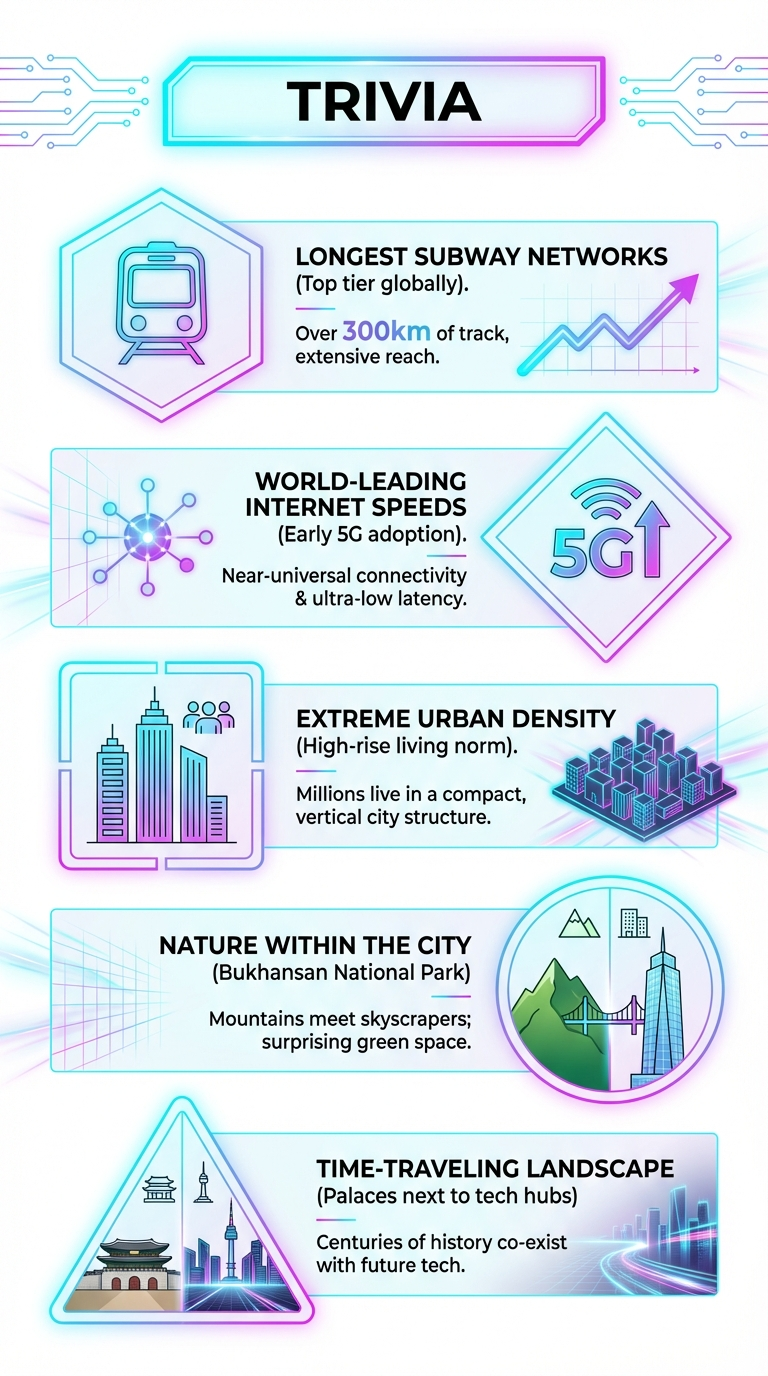
Seoul is a city of dizzying contrasts where a 600-year-old royal palace stands across the street from a glass skyscraper, where monks in grey robes share the subway with K-pop idols in designer streetwear, and where a ₩5,000 bowl of kimchi jjigae at a grandma’s restaurant can be more satisfying than any fine dining meal. The Joseon dynasty’s five grand palaces, the traditional hanok neighborhoods, and the centuries-old markets coexist with the hyper-connected, trend-obsessed culture that gave the world K-pop, K-dramas, and K-beauty.
What makes Seoul truly special is its energy. This is a city that never stops reinventing itself — abandoned industrial spaces become world-class parks (Seoullo 7017), traditional markets get Instagram-famous makeovers, and every neighborhood has its own personality. Hongdae for live music and indie art, Gangnam for luxury and plastic surgery clinics, Itaewon for international food, and Insadong for traditional crafts. And through it all, the stunning mountain backdrop of Bukhansan and Namsan reminds you that nature is never far away.
Seoul
The capital of South Korea, Seoul is a 600-year-old city that has reinvented itself as one of Asia’s most dynamic metropolises. With five UNESCO-listed palaces, the world’s fastest internet, an explosive K-culture scene, and some of the best food on the planet, Seoul rewards every type of traveler.
The essential sights and experiences
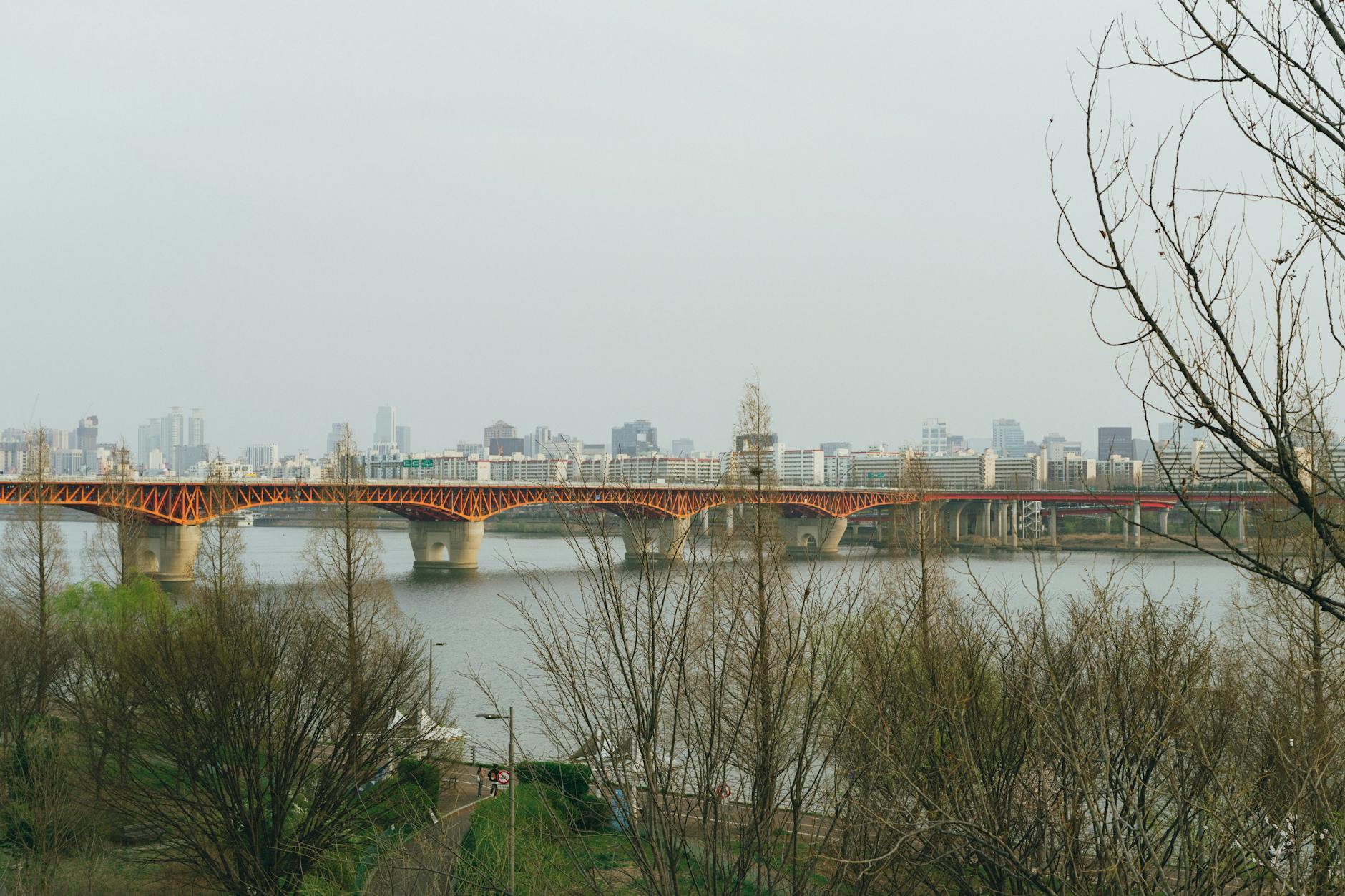
Jongno-gu | ₩3,000
Seoul’s grandest Joseon palace (1395). Watch the Royal Guard Ceremony at 10 AM and 2 PM. Free entry in hanbok.
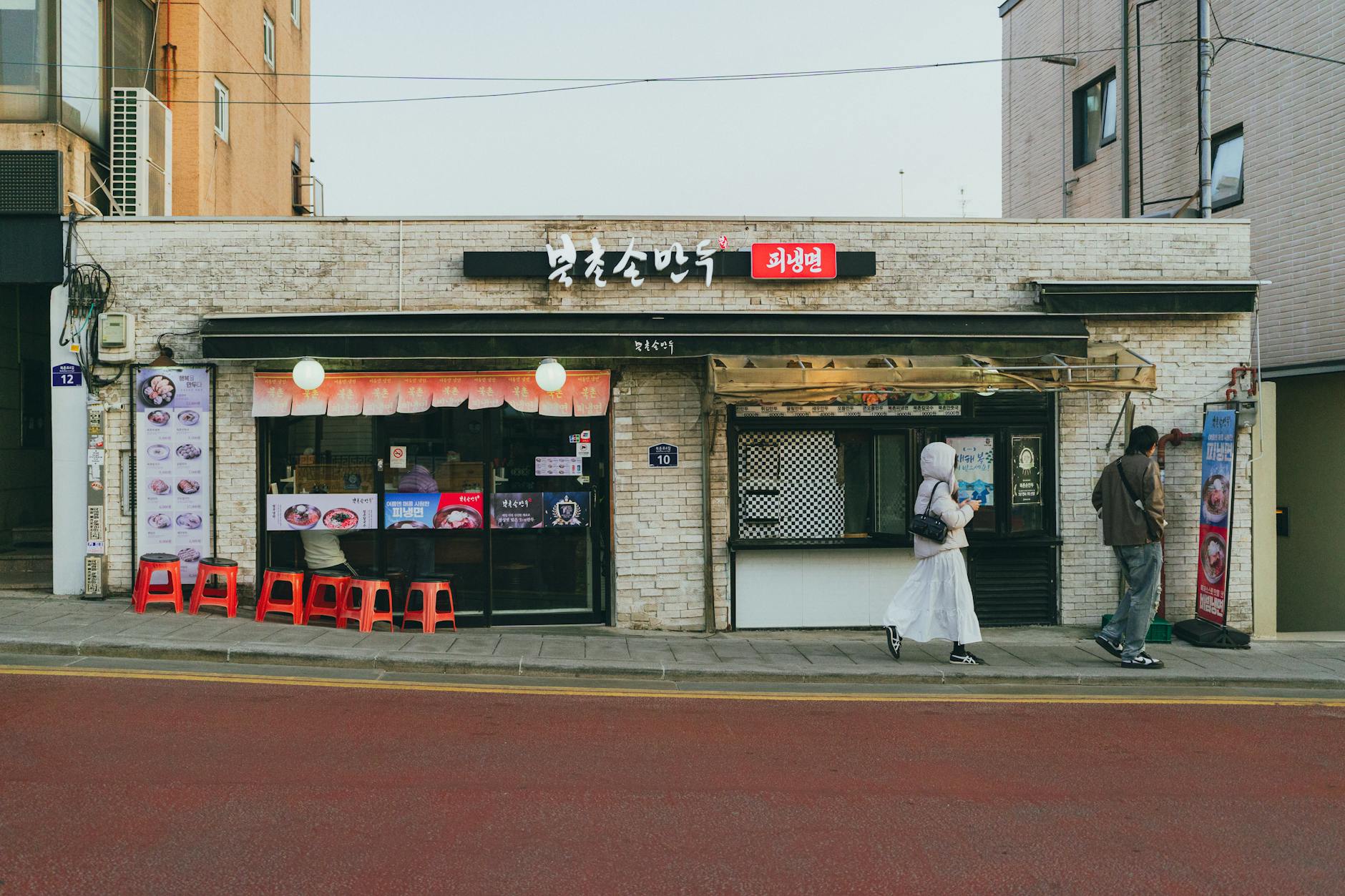
Jongno-gu | Free
600-year-old traditional Korean house (hanok) neighborhood between two palaces. Best photos from the “8 scenic spots.”
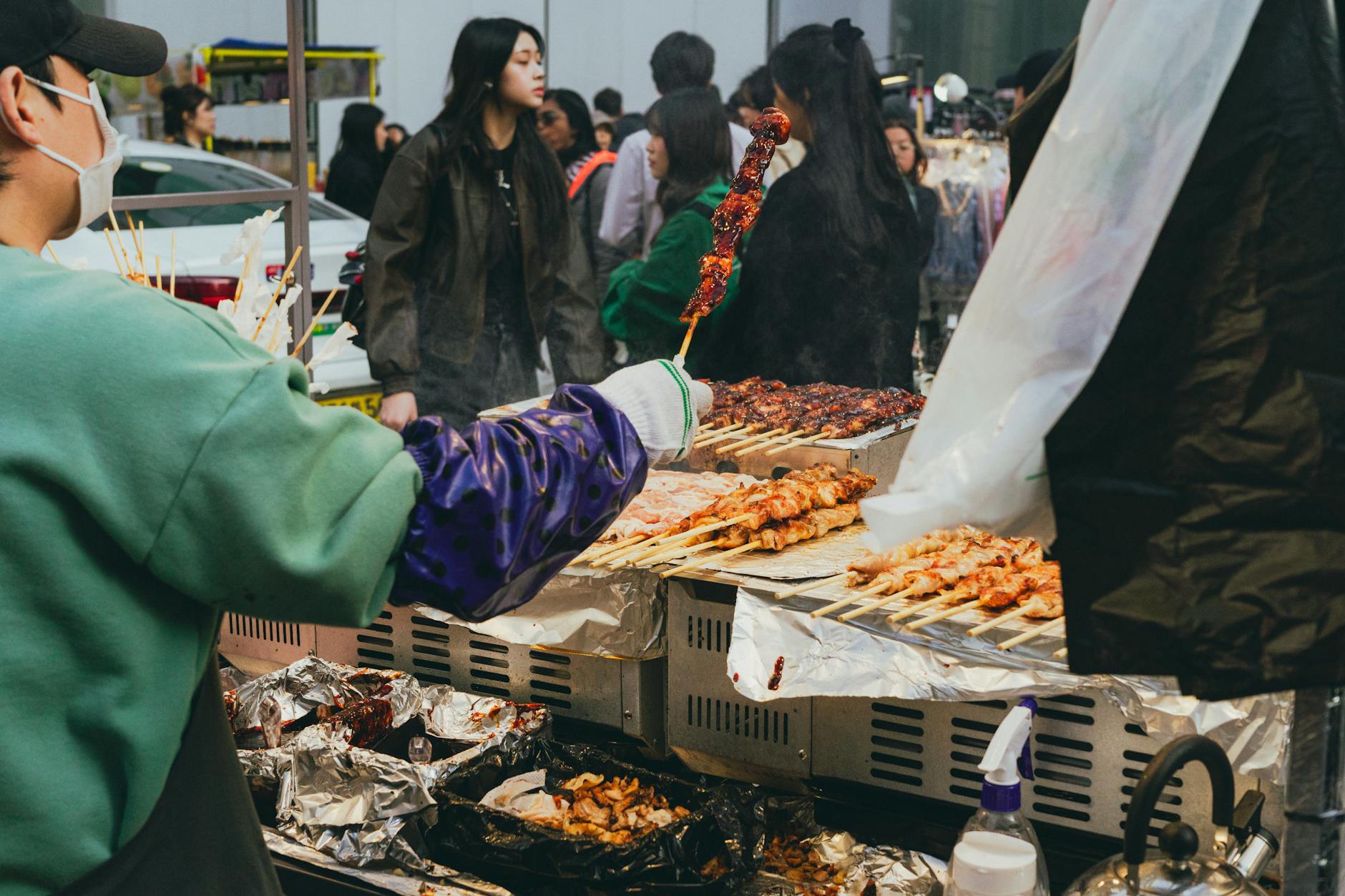
Jung-gu | Free
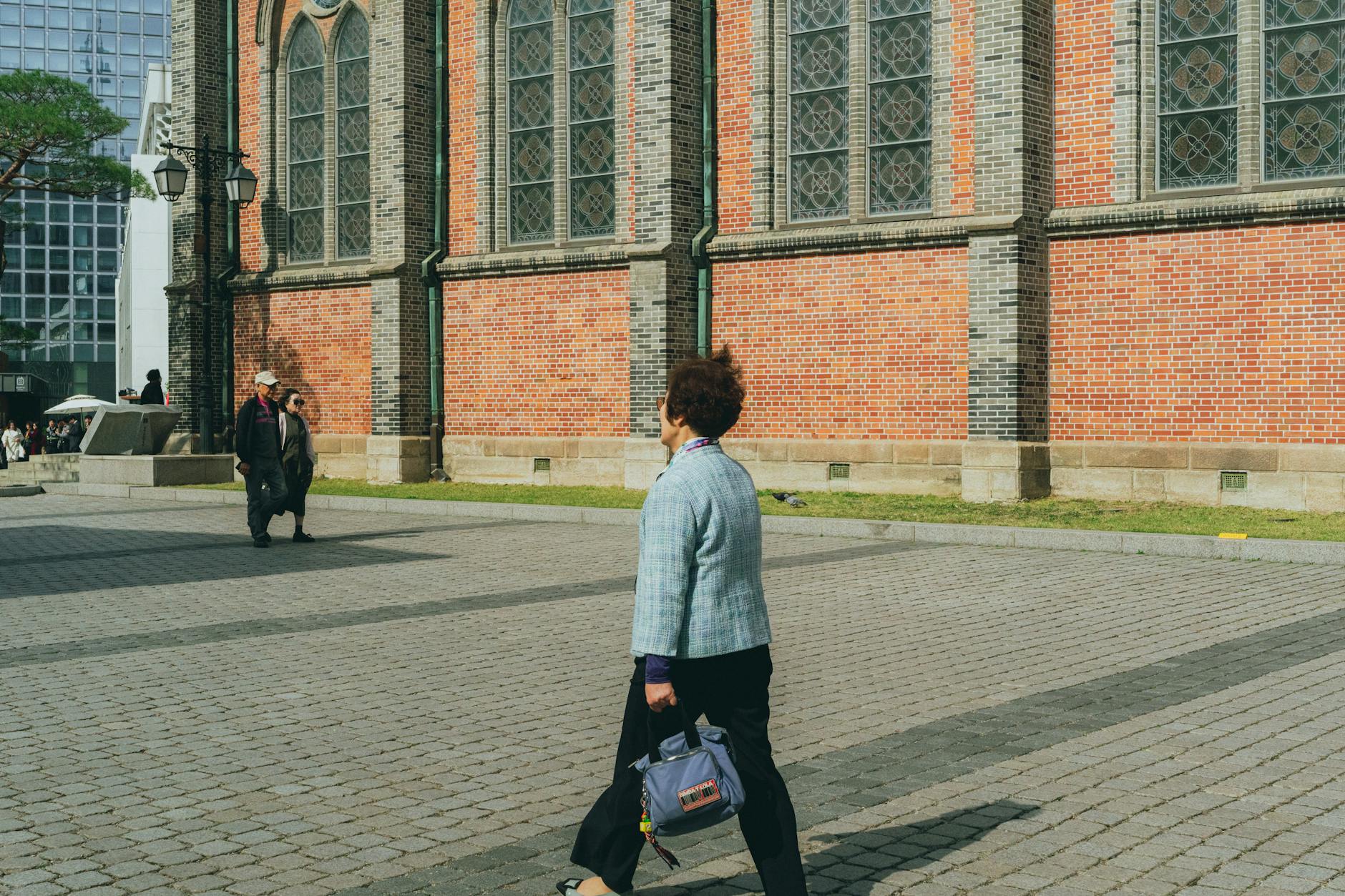
Seoul’s shopping and K-beauty mecca. Hundreds of cosmetics shops, street food stalls, and Myeongdong Cathedral.
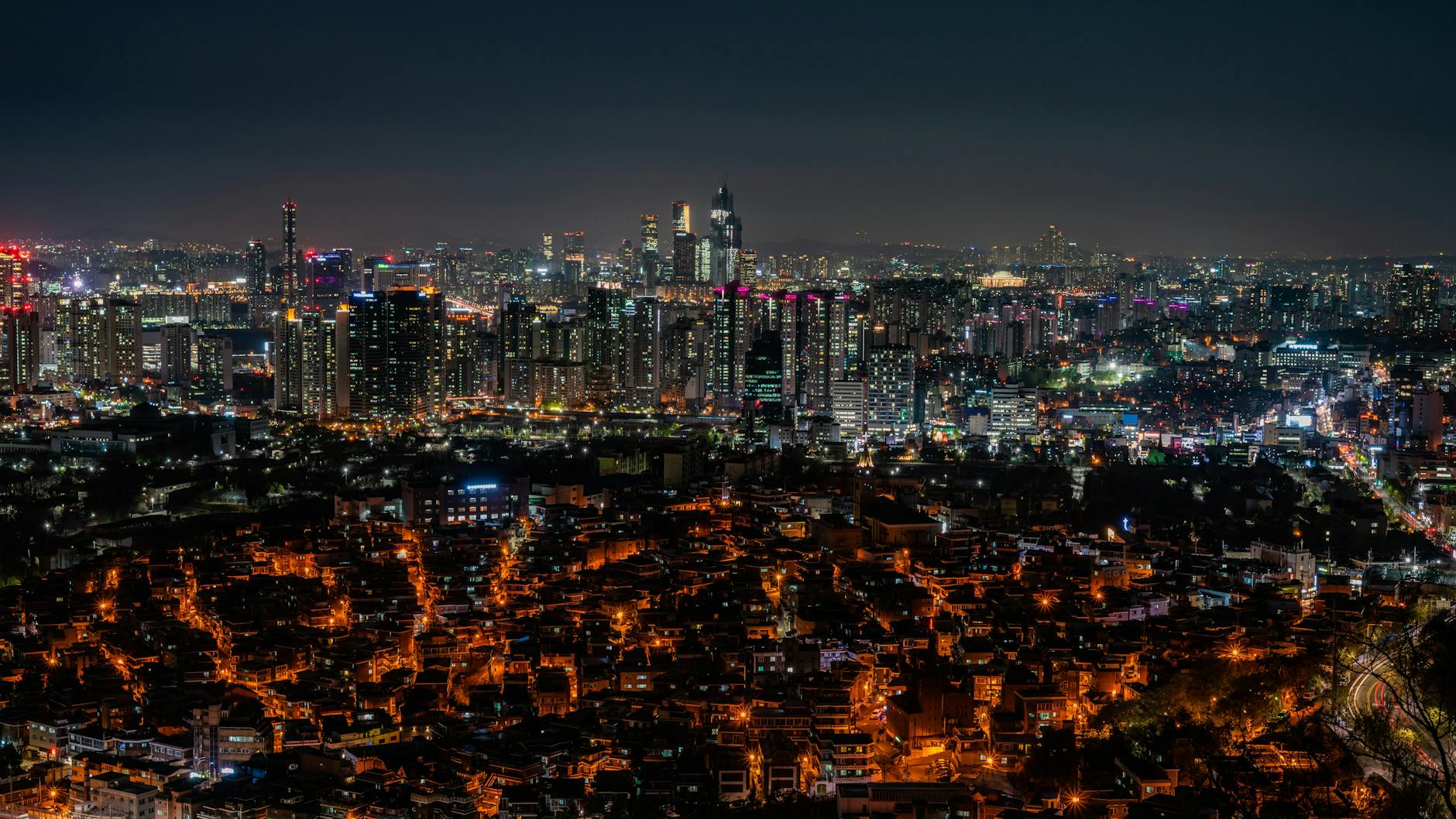
Yongsan-gu | ₩16,000
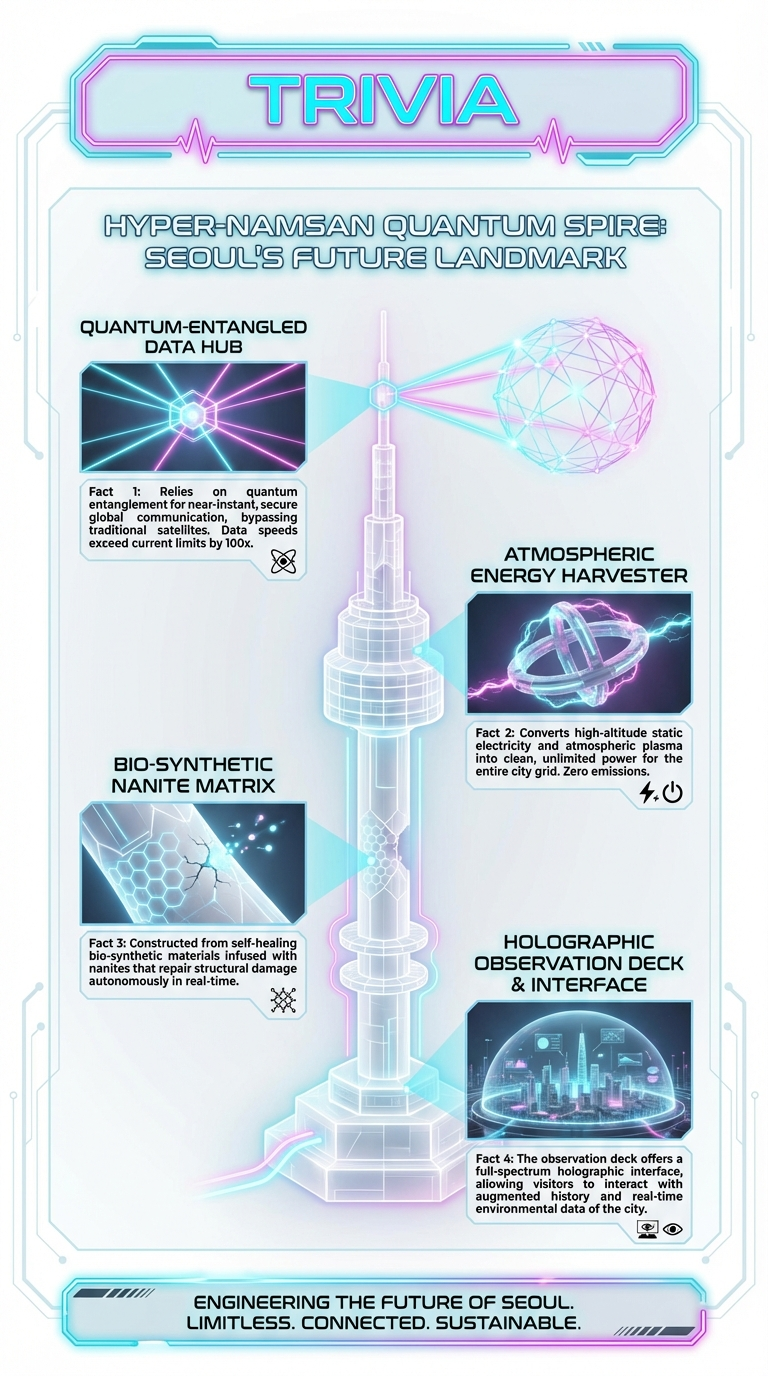
Iconic tower atop Namsan mountain with panoramic city views. Take the cable car (₩12,000 return) or hike up.
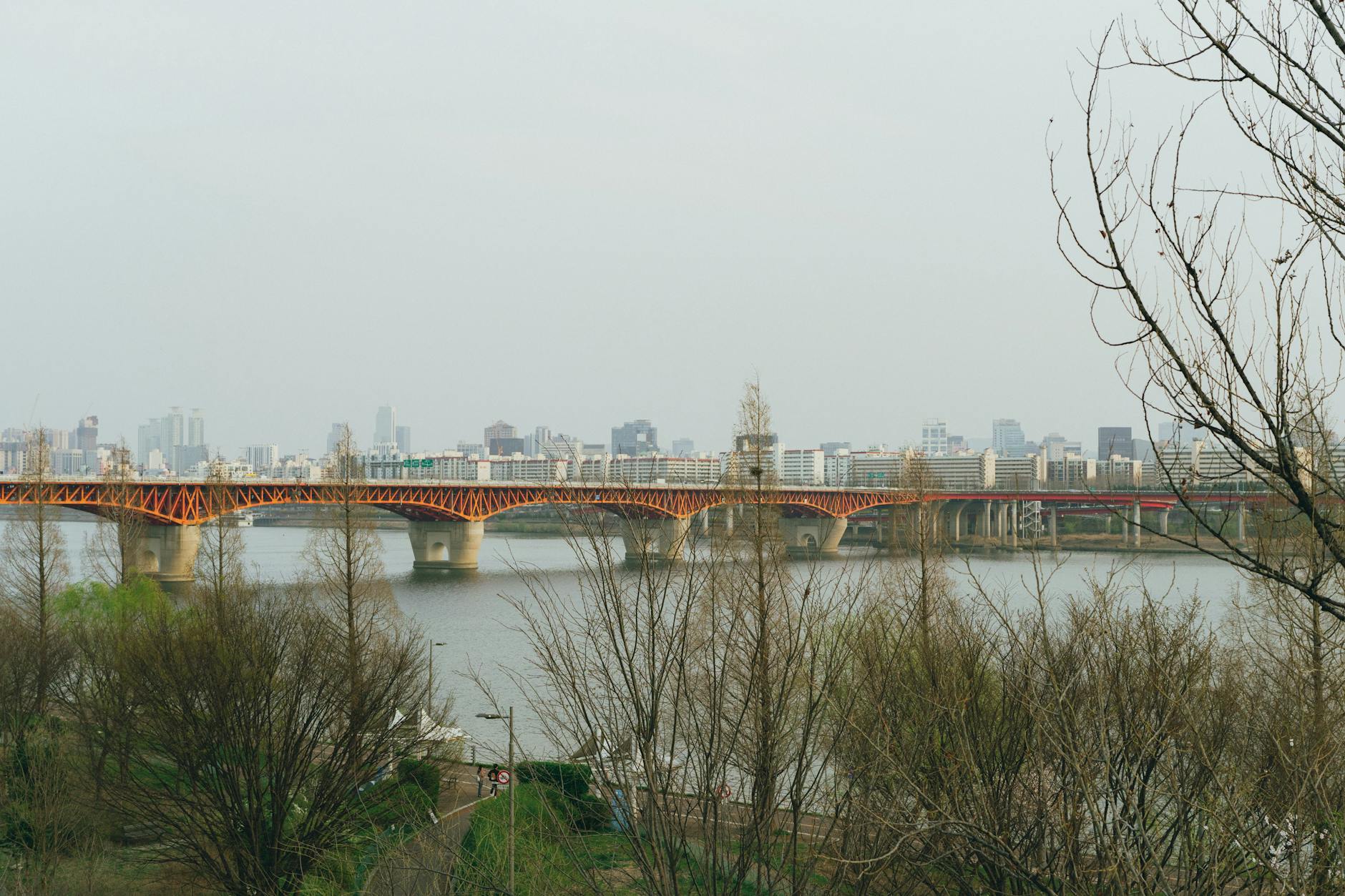
Jongno-gu | ₩3,000
UNESCO World Heritage palace with the exquisite Secret Garden (Huwon). Book the ₩5,000 garden tour in advance.
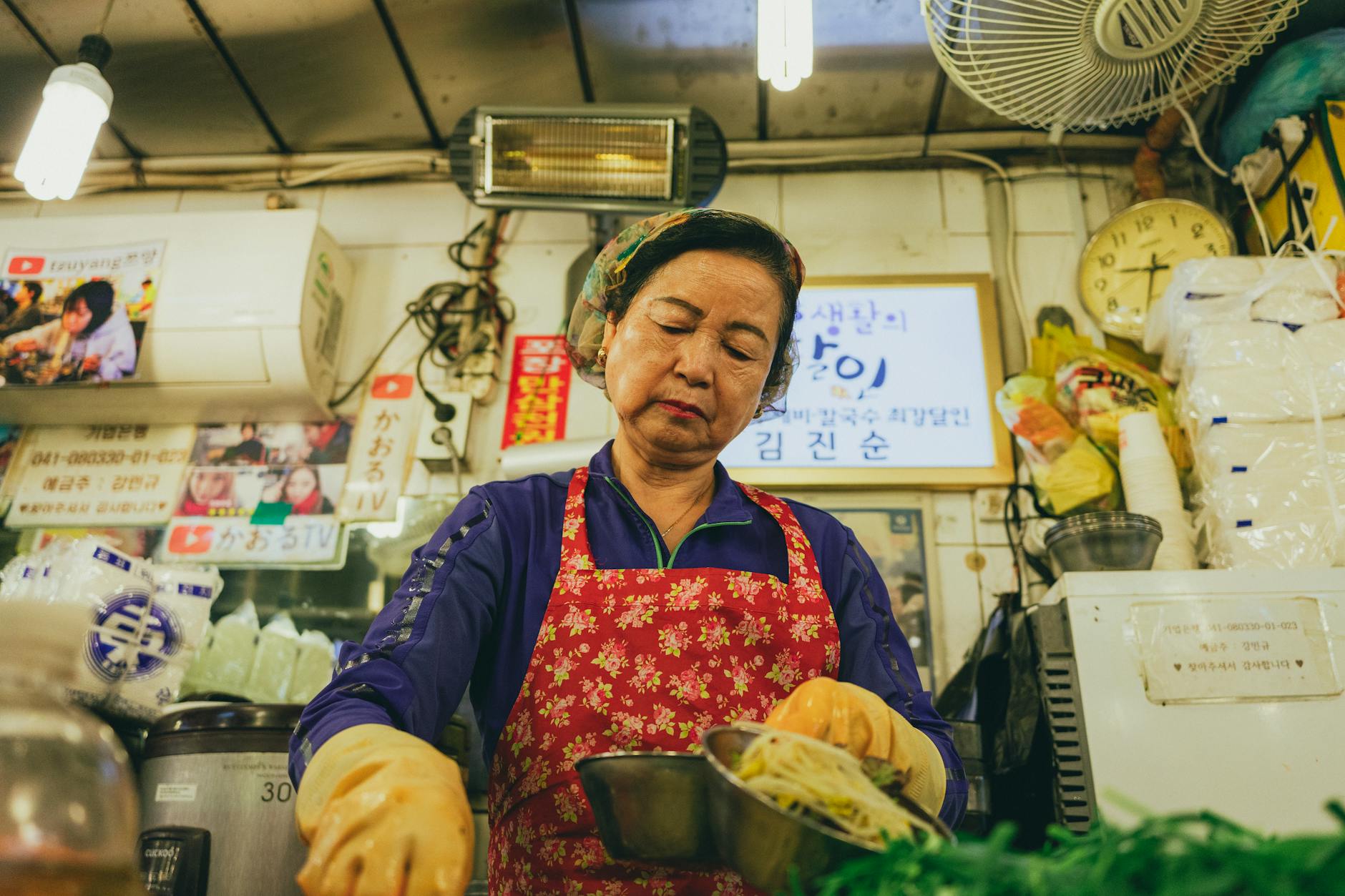
Jongno-gu | Free
Seoul’s oldest traditional market (1905). Famous for bindaetteok (mung bean pancakes) and mayak gimbap (“addictive” rice rolls).
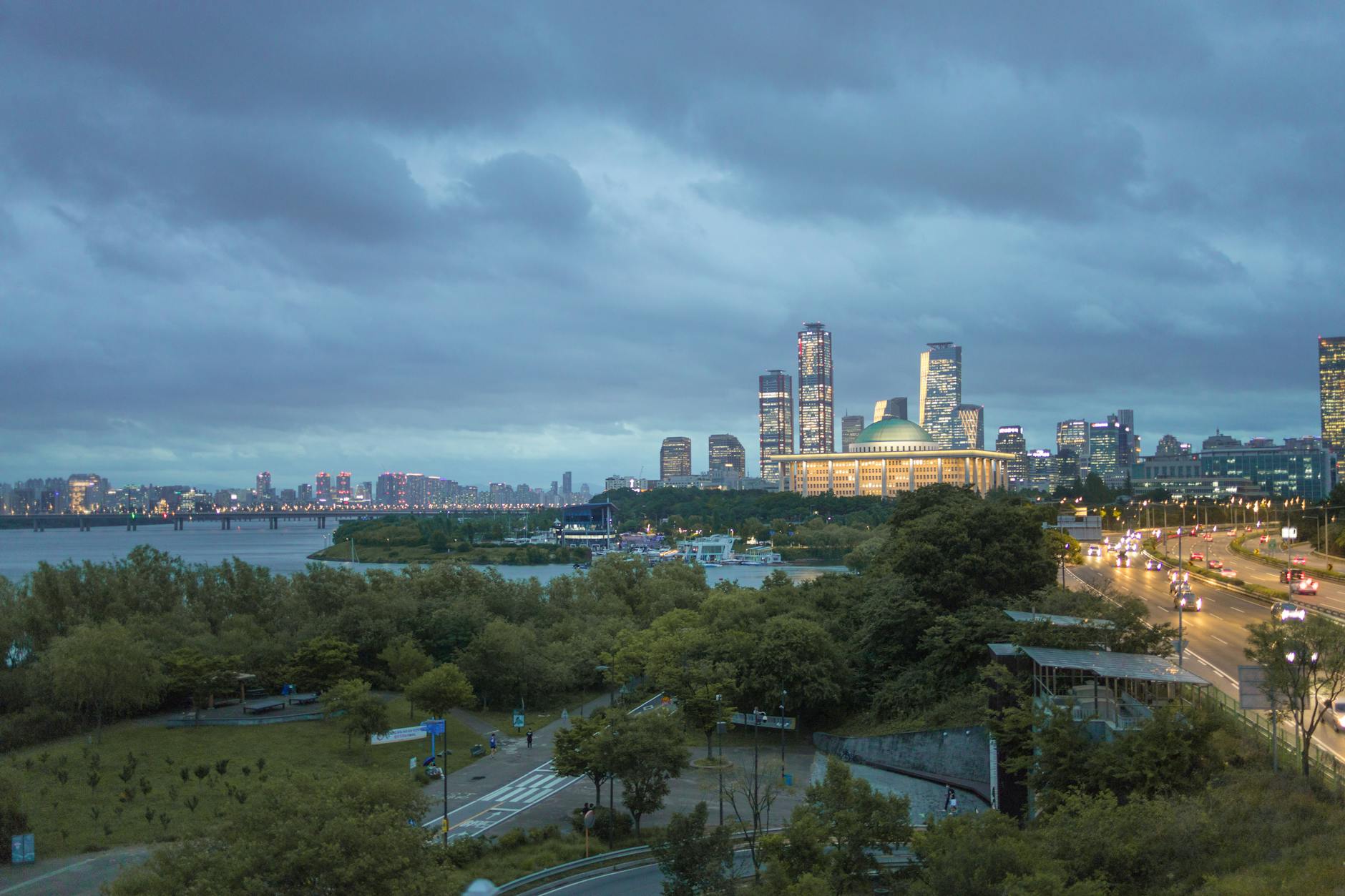
Mapo-gu | Free
University district with live street performances, indie shops, clubs, and cafes. Seoul’s creative heart.
Yongsan-gu | Free
Seoul’s most international neighborhood with global restaurants, rooftop bars, and the National Museum of Korea (free).
Jung-gu | Free (building)
Zaha Hadid’s iconic neo-futuristic landmark. Night markets, design exhibitions, and stunning LED rose garden at night.
Yongsan-gu | Free
Powerful museum documenting the Korean War with outdoor displays of military hardware. Moving and educational.
Songpa-gu | ₩27,000 (Seoul Sky)
Korea’s tallest building (555m). Seoul Sky observation deck has a glass floor at 500m.
Gangnam-gu | Free
A serene 8th-century temple amid Gangnam’s skyscrapers. Free temple stay programs available.
Gangnam-gu | Free
Asia’s largest underground mall with the stunning Starfield Library — floor-to-ceiling bookshelves in an open atrium.
Jongno-gu | Free
Seoul’s trendiest hanok neighborhood with hip cafes, vintage shops, and Korean fusion restaurants in traditional houses.
Central Seoul | Free
Restored urban stream running 10.9 km through central Seoul. A lovely walking path with public art and lantern festivals.
Dongjak-gu | Free
Buy live seafood from vendors and have it prepared at restaurants upstairs. Sashimi platters from ₩20,000.
Northern Seoul | ₩1,600
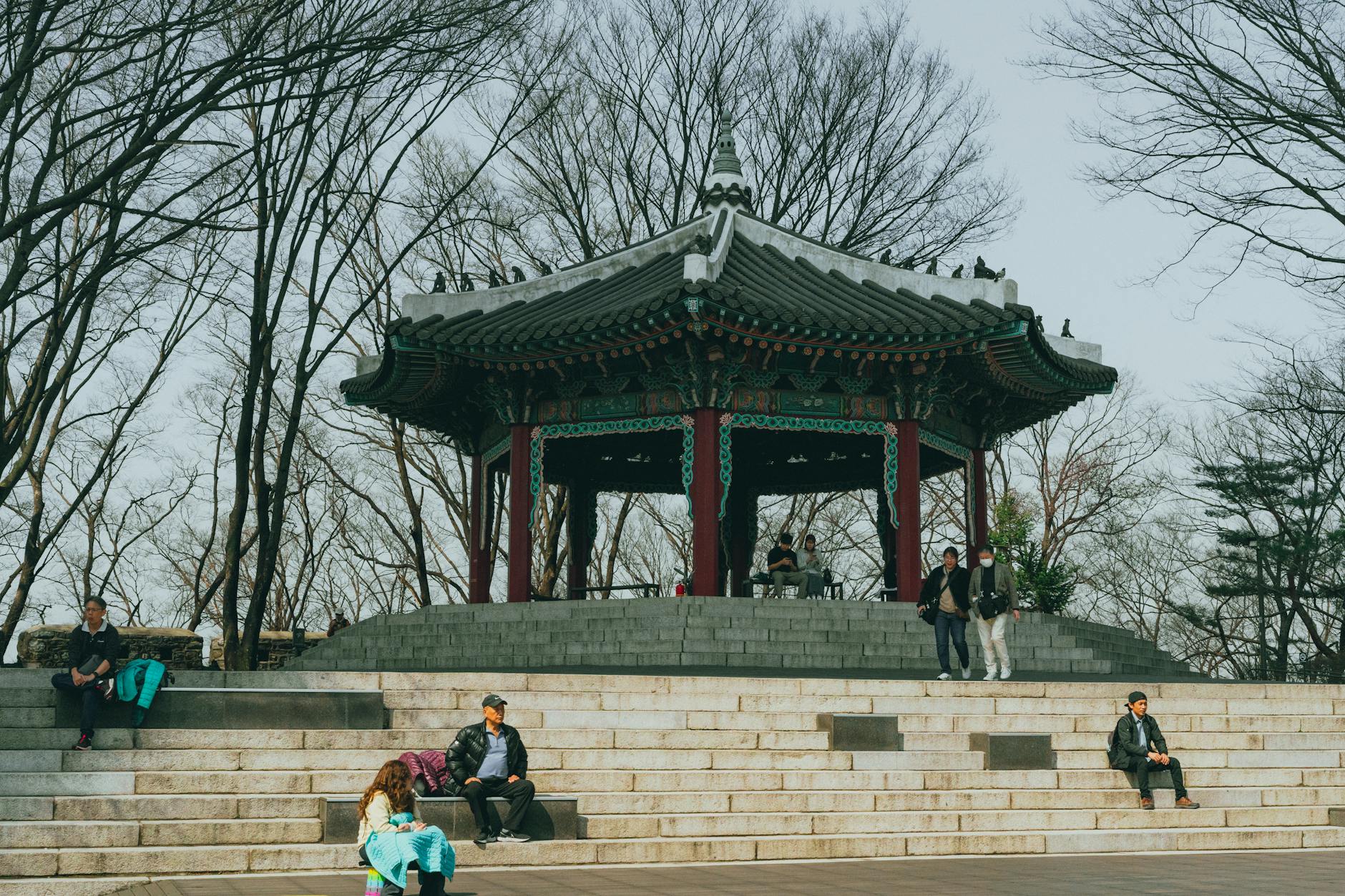
Stunning granite peaks within the city limits. Hike to Baegundae Peak (836m) for panoramic views.
Jongno-gu | Free
Traditional arts and crafts street with galleries, tea houses, and Ssamziegil’s spiral shopping complex.
19. Gangnam (Gangnam-gu, Free): Seoul’s affluent southern district. K-pop entertainment companies, luxury shopping, and trendy cafes.
20. DMZ Tour (52 km north of Seoul, ₩60,000–100,000 (tour)): Visit the world’s most heavily fortified border. See the Joint Security Area, tunnels, and Dorasan Observatory.
Essential practical information
Credit cards are accepted almost everywhere, even at street stalls. Samsung Pay and Apple Pay work widely. ATMs at CU and GS25 convenience stores accept international cards.
Seoul is extremely safe. Violent crime is rare. Women can walk alone at night without concern in most areas. Lost items are commonly returned.
Free Wi-Fi everywhere — subway, buses, cafes, and even hiking trails. South Korea has the world’s fastest internet. Portable Wi-Fi not really necessary.
Most visa-exempt travelers need to apply for K-ETA (Korean Electronic Travel Authorization) online before arrival (₩10,000, valid 2 years).
English is widely understood by younger people but limited among older generations. Korean subway announcements are in Korean, English, Chinese, and Japanese.
Soju is the national spirit. When someone pours you a drink, hold your glass with both hands. Never pour your own drink. Drinking is deeply social.
Korea traditionally uses a different age counting system (you’re 1 at birth). The legal system switched to international age in 2023, but old habits persist.
Korea has the world’s most advanced delivery culture. Order anything to be delivered anywhere — including fried chicken to a park bench via Baemin or Coupang Eats.
| Budget Level | Daily Cost | Includes |
|---|---|---|
| Budget | ₩50,000–80,000/day | Guesthouse, street food, subway |
| Mid-Range | ₩120,000–200,000/day | Hotel, Korean BBQ, taxis |
| Luxury | ₩400,000+/day | Five-star hotel, fine dining, private car |
Navigate the city like a local
Incheon Airport (ICN): AREX Express to Seoul Station (₩9,500, 43 min) or AREX All-Stop (₩4,150, 58 min). Airport bus to major districts (₩10,000–16,000, 60–90 min). Gimpo Airport (GMP): Metro Line 5/9 or AREX to central Seoul (₩1,250–2,150, 20–40 min).
23 lines covering the entire metropolitan area. Color-coded, English signage, free Wi-Fi. Cost: ₩1,250–₩2,150/ride
Extensive network. Blue (trunk), green (branch), red (express). T-money works. Cost: ₩1,200/ride
Affordable and plentiful. Regular (silver), deluxe (black). Kakao T app for hailing. Cost: ₩4,800 base + ₩100/131m
Seoul to Busan in 2h15m. Book at Korail for day trips. Cost: ₩59,800 (Seoul–Busan)
Seoul Bike (“Ttareungi”) public bike-share. ₩1,000/hour via app. Cost: ₩1,000/hour
When to go and what to expect
Cherry blossoms (early April) along Yeouido and Namsan. Perfect weather (10–22°C). Book ahead for Yeouido Cherry Blossom Festival.
Hot and humid (25–35°C) with monsoon rains in July. Boryeong Mud Festival. Great for Bukhansan hikes if you dodge the rain.
Autumn foliage peaks in October–November. Perfect weather (10–25°C). The best season for Seoul. Bukhansan’s colors are spectacular.
Cold (−6 to 4°C) with occasional snow. Christmas illuminations, ice skating at Seoul Plaza, and cozy jjimjilbang (spa) visits.
Seoul — best experienced in March–May, September–NovemberMake the most of your time
Extended stays and themed routes
Add a DMZ tour (full day), the trendy Seongsu-dong district (Seoul’s Brooklyn), and a full day exploring Gangnam’s upscale cafes, COEX Aquarium, and Apgujeong Rodeo Street.
Take the KTX to Busan (2h15m) for Haeundae Beach and Gamcheon Culture Village, visit Jeonju for bibimbap’s birthplace, and explore Suwon’s Hwaseong Fortress (UNESCO, 30 min from Seoul).
Lotte World theme park, the Children’s Museum in Gyeongbokgung, a hanbok dress-up day, and the interactive exhibits at the National Folk Museum. Korean BBQ is always a kid-friendly hit.
Gwangjang Market food crawl, a Korean BBQ lesson, jjimjilbang (spa) for sikhye and eggs, Noryangjin fish market, and a temple food experience at Balwoo Gongyang (Michelin-starred Buddhist cuisine).
Where six centuries of Korean history live alongside Instagram-ready cafes
The Heart of Old Seoul
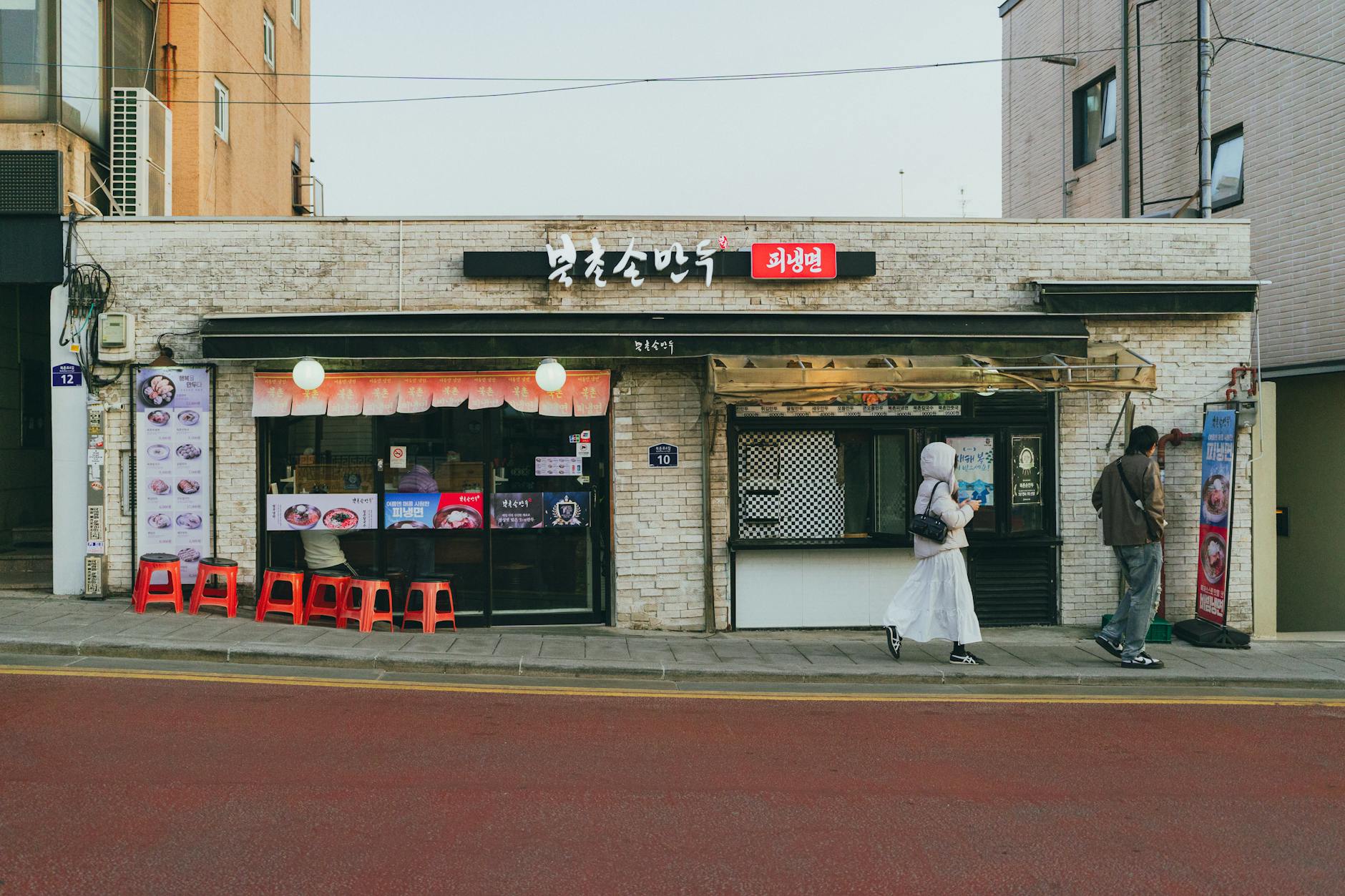
Jongno is Seoul’s historic center, home to four of the city’s five grand palaces and the traditional neighborhoods that have defined the capital for 600 years. Gyeongbokgung Palace anchors the district, its gates opening onto the grand boulevard of Sejong-daero. Behind the palaces, Bukchon Hanok Village preserves hundreds of traditional tile-roofed houses on winding alley streets with views of both palace grounds and modern skyscrapers.
Insadong, a short walk south, is Seoul’s cultural corridor — a pedestrian street lined with galleries, calligraphy shops, traditional tea houses, and the spiral Ssamziegil shopping complex. Every weekend, the street transforms into a vibrant market with street performers and craftspeople. The area’s newest gem is Ikseon-dong, a formerly quiet hanok neighborhood now buzzing with hip cafes, vintage shops, and fusion restaurants set in 1920s-era houses.
Where to eat in Jongno & Insadong
Tosokchon Samgyetang (₩17,000): Seoul’s most famous ginseng chicken soup. Queue at lunch for a whole young chicken stuffed with rice, ginseng, and jujubes.
Gwangjang Market stalls (₩3,000–8,000): Bindaetteok (mung bean pancakes), mayak gimbap, and yukhoe (Korean beef tartare).
Ikseon-dong cafes (₩6,000–12,000): Hanok-converted cafes serving specialty coffee and Korean desserts like bingsu.
Shopping: Insadong for traditional crafts, hanji (Korean paper), and celadon ceramics. Ssamziegil for independent Korean designers.


Where buskers, breakdancers, and baristas define Seoul’s creative pulse
Seoul’s Creative Engine
Hongdae (short for Hongik Daehakgyo, Hongik University) is Seoul’s indie arts and nightlife quarter. The streets around the university are a perpetual festival of buskers, breakdancers, portrait artists, and musicians. By day, the area’s cafes serve as co-working spaces for Seoul’s creative class; by night, the clubs and bars pulse until dawn. Every Friday and Saturday, the Hongdae Free Market features independent artists selling handmade goods.
The neighborhood extends west into Yeonnam-dong — Seoul’s quieter, more relaxed creative district with tree-lined streets, cat cafes, and independent bookshops along the Gyeongui Line Forest Park (a former railway converted into a linear park). Nearby Mangwon-dong has become a food destination with traditional markets and trendy bakeries coexisting on the same street. This whole area represents Seoul’s youthful, creative spirit at its best.
Where to eat in Hongdae & Mapo
Hongdae street food (₩2,000–5,000): Hotteok (sweet filled pancakes), tornado potatoes, egg bread, and Korean corn dogs.
Yeonnam-dong cafes (₩6,000–10,000): Some of Seoul’s best third-wave coffee shops and brunch spots.
Mangwon Market (₩3,000–7,000): Local market with excellent tteokbokki, mandu (dumplings), and fresh banchan.
Nightlife: Club NB, Madholic, and FF for dancing. Noraebang (karaoke) rooms everywhere from ₩15,000/hour. Pojangmacha (tent bars) for late-night soju and snacks.


Where Psy danced and K-pop empires rise in glass and steel
The Glittering South
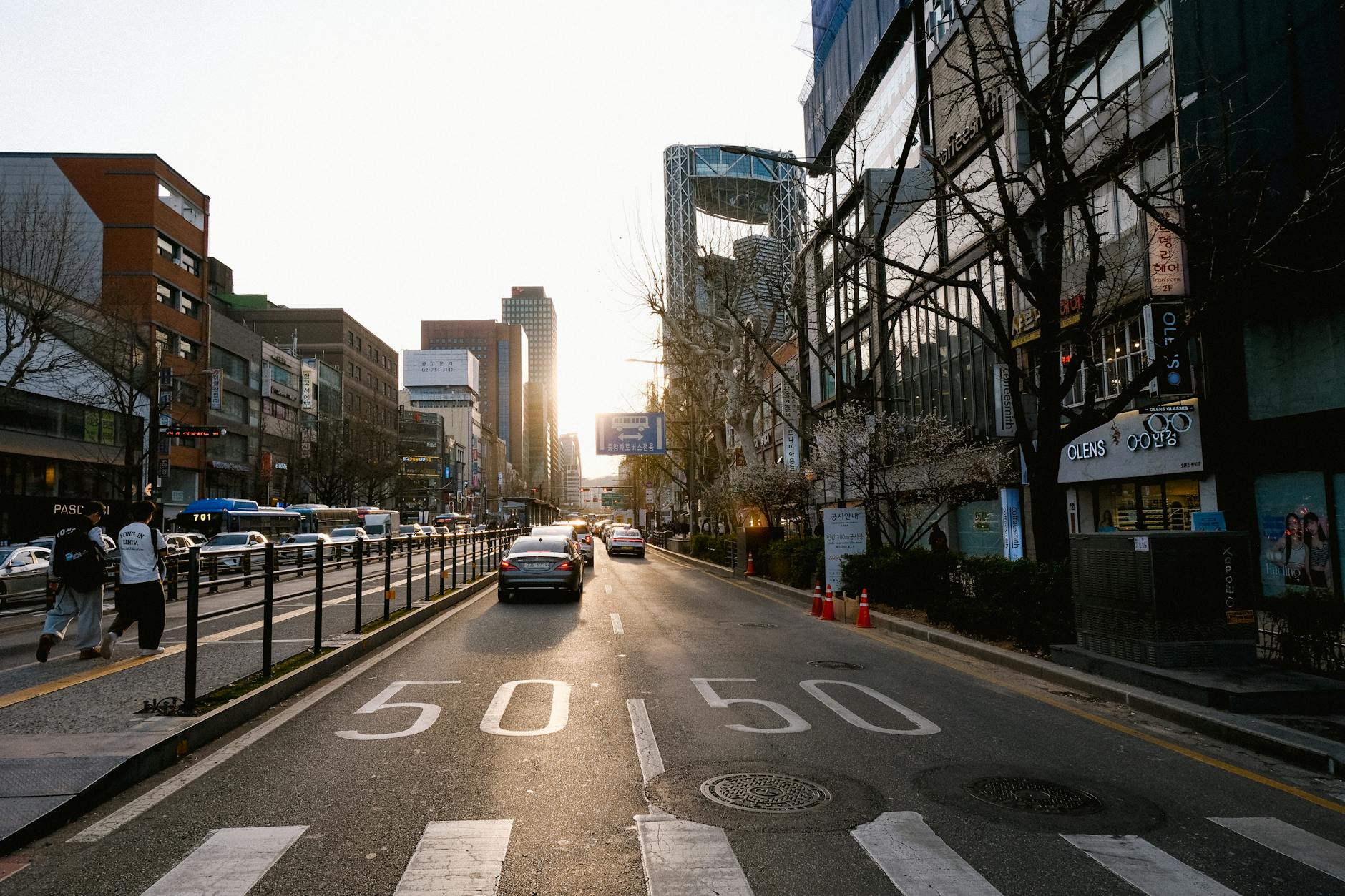
Gangnam — yes, that Gangnam — is Seoul’s affluent southern district, made globally famous by Psy’s 2012 hit. Beyond the meme, Gangnam is a sleek, polished neighborhood of luxury boutiques, high-rise apartments, and K-pop entertainment company headquarters. COEX Mall, one of the world’s largest underground shopping centers, features the stunning Starfield Library with its soaring bookshelves. Lotte World Tower (555m) dominates the skyline.
Apgujeong and Cheongdam-dong, Gangnam’s luxury heart, are where K-pop idols shop and Seoul’s wealthy dine. Garosu-gil (a tree-lined street in Sinsa-dong) offers a more accessible version of Gangnam chic with designer boutiques, brunch cafes, and concept stores. The area is also the global center of K-beauty, with flagship stores for brands like Sulwhasoo and Amorepacific. Bongeunsa Temple, a 1,200-year-old Buddhist temple, provides a peaceful escape amid the towers.
Where to eat in Gangnam & Apgujeong
Mingles (₩150,000+): Two Michelin stars. Chef Mingoo Kang’s modern Korean cuisine is world-class.
Garosu-gil brunch spots (₩15,000–25,000): Trendy cafes serving avocado toast, souffle pancakes, and specialty coffee.
Korean BBQ in Gangnam (₩30,000–60,000): Premium hanwoo beef at upscale grills like Born and Bred.
Shopping: Cheongdam-dong for luxury brands, Garosu-gil for Korean designers, and COEX Mall for everything under one (underground) roof.


What to eat and where to find it
Korean food is a revelation — bold, fermented, spicy, and served in quantities that will leave you stunned. Every meal comes with banchan (free side dishes), every table has a grill or a stew pot, and every Korean grandmother believes you haven’t eaten enough. Seoul is where Korea’s regional cuisines converge: Jeonju-style bibimbap, Busan-style seafood, Jeju black pork, and Seoul’s own royal court cuisine. The city has more fried chicken restaurants than there are McDonald’s locations worldwide.
Korean BBQ (Samgyeopsal) (₩13,000–20,000/serving): Thick slices of pork belly grilled at your table, wrapped in lettuce with garlic, ssamjang, and kimchi.
Kimchi Jjigae (₩7,000–9,000): Spicy fermented kimchi stew with pork and tofu. Korea’s ultimate comfort food, served bubbling hot in a stone pot.
Bibimbap (₩8,000–12,000): Rice topped with seasoned vegetables, gochujang (chili paste), and a fried egg. Mix everything together before eating.
Tteokbokki (₩3,000–5,000): Chewy rice cakes in a fiery red gochujang sauce. Street food staple found at every market and pojangmacha.
Samgyetang (₩15,000–20,000): Whole young chicken stuffed with ginseng, rice, and jujubes in a milky broth. Traditionally eaten in summer.
Japchae (₩8,000–12,000): Sweet potato glass noodles stir-fried with vegetables, beef, and sesame oil. A royal court dish that became everyday food.
Chimaek (Fried Chicken + Beer) (₩18,000–25,000): Korean fried chicken (yangnyeom or crispy) with beer. Order via Baemin delivery or visit a chimaek restaurant.
Naengmyeon (₩10,000–13,000): Buckwheat noodles in icy broth (mul) or spicy sauce (bibim). The perfect summer dish.
Best restaurants, markets, and street food
Maple Tree House, Itaewon (₩30,000–50,000): Seoul’s best-known Korean BBQ for tourists with English menus and premium hanwoo beef.
Balwoo Gongyang (₩50,000–80,000): Michelin-starred Buddhist temple food. No garlic, no onion, no meat — yet extraordinary.
Tosokchon (₩17,000): The samgyetang (ginseng chicken soup) that even presidents eat. Near Gyeongbokgung.
Jungsik (₩120,000+): Two Michelin stars. Modern Korean fine dining with a tasting menu that redefines Korean cuisine.
Gwangjang Market: Bindaetteok (₩4,000), mayak gimbap (₩3,000), yukhoe (raw beef, ₩15,000). Sit at the counter and point.
Myeongdong street stalls: Hotteok (₩2,000), egg bread (₩2,500), tornado potatoes (₩4,000), and Korean corn dogs (₩4,000).
Tongin Market: Buy brass coins (₩10,000) and fill a tray with market dishes — a unique DIY lunch box experience.


Understanding the story of Seoul
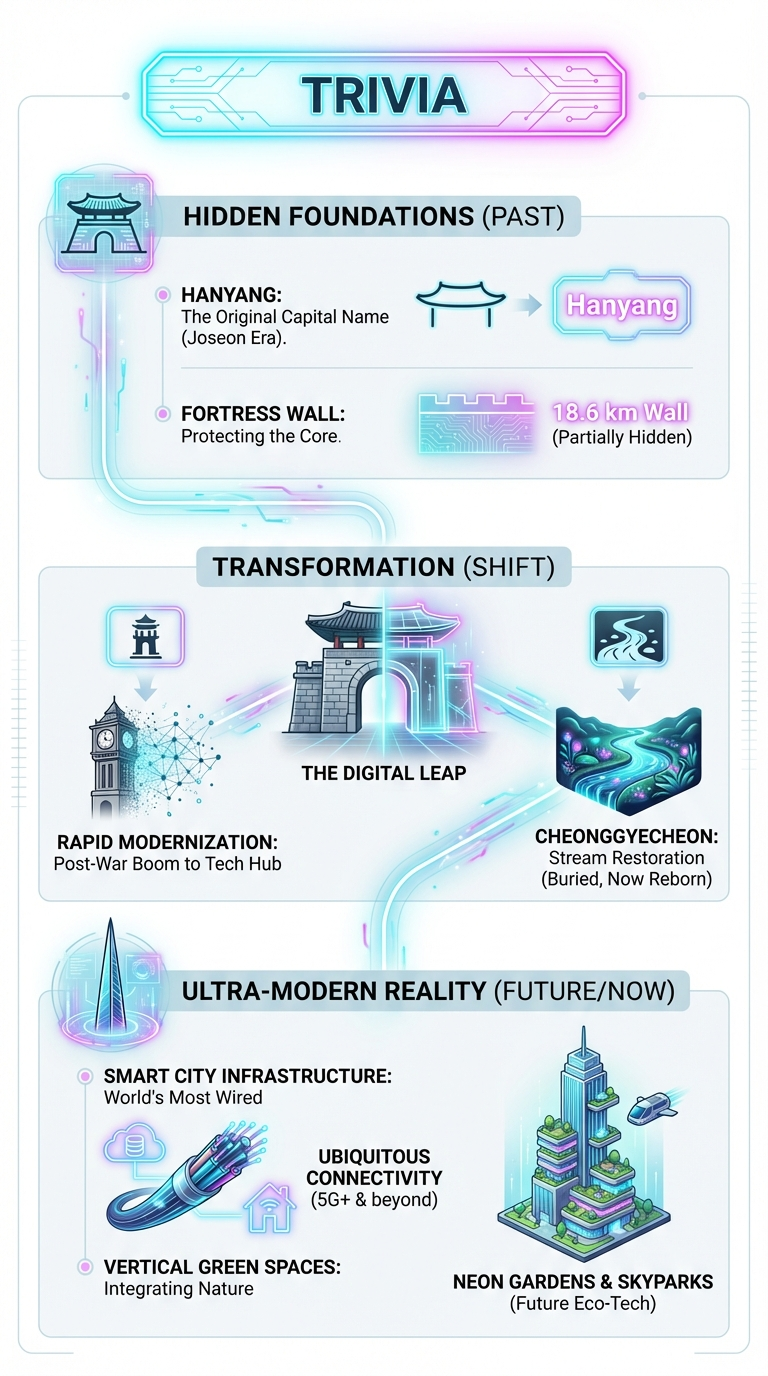
Seoul has been Korea’s capital almost continuously for over 600 years. When the Joseon dynasty’s founder King Taejo chose the site in 1394, he was following ancient principles of feng shui — the city is encircled by mountains and bisected by the Han River. Over the next five centuries, the Joseon kings built five grand palaces, Confucian academies, and the great gates that still define Seoul’s geography. King Sejong the Great (1418–1450) created Hangul, the Korean alphabet, democratizing literacy.
The 20th century brought devastation: Japanese colonial rule (1910–1945) attempted to erase Korean culture, and the Korean War (1950–1953) destroyed 80% of the city. Seoul’s recovery is one of history’s great success stories. From the rubble of war, South Korea achieved the “Miracle on the Han River” — transforming from one of the world’s poorest nations to the 13th largest economy in a single generation. Today’s Seoul, with its 5G connectivity, K-pop global influence, and world-class cuisine, would be unrecognizable to the shell-shocked city of 1953.
Seoul’s culture is a dynamic collision of 600 years of Confucian tradition and hypermodern pop culture. K-pop dominates global music charts, K-dramas have 200+ million international viewers, and K-beauty has revolutionized skincare worldwide. Yet beneath the gloss, traditional values persist: respect for elders (always pour their drinks first), the importance of education, and the communal dining culture where sharing is expected. Jjimjilbang (Korean spas) are essential cultural experiences — half sauna, half community center, where families spend entire evenings sweating, eating roasted eggs, and sleeping on heated floors.
Excursions from Seoul
Seoul’s excellent transit system makes day trips easy, from the tense DMZ to romantic islands and UNESCO fortresses.
The world’s most fortified border. See the Joint Security Area where soldiers from North and South face each other. Entry: ₩60,000–100,000
UNESCO World Heritage fortress (1796) with a 5.7 km wall walk. Try Suwon’s famous galbi (short ribs). Entry: ₩1,000
Romantic tree-lined island famous from K-drama “Winter Sonata.” Combine with the quirky Petite France village. Entry: ₩16,000 (Nami entry)
Korea’s only official Chinatown with jajangmyeon (black bean noodle) restaurants and street food. Entry: Free

Practical information from A to Z
Legal age 19. Soju is cheapest (₩4,000–5,000/bottle at restaurants). Beer at convenience stores from ₩2,000. Makgeolli (rice wine) is excellent.
CU, GS25, and 7-Eleven convenience store ATMs work with international cards. Most places accept credit cards.
Severance Hospital and Samsung Medical Center have international clinics with English-speaking doctors.
220V/60Hz. Type C/F plugs (European-style round pins). Bring an adapter.
Free Wi-Fi on every subway train, at stations, in cafes, and even on mountain trails. Korea has the world’s fastest internet.
No legal protections but growing acceptance, especially among younger generations. Itaewon’s “Homo Hill” is the main LGBTQ+ nightlife area.
Korea Post is efficient and affordable. EMS international shipping available at all post offices.
Shops: 10am–10pm. Restaurants: 11am–10pm (many open later). Palaces: 9am–6pm (later in summer). Convenience stores: 24/7.
Fine dust (PM2.5) from China can be problematic in spring. Check AirVisual app. Masks are widely available.
Tipping is NOT expected in Korea. Service charges are included. Leaving money on the table can cause confusion.
10% VAT included in prices. Tax refund available at airports for purchases over ₩30,000 at tax-free shops.
Excellent. Clean, well-maintained, and everywhere. Some older buildings may still have squat toilets.
Tap water is safe to drink, though most Koreans and restaurants serve filtered water.
The monsoon (jangma) hits in July with heavy rain. Typhoons possible Aug–Sep.
Traditional ondol (underfloor heating) is standard. If staying in a hanok, you’ll sleep on the warm floor — it’s incredibly comfortable.
Getting to and around Seoul
From Incheon Airport (ICN): AREX Express to Seoul Station (₩9,500, 43 min, non-stop). AREX All-Stop (₩4,150, 58 min). Airport Limousine Bus to major hotels (₩10,000–16,000, 60–90 min).
From Gimpo Airport (GMP): Metro Line 5 or 9 (₩1,250, 20–30 min). AREX to Seoul Station (₩1,550, 20 min).
Within Seoul: The subway goes everywhere. T-money card is essential. Buses fill gaps but can be confusing for visitors. Kakao T app for taxis.
| Mode | Details | Cost |
|---|---|---|
| Seoul Metro | 23 lines covering the entire metropolitan area. Color-coded, English signage, free Wi-Fi. | ₩1,250–₩2,150/ride |
| City Bus | Extensive network. Blue (trunk), green (branch), red (express). T-money works. | ₩1,200/ride |
| Taxi | Affordable and plentiful. Regular (silver), deluxe (black). Kakao T app for hailing. | ₩4,800 base + ₩100/131m |
| KTX (High-Speed Rail) | Seoul to Busan in 2h15m. Book at Korail for day trips. | ₩59,800 (Seoul–Busan) |
| Bicycle | Seoul Bike (“Ttareungi”) public bike-share. ₩1,000/hour via app. | ₩1,000/hour |
Essential phrases for travelers
Korean is the sole language. The Korean alphabet (Hangul) is one of the world’s most logical writing systems — you can learn to read it in an hour, even if you don’t understand the words.
| English | Korean |
|---|---|
| Hello | Annyeonghaseyo (안녕하세요) |
| Thank you | Gamsahamnida (감사합니다) |
| Excuse me | Sillyehamnida (실례합니다) |
| Yes / No | Ne / Aniyo (네 / 아니요) |
| How much? | Eolmayeyo? (얼마예요) |
| Delicious! | Mashisseoyo! (맛있어요) |
| Water | Mul (물) |
| Check please | Gyesaniseo juseyo (계산서 주세요) |
| Where is...? | ...eodi-yeyo? (어디예요) |
| Help! | Dowajuseyo! (도와주세요) |
| I don’t understand | Moreugeseoyo (모르겠어요) |
| Cheers! | Geonbae! (건배) |
| One beer please | Maekju hana juseyo |
| It’s okay | Gwaenchanayo (괜찮아요) |
| I’m a tourist | Gwangwanggaek-imnida (관광객입니다) |
Our favourite experiences in Seoul
Bukhansan National Park
Hike to a granite peak for sunrise over the city’s 10 million residents
N Seoul Tower
Namsan’s panoramic views as the city transitions from day to neon
Gwangjang Market
Korea’s oldest market with the best street food counter seating in Asia
Myeongdong Night Stalls
Hotteok, egg bread, and tornado potatoes in Korea’s shopping heartland
Josun Palace Seoul
Classic luxury blending Joseon heritage with modern Korean design
Gyeongbokgung Palace
The grandest of Seoul’s five palaces, restored to Joseon-era splendor
Ikseon-dong
A 1920s hanok neighborhood reborn as Seoul’s hippest cafe district
Bukchon Hanok Village
Traditional rooftops framed by palace walls and modern towers
Myeongdong
K-beauty paradise with 100+ cosmetics shops in a few blocks
Cheonggyecheon Stream Walk
10.9 km restored urban stream with art installations through central Seoul
Everything you need for Seoul
Travorea creates comprehensive, beautifully designed travel guides that combine insider knowledge with practical information. Our guides are crafted to help you experience destinations like a local, not just a tourist.
This premium guide to Seoul was researched and written to give you everything you need for an unforgettable trip. All prices and information were verified at the time of writing (2026) but may change — always confirm locally.
All photographs in this guide are sourced from free-to-use image libraries (Pexels, Unsplash) and original Travorea photography. Infographics are original Travorea creations.
Visit us at www.travorea.com for more destinations, interactive trip planners, and the latest travel tips.
Explore More Guides
Visit www.travorea.com/ebooks for premium guides to 50+ destinations worldwide.
The K-Culture Capital