
The Pearl of the Orient
Where colonial grandeur meets futuristic ambition on the banks of the Huangpu
The Pearl of the Orient
Shanghai is China’s most cosmopolitan city, a place where the 1920s Art Deco grandeur of the Bund faces off against the sci-fi skyline of Pudong across the Huangpu River. It’s a city of staggering contrasts: shikumen (stone-gate) lane houses where grandmothers hang laundry sit blocks from the ¥150-million penthouses of Lujiazui; street vendors sell ¥5 scallion pancakes next to Michelin three-star restaurants; and the French Concession’s plane tree-lined avenues feel more like Paris than Beijing. Shanghai has always been about reinvention, and today’s version is its most dazzling yet.
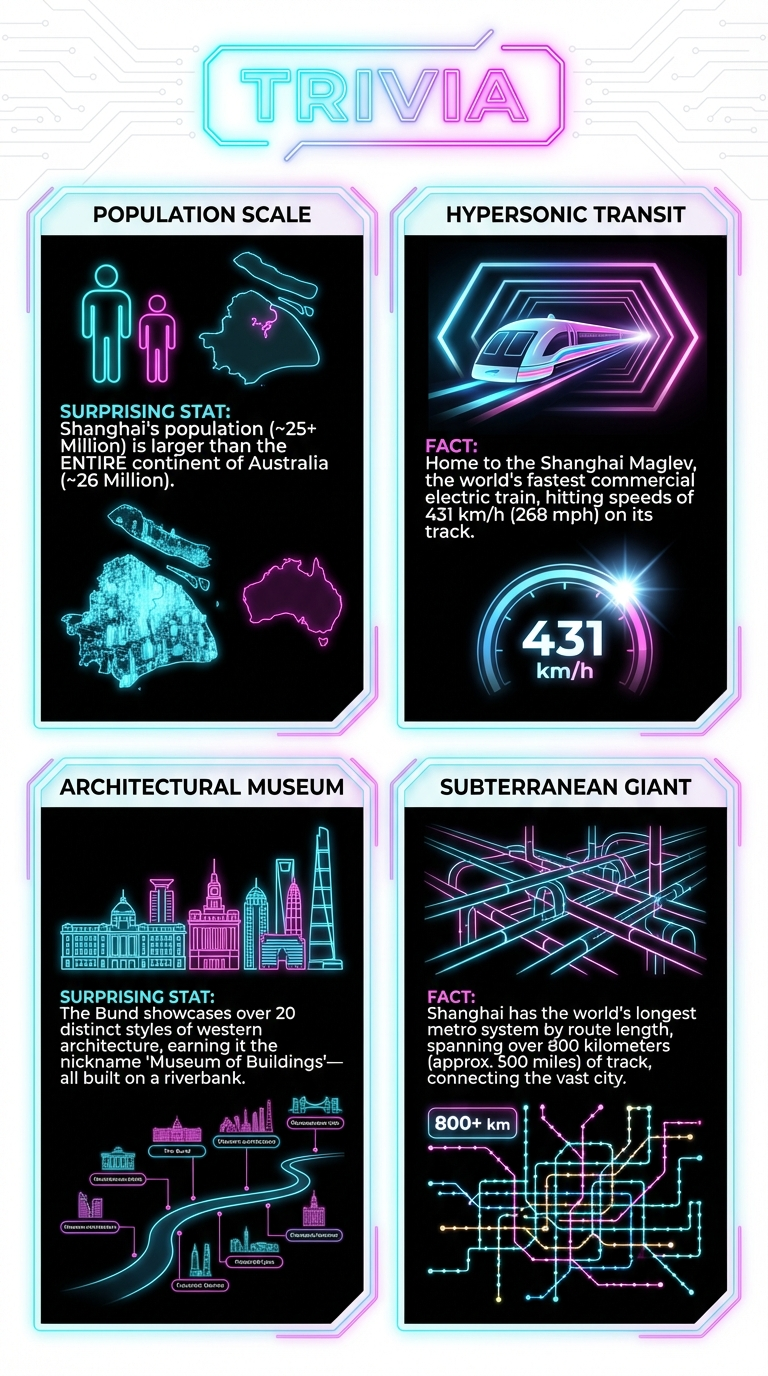
The city rewards those who go beyond the skyscrapers. Wander the French Concession’s back lanes for hidden cocktail bars and vintage boutiques. Eat your way through a wet market breakfast. Take an early morning walk along the Bund when the colonial buildings glow in the sunrise and the Pudong towers catch the first light. And ride the world’s fastest commercial train — the Maglev hits 431 km/h — just because you can. Shanghai is a city that moves at China’s speed: breathtaking, ambitious, and constantly transforming.
Shanghai
China’s largest city and financial capital, Shanghai sits at the mouth of the Yangtze River. A sleepy fishing village turned treaty port turned communist industrial center turned global financial hub, its trajectory is one of history’s most dramatic urban transformations. The Pudong skyline literally did not exist 30 years ago.
The essential sights and experiences
Huangpu District | Free
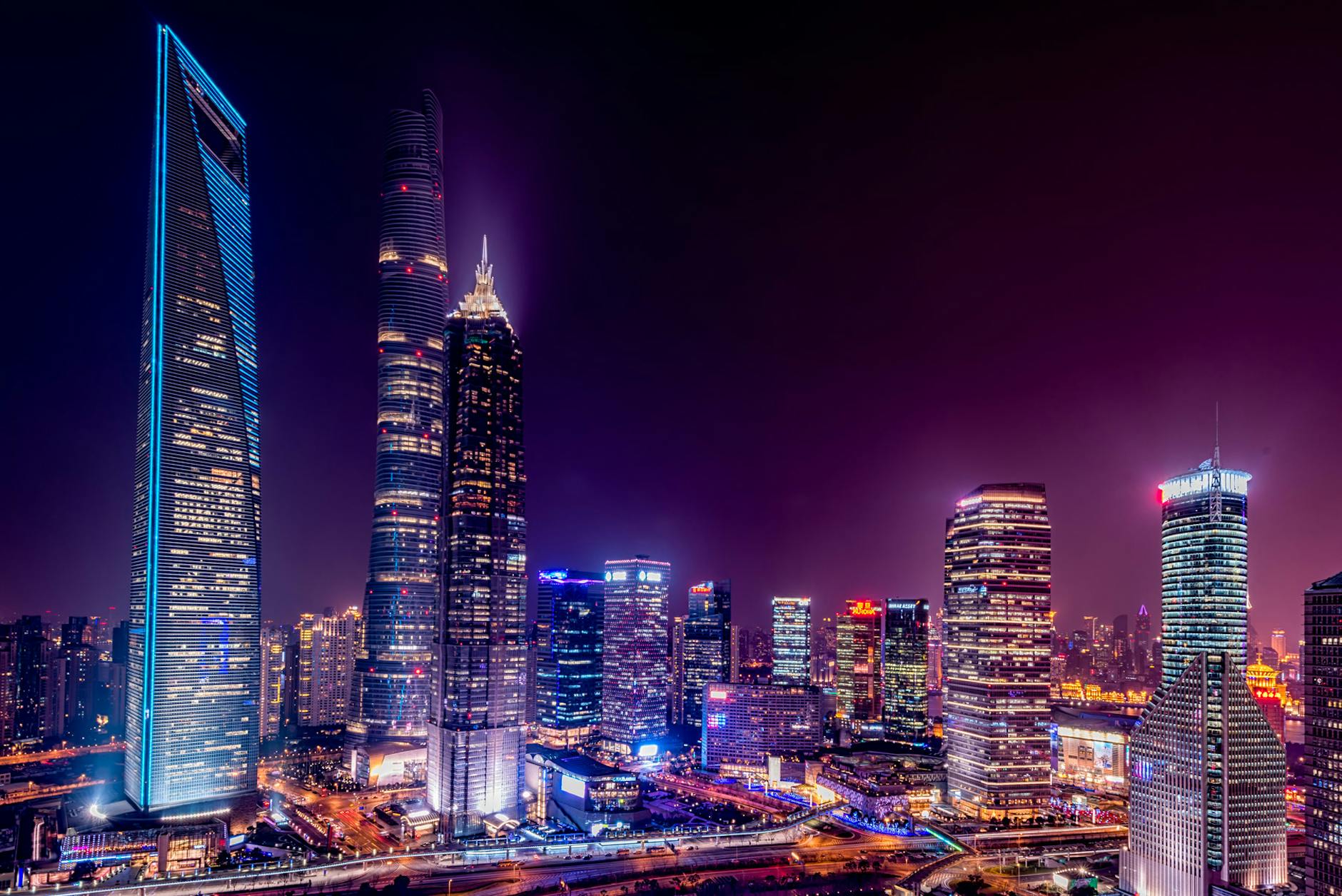
A 1.5 km waterfront promenade of 52 Art Deco and neoclassical buildings facing Pudong’s futuristic skyline. Best at night.
Pudong | Free (area)
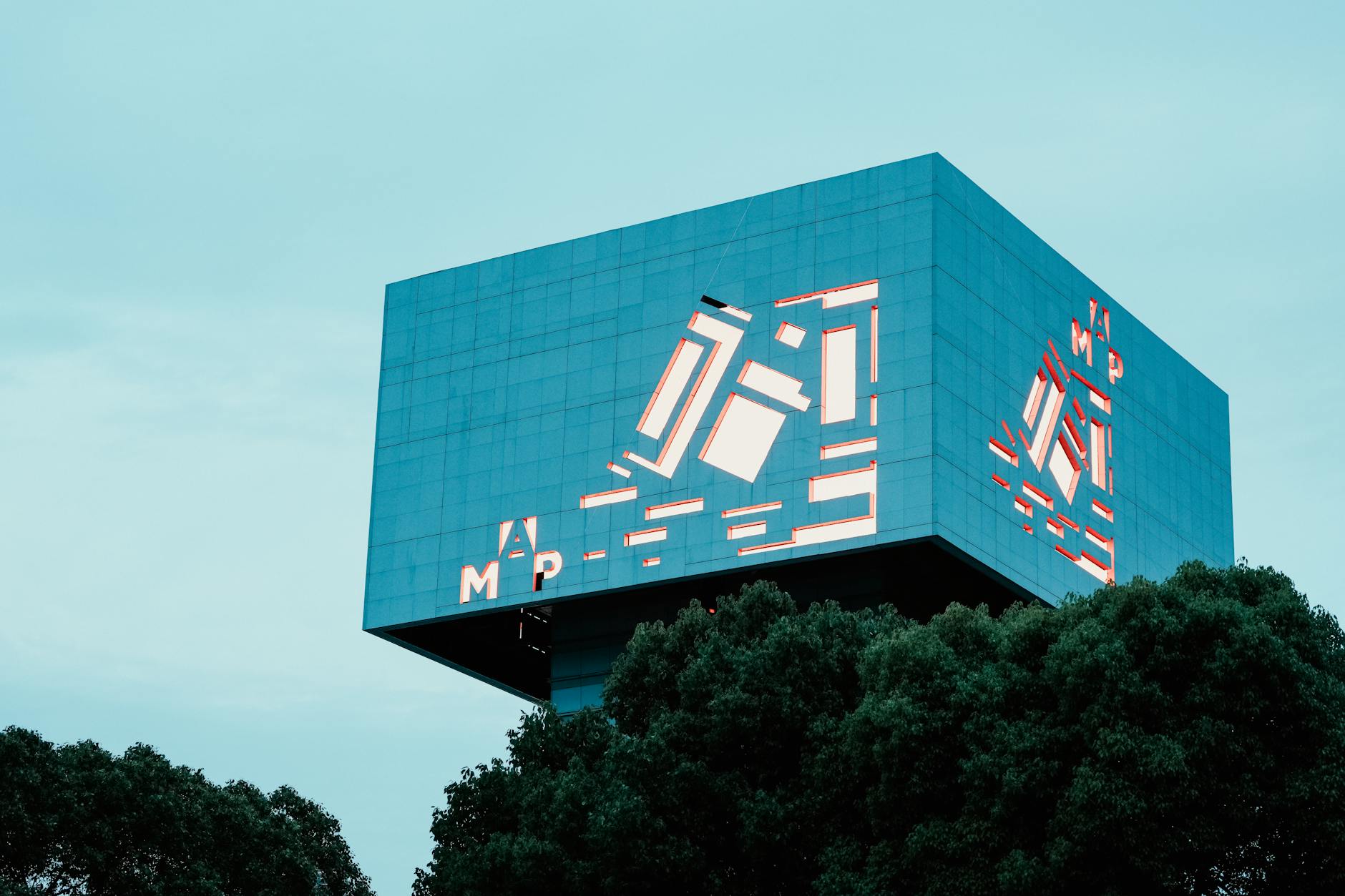
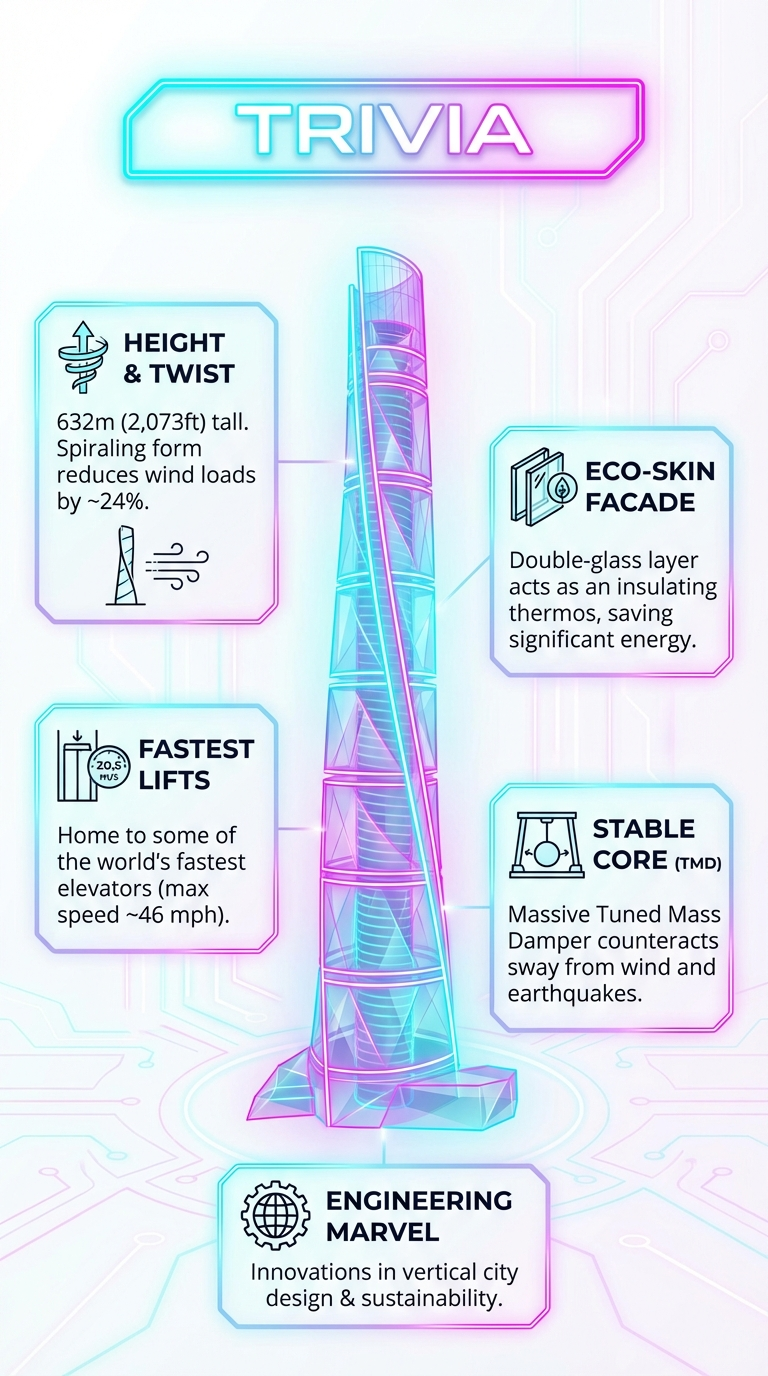
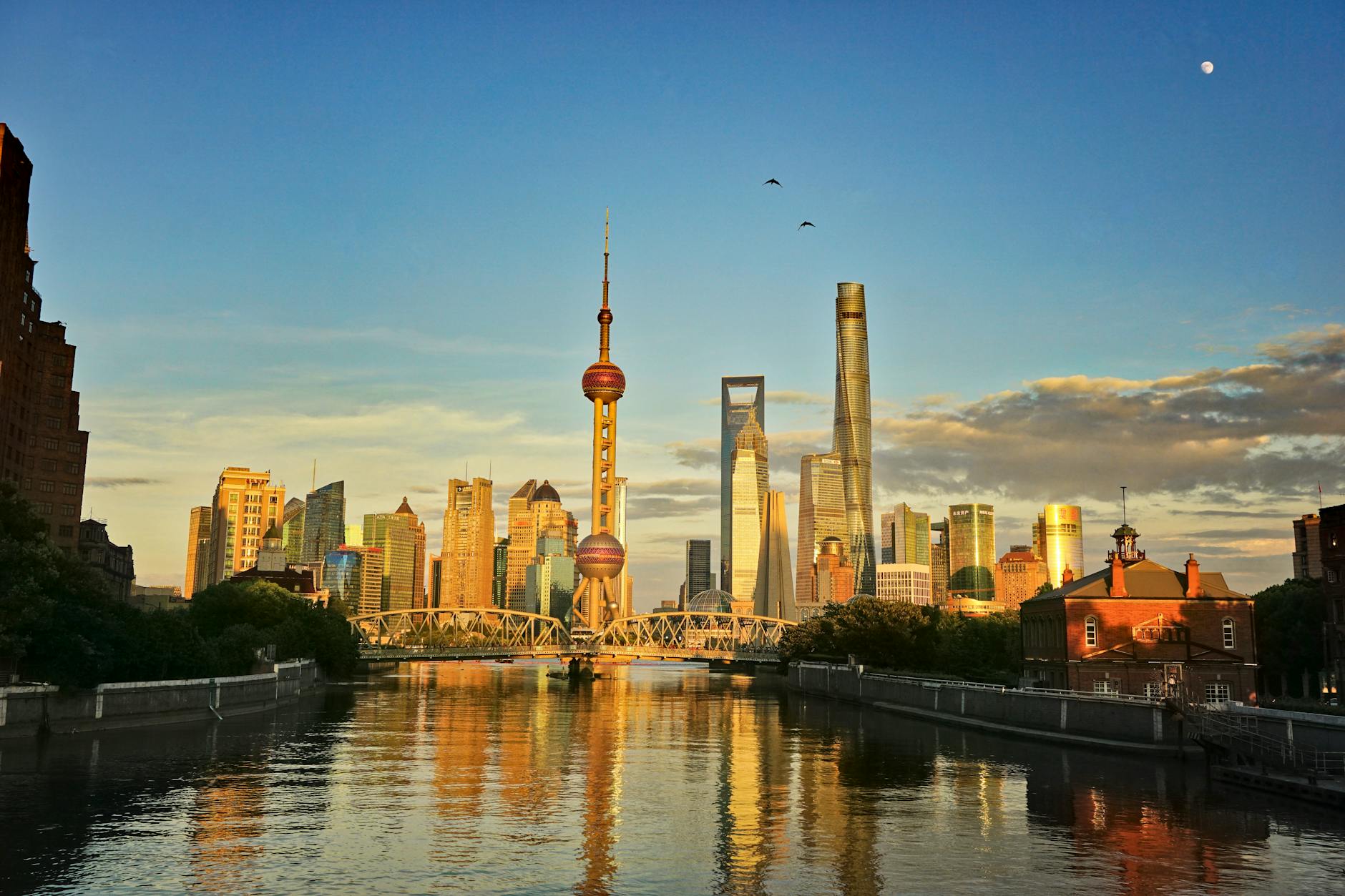
The iconic trio: Oriental Pearl Tower, Jin Mao Tower, and Shanghai Tower (632m). The world’s most photographed skyline.
Huangpu District | ¥40
Exquisite Ming dynasty (1559) garden with rockeries, pavilions, and koi ponds amid the bustling bazaar area.
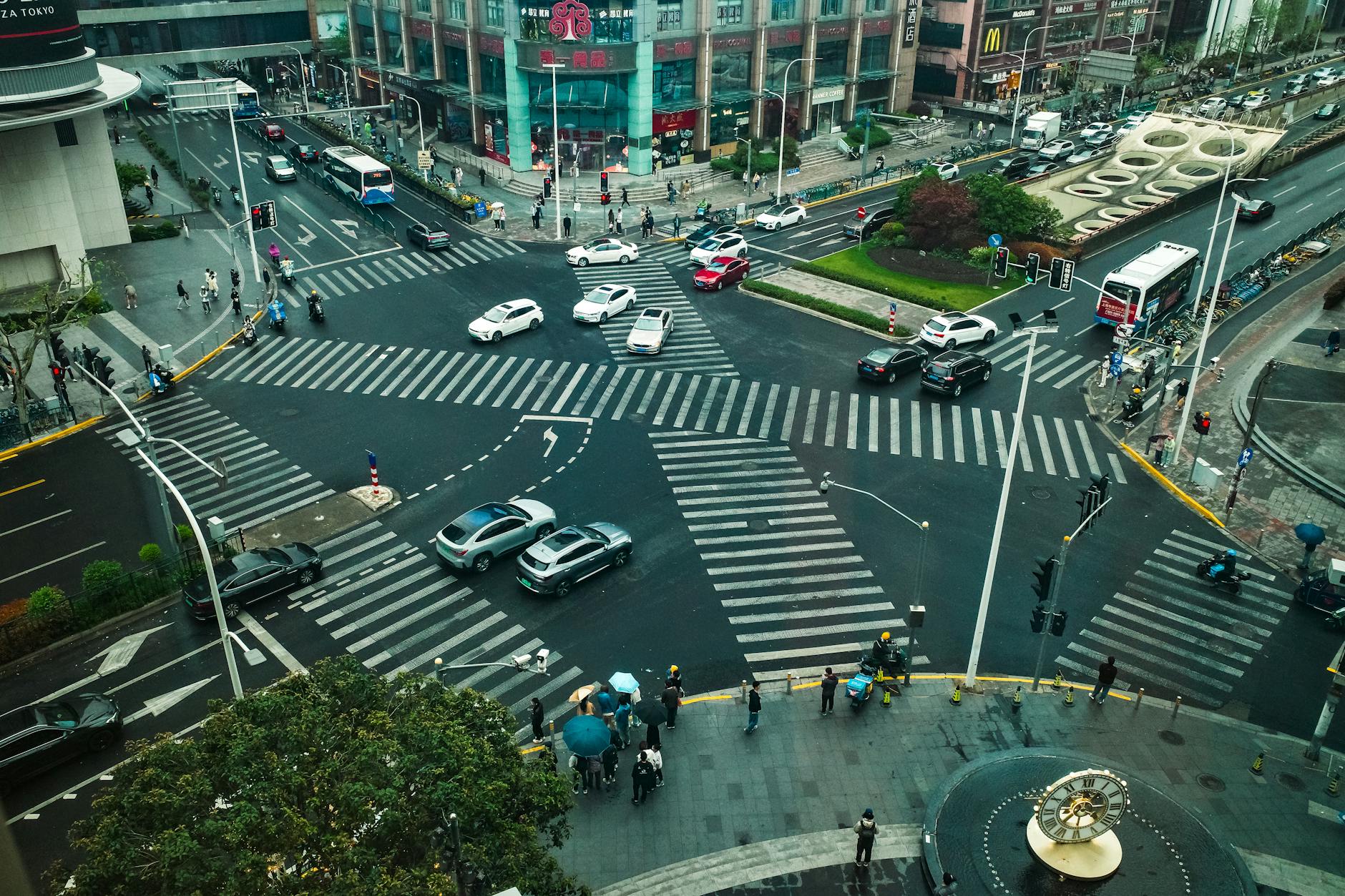
Xuhui/former Luwan | Free
Plane tree-lined streets with colonial villas, boutique cafes, cocktail bars, and vintage shops. Shanghai’s most charming area.
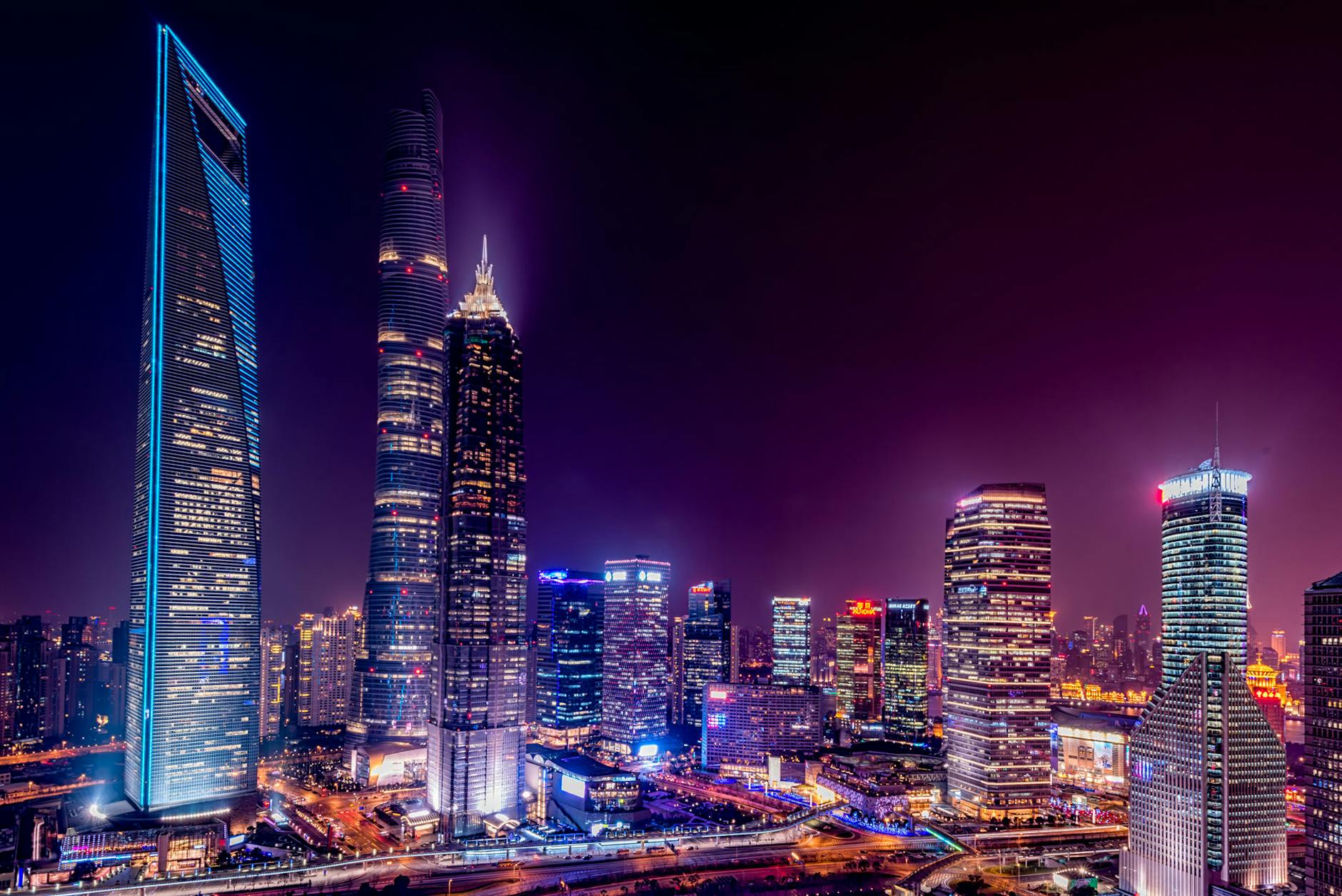
Pudong | ¥180
China’s tallest building (632m) with the world’s highest observation deck at 561m. Breathtaking on clear days.
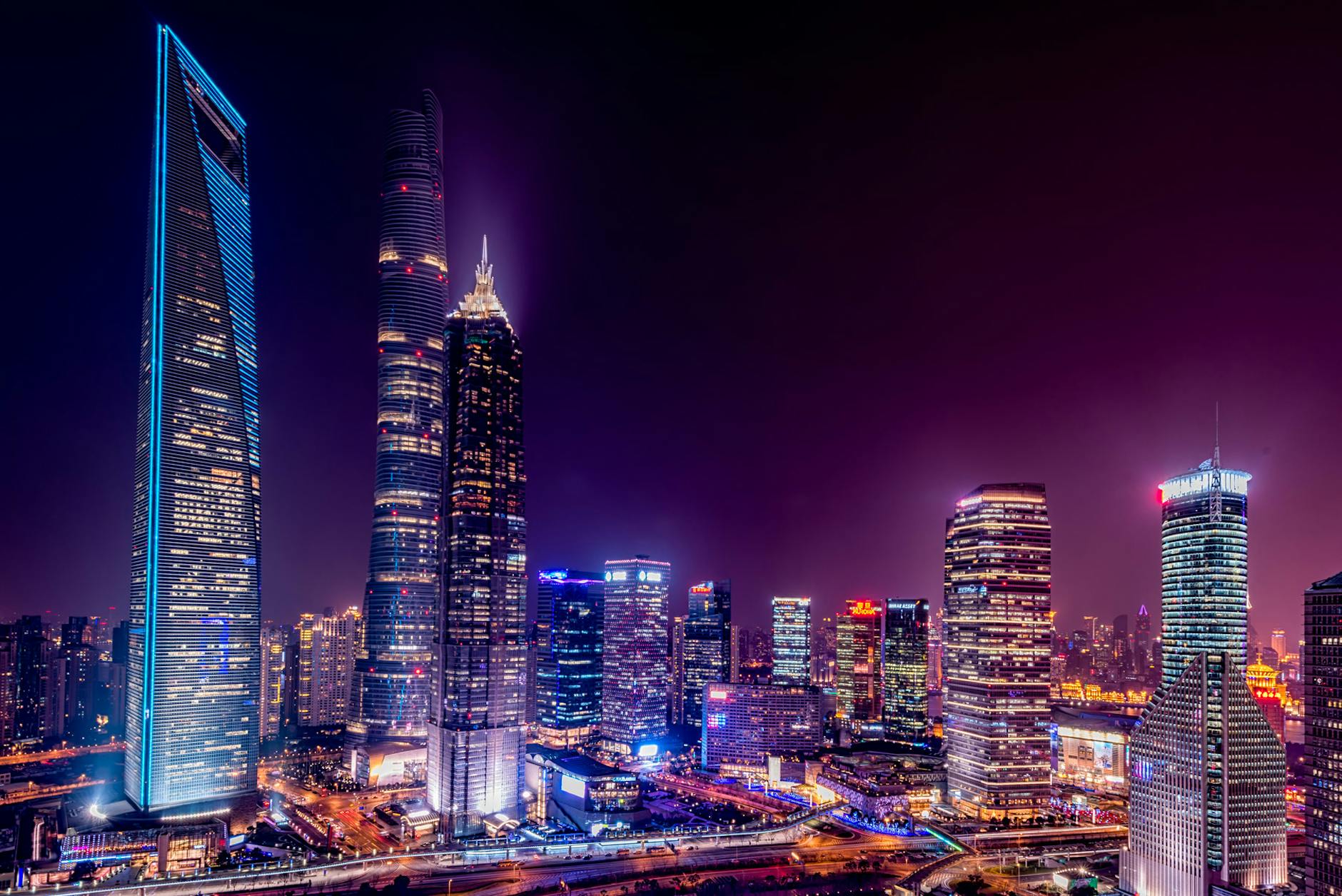
Huangpu District | Free
China’s busiest shopping street (5.5 km). Pedestrianized eastern section is a neon spectacle at night.
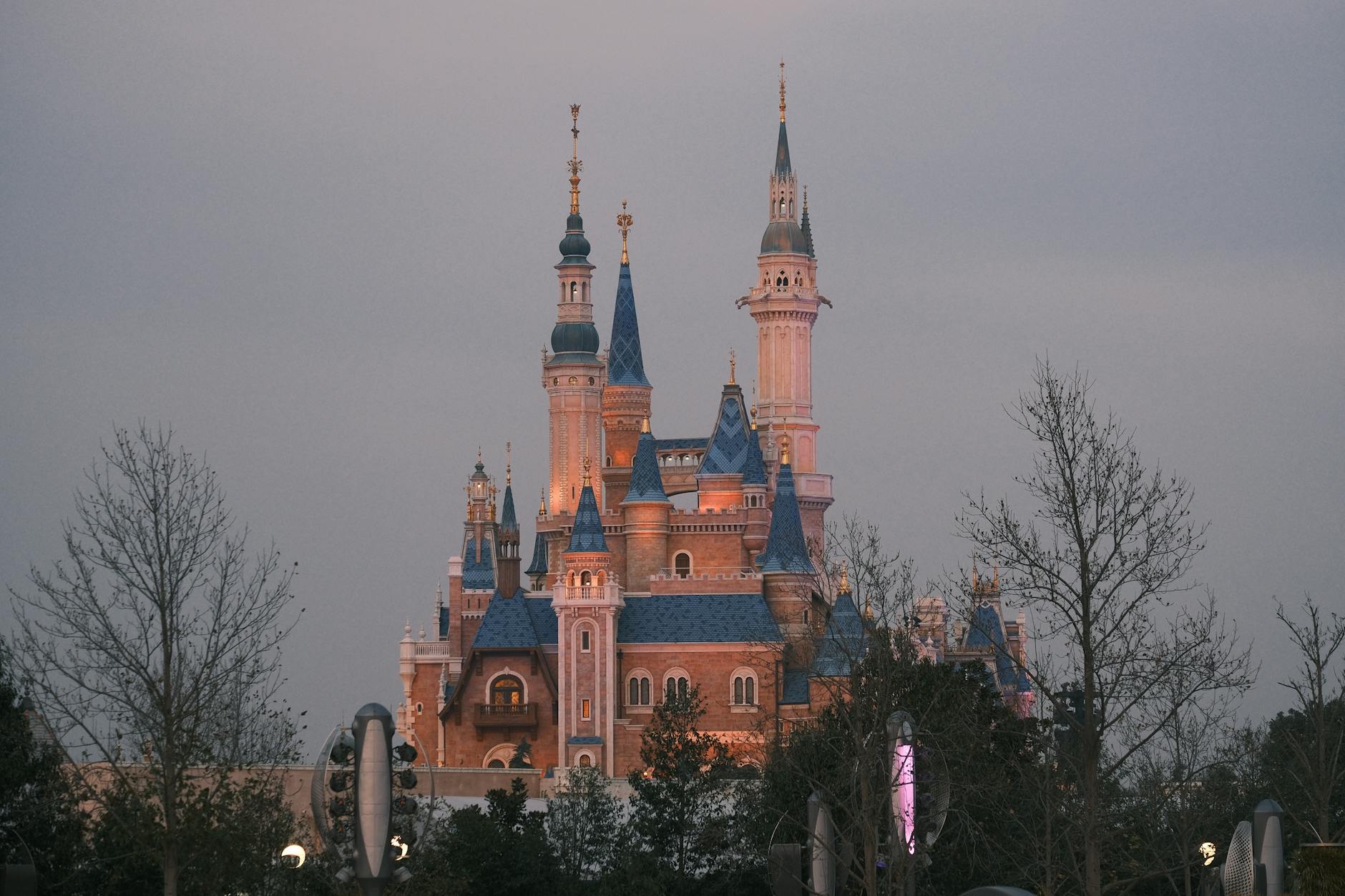
Xuhui District | Free
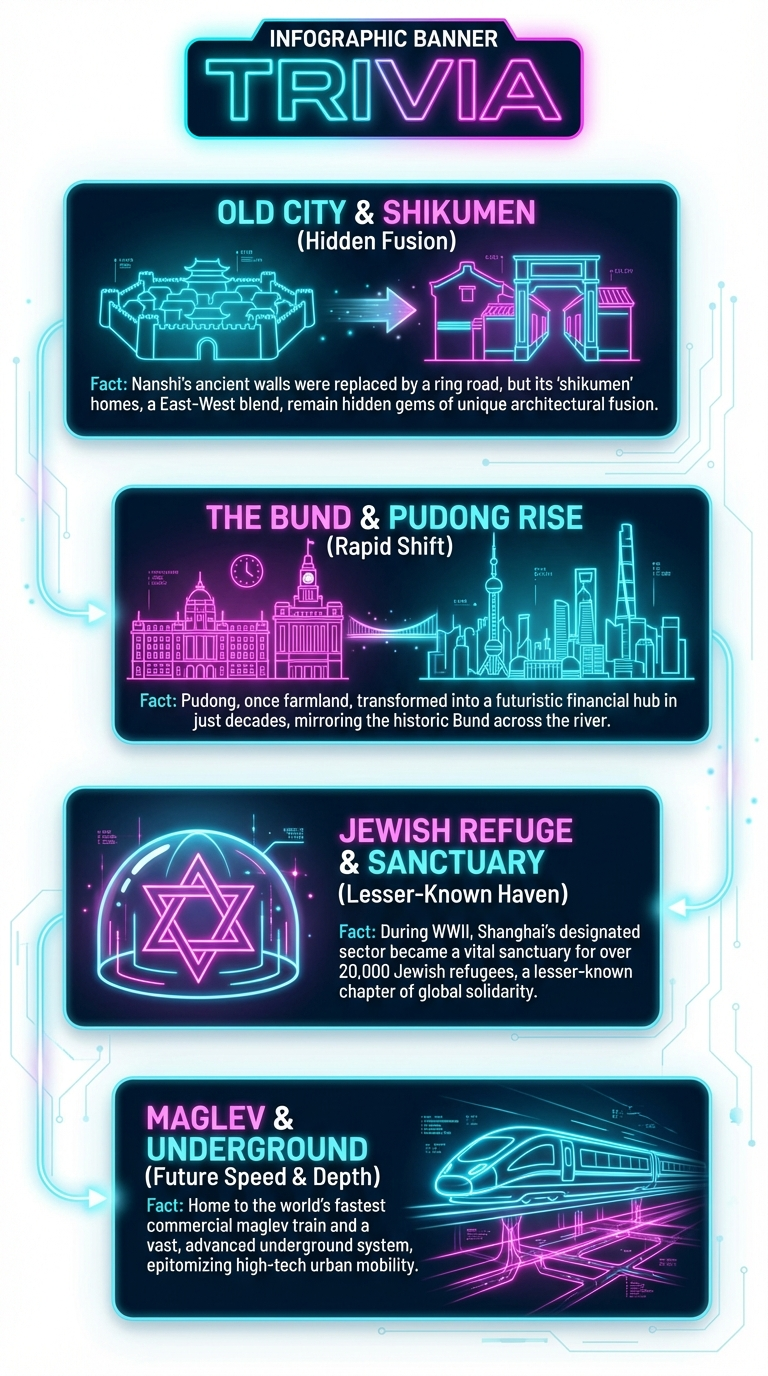
Labyrinthine shikumen (stone-gate lane house) neighborhood converted into art galleries, studios, and cafes.
50 km west | ¥60–¥80
Venice of Shanghai with 400-year-old bridges, canal gondolas, and rice wine shops. The closest water town to the city.
People's Square | Free
World-class museum of ancient Chinese art: bronzes, ceramics, calligraphy, and jade. Free entry, 2–3 hours.
Jing'an District | ¥20
Active Buddhist temple (1882) housing two jade Buddha statues brought from Burma. Peaceful amid the city noise.
Putuo District | Free
Shanghai's premier contemporary art zone in converted industrial buildings. ShanghART Gallery is the anchor.
Jing'an District | ¥50
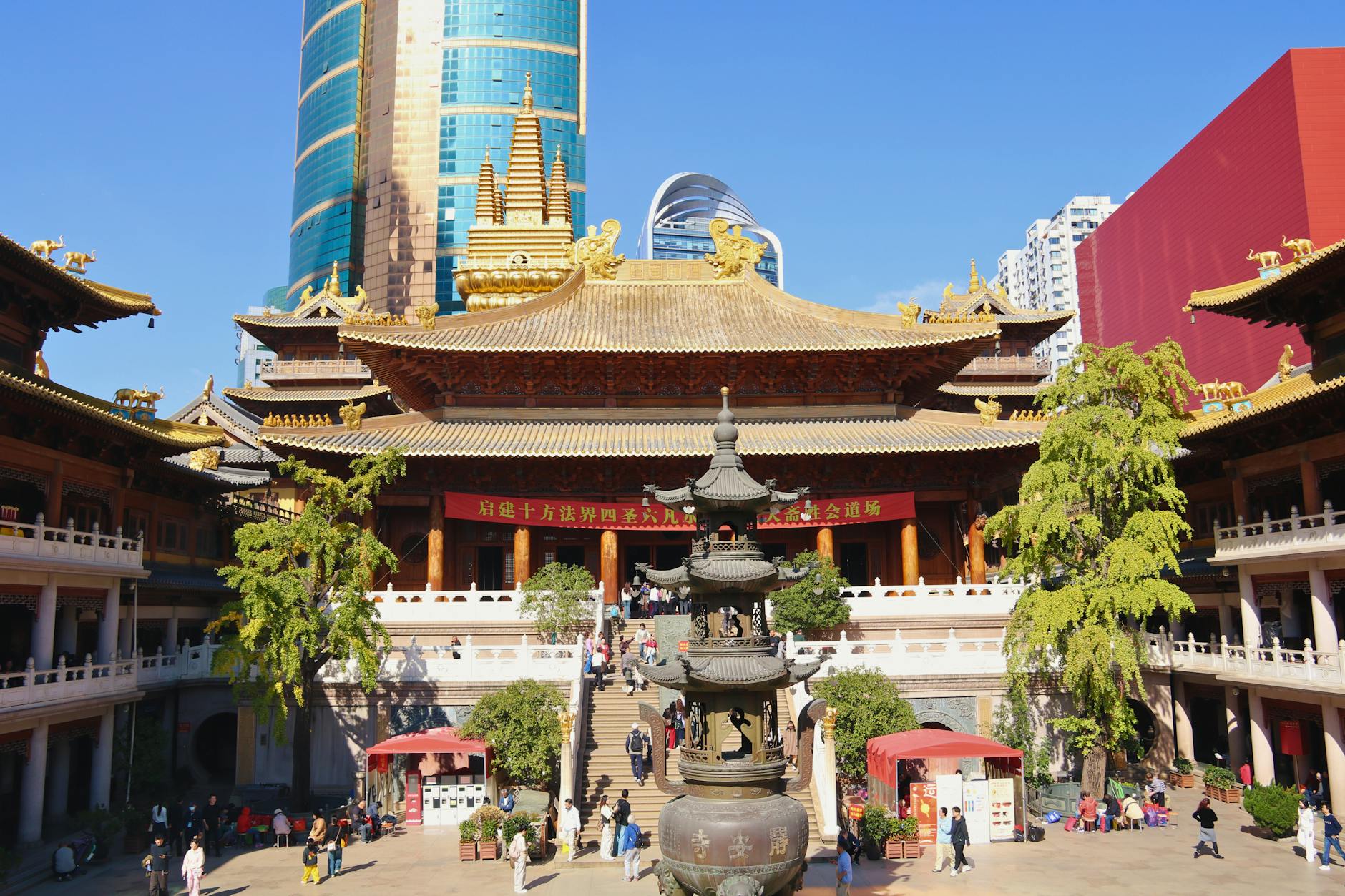
Gleaming golden temple (247 AD origins) surrounded by skyscrapers. A stunning visual contrast.
Hongkou District | Free
Former slaughterhouse with stunning Art Deco concrete bridges and ramps, now an events space.
Huangpu District | Free
Restored shikumen houses reimagined as upscale restaurants, bars, and shops. Great for evening dining.
Pudong | ¥220
Shanghai’s retro-futuristic landmark (468m). The glass floor and revolving restaurant are unique experiences.
Xuhui District | ¥10
Shanghai’s oldest temple (242 AD) with a 40m pagoda. Cherry blossom season here is magical.
Huangpu District | Free
China’s first state-run contemporary art museum in a converted power station. Think Tate Modern.
Minhang District | Free
Easily accessible water town on Metro Line 9 with ancient temples, street food, and canal views.
19. Propaganda Poster Art Centre (Huashan Road, ¥30): Hidden basement gallery with 6,000+ original Chinese propaganda posters from 1949–1979. Fascinating.
20. Huangpu River Night Cruise (Various piers, ¥120–¥180): One-hour cruise between the Bund and Pudong skyline at night. The best way to see both lit up.
Essential practical information
Chinese visa required for most visitors. The 144-hour transit visa-free policy allows stays without a visa if transiting through Shanghai to a third country.
Google, Facebook, Instagram, WhatsApp, and many Western apps are blocked by the Great Firewall. Download a VPN before arriving.
China runs on mobile payments (WeChat Pay/Alipay). Tourists can now link international Visa/Mastercard to Alipay. Carry ¥500–1,000 cash as backup.
English is limited outside tourist areas. Mandarin is essential for navigating. Download a translation app. Hotel staff at 4–5 star hotels speak English.
Shanghai is very safe. Petty crime is rare. Main concerns are traffic (scooters ignore red lights) and counterfeit goods scams.
Air quality varies. Check AQI app daily. Spring and autumn are generally clearest. Carry a PM2.5 mask for bad days.
The “tea ceremony scam”: friendly strangers invite you to a “tea tasting” that ends with a ¥2,000 bill. Politely decline invitations from strangers near tourist sites.
Download Alipay, DiDi (China’s Uber), Amap/Gaode Maps (Google Maps doesn’t work well), and a VPN before arriving.
| Budget Level | Daily Cost | Includes |
|---|---|---|
| Budget | ¥200–400/day | Hostel, street food, metro |
| Mid-Range | ¥600–1,200/day | 4-star hotel, restaurants, attractions |
| Luxury | ¥2,000+/day | Waldorf Astoria, fine dining, Bund suites |
Navigate the city like a local
Pudong Airport (PVG): Maglev to Longyang Road (¥50, 7 min) then Metro Line 2. Metro Line 2 direct (¥7–9, 70 min). Taxi (¥170–250, 45–60 min). Hongqiao Airport (SHA): Metro Lines 2 and 10 connect directly (¥3–7, 30–40 min).
20 lines, 508 stations. The world’s largest system. Runs 5:30 AM–10:30 PM. Cost: ¥3–¥9/ride
Extensive network. Can be confusing for visitors. Public Transport Card works. Cost: ¥2/ride
DiDi (China’s Uber) is the easiest option. Regular taxis are metered. Flag drop ¥16. Cost: ¥16 base + ¥2.5/km
Airport to Longyang Road (30 km in 7 min). The world’s fastest commercial train. Cost: ¥50 (discounted with metro card)
Cross the Huangpu River between the Bund and Pudong for ¥2. A bargain alternative to the tourist tunnel. Cost: ¥2/crossing
When to go and what to expect
Pleasant spring weather (12–25°C). Cherry blossoms in March–April. Clear skies for skyline photos.
Hot and humid (28–38°C). Plum rain season (meiyu) in June. Air conditioning essential.
The best season. Comfortable weather (15–28°C), clear skies, and the best air quality of the year.
Cold and damp (0–10°C). No central heating in most buildings. Christmas illuminations along Nanjing Road.
Shanghai — best experienced in March–May, September–NovemberMake the most of your time
Extended stays and themed routes
Add a day trip to Zhujiajiao water town (canal rides, rice wine, ancient bridges), explore Jing’an Temple and 1933 Old Millfun, and spend an evening in Xintiandi’s bar scene.
Take the bullet train to Hangzhou (45 min) for West Lake, Suzhou (25 min) for classical gardens (UNESCO), and Nanjing (1.5 hours) for the Ming Xiaoling Mausoleum.
Shanghai Disneyland (full day), Shanghai Ocean Aquarium, the Science and Technology Museum, and a Huangpu River cruise. Kids love the Maglev train ride.
Wet market breakfast, a Shanghainese cooking class, xiao long bao crawl (Jia Jia Tang Bao, Din Tai Fung, Nanxiang), and cocktails at Asia’s best bars on the Bund.
Where 1920s glamour faces 2020s ambition across the Huangpu River
Colonial Grandeur
The Bund is Shanghai’s defining image: a sweeping promenade of 52 Art Deco, neoclassical, and Beaux-Arts buildings that once housed the most powerful banks and trading houses in Asia. Walking the Bund at dawn is one of the world’s great urban experiences — the colonial facades glow gold while across the river, Pudong’s impossible skyline catches the first light. At night, both sides illuminate in a spectacular display.
Behind the Bund, Huangpu district holds the old Chinese city with Yu Garden, the City God Temple bazaar, and some of Shanghai’s best street food. Nanjing Road East, starting from the Bund, is China’s busiest shopping street. The area also houses the excellent Shanghai Museum and the newly renovated Rockbund Art Museum. This is ground zero for Shanghai history and the best starting point for any visit.
Where to eat in The Bund & Huangpu
Mr & Mrs Bund (¥400–800): Paul Pairet’s modern French bistro with stunning Pudong views from the terrace.
Nanxiang Steamed Bun Restaurant (¥30–60): The original xiao long bao since 1900. Upstairs is less crowded.
Lost Heaven (¥200–400): Yunnan cuisine in a beautiful Bund-adjacent colonial building.
Shopping: Nanjing Road East for mainstream shopping. The Bund’s luxury brands: Hermes, Cartier, and Louis Vuitton in Art Deco settings.


Where plane trees, Art Deco villas, and craft cocktails create Shanghai’s most livable quarter
Shanghai’s Soul
The French Concession is Shanghai’s most charming neighborhood — a leafy enclave of plane tree-lined boulevards, 1930s Art Deco villas, and a cafe culture that feels more Parisian than Chinese. Wukang Road, Yongfu Road, and Anfu Road are the prettiest streets, lined with independent boutiques, craft coffee shops, and some of Shanghai’s best restaurants. The Wukang Mansion, a 1924 Normandie-style apartment building at a fork in the road, is one of Shanghai’s most photographed structures.
The French Concession is also Shanghai’s best neighborhood for nightlife. Speak Low (hidden speakeasy, ranked among Asia’s best bars), Senator Saloon (whiskey bar), and El Coctel (Latin cocktails) are clustered within walking distance. By day, the area’s lanes hide Tianzifang — a preserved shikumen neighborhood now filled with galleries, design studios, and artisan workshops. This is where Shanghai’s creative class lives, works, and drinks excellent coffee.
Where to eat in French Concession
Di Shui Dong (¥100–200): Fiery Hunan cuisine. The ribs and cumin lamb are legendary. Always packed.
Commune Social (¥200–400): Jason Atherton’s tapas-style restaurant with a rooftop terrace.
Speak Low (¥80–120): Hidden three-story speakeasy. Enter through a false bartender supply shop door.
Shopping: Anfu Road for independent Chinese designers, Dongping Road for vintage, and Tianzifang for art and souvenirs.


Where farmland became the world’s most dramatic skyline in 30 years
The Future Is Now
Pudong is Shanghai’s ultimate symbol of ambition. In 1990, this was farmland. Today, it hosts three of the world’s tallest buildings: Shanghai Tower (632m), Shanghai World Financial Center (492m), and Jin Mao Tower (421m), alongside the retro-futuristic Oriental Pearl Tower (468m). Lujiazui’s skyline is arguably the most dramatic in the world, and the observation decks at Shanghai Tower (561m) offer views that stretch to the curve of the earth.
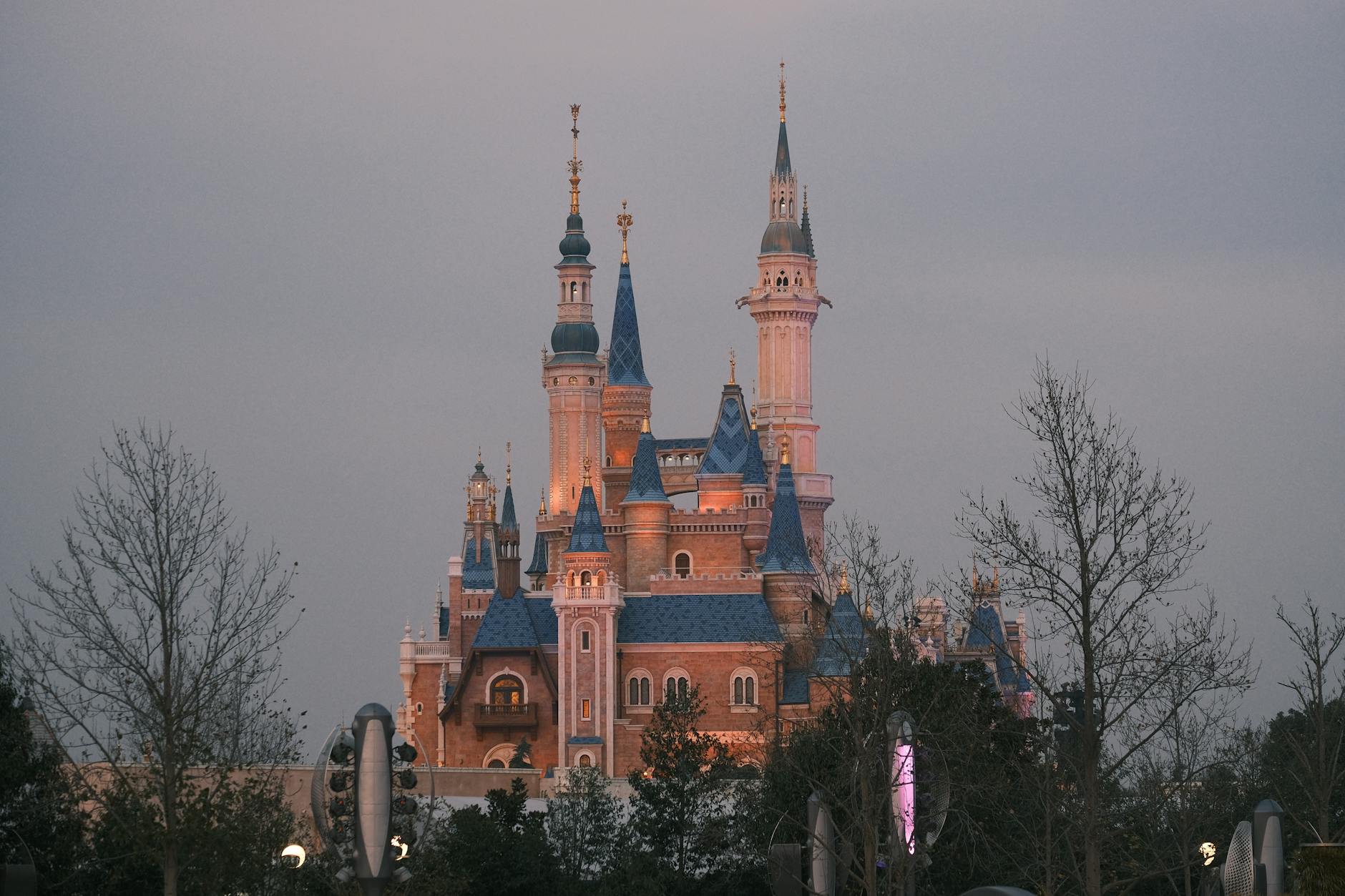
Beyond the towers, Pudong has the excellent Shanghai Science and Technology Museum, the Shanghai Disney Resort (China’s most visited theme park), and the Century Park — Shanghai’s largest. The waterfront promenade opposite the Bund offers stunning photo opportunities, especially at dawn when the colonial buildings glow. The Maglev train to Pudong Airport is both practical transport and a 431 km/h thrill ride.
Where to eat in Pudong & Lujiazui
IFC Mall food court (¥50–150): Surprisingly good food court in the luxury mall at the base of the ICC tower.
Jade on 36, Pudong Shangri-La (¥500–1,000): French fine dining with floor-to-ceiling Bund views.
8 1/2 Otto e Mezzo Bombana (¥800+): Three Michelin stars. Umberto Bombana’s Italian fine dining with a Bund panorama.


What to eat and where to find it
Shanghai cuisine (benbang cai) is defined by sweetness, soy sauce, and oil — richer and more delicate than Sichuan or Cantonese cooking. The city’s signature dish is xiao long bao (soup dumplings), but the real depth lies in red-braised pork belly, hairy crab (autumn only), shengjian bao (pan-fried buns), and the humble but heavenly scallion oil noodles. Shanghai is also China’s most international food city, with every cuisine from Yunnan to French well represented.
Xiao Long Bao (¥12–60): Soup-filled steamed dumplings. Jia Jia Tang Bao (¥12/4 pcs) is the local champion; Din Tai Fung (¥40+) is the famous brand.
Shengjian Bao (¥8–15): Pan-fried pork buns with crispy bottoms and juicy filling. Yang’s Fried Dumplings is the city’s favorite chain.
Hongshao Rou (Red-Braised Pork) (¥40–80): Fatty pork belly braised in soy sauce, sugar, and Shaoxing wine until meltingly tender. Shanghai’s comfort food.
Scallion Oil Noodles (¥10–25): Simple but perfect: thin noodles tossed with caramelized scallion oil and soy sauce. A ¥10 revelation.
Jianbing (Chinese Crepe) (¥8–15): Breakfast staple: thin crepe with egg, crispy wonton, cilantro, and chili sauce. Found at every street corner at 7 AM.
Hairy Crab (¥100–500 (autumn)): Shanghai’s seasonal obsession (Oct–Dec). Yangcheng Lake crabs steamed and eaten with vinegar and ginger.
Cong You Bing (Scallion Pancake) (¥5–10): Crispy, flaky, layered pancake with scallions. Street vendors make them fresh to order.
Wontons in Soup (¥15–30): Delicate pork and shrimp wontons in a light broth. A classic Shanghainese breakfast or snack.
Best restaurants, markets, and street food
Jia Jia Tang Bao (¥12–30): Possibly the best xiao long bao value in the world. ¥12 for 4 pork dumplings. Tiny shop, long queue, totally worth it.
Ultraviolet by Paul Pairet (¥6,000+): Asia’s most theatrical dining experience. 10-seat immersive restaurant with projections, scents, and sound for each course.
Fu 1088 (¥300–600): Refined Shanghainese cuisine in a restored 1930s mansion. The drunken chicken is exceptional.
Yang’s Fried Dumplings (¥8–15): Shengjian bao chain beloved across Shanghai. Crispy bottoms, juicy filling, insane value.
Yuyuan Bazaar area: Xiao long bao at Nanxiang (since 1900), scallion pancakes from street vendors, and fried dough sticks with soy milk.
Wujiang Road: Small noodle shops and dumpling stalls near Nanjing Road. Local and cheap (¥10–30).
Wet market breakfast: Any neighborhood wet market serves jianbing, you tiao (fried dough), and doujiang (soy milk) from 6–9 AM.


Understanding the story of Shanghai
Shanghai’s transformation from fishing village to global metropolis is one of history’s most dramatic urban stories. The city was forcibly opened to foreign trade after the 1842 Treaty of Nanking ending the First Opium War. Within decades, the International Settlement and French Concession had transformed Shanghai into Asia’s most cosmopolitan city — a place of jazz clubs, Art Deco skyscrapers, opium dens, and revolutionary politics (the Chinese Communist Party was secretly founded in Shanghai’s French Concession in 1921).
After 1949, the Communist government redirected Shanghai’s wealth to develop other Chinese cities, and the once-glamorous port stagnated for decades. The city’s modern renaissance began in 1990 when Deng Xiaoping designated Pudong as a Special Economic Zone. In 30 years, empty farmland became the world’s most dramatic skyline. Today, Shanghai is China’s financial capital, a tech hub rivaling Silicon Valley, and a global city that has surpassed its 1930s golden age in every measurable way.
Shanghai’s culture is a fascinating mix of traditional Chinese values and cosmopolitan modernity. The city has always been China’s most outward-looking metropolis, and this shows in its cafe culture (more coffee shops than any Chinese city), its fashion scene (Shanghai Fashion Week rivals Milan’s for emerging designers), and its art market (M50, West Bund, and Power Station of Art anchor a thriving contemporary art scene). The local Shanghainese dialect is a badge of identity — distinct from Mandarin and fiercely preserved by locals. Shanghai’s haipai culture (“Shanghai style”) blends Eastern and Western influences in food, fashion, and lifestyle.
Excursions from Shanghai
Shanghai sits in the Yangtze River Delta, one of China’s richest cultural regions. Bullet trains put Hangzhou, Suzhou, and Nanjing within easy reach.
Venice of Shanghai with 400-year-old bridges, canal gondola rides, and rice wine tasting. The closest water town to the city. Entry: ¥60–80
UNESCO-listed West Lake, Longjing tea plantations, and one of China’s most beautiful cities. Entry: Free (West Lake)
Nine UNESCO-listed classical Chinese gardens, silk museums, and canal-side old town. Entry: ¥70–100 (gardens)
Authentic water towns with fewer tourists than Zhujiajiao. Ancient bridges, canal houses, and local snacks. Entry: ¥80–100

Practical information from A to Z
Widely available. Tsingtao beer from ¥5. Shanghai’s craft cocktail scene is world-class — the Bund and French Concession have Asia’s best bars.
Bank of China, ICBC, and HSBC ATMs accept international cards. Cash is increasingly unnecessary due to mobile payments.
Parkway Health and United Family Hospital have English-speaking doctors. Travel insurance essential.
220V/50Hz. Type A/C/I plugs. Bring a universal adapter.
The Great Firewall blocks Google, Facebook, WhatsApp, and Instagram. Download a VPN (ExpressVPN, Astrill) before arriving.
No legal protections, but Shanghai is China’s most tolerant city. The French Concession has several LGBTQ+-friendly bars.
China Post is reliable. International EMS from any post office. DHL/FedEx for urgent shipping.
Shops: 10am–10pm. Restaurants: 11am–2pm, 5pm–9:30pm. Metro: 5:30am–10:30pm. Museums: 9am–5pm, closed Mondays.
Check AQI daily (AirVisual app). Spring and autumn are best. Winter can be hazy. Carry a mask.
China Mobile and China Unicom sell tourist SIMs at the airport (¥100–200/7 days). Note: these don’t bypass the firewall.
No sales tax. Service charges (10–15%) added at upscale restaurants. Prices displayed are what you pay.
Improving rapidly. Hotels, malls, and metro stations have clean Western toilets. Older neighborhoods may have squat toilets. Carry tissue.
Do not drink tap water. Bottled water from ¥2. All hotels provide free bottled water.
Essential. Download and configure before arriving in China. Without a VPN, you cannot access Google, Maps, WhatsApp, or social media.
China’s super-app for messaging, payments, and services. Try to set up a WeChat account before arriving — it’s useful for everything.
Getting to and around Shanghai
From Pudong Airport (PVG): Maglev to Longyang Road (¥50, 7 min, top speed 431 km/h) then Metro Line 2. Direct Metro Line 2 (¥7–9, 70 min). Taxi (¥170–250, 45–60 min).
From Hongqiao Airport (SHA): Metro Lines 2 and 10 (¥3–7, 30–40 min). Same complex as Hongqiao Railway Station.
Within Shanghai: Metro covers everything. DiDi for taxis. Shared bikes (Hello, Meituan) for short trips (¥1.5/ride).
| Mode | Details | Cost |
|---|---|---|
| Shanghai Metro | 20 lines, 508 stations. The world’s largest system. Runs 5:30 AM–10:30 PM. | ¥3–¥9/ride |
| Bus | Extensive network. Can be confusing for visitors. Public Transport Card works. | ¥2/ride |
| Taxi / DiDi | DiDi (China’s Uber) is the easiest option. Regular taxis are metered. Flag drop ¥16. | ¥16 base + ¥2.5/km |
| Maglev | Airport to Longyang Road (30 km in 7 min). The world’s fastest commercial train. | ¥50 (discounted with metro card) |
| Ferry | Cross the Huangpu River between the Bund and Pudong for ¥2. A bargain alternative to the tourist tunnel. | ¥2/crossing |
Essential phrases for travelers
Mandarin is the official language, but Shanghainese (Wu dialect) is the local tongue. English is very limited outside international hotels and the French Concession. A translation app is near-essential.
| English | Mandarin Chinese |
|---|---|
| Hello | Nǐ hǎo (你好) |
| Thank you | Xièxie (谢谢) |
| Excuse me | Bù hǎo yìsī (不好意思) |
| How much? | Duōshǎo qián? (多少钱) |
| Too expensive | Tài guì le (太贵了) |
| Delicious! | Hǎo chī! (好吃) |
| Where is...? | ...zài nǎlǐ? (在哪里) |
| I don’t understand | Wǒ tīng bù dǒng |
| Check please | Mǎi dān (买单) |
| Water | Shuǐ (水) |
| Beer | Píjiǔ (啡酒) |
| Help! | Jiùmìng! (救命) |
| Taxi | Dǎ chē / Chūzū chē |
| Train station | Huǒchē zhàn |
| Beautiful! | Hǎo piàoliang! (好漂亮) |
Our favourite experiences in Shanghai
The Bund at 6 AM
Colonial facades glowing gold as Pudong catches the first light
Shanghai Tower 561m
The world’s highest sunset as the city transforms below
Jia Jia Tang Bao
The best xiao long bao value in the world: ¥12 for 4
Wet Market Breakfast
Jianbing, you tiao, and soy milk at any neighborhood market
Waldorf Astoria Shanghai on the Bund
1911 Shanghai Club reborn as the city’s grandest hotel
The Bund Architecture Walk
52 colonial buildings tell the story of Shanghai’s rise
Propaganda Poster Art Centre
6,000 original propaganda posters in a hidden basement
The Bund at Night
Colonial facades and Pudong’s neon reflected in the Huangpu
Tianzifang
Shikumen lane houses converted into art studios and boutiques
Huangpu Ferry Crossing
A ¥2 ferry ride with the world’s most dramatic skyline backdrop
Everything you need for Shanghai
Travorea creates comprehensive, beautifully designed travel guides that combine insider knowledge with practical information. Our guides are crafted to help you experience destinations like a local, not just a tourist.
This premium guide to Shanghai was researched and written to give you everything you need for an unforgettable trip. All prices and information were verified at the time of writing (2026) but may change — always confirm locally.
All photographs in this guide are sourced from free-to-use image libraries (Pexels, Unsplash) and original Travorea photography. Infographics are original Travorea creations.
Explore More Guides
Visit www.travorea.com/ebooks for premium guides to 50+ destinations worldwide.
The Pearl of the Orient