
Night Market Paradise
A subtropical island capital where night markets, temples, and bubble tea define daily life
Night Market Paradise
Taipei is the city that feels like a warm hug. Where other Asian capitals can overwhelm, Taipei charms with its genuinely friendly people, incredible affordability, and a food culture that revolves around the nightly ritual of the night market — open-air bazaars where families gather to eat stinky tofu, grilled squid, shaved ice mountains, and the city’s gift to the world: bubble tea. The pace is gentler than Tokyo or Seoul, the streets are safe at any hour, and the combination of Chinese, Japanese, and indigenous Formosan influences creates a culture unlike anywhere else.
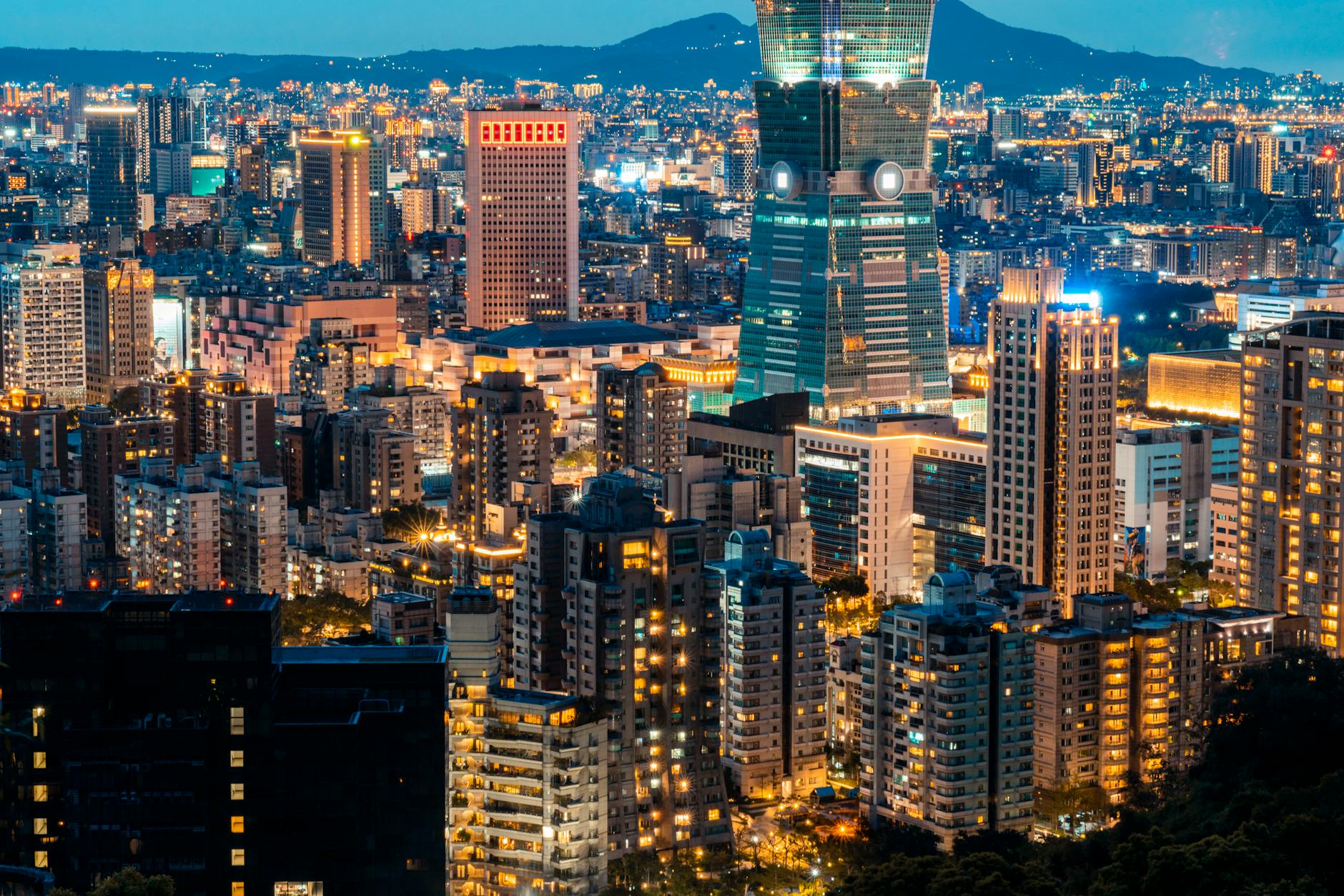
Beyond the food, Taipei surprises with its natural beauty. Hot springs bubble up in the Beitou district just 30 minutes from downtown, lush mountains ring the city on three sides, and Elephant Mountain offers a sweaty but rewarding hike to the best views of Taipei 101. The city’s temples are living, breathing places of worship — not museums — where locals burn incense and throw moon blocks to ask the gods for guidance. And everywhere, the scooters buzz, the convenience stores beckon (Taiwan’s 7-Elevens are legendary), and another bowl of beef noodle soup calls your name.
Taipei
The capital of Taiwan, Taipei sits in a basin surrounded by mountains with hot springs to the north and the sea to the northeast. A former Japanese colony with deep Chinese roots, it blends temple traditions, Japanese-era architecture, and cutting-edge technology into one of Asia’s most livable and lovable cities.
The essential sights and experiences
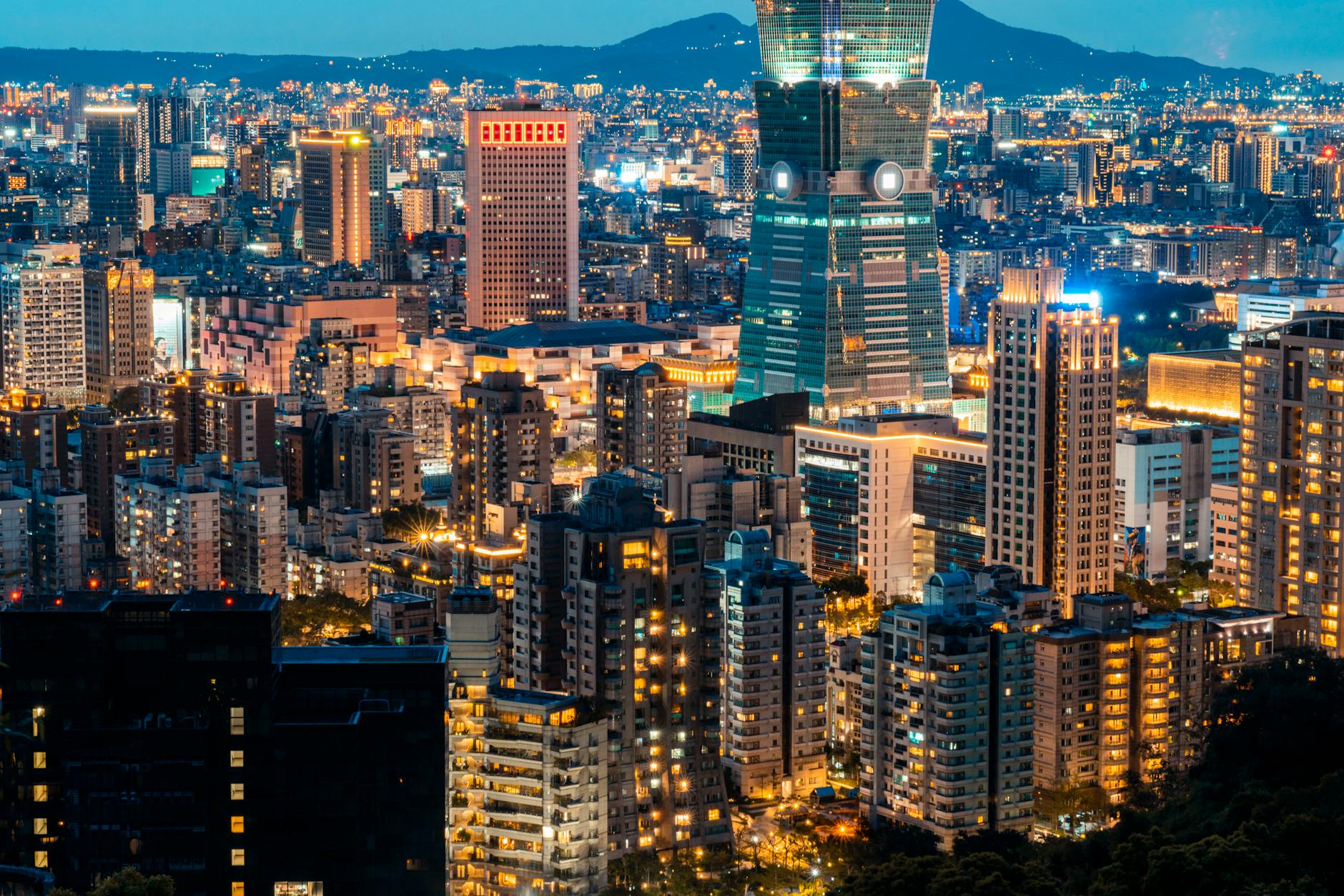
Xinyi District | NT$600
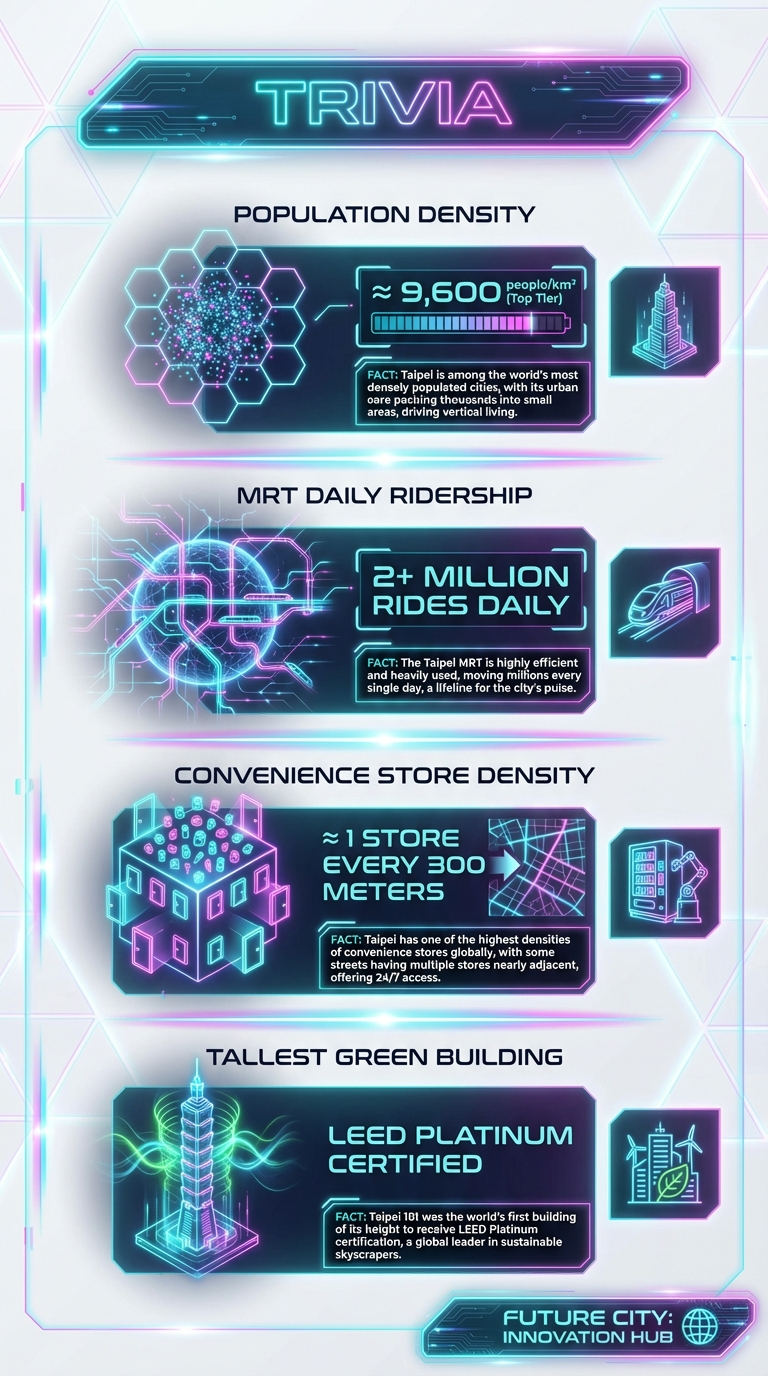
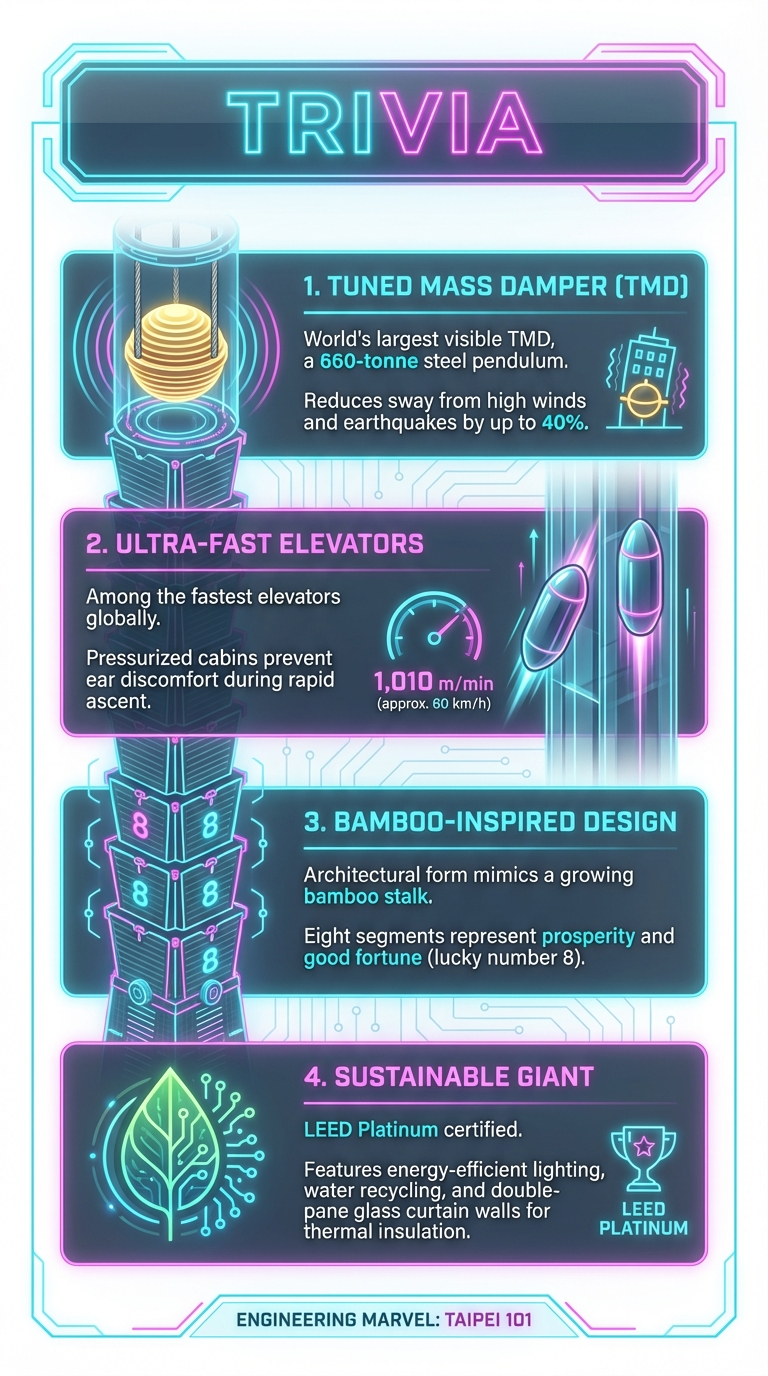
Once the world’s tallest building (508m). The observation deck at 89F offers stunning city views. The 730-tonne wind damper is fascinating.
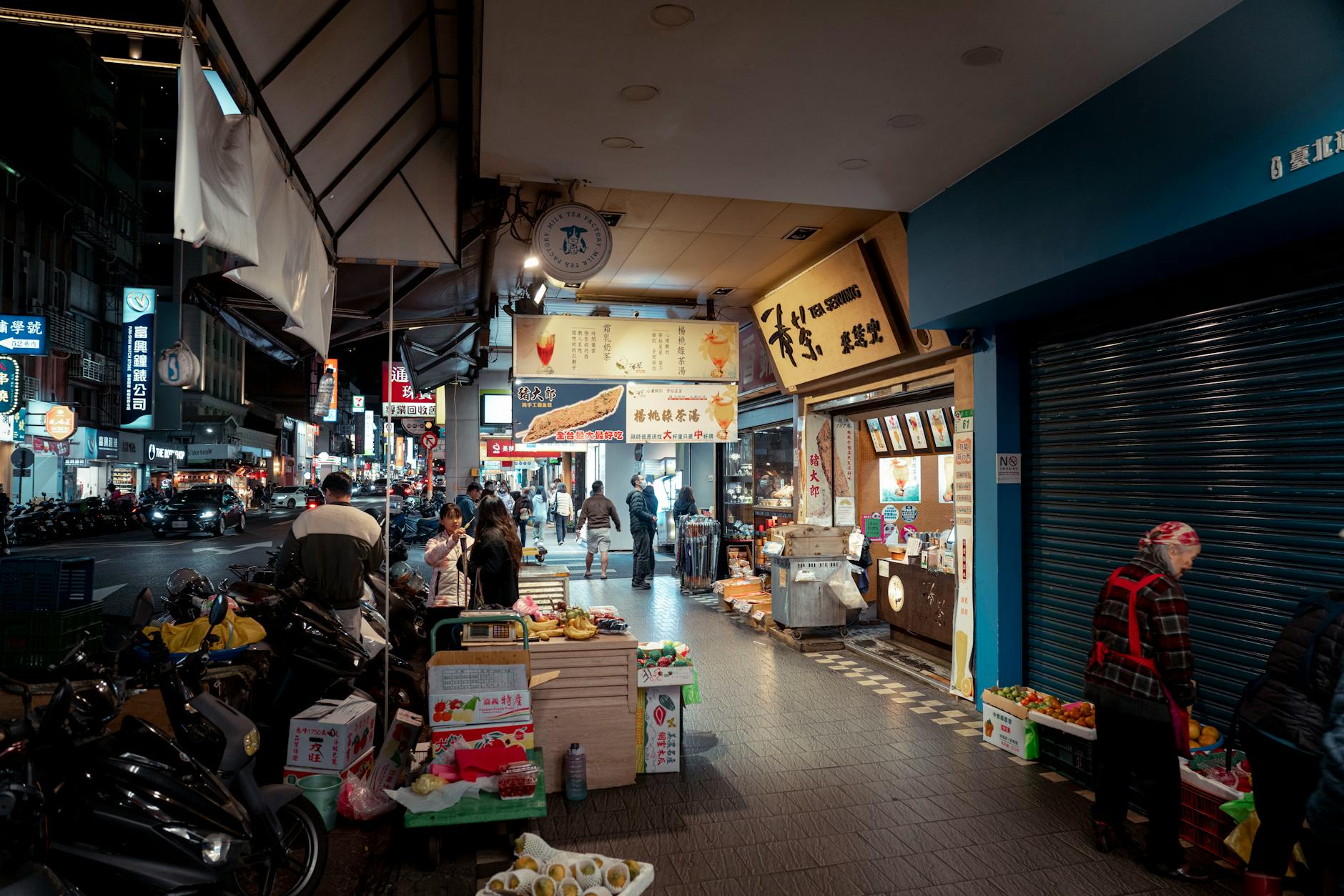
Shilin District | Free
Taipei’s largest and most famous night market with hundreds of food stalls, games, and cheap shopping.
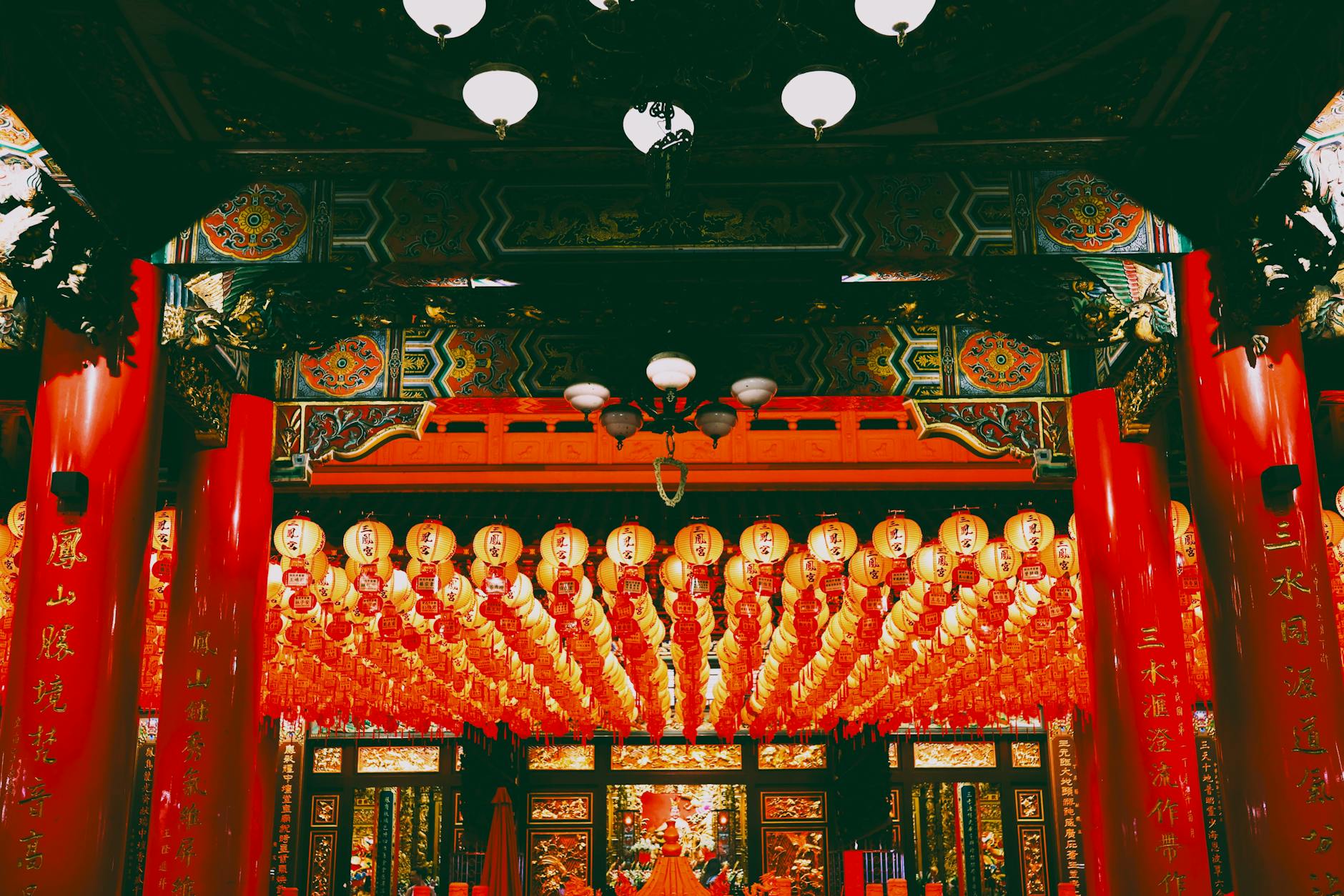
Wanhua District | Free
Taipei’s most important temple (1738). Stunning Fujian-style architecture with intricate dragon carvings and active worship.
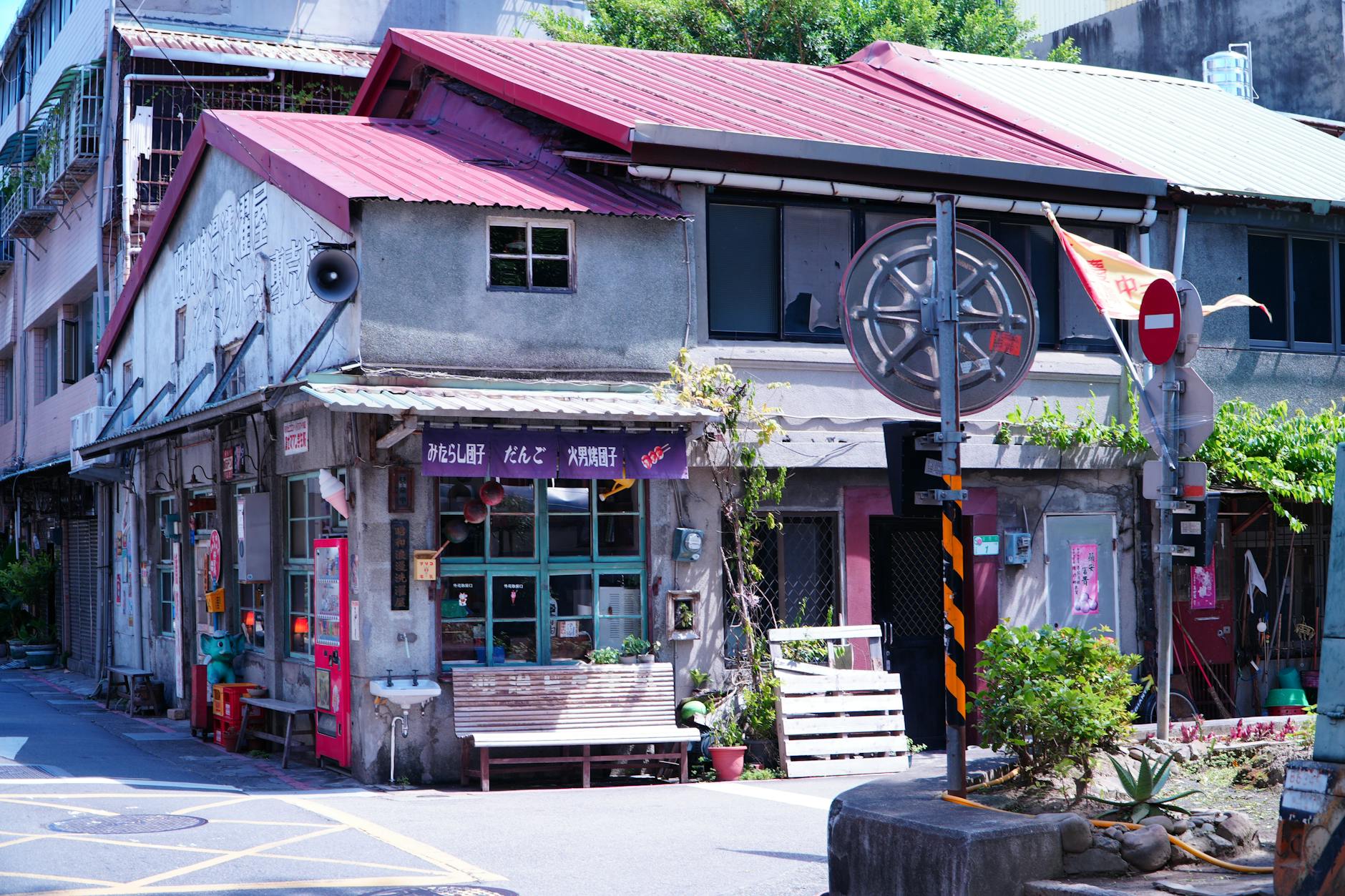
1 hour from Taipei | Free
Hillside gold mining town with lantern-lit alleys said to inspire Spirited Away. Stunning ocean views and tea houses.
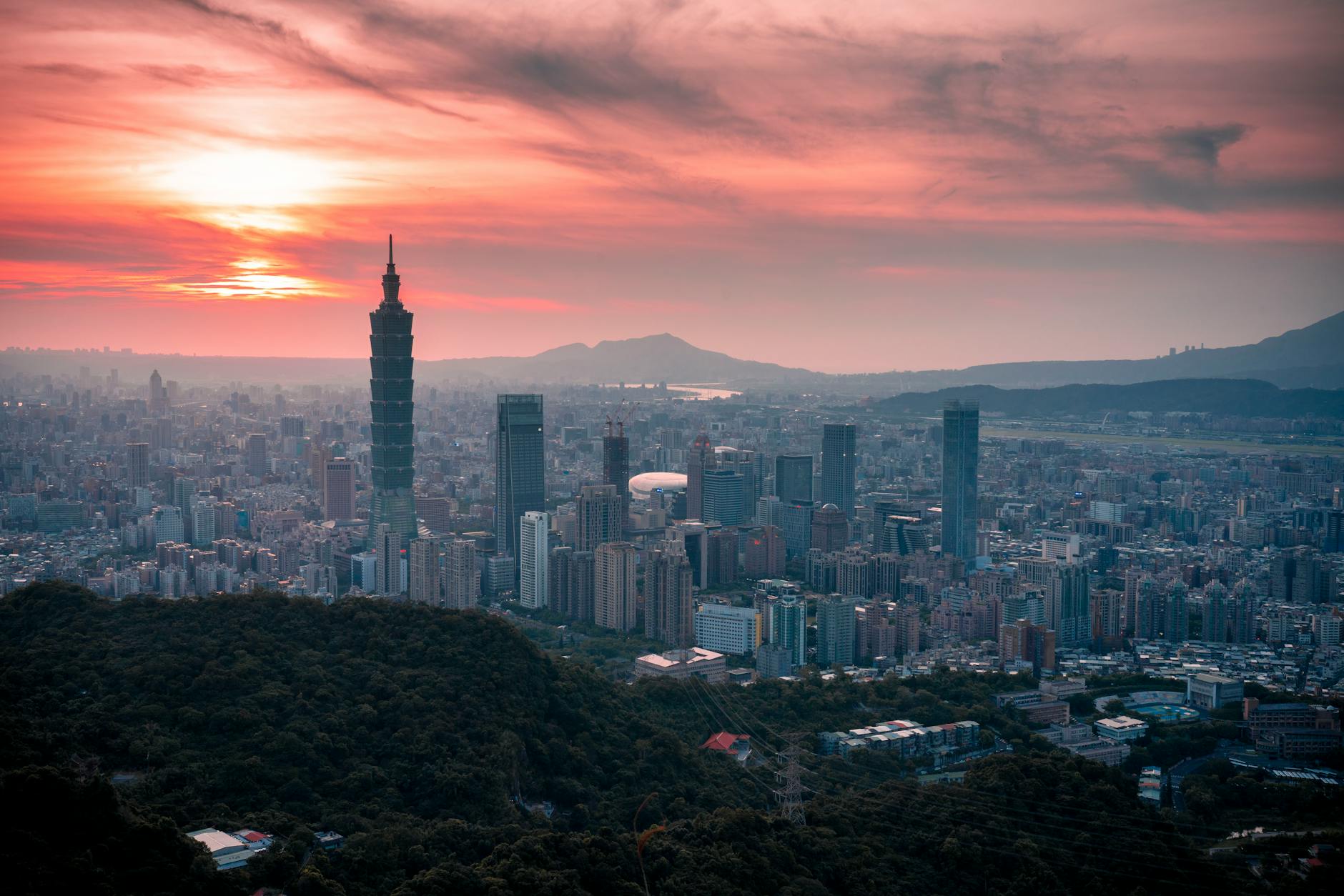
Xinyi District | Free
Short but steep hike (20–30 min) with the best views of Taipei 101 framed by rocky outcrops.
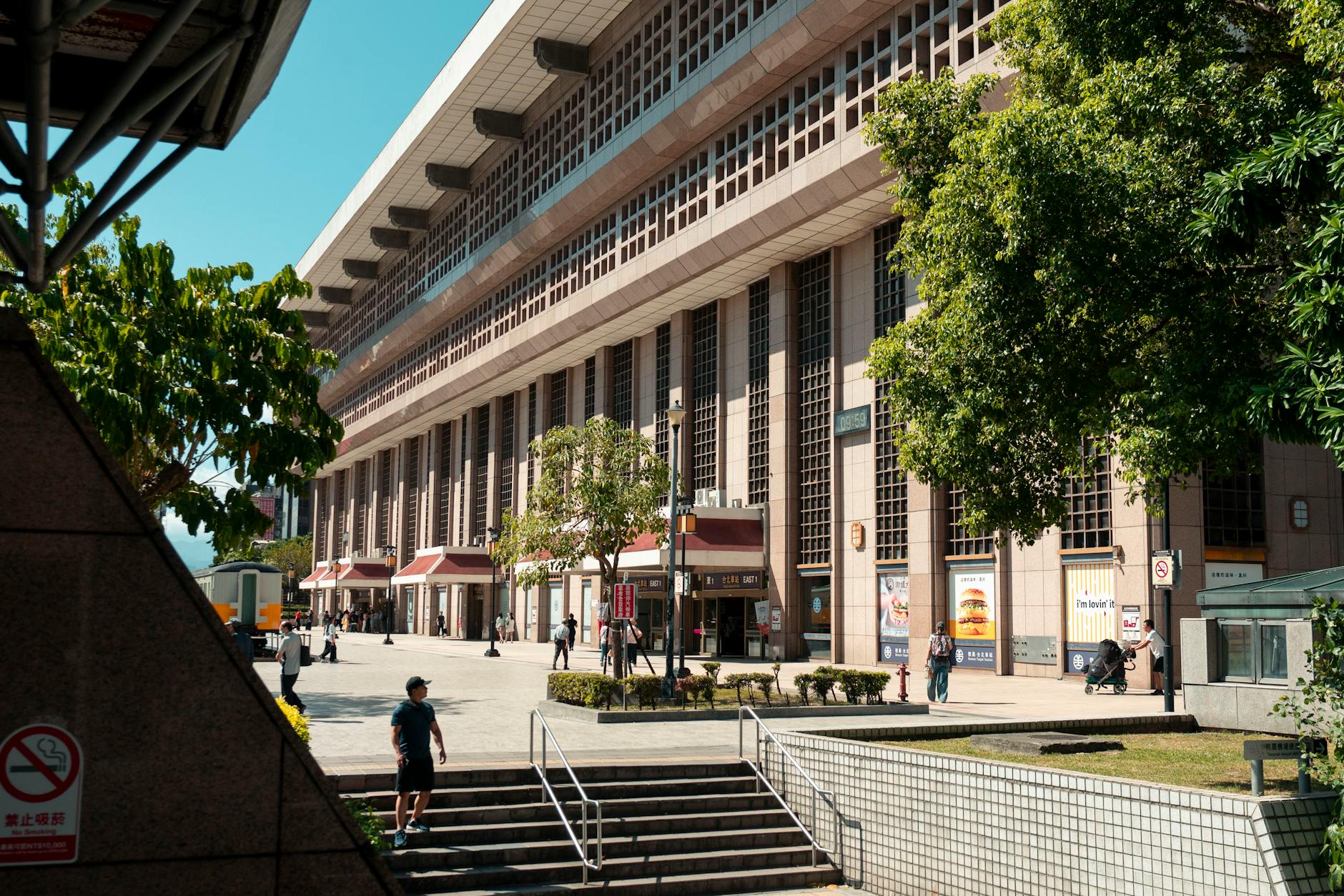
Beitou District | NT$40–NT$2,000+
Natural hot spring district 30 min from downtown. Public bathhouse Millennium Hot Spring costs just NT$40.
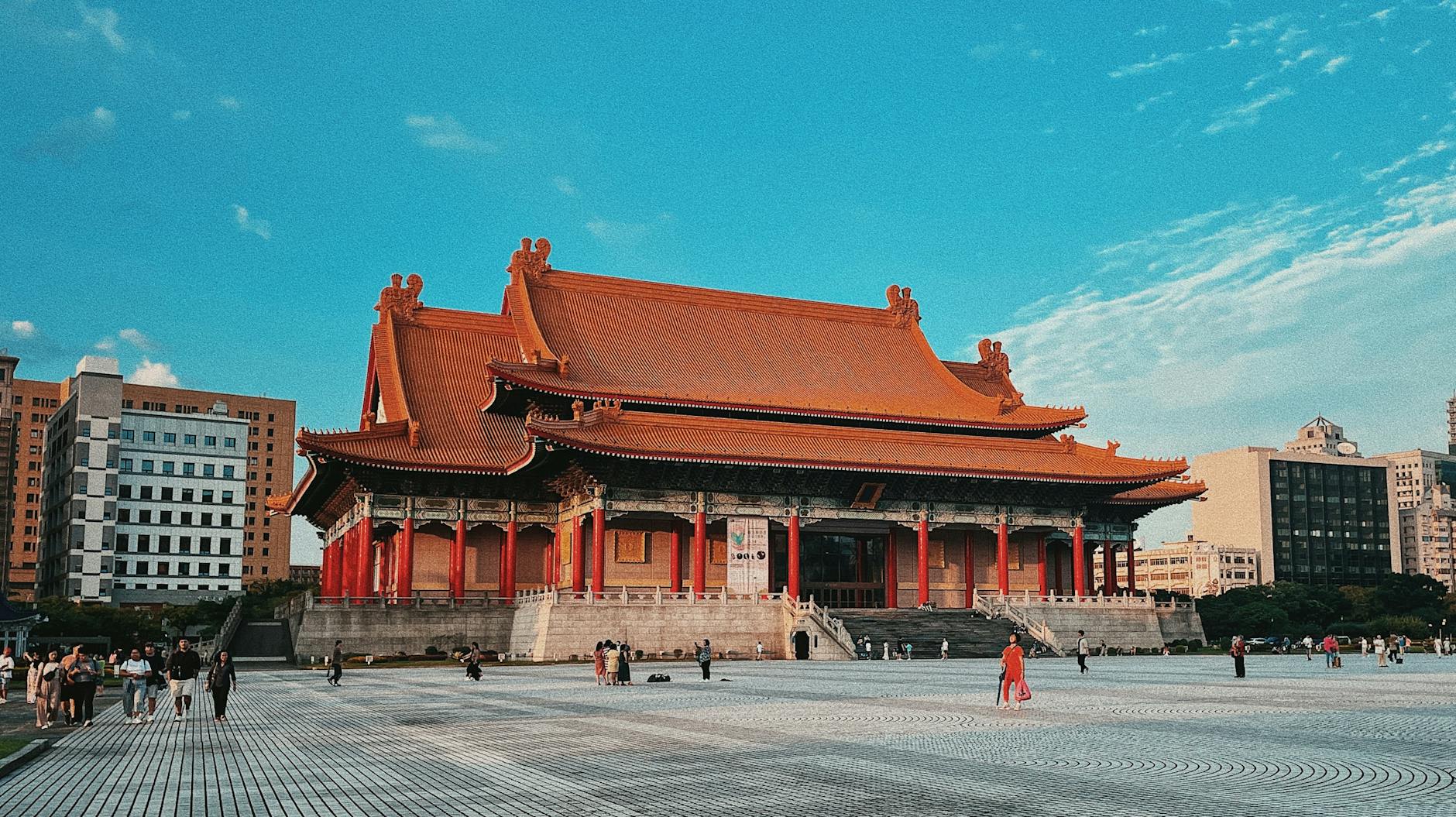
Shilin District | NT$350
One of the world’s greatest collections of Chinese art with 700,000+ artifacts including the Jadeite Cabbage.
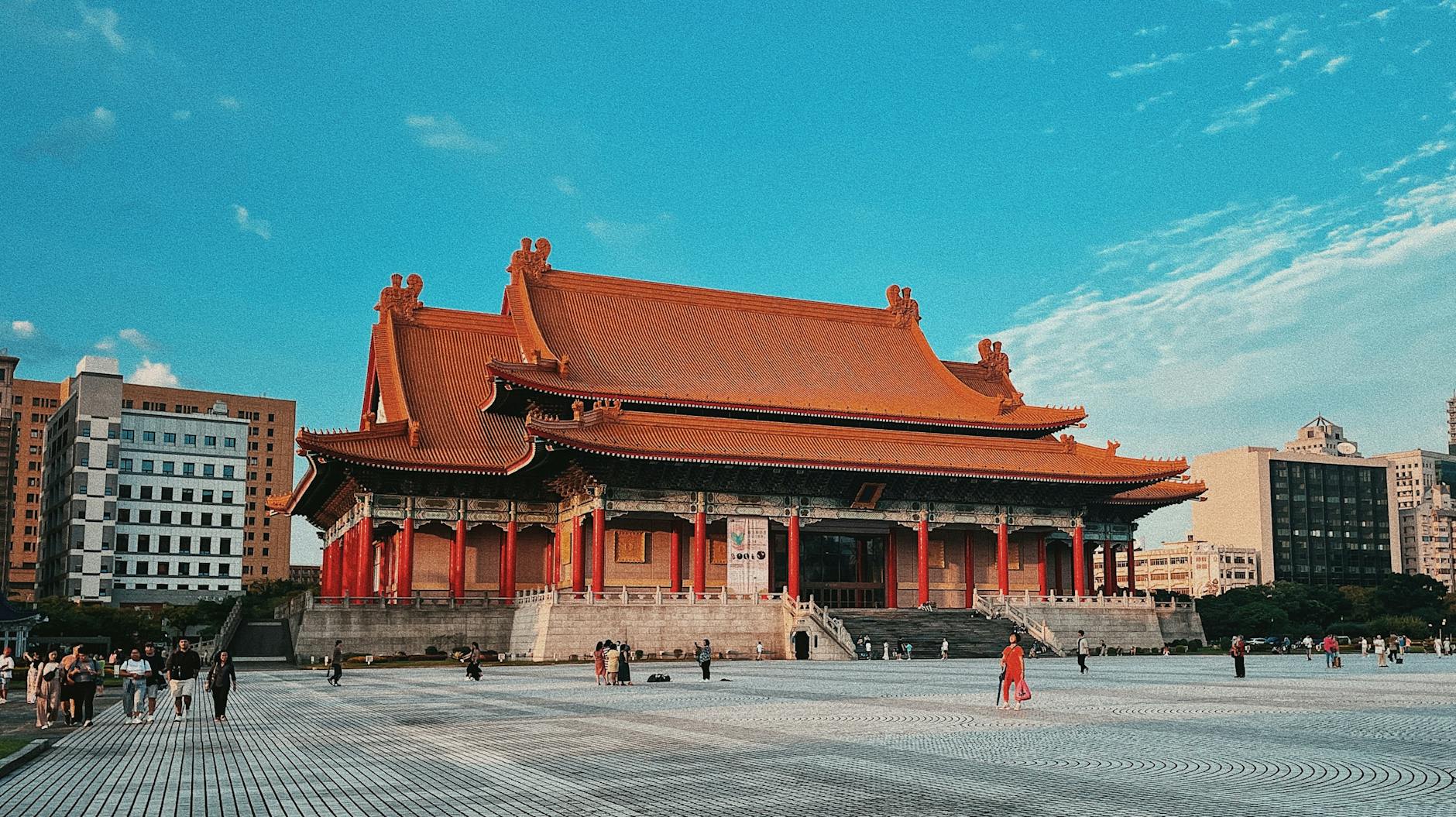
Zhongzheng District | Free
Grand memorial hall with hourly guard-changing ceremony. Liberty Square and the National Concert Hall frame it beautifully.
Songshan District | Free
More intimate than Shilin. Famous for pepper buns (hu jiao bing) at the entrance stall.
Wanhua District | Free
Taipei’s Harajuku — youth shopping and entertainment district with pedestrian streets, street art, and bubble tea shops.
Datong District | Free
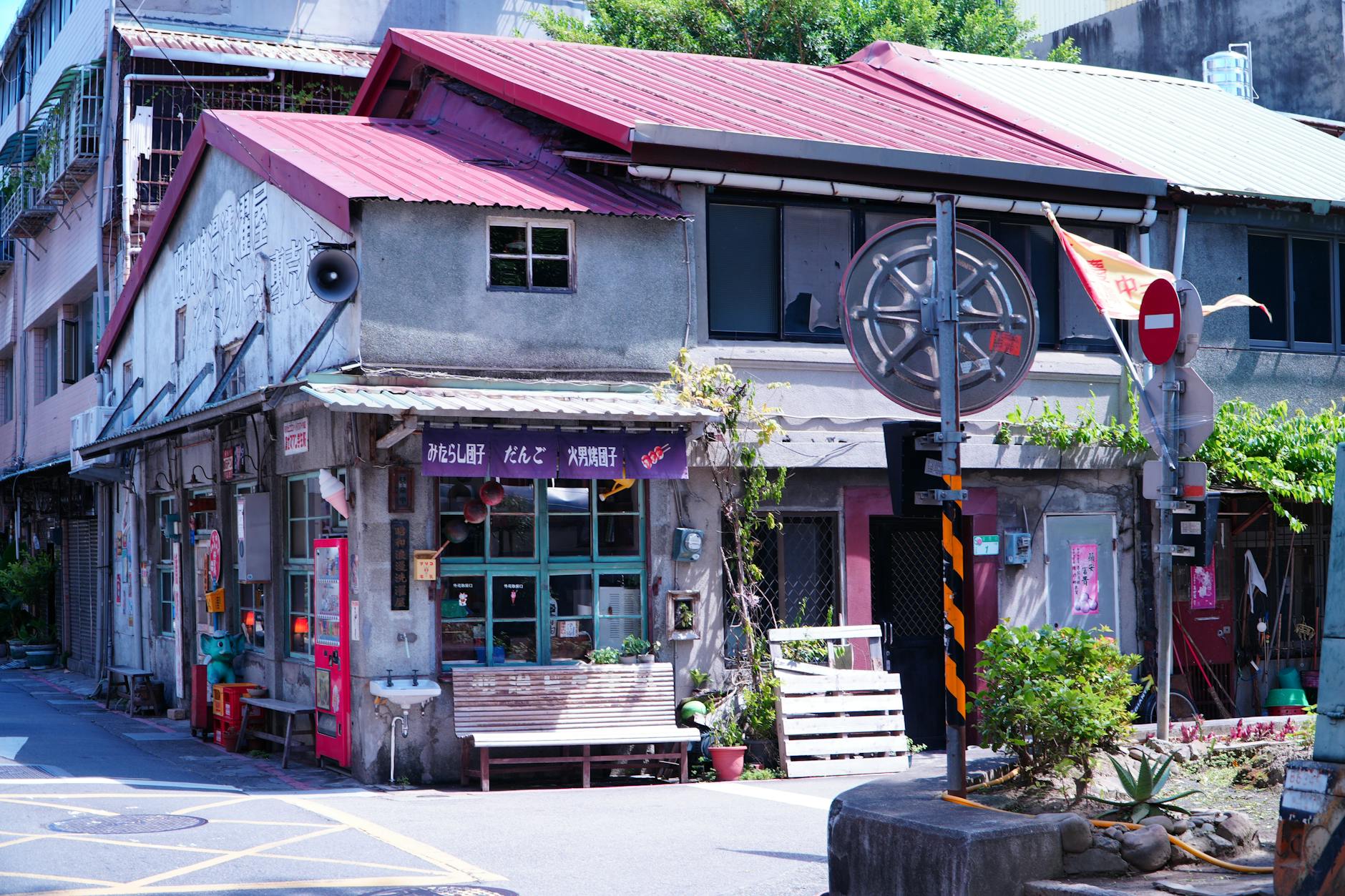
Historic trading district with beautifully restored Qing and Japanese-era shophouses selling dried goods and traditional medicines.
Wenshan District | NT$120/ride
Cable car to tea plantation hills above the city. Glass-bottom cars available. Tea houses at the top.
North of Taipei | Free
Volcanic national park with hot springs, hiking trails, cherry blossoms (Feb–Mar), and calla lilies (Mar–May).
Zhongzheng District | Free
Former sake brewery converted into a creative space with galleries, cafes, and pop-up exhibitions.
Xinyi District | Free
Former tobacco factory now housing the Taiwan Design Museum, craft markets, and stylish cafes.
Datong District | Free
Smaller, more local night market famous for taro balls, oyster omelets, and liu sha bao (lava custard buns).
Tamsui District | Free
Riverside town at the end of the Red MRT line. Iron eggs, fish crackers, and beautiful sunset views.
Zhongzheng District | Free
Former illegal settlement on a hillside transformed into an artist community with galleries and installations.
19. Sun Moon Lake (Day Trip) (3 hours by bus, NT$100 (bike rental)): Taiwan’s most scenic lake surrounded by mountains. Cycle the 30 km lakeside path.
20. Yehliu Geopark (1.5 hours by bus, NT$80): Dramatic rock formations shaped by erosion including the famous Queen’s Head rock. Combine with Jiufen.
Essential practical information
Cash is still common at night markets and small shops. ATMs are everywhere. Credit cards accepted at larger establishments. NT$1,000 notes are common.
Taipei is one of the safest cities in the world. Lost wallets are commonly returned with cash intact. Solo female travelers feel very comfortable.
No eating, drinking, or gum chewing on the MRT (fine: NT$1,500). Stand on the right side of escalators. MRT runs 6 AM–midnight.
Be careful crossing streets — scooters are everywhere and can be unpredictable. Always use crosswalks.
Typhoon season runs June–October. The government issues clear warnings, and “typhoon days” close businesses and transport.
Mandarin Chinese is the main language. English is spoken by younger people and at tourist sites. Signs in the MRT are trilingual.
Taiwan is serious about recycling. Separate trash into recyclables, food waste, and general waste. Hotels provide separate bins.
Taiwan’s healthcare is excellent and affordable, but tourists are not covered by NHI. Travel insurance recommended.
| Budget Level | Daily Cost | Includes |
|---|---|---|
| Budget | NT$1,500–2,500/day | Hostel, night market meals, MRT |
| Mid-Range | NT$3,500–6,000/day | 3-star hotel, restaurant meals, day trips |
| Luxury | NT$10,000+/day | Mandarin Oriental, fine dining, private tours |
Navigate the city like a local
Taiwan Taoyuan Airport (TPE): Taoyuan Airport MRT to Taipei Main Station (NT$160, 35 min). Bus to Taipei (NT$125–145, 55 min). Taxi (NT$1,200–1,500, 40 min). Songshan Airport (TSA): MRT Brown Line directly to the city (NT$20–30, 10 min).
6 lines covering central Taipei and New Taipei. Clean, efficient, English signage. Cost: NT$20–65/ride
Extensive network with English announcements. EasyCard works. Cost: NT$15/ride
Yellow cabs everywhere. Metered and honest. Flag drop NT$70. Cost: NT$70 base + NT$5/200m
City bike-share with 13,000+ bikes. Register with EasyCard. First 30 min free! Cost: Free–NT$10/30 min
Taipei to Kaohsiung in 1.5 hours. Book early for discounts. Cost: NT$1,490 (Taipei–Kaohsiung)
When to go and what to expect
Pleasant spring weather (18–28°C). Cherry blossoms in Yangmingshan. Occasional rain but manageable.
Hot and humid (28–36°C). Typhoon season (mostly August–September). Mango season!
The best season. Comfortable temperatures (15–28°C), clear skies, and fewer tourists. Perfect for hiking.
Cool (12–18°C). Chinese New Year (late Jan/early Feb) brings closures but festive atmosphere. Cherry blossoms start in late February.
Taipei — best experienced in October–December, March–AprilMake the most of your time
Extended stays and themed routes
Add a full day at Yangmingshan National Park (hot springs + hiking), explore Tamsui’s waterfront at sunset, and take the Maokong Gondola for tea plantation views.
Take the HSR to Taichung for Rainbow Village and Sun Moon Lake, visit Hualien for the stunning Taroko Gorge, and explore Tainan — Taiwan’s oldest and foodiest city.
Taipei Zoo + Maokong Gondola (full day), the interactive Discovery Center at Taipei 101, Shilin Night Market games, and Yehliu’s bizarre rocks. Kids love bubble tea customization.
Din Tai Fung for xiao long bao, a beef noodle soup crawl (three different shops in one day), night market food marathon, and a Dadaocheng cooking class for Taiwanese home dishes.
Where century-old shophouses meet third-wave coffee culture
Old Taipei Charm
Zhongshan is Taipei’s best all-rounder neighborhood: stylish without being pretentious, central without being chaotic, and packed with cafes, boutiques, and tree-lined streets. The area around Zhongshan MRT is a hub of independent coffee shops and design stores, while the lanes between Nanjing and Zhongshan Roads hide some of Taipei’s best brunch spots and vintage boutiques.
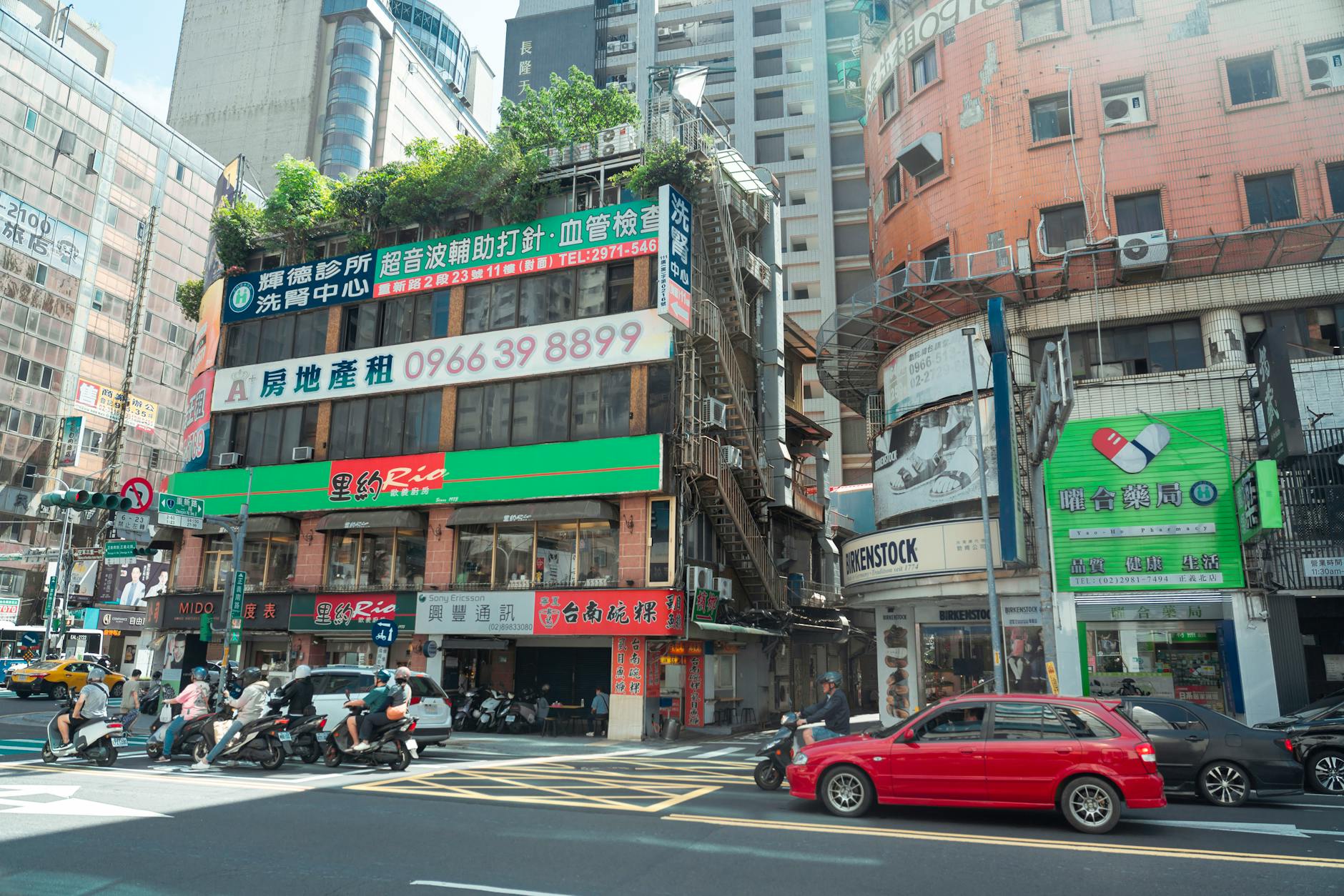
Adjacent Datong district is where old Taipei lives on. Dihua Street, once the city’s most important trading road, has been beautifully restored — century-old shophouses now house tea shops, fabric stores, and artisan workshops alongside traditional dried-goods merchants. The Dadaocheng area comes alive during Chinese New Year and the Lantern Festival. Nearby Ningxia Night Market is beloved by locals for its taro balls, oyster omelets, and liu sha bao (lava custard buns).
Where to eat in Zhongshan & Datong
Ningxia Night Market stalls (NT$40–100): Intimate night market with excellent oyster omelets, grilled squid, and the best taro balls in Taipei.
Fong Da Coffee (NT$120–200): Taipei’s oldest coffee shop (since 1956). A living piece of history.
Shin Yeh (NT$300–600): Traditional Taiwanese cuisine in an elegant setting. The three-cup chicken is legendary.
Shopping: Dihua Street for Chinese tea, dried goods, and traditional fabrics. Zhongshan for independent design brands and Eslite Bookstore’s flagship.


Where a 508-meter supertower rises above the world’s best dumpling restaurant
Modern Taipei
Xinyi is Taipei’s sleek, modern center — the district where Taipei 101 pierces the sky, luxury malls line Xinyi Road, and the nightlife shifts between rooftop bars and late-night street food. The Xinyi Shopping District is Taiwan’s most upscale retail zone, anchored by Taipei 101 Mall, Breeze Center, and multiple department stores. But the area’s best experience is free: the Elephant Mountain hike, which rewards 20 minutes of steep stairs with the most iconic view in Taiwan.
Songshan district, just north of Xinyi, offers cultural contrast. The Songshan Cultural and Creative Park (a former tobacco factory) hosts art exhibitions and design markets, while Raohe Night Market draws food-obsessed locals with its famous pepper buns and medicinal herb stewed ribs. The Ciyou Temple at Raohe’s entrance is one of Taipei’s most colorful places of worship.
Where to eat in Xinyi & Songshan
Din Tai Fung, Xinyi (NT$400–700): The original flagship of the world’s most famous dumpling restaurant. Expect a queue but it moves fast.
Raohe Night Market (NT$50–150): Pepper buns (NT$60) at the entrance stall are legendary. Also try the medicinal ribs and stinky tofu.
RAW (NT$3,800+): Andre Chiang’s two Michelin-starred modern Taiwanese restaurant. Book weeks ahead.
Shopping: Taipei 101 Mall for luxury brands, Breeze Center for Taiwanese designers, and the weekend Xinyi farmers’ market for artisan food products.


Where Taipei’s 1738 temple meets its 21st-century street culture
Taipei’s Soul
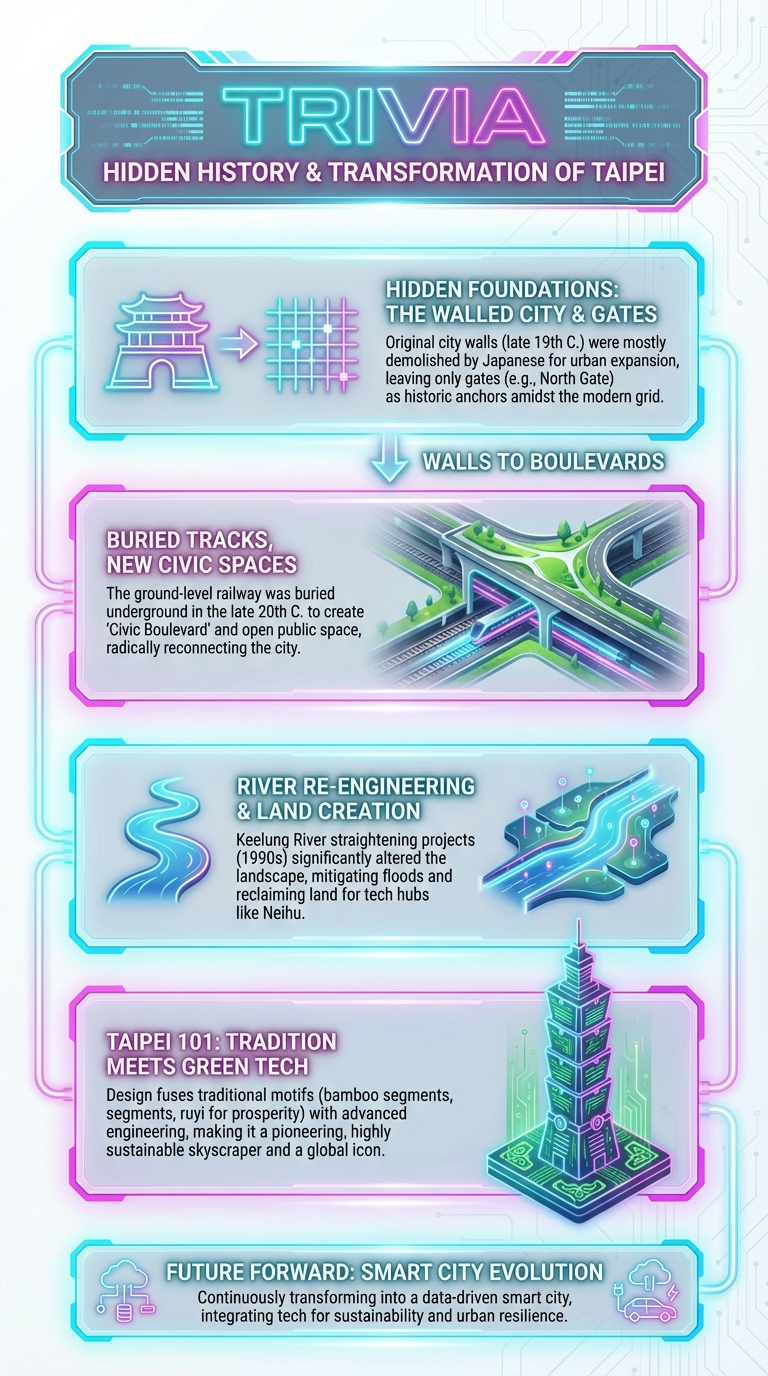
Wanhua is Taipei’s oldest district, established in the 18th century as a river port trading with mainland China. Longshan Temple, the neighborhood’s spiritual anchor since 1738, is one of Taiwan’s most important temples — a riot of dragons, incense, and devoted worshippers. The surrounding streets retain an old-world Taipei atmosphere with herbalist shops, traditional pastry vendors, and the Bopiliao Historic Block’s beautifully preserved Qing-era red brick buildings.
Just north, Ximending is Taipei’s youthful counterpoint — a pedestrian shopping and entertainment district often compared to Tokyo’s Harajuku. Bright street art, cosplay shops, bubble tea chains, and theaters fill the alleys. Ximending’s Red House is a landmark LGBT+ shopping and nightlife hub. The area comes alive at night when neon signs blaze and street performers draw crowds. The contrast between ancient Longshan and modern Ximending, just a 10-minute walk apart, perfectly captures Taipei’s duality.
Where to eat in Wanhua & Ximending
Ay-Chung Flour Rice Noodles (NT$55): Tiny bowl of thick rice noodles in a meaty broth. One of Ximending’s most iconic cheap eats. Queue inevitable.
Longshan Temple area hawkers (NT$30–80): Pork thick soup, sesame oil chicken noodles, and glutinous rice around the temple.
Modern Toilet Restaurant (NT$250–400): Novelty restaurant where everything is served in toilet-shaped dishes. Fun for families.
Shopping: Ximending for streetwear, cosplay supplies, and bubble tea. Red House Creative Market for independent Taiwanese designers (weekends).


What to eat and where to find it
Taiwan is a food island, and Taipei is its capital of flavor. Night markets are the city’s communal dining rooms where families gather nightly to eat their way through dozens of stalls. But Taipei’s food scene runs far deeper: beef noodle soup elevated to an art form, xiao long bao perfected by Din Tai Fung, traditional Hoklo and Hakka dishes, Japanese influences from the colonial era, and a new generation of chefs blending everything. Bubble tea was born here, and the island consumes 24 million cups daily.
Xiao Long Bao (NT$220–400): Soup-filled steamer dumplings. Din Tai Fung set the standard, but locals debate alternatives like Hao Gong Dao and Hangzhou Xiao Long Bao.
Beef Noodle Soup (NT$180–280): Taiwan’s national dish: tender braised beef, hand-pulled noodles, and a deeply spiced broth. Yong Kang is the benchmark.
Stinky Tofu (Chou Doufu) (NT$50–80): Deep-fried fermented tofu with pickled cabbage. Smells terrifying, tastes incredible. A night market essential.
Oyster Omelet (O-A-Jian) (NT$60–80): Oysters in a gooey sweet potato starch batter with sweet chili sauce. A night market staple.
Pepper Buns (Hu Jiao Bing) (NT$50–70): Baked buns filled with peppered pork and green onion. The stall at Raohe’s entrance sells 10,000+ daily.
Bubble Tea (Boba) (NT$40–80): Taiwan’s global gift. Fresh milk tea with chewy tapioca pearls. Try classic pearl milk tea at 50 Lan.
Lu Rou Fan (Braised Pork Rice) (NT$40–60): Minced pork braised in soy sauce over rice. A simple, deeply satisfying comfort food served at every local eatery.
Mango Shaved Ice (NT$100–180): Mountains of shaved ice topped with fresh mango, condensed milk, and mango ice cream. Best May–September at Ice Monster.
Best restaurants, markets, and street food
Din Tai Fung, Xinyi (NT$400–700): The original flagship. Watch dumplings being folded through the glass window. The truffle xiao long bao is a splurge.
Yong Kang Beef Noodle (NT$220): The beef noodle soup that launched a thousand imitators. Rich, spiced broth and meltingly tender beef.
Addiction Aquatic Development (NT$500–1,500): Massive seafood complex with a sashimi bar, standing sushi bar, and live seafood market.
RAW (NT$3,800+): Andre Chiang’s Michelin-starred modern Taiwanese tasting menu. Book 2–3 weeks ahead.
Shilin Night Market: Enormous fried chicken cutlet (NT$70), flame-torched beef (NT$100), mango shaved ice, and oyster omelets.
Raohe Night Market: Pepper buns (NT$60), medicinal ribs soup (NT$70), and stinky tofu (NT$50).
Ningxia Night Market: Taro balls, liu sha bao (lava buns), and the best oyster omelets in Taipei.


Understanding the story of Taipei
Taiwan’s history is a palimpsest of cultures. Indigenous Austronesian peoples inhabited the island for millennia before Dutch and Spanish colonizers arrived in the 1620s. Koxinga (Zheng Chenggong) expelled the Dutch in 1662, and the island later came under Qing Chinese rule. Japan colonized Taiwan from 1895 to 1945, leaving an indelible mark on the island’s infrastructure, cuisine, and aesthetics — from hot spring culture to the love of matcha and tempura.
After WWII, the Republic of China (ROC) under Chiang Kai-shek retreated to Taiwan in 1949 after losing the Chinese Civil War, bringing millions of mainlanders and the entire imperial art collection (now in the National Palace Museum). Decades of martial law gave way to democratization in the 1990s, and today Taiwan is one of Asia’s most vibrant democracies. Taipei, once a quiet provincial capital, has transformed into a cosmopolitan city that punches far above its weight in technology, cuisine, and quality of life.
Taipei’s culture blends Chinese, Japanese, and indigenous influences into something uniquely Taiwanese. Temple culture is vivid and living — locals visit temples daily to burn incense, consult fortune sticks, and throw moon blocks. Night markets are social institutions, not tourist attractions: families gather nightly, politicians campaign there, and food trends are born and die in their stalls. Taiwan’s progressive values — it was the first Asian country to legalize same-sex marriage in 2019 — coexist with deep Confucian respect for elders and family. The island’s bubble tea culture, café scene, and design aesthetics are now globally influential.
Excursions from Taipei
Taipei sits at the tip of Taiwan with mountains, coast, and hot springs all within easy reach. The excellent rail and bus network makes day trips effortless.
Jiufen’s lantern-lit alleys and Shifen’s sky lanterns and waterfalls make the perfect day trip combo. Entry: Free (towns)
Bizarre wind-eroded rock formations along the northern coast, including the famous Queen’s Head. Entry: NT$80
Morning hot springs in Beitou, afternoon hiking in the volcanic national park. Entry: NT$40–NT$2,000
Spectacular marble gorge with hiking trails, suspension bridges, and the Swallow Grotto walkway. Entry: Free (gorge)

Practical information from A to Z
Legal age 18. Beer at convenience stores from NT$30. Craft beer scene is growing. Taiwan Beer is the local lager.
Everywhere. Most accept international cards. 7-Eleven and FamilyMart ATMs are most reliable for foreign cards.
National Taiwan University Hospital for emergencies. Clinics are affordable even without insurance.
110V/60Hz. Type A/B plugs (same as US/Japan). Most chargers are universal.
Free iTaiwan Wi-Fi at MRT stations, tourist spots. Data SIMs available at airport (NT$300–500/5 days).
Taiwan legalized same-sex marriage in 2019 — first in Asia. Ximending’s Red House is the LGBTQ+ nightlife hub.
Chunghwa Post is reliable. International EMS available at all post offices.
Night markets: 5pm–midnight. Shops: 11am–10pm. MRT: 6am–midnight. Museums: 9am–5pm, closed Mondays.
Strict recycling laws. Listen for the music of garbage trucks (Beethoven’s Für Elise).
Watch for scooters everywhere. They dominate the roads and can be unpredictable.
5% VAT included. Tax refund at airports for purchases over NT$2,000 at Tax Refund shops.
Clean and well-maintained. Some older buildings have squat toilets. MRT stations all have western toilets.
Tap water is not recommended for drinking. Filtered water dispensers are in every convenience store and MRT station.
The government declares official “typhoon days” when businesses and transport shut down. Stay indoors and enjoy the hotel.
Rain is frequent. Convenience stores sell cheap umbrellas (NT$60). Many MRT stations have umbrella sharing stands.
Getting to and around Taipei
From Taoyuan Airport (TPE): Airport MRT to Taipei Main Station (NT$160, 35 min, every 15 min). Bus 1819 to Taipei Main (NT$145, 55 min). Taxi (NT$1,200–1,500, 40 min).
From Songshan Airport (TSA): MRT Brown Line from the airport to central Taipei in minutes (NT$20–30).
Within Taipei: The MRT covers all major areas. EasyCard is essential. YouBike fills the gaps between stations.
| Mode | Details | Cost |
|---|---|---|
| Taipei MRT | 6 lines covering central Taipei and New Taipei. Clean, efficient, English signage. | NT$20–65/ride |
| City Bus | Extensive network with English announcements. EasyCard works. | NT$15/ride |
| Taxi | Yellow cabs everywhere. Metered and honest. Flag drop NT$70. | NT$70 base + NT$5/200m |
| YouBike | City bike-share with 13,000+ bikes. Register with EasyCard. First 30 min free! | Free–NT$10/30 min |
| Taiwan High Speed Rail (HSR) | Taipei to Kaohsiung in 1.5 hours. Book early for discounts. | NT$1,490 (Taipei–Kaohsiung) |
Essential phrases for travelers
Mandarin Chinese (with traditional characters, unlike mainland China’s simplified) is the main language. Taiwanese Hokkien is widely spoken by older generations. English proficiency is growing among younger people.
| English | Mandarin Chinese |
|---|---|
| Hello | Nǐ hǎo (你好) |
| Thank you | Xièxie (谢谢) |
| Excuse me | Bù hǎo yìsī (不好意思) |
| How much? | Duōshǎo qián? (多少钱) |
| Delicious! | Hǎo chī! (好吃) |
| Yes / No | Shì / Bú shì (是 / 不是) |
| Water | Shuǐ (水) |
| Check please | Mǎi dān (买单) |
| Where is...? | ...zài nǎlǐ? (在哪里) |
| Help! | Jiùmìng! (救命) |
| I don’t understand | Wǒ tīng bù dǒng (我听不懂) |
| Too expensive | Tài guì le (太贵了) |
| Bubble tea | Zhēnzhū nnji chá (珍珠奶茶) |
| Night market | Yèshì (夜市) |
| Thank you (Taiwanese) | Dō-siā (多謝, Hokkien) |
Our favourite experiences in Taipei
Elephant Mountain
Watch Taipei 101 glow gold as the sun rises from behind the mountains
Tamsui Waterfront
End-of-the-MRT-line riverside town with stunning golden hour views
Din Tai Fung Xinyi
The xiao long bao that changed the dumpling game worldwide
Raohe Night Market
Pepper buns, medicinal ribs, and stinky tofu in a single block
Mandarin Oriental Taipei
European elegance with a Taiwanese soul in Dunhua district
National Palace Museum
700,000 Chinese imperial treasures in one incredible collection
Treasure Hill Artist Village
Hillside artist colony with galleries in former squatter houses
Jiufen Old Street at Dusk
Red lanterns glowing against ocean mist and mountain tea houses
Ximending
Taipei’s youthful pedestrian quarter with street art and bubble tea
Longshan Temple at Night
Incense, lanterns, and the sound of fortune sticks in Taipei’s oldest temple
Everything you need for Taipei
Travorea creates comprehensive, beautifully designed travel guides that combine insider knowledge with practical information. Our guides are crafted to help you experience destinations like a local, not just a tourist.
This premium guide to Taipei was researched and written to give you everything you need for an unforgettable trip. All prices and information were verified at the time of writing (2026) but may change — always confirm locally.
All photographs in this guide are sourced from free-to-use image libraries (Pexels, Unsplash) and original Travorea photography. Infographics are original Travorea creations.
Explore More Guides
Visit www.travorea.com/ebooks for premium guides to 50+ destinations worldwide.
Night Market Paradise