
Where Tradition Meets Tomorrow
The neon-lit megacity where ancient shrines stand beside futuristic skyscrapers
Where Tradition Meets Tomorrow
Tokyo is a city of beautiful contradictions — a place where a 1,300-year-old temple sits in the shadow of the world’s tallest broadcasting tower, where Michelin-starred sushi counters share streets with ¥100 conveyor-belt restaurants, and where rush-hour commuters in business suits bow at centuries-old shrines before boarding the world’s most punctual trains. With 13 million residents packed into neighborhoods that each feel like a distinct city, Tokyo rewards the curious with endless discoveries: a tiny ramen shop tucked beneath railway tracks, a rooftop garden atop a department store, or a quiet garden where time seems to stop.
The secret to Tokyo is its neighborhoods. Skip the bus tours and instead spend a morning in the traditional lanes of Yanaka, an afternoon amid the cosplay culture of Harajuku, and an evening watching the organized chaos of Shibuya Crossing from above. Eat everything — Tokyo has more Michelin stars than any city on Earth, but the best meals often cost under ¥1,000. And don’t worry about the language barrier: Tokyo is remarkably navigable, extraordinarily safe, and the Japanese concept of omotenashi (hospitality) means someone will always go out of their way to help.
Tokyo
The capital of Japan and the world’s most populous metropolitan area (37 million in greater Tokyo), this megacity is a marvel of efficiency, culture, and cuisine. From ancient Edo-period gardens to the blinding lights of Shinjuku, Tokyo is a city you could explore for months and never fully know.
The essential sights and experiences
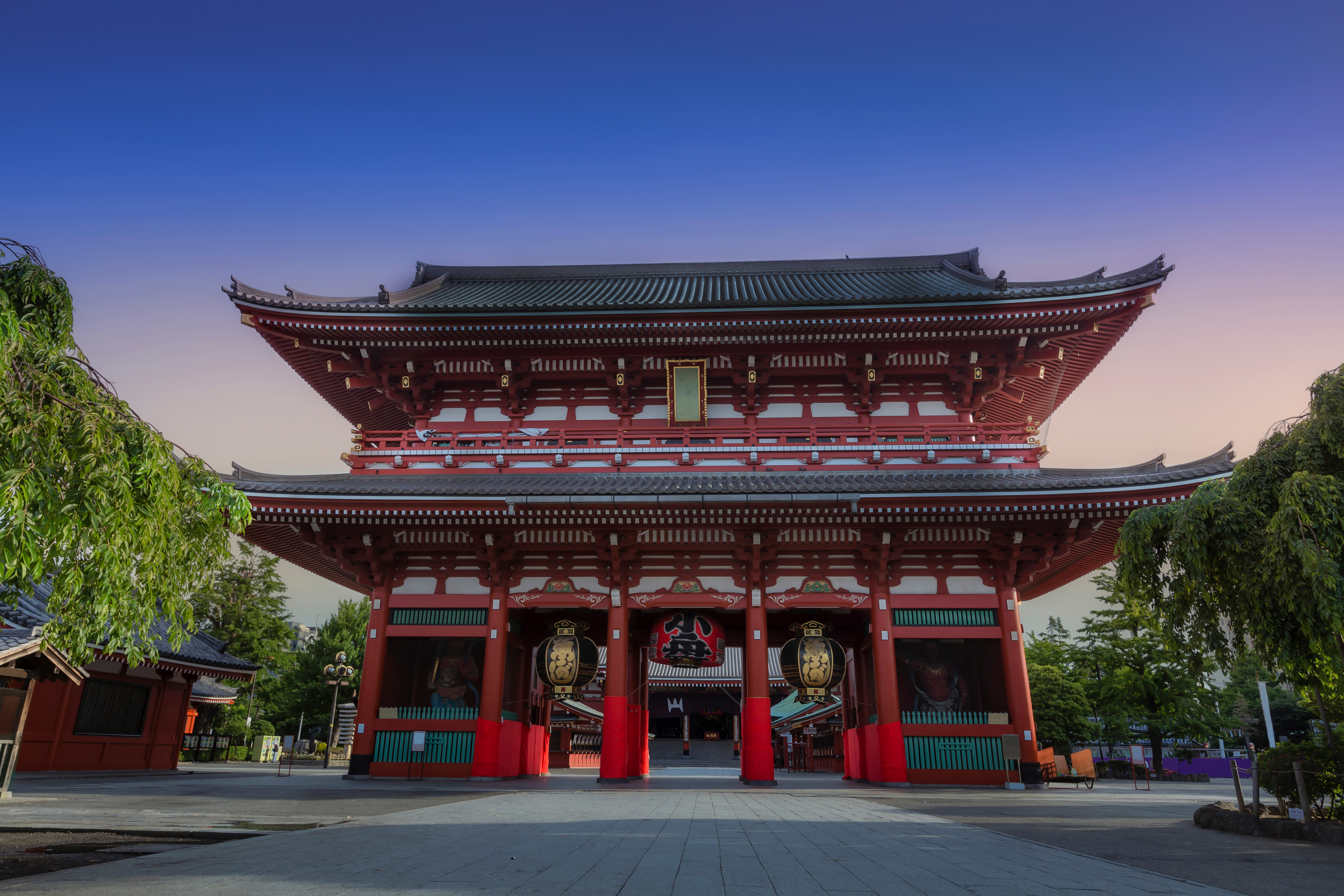
Asakusa, Taito | Free
Tokyo’s oldest temple (645 AD) with the iconic Kaminarimon Thunder Gate and Nakamise shopping street.

Shibuya | Free
Serene Shinto shrine in a 170-acre forest, dedicated to Emperor Meiji. A tranquil escape from the city.
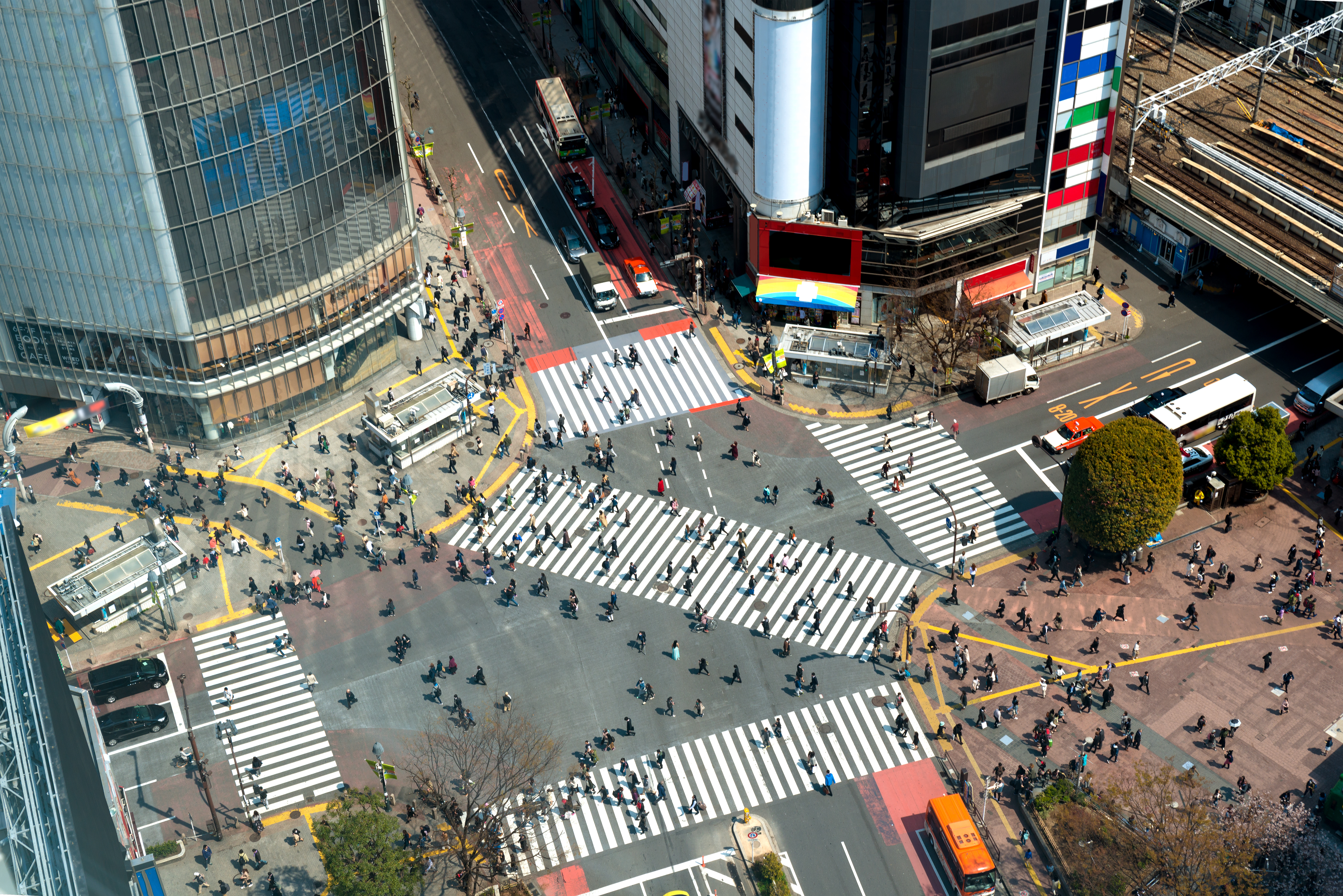
Shibuya | Free
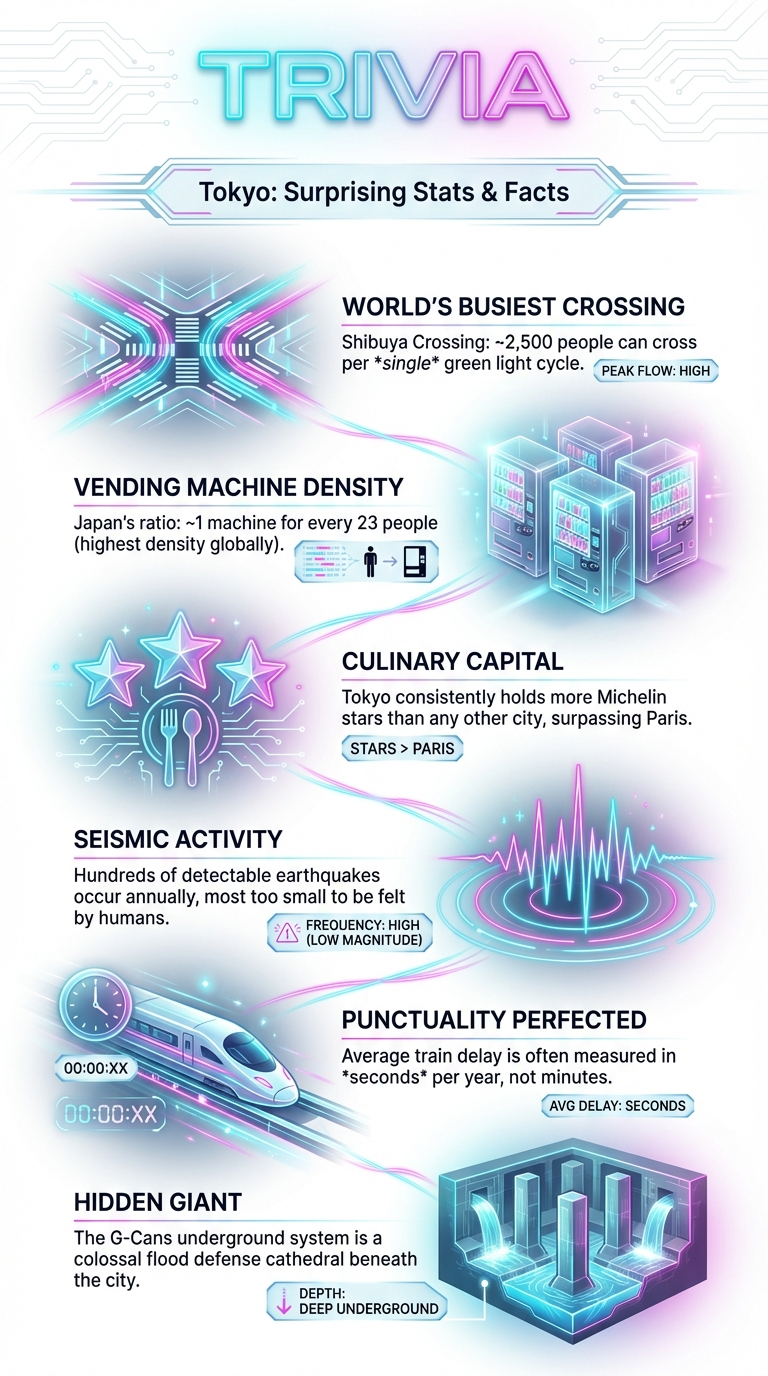
The world’s busiest pedestrian crossing — up to 3,000 people cross at once. Watch from Shibuya Sky or Starbucks above.

Chuo | Free
The legendary fish market moved to Toyosu, but Tsukiji’s outer market remains a street food paradise with 400+ vendors.

Shinjuku | ¥500
Tokyo’s finest park with Japanese, English, and French gardens. Cherry blossom season here is unforgettable.
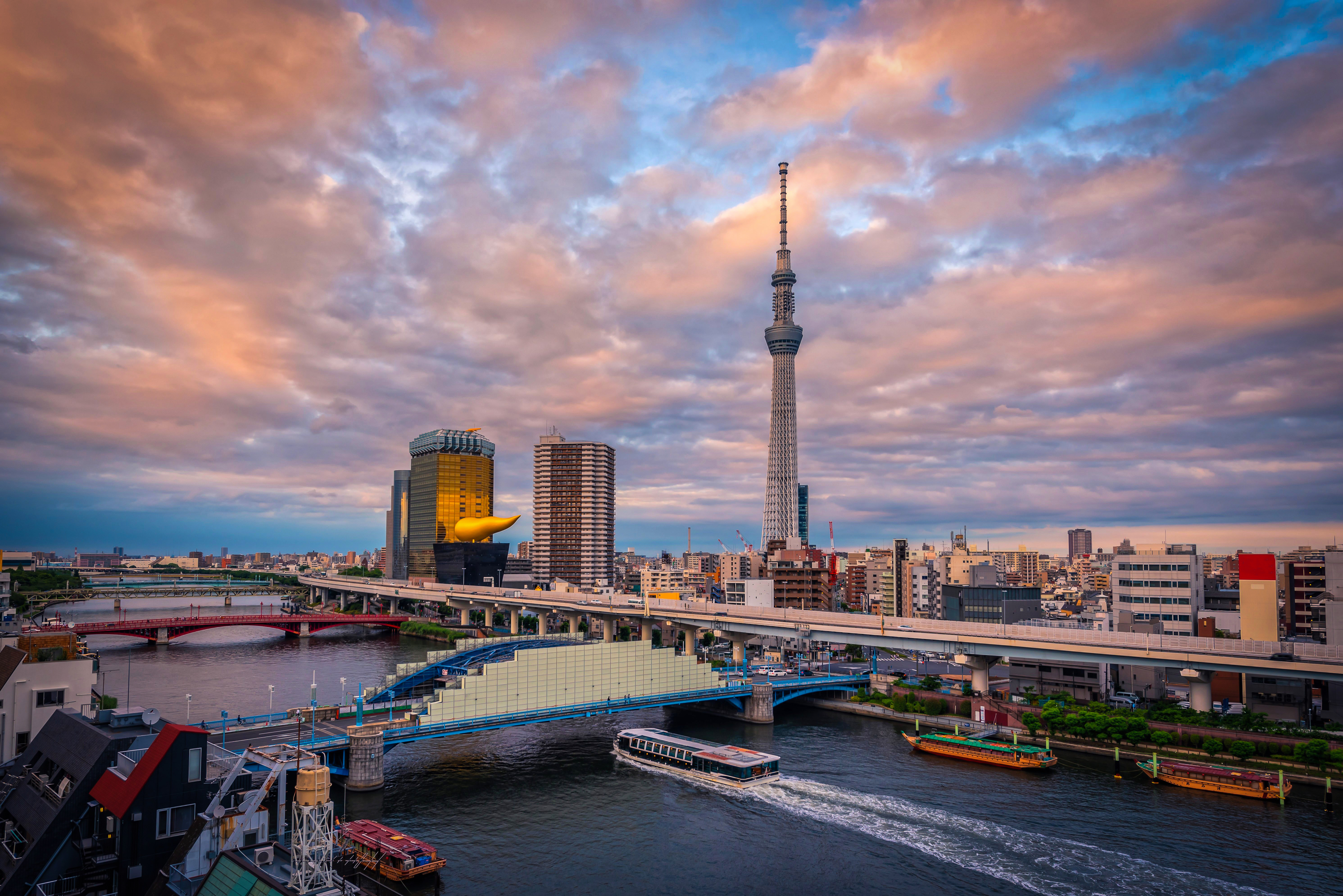
Sumida | ¥2,100–¥3,100
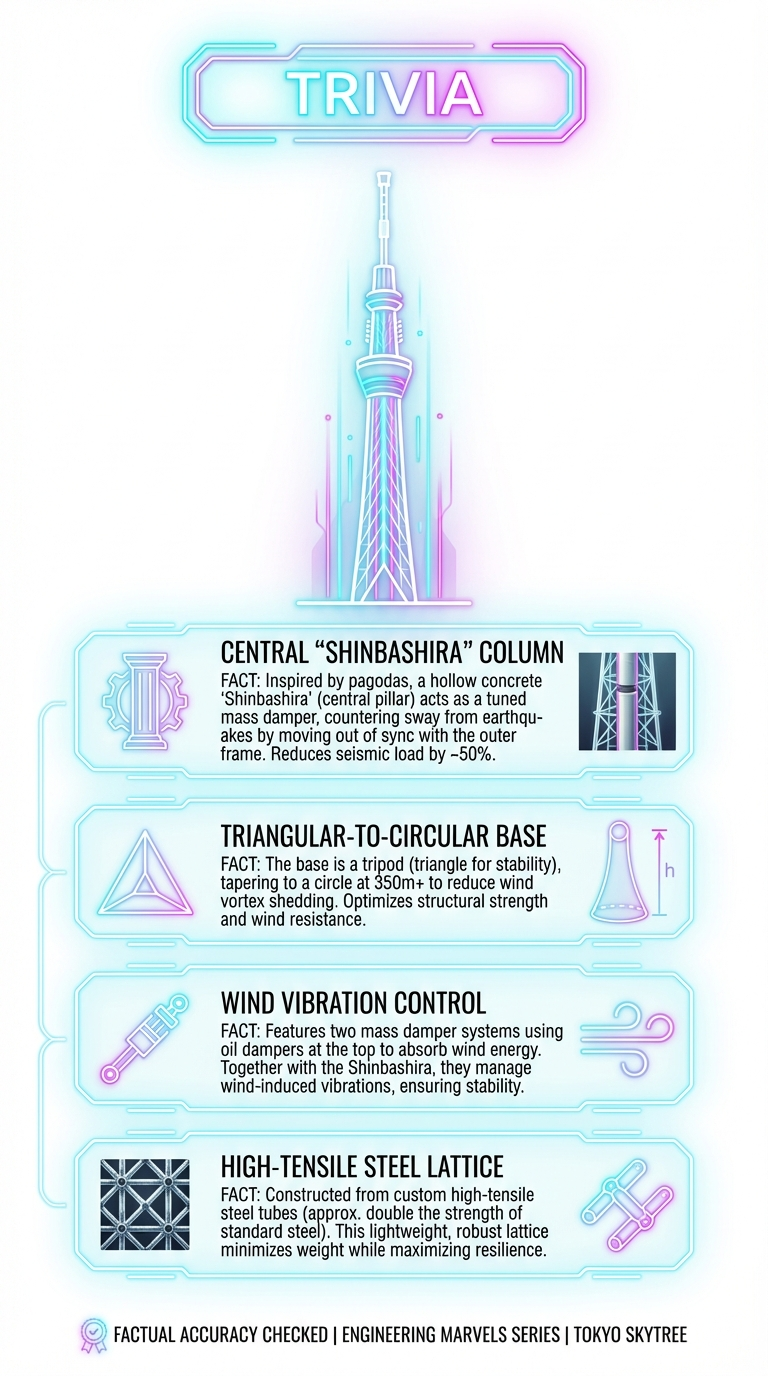
The world’s tallest tower (634m) with observation decks at 350m and 450m. Best at sunset for Mt. Fuji views.
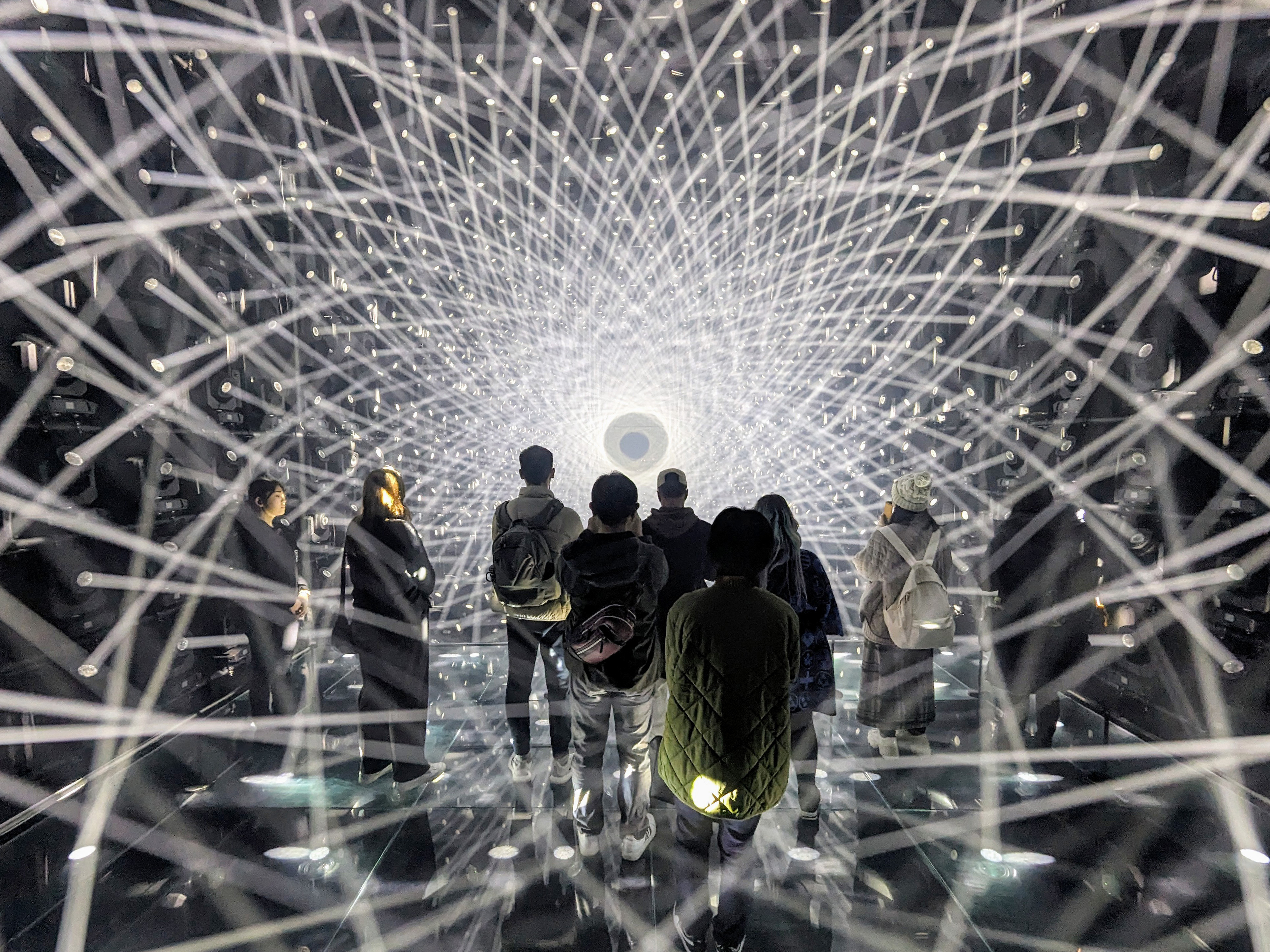
Azabudai Hills | ¥3,800
Immersive digital art museum where artworks flow between rooms. Book tickets well in advance.

Chiyoda | Free
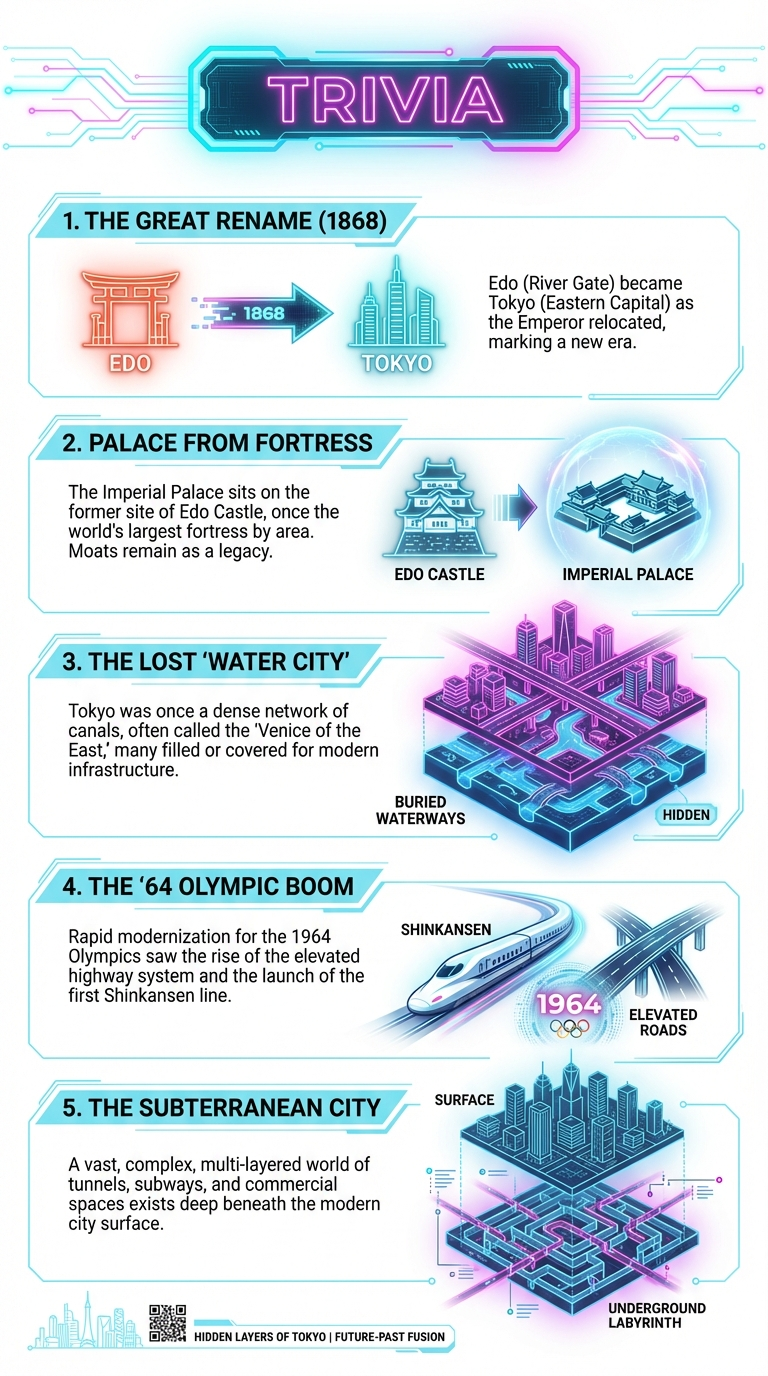
Former site of Edo Castle’s innermost circles. Beautiful gardens open to the public with moats and stone walls.

Chiyoda | Free
The global epicenter of anime, manga, and electronics. Multi-story arcades, maid cafes, and retro game shops.

Shibuya | Free
Tokyo’s youth fashion capital. Takeshita Street is a colorful tunnel of trendy shops, crepe stalls, and cosplay.

Taito | Free (park) / ¥620–¥1,000 (museums)
Tokyo’s cultural heart: National Museum, Zoo, and stunning cherry blossoms in spring.

Minato | ¥2,000
Observation deck with panoramic city views and the Mori Art Museum for contemporary exhibitions.

Taito | Free
Charming old-Tokyo shopping street that survived the war. Traditional snacks, cat statues, and a sunset staircase.
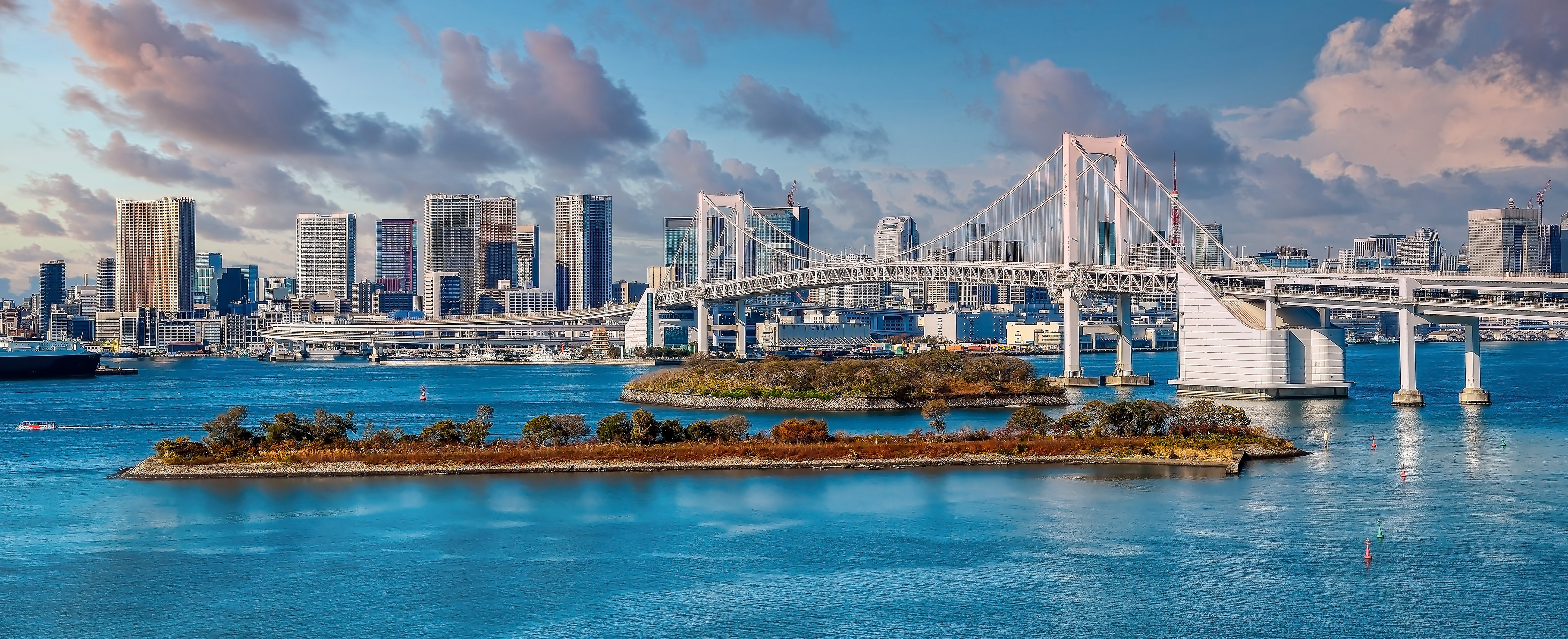
Koto | Free
Futuristic waterfront district with a Gundam statue, teamLab, shopping malls, and rainbow bridge views.

Shinjuku | Free
Tokyo’s famous entertainment district. Golden Gai’s 200+ tiny bars are a unique nightlife experience.
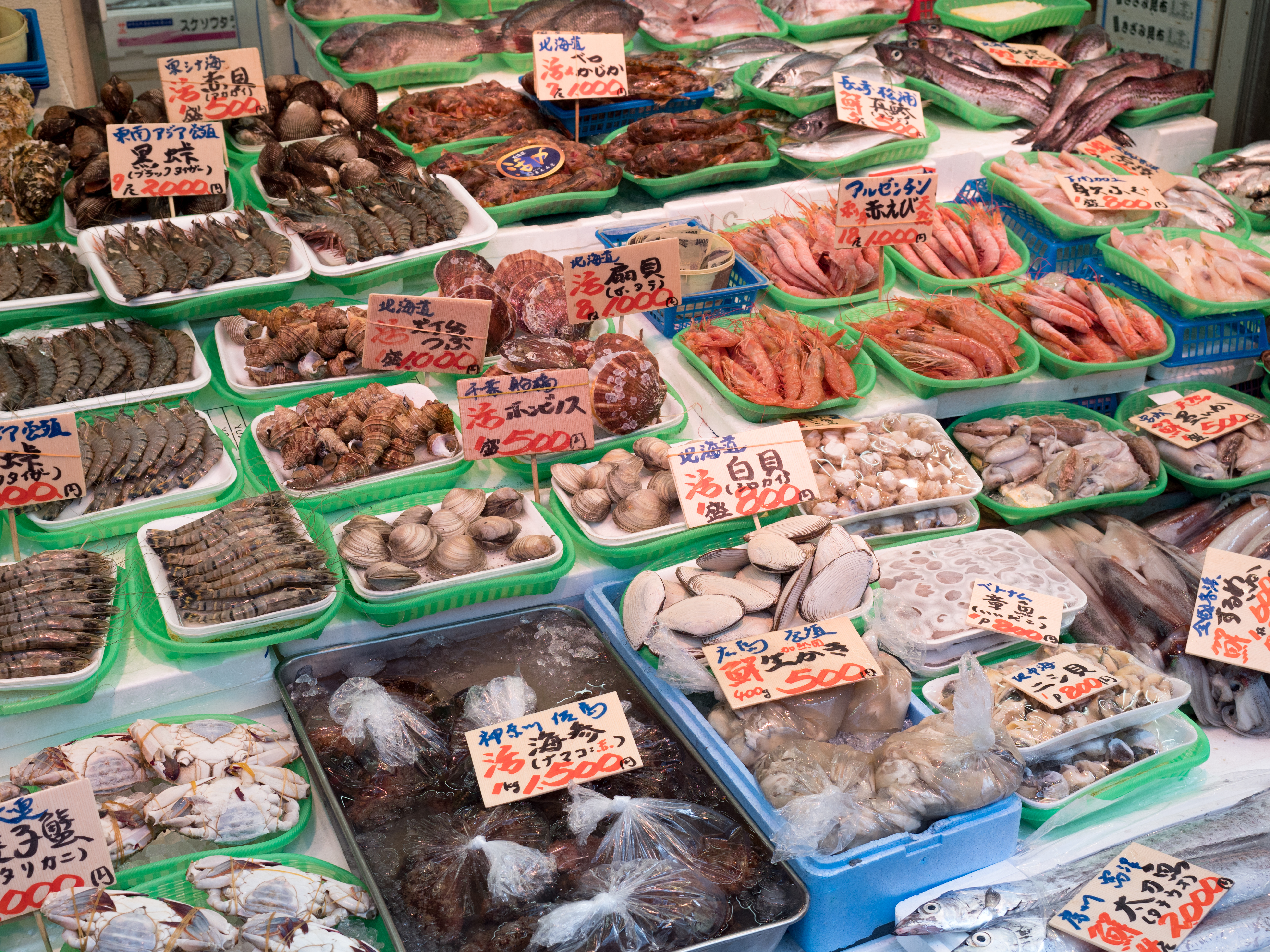
Koto | Free (viewing gallery)
Watch the world’s largest tuna auction from the gallery. Sushi breakfast at the market restaurants is essential.
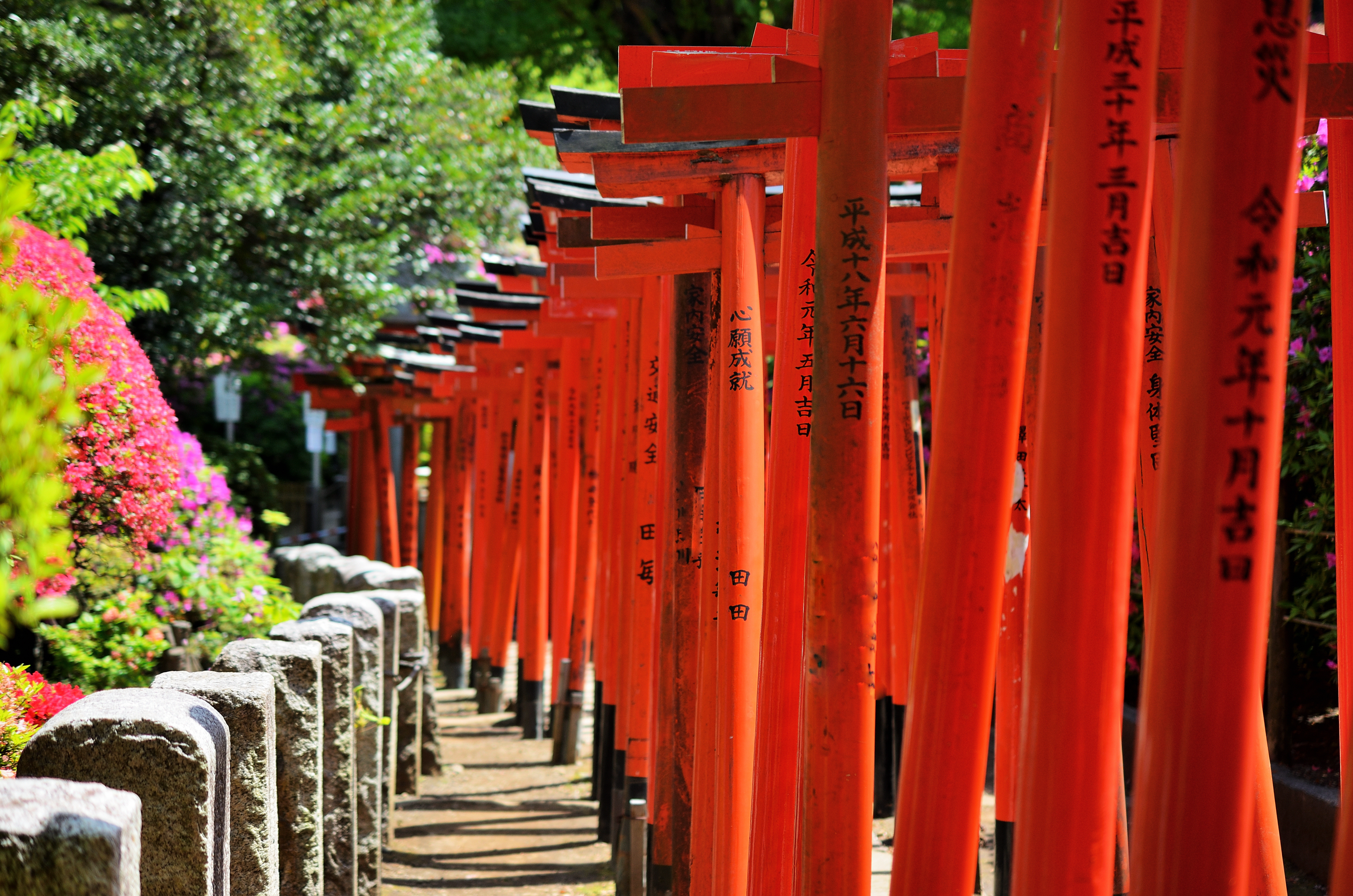
Bunkyo | Free
One of Tokyo’s oldest shrines with stunning azalea gardens and vermillion torii gate tunnels.
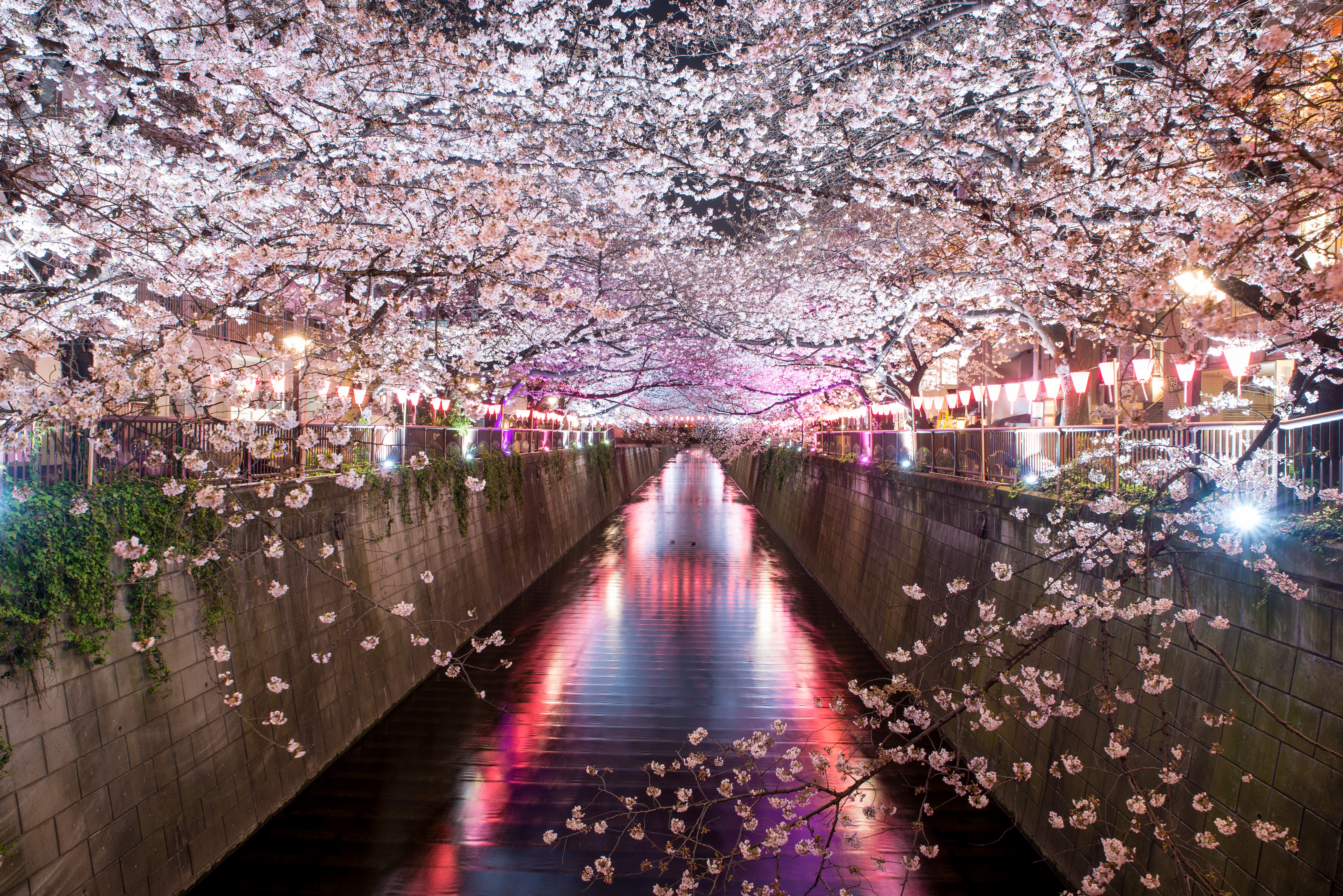
Meguro | Free
Trendy canal-side neighborhood. Cherry blossom tunnel in spring, stylish cafes and boutiques year-round.
19. Shimokitazawa (Setagaya, Free): Tokyo’s bohemian quarter: vintage shops, live music venues, independent theaters, and craft coffee.
20. Mt. Takao (50 min from Shinjuku, ¥490 cable car): Sacred mountain with hiking trails, a temple, and incredible views. Covered by the Tokyo day-trip pass.
Essential practical information
Japan remains cash-heavy. Always carry ¥10,000–20,000 in cash. 7-Eleven and Japan Post ATMs accept international cards. IC cards (Suica/Pasmo) work for transit and convenience stores.
Tokyo is one of the safest major cities in the world. Violent crime is extremely rare. You can leave belongings at a table to save your seat — nobody will take them.
Bow when greeting. Remove shoes when entering homes, some restaurants, and temples. Don’t eat while walking. Don’t talk on the phone on trains. Tipping is NOT customary and can cause confusion.
Buy a Suica/Pasmo IC card at any station (¥500 deposit). Recharge at ticket machines. The last train is around midnight — miss it and you’ll need a taxi or capsule hotel.
English signage is common on trains and at tourist sites. Google Translate’s camera mode is invaluable for menus. Most Japanese people understand basic English.
Japanese toilets are famously high-tech with heated seats, bidets, and sound-masking buttons. Public restrooms are clean and plentiful.
There are almost no public trash cans. Carry a small bag for your rubbish. Convenience stores have bins you can use.
Minor tremors are common. Follow hotel safety instructions. The Japanese early warning system gives seconds of advance notice via phone alerts.
| Budget Level | Daily Cost | Includes |
|---|---|---|
| Budget | ¥5,000–10,000/day | Capsule hotel, konbini meals, subway pass |
| Mid-Range | ¥15,000–30,000/day | Business hotel, restaurant meals, day trips |
| Luxury | ¥50,000+/day | Ryokan or 5-star hotel, omakase sushi, private tours |
Navigate the city like a local
Narita Airport (NRT): Narita Express to Tokyo Station (¥3,070, 53 min) or Skyliner to Ueno (¥2,520, 36 min). Haneda Airport (HND): Tokyo Monorail (¥500, 13 min) or Keikyu Line (¥300, 11 min) to central Tokyo.
13 lines covering every major area. Suica/Pasmo IC cards work everywhere. Cost: ¥170–¥320/ride
The essential loop line connecting Shinjuku, Shibuya, Tokyo, Ueno, Akihabara, and more. Cost: ¥150–¥200/ride
Useful for areas not served by trains. Flat fare in central Tokyo. Cost: ¥210/ride
Clean and safe but expensive. Flag drop starts at ¥500. Doors open and close automatically. Cost: ¥500 + ¥80/237m
Docomo Bike Share available across central Tokyo. Register with app. Cost: ¥165/30 min
When to go and what to expect
Cherry blossom season (late March–mid April) is magical. Pleasant temperatures (10–20°C). Peak tourist season — book hotels 3 months ahead.
Hot and humid (25–35°C). Rainy season in June. Summer festivals (matsuri) with fireworks and street food. Mt. Fuji climbing season (July–August).
Autumn foliage peaks in November. Comfortable weather (15–25°C). Fewer crowds than spring. Best time for day trips.
Cold but dry (0–10°C). Spectacular winter illuminations citywide. New Year celebrations at shrines. Clear skies for Mt. Fuji views.
Tokyo — best experienced in March–May, October–NovemberMake the most of your time
Extended stays and themed routes
Add a day trip to Kamakura (Great Buddha, bamboo groves, coastal temples) and a full day exploring Odaiba, Ginza, and the Tsukiji Outer Market’s street food scene.
Take the shinkansen to Hakone for Mt. Fuji views and hot springs (onsen), visit Nikko’s ornate Toshogu Shrine, and spend a day in Yokohama’s Chinatown and waterfront.
Kids love Odaiba’s Gundam statue and science museum, Ueno Zoo (pandas!), the Ghibli Museum in Mitaka, and the Pokemon Center in Ikebukuro. Tokyo DisneySea is considered the world’s best theme park.
Book a Toyosu tuna auction tour at 5 AM, take a cooking class in Asakusa, explore depachika food halls at Isetan Shinjuku, and end with an omakase counter in Ginza.
Where 3.6 million daily commuters meet 200 tiny bars
The Neon Capital
Shinjuku is Tokyo at its most intense — the world’s busiest train station surrounded by a dizzying concentration of skyscrapers, department stores, izakayas, and entertainment complexes. The west side bristles with corporate towers (including the free observatory at the Tokyo Metropolitan Government Building), while the east explodes into the neon chaos of Kabukicho, Japan’s largest entertainment district. Between them, narrow alleys like Omoide Yokocho (Memory Lane) serve smoky yakitori to salarymen as trains rumble overhead.
Golden Gai is the neighborhood’s secret treasure — six narrow alleys packed with over 200 tiny bars, most seating only 6–8 people. Each has its own theme, from jazz to horror movies to 1970s punk. Arrive after 9 PM, pay the small seating charge (¥500–1,000), and prepare for conversations with locals and travelers. By day, Shinjuku Gyoen National Garden offers a stunning counterpoint — 58 hectares of manicured Japanese, English, and French gardens.
Where to eat in Shinjuku
Fuunji (¥900–1,100): Legendary tsukemen (dipping ramen) with lines around the block. Worth every minute.
Omoide Yokocho (¥500–1,500): Atmospheric alley of tiny yakitori stalls under the train tracks.
Nakajima (¥1,000 lunch): Michelin-starred sardine cuisine at lunch for a fraction of the dinner price.
Shopping: Isetan department store (legendary depachika food basement), Don Quijote for quirky souvenirs, and Kinokuniya Books for Japanese art books.


Where Tokyo’s oldest temple meets its finest museum
Old-World Tokyo
Asakusa is Tokyo’s spiritual heart, centered around the magnificent Senso-ji Temple — the city’s oldest Buddhist temple, founded in 645 AD. The approach through the Kaminarimon (Thunder Gate) and along Nakamise-dori shopping street is one of Japan’s most photographed walks. The surrounding streets retain an Edo-period atmosphere with traditional ryokan (inns), artisan workshops making handmade chopsticks and fans, and old-school kissaten (coffee shops) with velvet seats.
Nearby Ueno is Tokyo’s cultural powerhouse. Ueno Park contains the Tokyo National Museum (Japan’s finest collection), the National Museum of Western Art (Le Corbusier-designed), Ueno Zoo, and in spring, some of Tokyo’s most famous cherry blossom viewing spots. The Ameyoko market street beneath the train tracks is a lively bazaar selling everything from fresh fish to discount cosmetics. Together, Asakusa and Ueno offer a glimpse of the Tokyo that existed before the skyscrapers.
Where to eat in Asakusa & Ueno
Sometaro (¥1,000–1,500): Cook your own okonomiyaki (savory pancake) on tabletop griddles in a charming traditional house.
Asakusa Kagetsudo (¥250): Giant melon pan (sweet bread) — the crispy, warm kind everyone queues for.
Hoppy Street (¥500–1,500): Lively alley of open-air izakayas serving hoppy (beer-like drink) and beef stew.
Souvenirs: Nakamise-dori for traditional crafts, Kappabashi Kitchen Street for ceramic bowls and plastic food replicas (great gifts), and Ameyoko for bargain shopping.


From the world’s busiest crossing to Japan’s most serene shrine in 15 minutes
Youth Culture Central
Shibuya is the beating heart of Tokyo’s pop culture — a district defined by its legendary scramble crossing, the Hachiko dog statue, and an ever-evolving streetscape of fashion, music, and nightlife. The area around Shibuya Station is a vertical city of shopping complexes: Shibuya 109 for cutting-edge fashion, Shibuya Stream and Scramble Square for dining, and Shibuya Sky for the best rooftop views in Tokyo (open-air observation deck at 229 meters).
A 15-minute walk north along Meiji-dori brings you to Harajuku, Tokyo’s youth fashion epicenter. Takeshita Street is a narrow, colorful tunnel packed with trendy boutiques, rainbow cotton candy, and crepe stands. Just behind the madness, Omotesando boulevard is lined with architectural masterpieces by Tadao Ando, Kengo Kuma, and SANAA housing luxury brands. And tucked between them, the serene Meiji Jingu shrine sits in a 170-acre forest — proof that in Tokyo, chaos and calm are always neighbors.
Where to eat in Shibuya & Harajuku
Afuri (¥1,000–1,300): Iconic yuzu shio (citrus salt) ramen in a sleek setting.
Gyukatsu Motomura (¥1,300): Deep-fried beef cutlet you finish on a hot stone at your table. Queue-worthy.
Harajuku Gyoza Lou (¥600–900): Crispy pan-fried gyoza in a no-frills setting. Cash only.
Shopping: Shibuya 109 for Japanese street fashion, Omotesando for luxury brands in stunning architecture, and Cat Street for vintage and independent designers.


What to eat and where to find it
Tokyo holds more Michelin stars than any city in the world, but its true genius lies in the ¥800 bowl of ramen at a six-seat counter, the ¥130 onigiri at 7-Eleven, and the ¥250 melon pan from a street vendor. Japanese cuisine is built on perfection through simplicity: the finest ingredients, prepared with obsessive precision, served without pretense. In Tokyo, a sushi master may train for 10 years before being allowed to prepare rice. That’s the standard.
Ramen (¥800–1,500): Tokyo-style shoyu (soy sauce) ramen with curly noodles, chashu pork, and a rich dashi-soy broth. Try Fuunji or Rokurinsha.
Sushi (Omakase) (¥3,000–30,000+): Chef’s-choice sushi courses. Toyosu restaurants serve world-class nigiri from ¥3,000 at lunch.
Tonkatsu (¥1,200–2,000): Breaded and deep-fried pork cutlet with shredded cabbage and tonkatsu sauce. Maisen in Omotesando is legendary.
Yakitori (¥100–300/skewer): Charcoal-grilled chicken skewers — every part from thigh to heart. Omoide Yokocho in Shinjuku is the classic spot.
Tempura (¥1,500–3,000): Light, crispy battered seafood and vegetables. Tendon Tenya serves excellent budget tempura bowls from ¥540.
Tsukemen (¥900–1,300): Cold noodles dipped into a concentrated, rich broth. Fuunji near Shinjuku station is the gold standard.
Monjayaki (¥800–1,200): Tokyo’s answer to okonomiyaki — a runnier batter cooked on a griddle. Try it in Tsukishima’s Monja Street.
Gyoza (¥300–600): Pan-fried dumplings with crispy bottoms. Harajuku Gyoza Lou serves them perfectly for ¥290 per plate.
Best restaurants, markets, and street food
Sushi Dai, Toyosu (¥4,000–6,000): Legendary omakase breakfast sushi at the fish market. Expect a 2–3 hour wait.
Narisawa (¥30,000+): Two Michelin stars. Innovative “satoyama cuisine” inspired by Japanese forests. Book months ahead.
Tonkatsu Maisen, Omotesando (¥1,500–2,500): Tokyo’s most famous tonkatsu, served in a converted bathhouse.
Ichiran Ramen (¥980): Solo-booth ramen where you customize every aspect on a form. Perfect for solo travelers.
Tsukiji Outer Market: Tamagoyaki (egg omelette, ¥100), fresh uni (sea urchin, ¥500), tuna skewers, and melon.
Omoide Yokocho, Shinjuku: Smoky yakitori alleys under the train tracks (¥100–300/skewer).
Ameyoko Market, Ueno: Cheap seafood, dried snacks, and ¥500 seafood bowls.


Understanding the story of Tokyo
Tokyo began as a small fishing village called Edo until 1457, when Ota Dokan built Edo Castle. In 1603, Tokugawa Ieyasu made Edo the seat of his shogunate, transforming it into one of the world’s largest cities by the 18th century with over one million residents. The Tokugawa period (1603–1868) saw Edo flourish as a center of culture: kabuki theater, ukiyo-e woodblock prints, and sumo wrestling all thrived. The strict social order of samurai, merchants, and artisans created a vibrant urban culture that still echoes through Tokyo today.
In 1868, the Meiji Restoration ended shogunal rule and Emperor Meiji moved the capital from Kyoto to Edo, renaming it Tokyo (“Eastern Capital”). The city rapidly modernized, building railways and Western-style buildings, only to be devastated twice in the 20th century: the 1923 Great Kanto Earthquake killed over 100,000 people, and the 1945 firebombing raids destroyed much of the city. Tokyo’s phoenix-like recovery — hosting the 1964 Olympics (which introduced the Shinkansen bullet train) and growing into the world’s largest metropolis — remains one of the great urban stories of the modern age.
Japanese culture revolves around concepts that visitors will quickly notice: omotenashi (selfless hospitality), wa (harmony), and kaizen (continuous improvement). In Tokyo, these manifest as immaculate public spaces, the punctual-to-the-second train system, the artisan who spends 50 years perfecting one dish, and the taxi driver who wears white gloves. Seasonal awareness (shiki) is central — cherry blossoms in spring, fireworks in summer, autumn leaves, and winter illuminations mark the Tokyo calendar. Don’t miss a matsuri (festival): Sanja Matsuri in May draws two million to Asakusa’s streets.
Excursions from Tokyo
Tokyo’s excellent train network puts beaches, mountains, temples, and hot springs within easy day-trip range.
Coastal temple town with the iconic 13m Great Buddha, bamboo groves at Hokokuji, and Enoshima island. Entry: ¥300 (Great Buddha)
Hot spring resort with Mt. Fuji views, Lake Ashi pirate ships, open-air museums, and volcanic Owakudani. Entry: ¥6,100 (Hakone Freepass)
Ornate Toshogu Shrine (UNESCO), waterfalls, and mountain forests. Home of the famous “see no evil” monkeys. Entry: ¥1,600 (Toshogu entry)
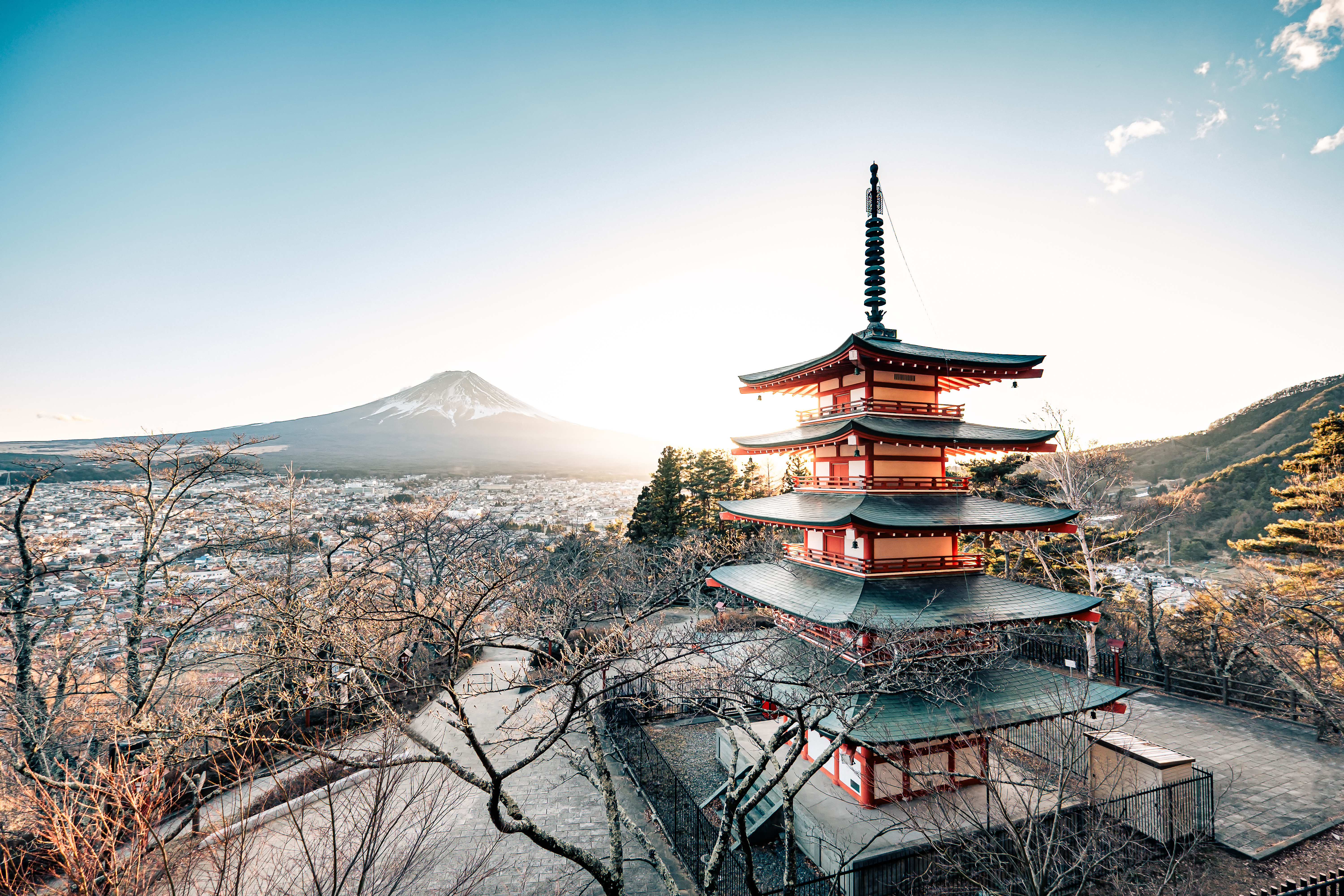
Japan’s iconic volcano. Lake Kawaguchiko offers year-round Fuji views. Climb in July–August only. Entry: ¥2,000 (bus)

Practical information from A to Z
Legal drinking age is 20. Convenience stores sell beer, sake, and chu-hai 24/7. Strong Zero is the cult favorite.
7-Eleven ATMs accept all international cards with zero fees from their side. Japan Post ATMs also work. Regular bank ATMs often reject foreign cards.
St. Luke’s International Hospital (Tsukiji) has English-speaking staff. Travel insurance is essential as Japanese healthcare is expensive for visitors.
100V/50Hz (eastern Japan). Type A/B plugs (same as US). Most device chargers are universal voltage.
Free Wi-Fi is limited. Rent a pocket Wi-Fi at the airport (¥500–1,000/day) or buy a data-only SIM from airport vending machines.
Japan is generally tolerant but conservative. No legal same-sex marriage. Shinjuku Ni-chome is Asia’s largest gay district with 300+ bars.
Japan Post offices are reliable and affordable. Ship souvenirs home via SAL (¥2,000–5,000 to most countries, 2–3 weeks).
Shops: 10am–8pm. Restaurants: 11am–2pm, 5pm–10pm (many close between lunch and dinner). Convenience stores: 24/7. Museums: closed Mondays.
Air quality is excellent by major city standards. No concerns for most visitors.
Separate trash into burnable, non-burnable, plastic, cans, and PET bottles. Follow the labels on bins.
10% consumption tax is included in displayed prices at most shops. Tax-free shopping available at department stores for purchases over ¥5,000.
World-class. Every station and convenience store has clean, free toilets. Heated seats and bidet functions are standard.
Tokyo tap water is safe to drink. No need for bottled water.
Typhoon season (Aug–Oct). Check weather apps. Trains may stop during severe weather.
Available at every station (¥300–700/day). Use Suica/Pasmo to pay. Essential for storing luggage during day trips.
Getting to and around Tokyo
From Narita Airport (NRT): Narita Express (N’EX) to Tokyo Station (¥3,070, 53 min) or Shinjuku (¥3,250, 80 min). Budget: Access Express to Asakusa (¥1,290, 60 min).
From Haneda Airport (HND): Tokyo Monorail to Hamamatsucho (¥500, 13 min). Keikyu Line to Shinagawa (¥300, 11 min).
Within Tokyo: The subway and JR system goes everywhere. A Suica card is essential — tap in, tap out. Last trains around 12:00–12:30 AM.
| Mode | Details | Cost |
|---|---|---|
| Tokyo Metro & Toei Subway | 13 lines covering every major area. Suica/Pasmo IC cards work everywhere. | ¥170–¥320/ride |
| JR Yamanote Line | The essential loop line connecting Shinjuku, Shibuya, Tokyo, Ueno, Akihabara, and more. | ¥150–¥200/ride |
| Bus | Useful for areas not served by trains. Flat fare in central Tokyo. | ¥210/ride |
| Taxi | Clean and safe but expensive. Flag drop starts at ¥500. Doors open and close automatically. | ¥500 + ¥80/237m |
| Bicycle | Docomo Bike Share available across central Tokyo. Register with app. | ¥165/30 min |
Essential phrases for travelers
Japanese is the sole language. English signage exists at stations and tourist spots, but away from these, basic Japanese phrases are tremendously appreciated and helpful.
| English | Japanese |
|---|---|
| Hello | Konnichiwa (こんにちは) |
| Thank you | Arigatou gozaimasu (ありがとうございます) |
| Excuse me | Sumimasen (すみません) |
| Yes / No | Hai / Iie (はい / いいえ) |
| How much? | Ikura desu ka? (いくらですか) |
| Delicious! | Oishii! (おいしい) |
| Water | Omizu (おみず) |
| Check please | Okaikei onegaishimasu |
| Where is...? | ...wa doko desu ka? |
| Help! | Tasukete! (たすけて) |
| I don’t understand | Wakarimasen (わかりません) |
| Good morning | Ohayou gozaimasu |
| Good evening | Konbanwa (こんばんは) |
| Cheers! | Kanpai! (乾杯) |
| One more please | Mou hitotsu onegaishimasu |
Our favourite experiences in Tokyo
Tsukiji Outer Market
Fresh sushi and street food as the city wakes up
Shibuya Sky
Open-air rooftop view of Tokyo’s skyline turning golden
Toyosu Sushi Breakfast
Omakase at the source — the world’s greatest fish market
Tsukiji Outer Market
Tamagoyaki, tuna skewers, and melon from ¥100
Aman Tokyo
Minimalist Japanese luxury with views from Otemachi Tower
Senso-ji Temple
Walk through 1,400 years of Tokyo’s spiritual heritage
Yanaka Ginza
Old Tokyo’s last surviving shitamachi neighborhood
Shibuya Crossing at Night
The neon-lit scramble is Tokyo in a single frame
Isetan Shinjuku Depachika
The world’s finest basement food hall
Meiji Jingu Forest Walk
A 170-acre forest silence in the middle of the world’s biggest city
Everything you need for Tokyo
Travorea creates comprehensive, beautifully designed travel guides that combine insider knowledge with practical information. Our guides are crafted to help you experience destinations like a local, not just a tourist.
This premium guide to Tokyo was researched and written to give you everything you need for an unforgettable trip. All prices and information were verified at the time of writing (2026) but may change — always confirm locally.
All photographs in this guide are sourced from free-to-use image libraries (Pexels, Unsplash) and original Travorea photography. Infographics are original Travorea creations.
Visit us at www.travorea.com for more destinations, interactive trip planners, and the latest travel tips.
Explore More Guides
Visit www.travorea.com/ebooks for premium guides to 50+ destinations worldwide.
Where Tradition Meets Tomorrow