
City of Light
The oldest living city on earth where death is celebrated and the Ganges washes away all sins
City of Light
Varanasi — also called Benares or Kashi — is the oldest continuously inhabited city in the world, a place where Hindus believe the cycle of birth and death can be broken forever. For over 3,000 years, pilgrims have descended the stone steps of its 84 ghats to bathe in the sacred Ganges at dawn, while just metres away, funeral pyres burn ceaselessly at Manikarnika Ghat, releasing souls to moksha. The city is overwhelming, intoxicating, and utterly unlike anywhere else on the planet.
But Varanasi is far more than a city of death and devotion. It is the beating heart of classical Indian culture — a city of music, poetry, silk weaving, and the finest street food in North India. Ravi Shankar learned sitar here, Tulsidas wrote the Ramcharitmanas here, and the narrow lanes (galis) still echo with the clack of handlooms weaving Banarasi silk. Surrender to the chaos, wake before dawn, take a boat on the Ganges, and let Varanasi reveal itself at its own ancient pace.
Varanasi
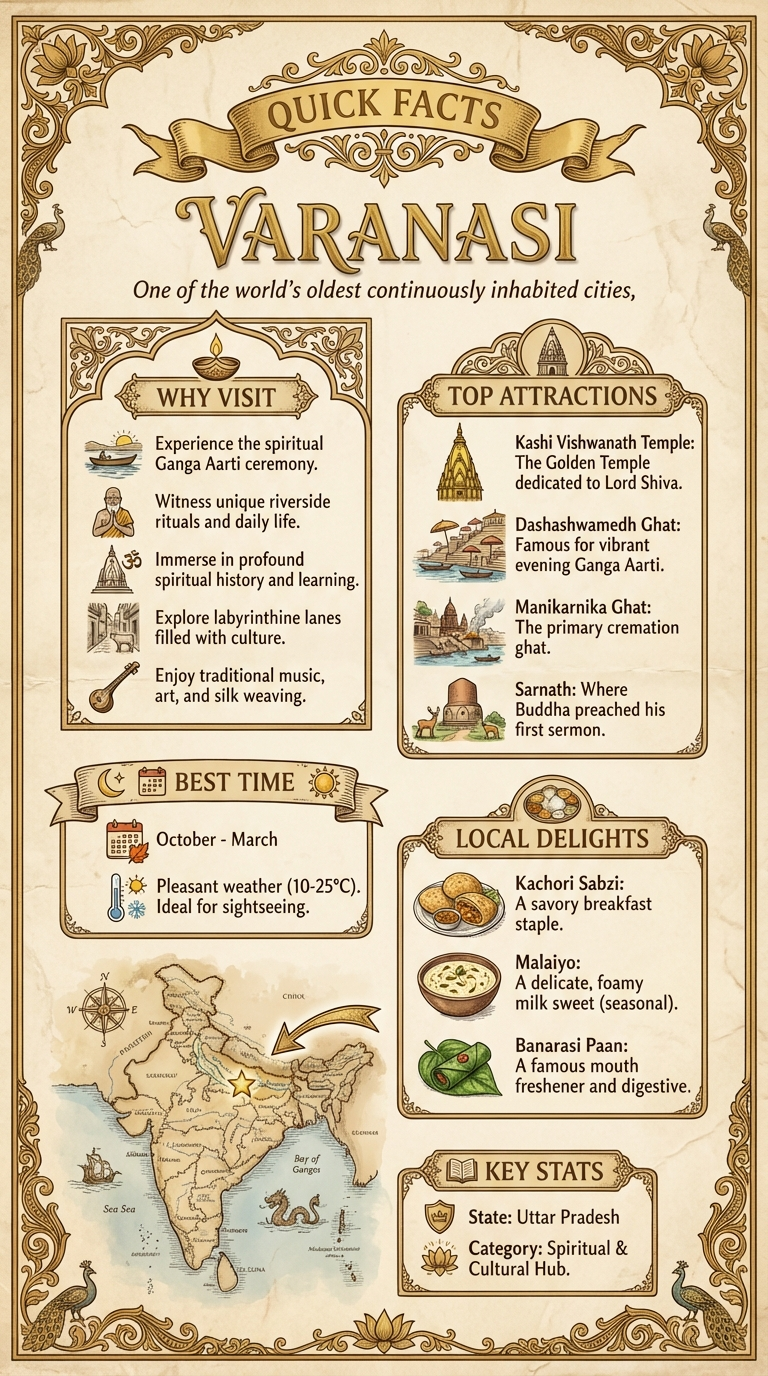
Varanasi sits on the western bank of the Ganges in eastern Uttar Pradesh. Hindus consider it the holiest city in India — the abode of Lord Shiva. It is also a centre of learning (Banaras Hindu University), music, and the legendary Banarasi silk industry. Most travelers need at least 2–3 days to absorb its intensity.
The essential sights and experiences
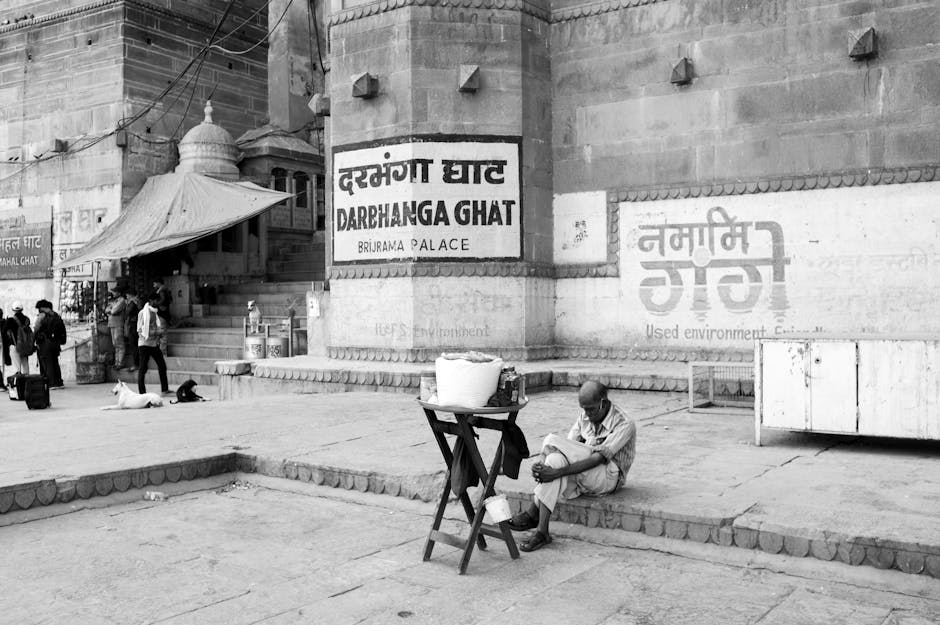
Main Ghat, Old City | Free
Varanasi's most famous ghat where the spectacular Ganga Aarti ceremony is performed every evening at 6:45 PM with fire, chanting, and bells.
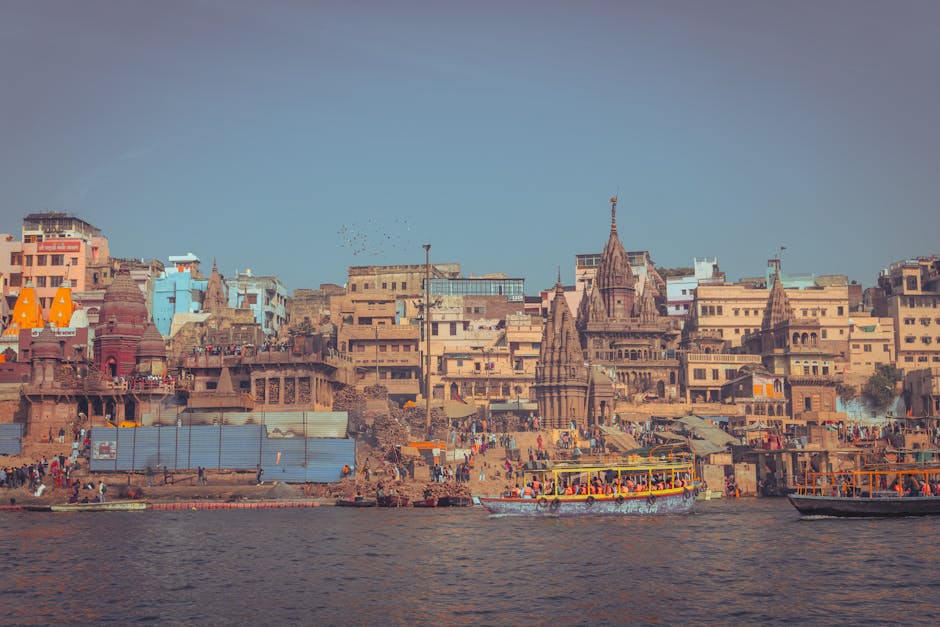
Vishwanath Gali, Old City | Free
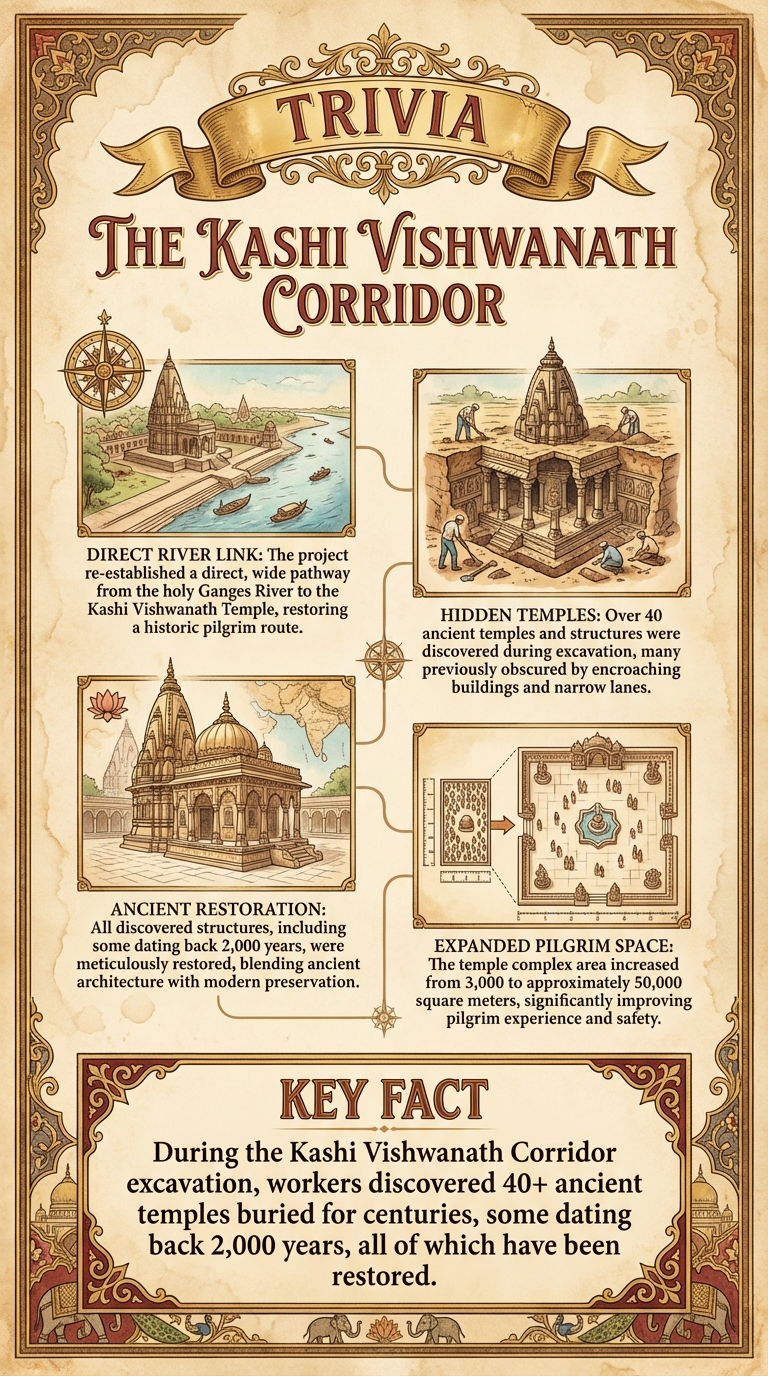
The holiest Shiva temple in India, rebuilt in 1780 by Ahilyabai Holkar. The new Kashi Vishwanath Corridor provides grand access.
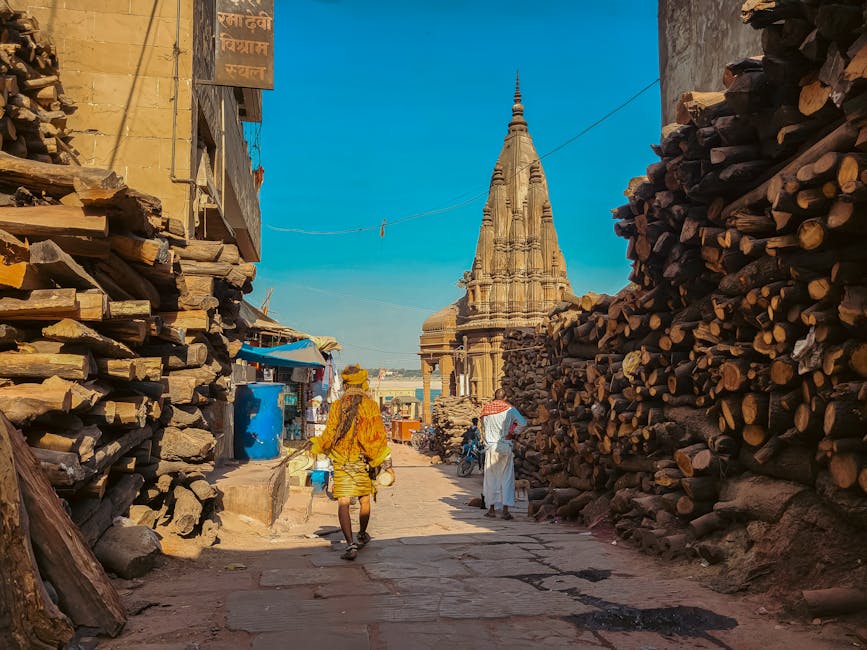
North of Dashashwamedh | Free
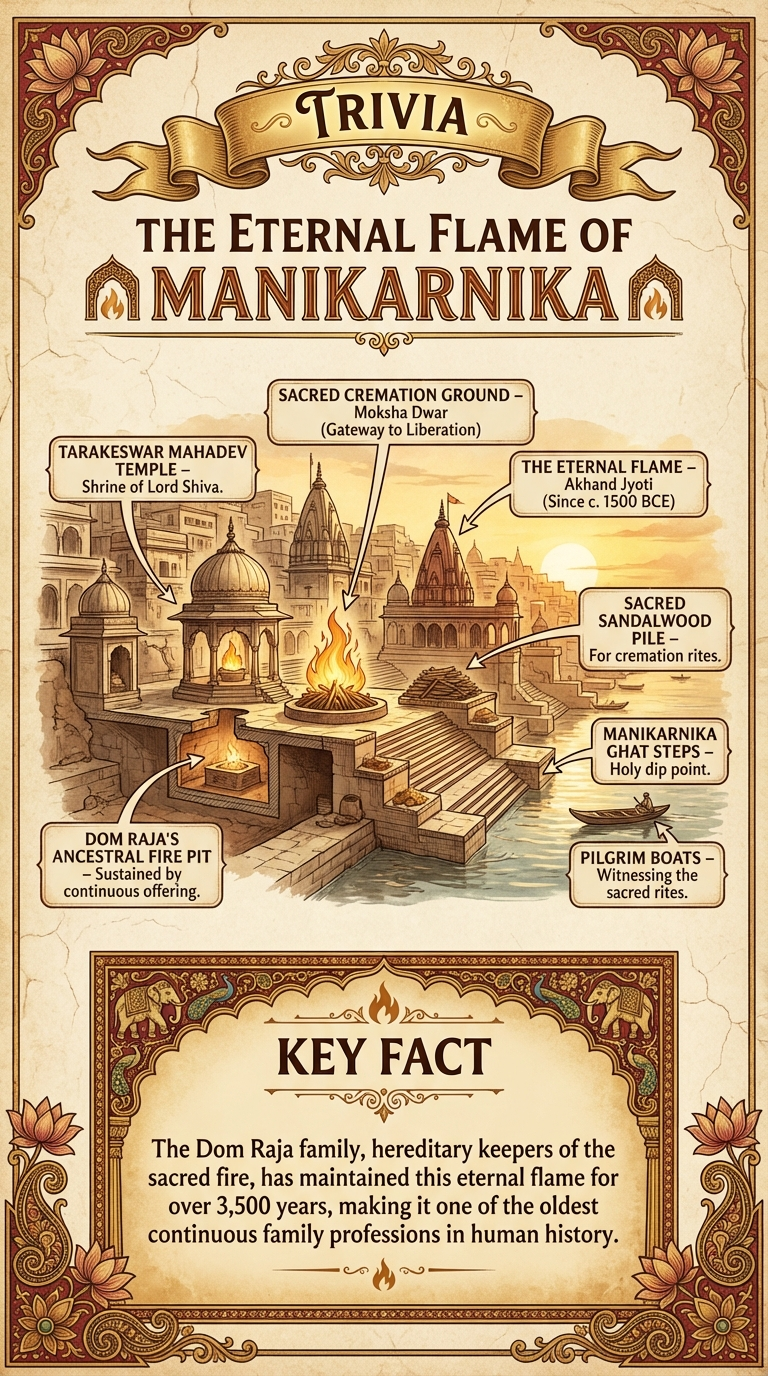
The primary cremation ghat where funeral pyres have burned continuously for over 3,000 years. Photography is strictly prohibited.
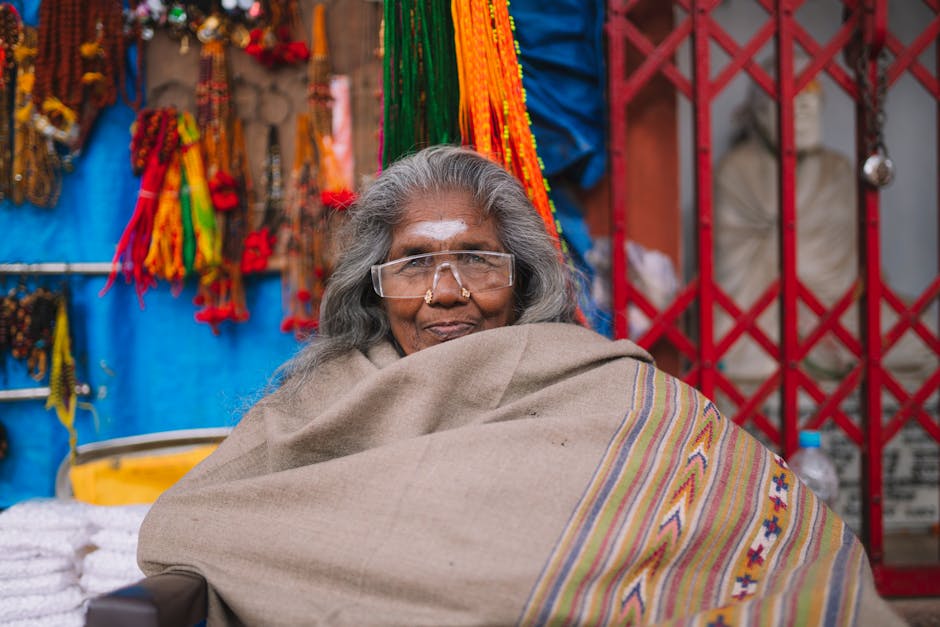
Southern end of ghats | Free
Popular ghat where the Assi River meets the Ganges. Morning yoga sessions and a vibrant traveler scene with cafes and bookshops.
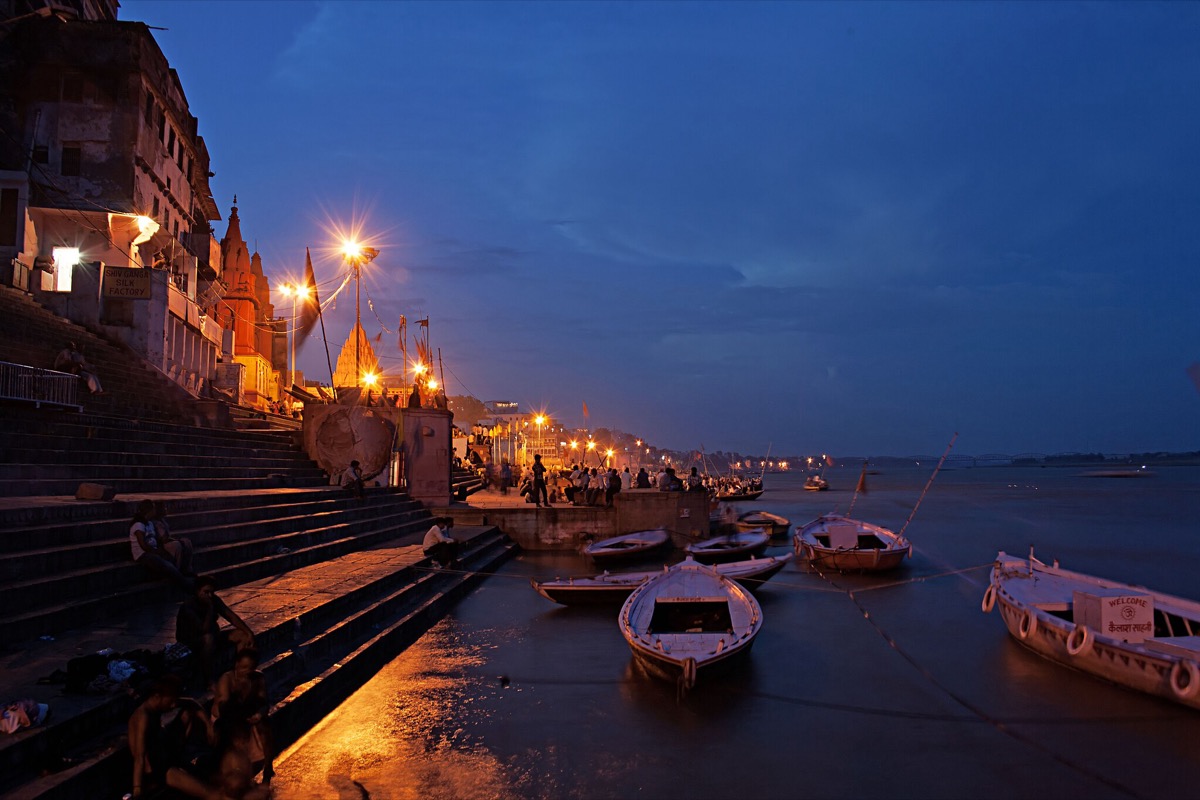
10 km north of Varanasi | ₹25/₹300
Where Buddha delivered his first sermon after enlightenment. The Dhamek Stupa (5th century) and the excellent archaeological museum are highlights.
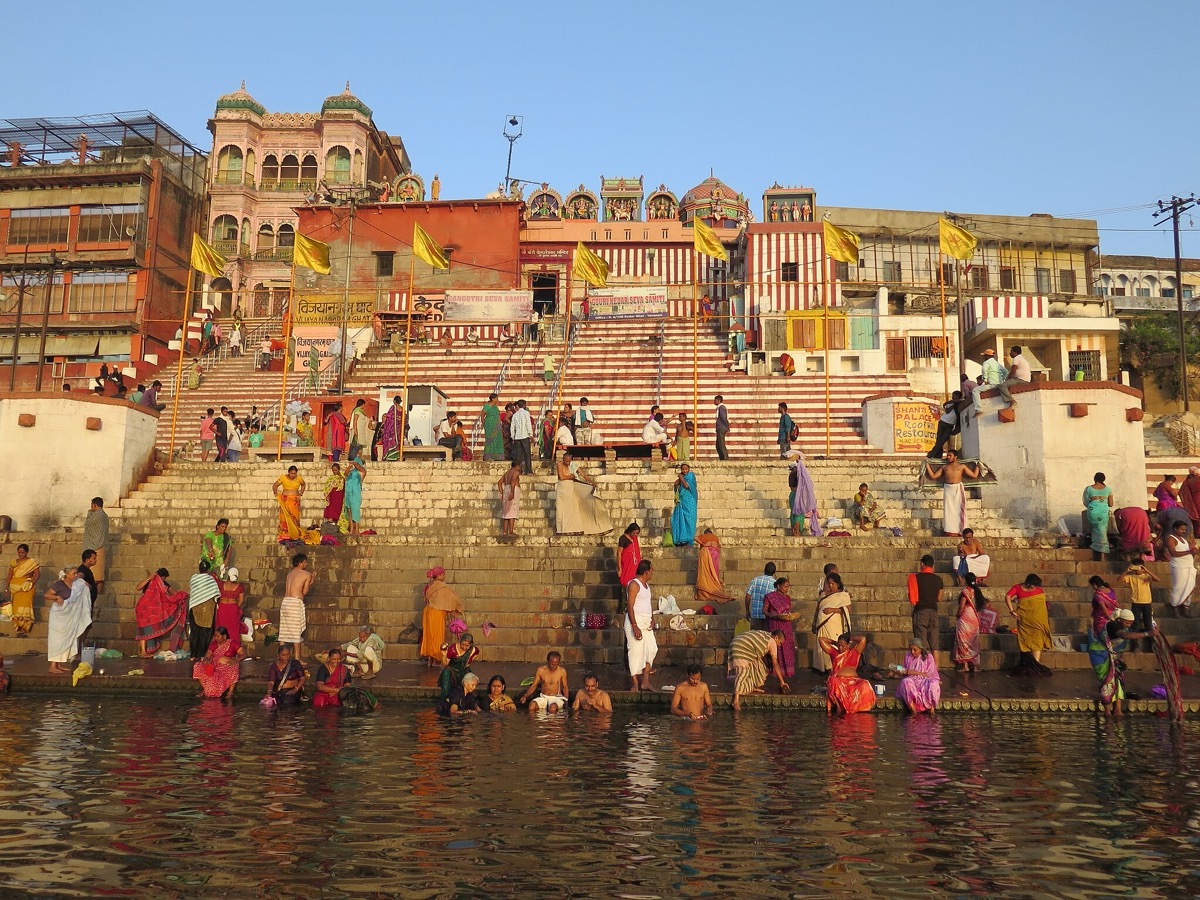
Dashashwamedh Ghat | Free
Mesmerizing 45-minute fire ritual performed by seven priests every evening. Arrive by 6 PM for a good spot or watch from a boat.
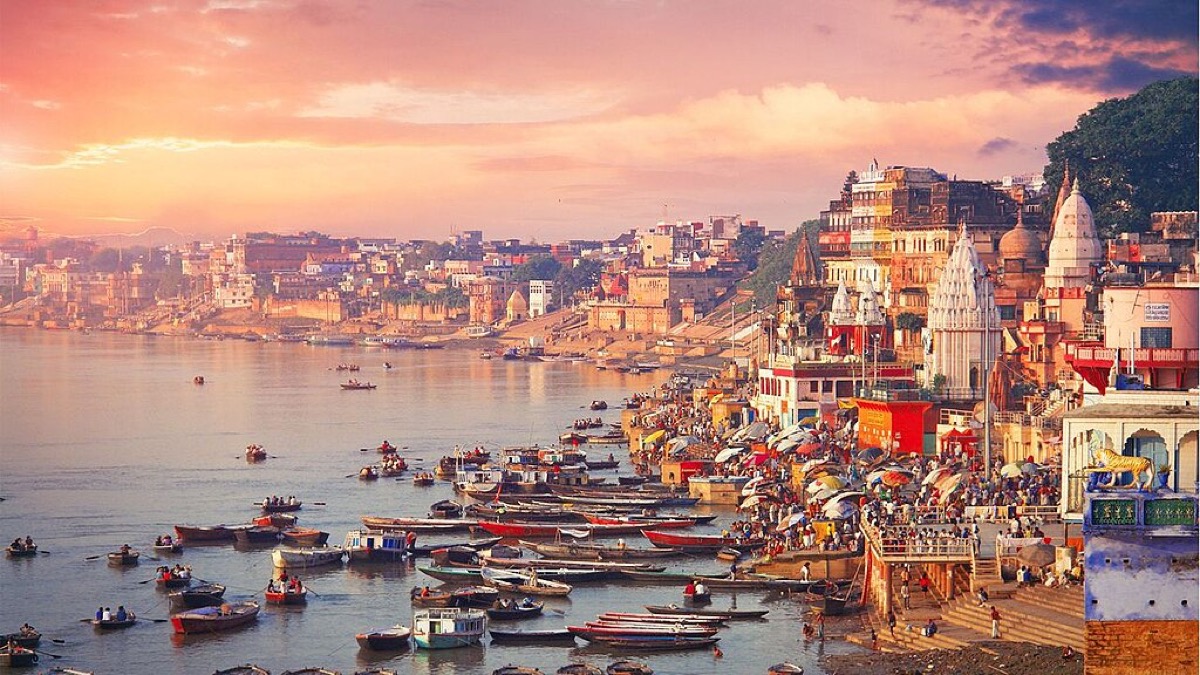
East bank of Ganges | ₹25
18th-century fort and palace of the Maharaja of Varanasi with a museum of vintage cars, weapons, and palanquins.
Lanka | Free
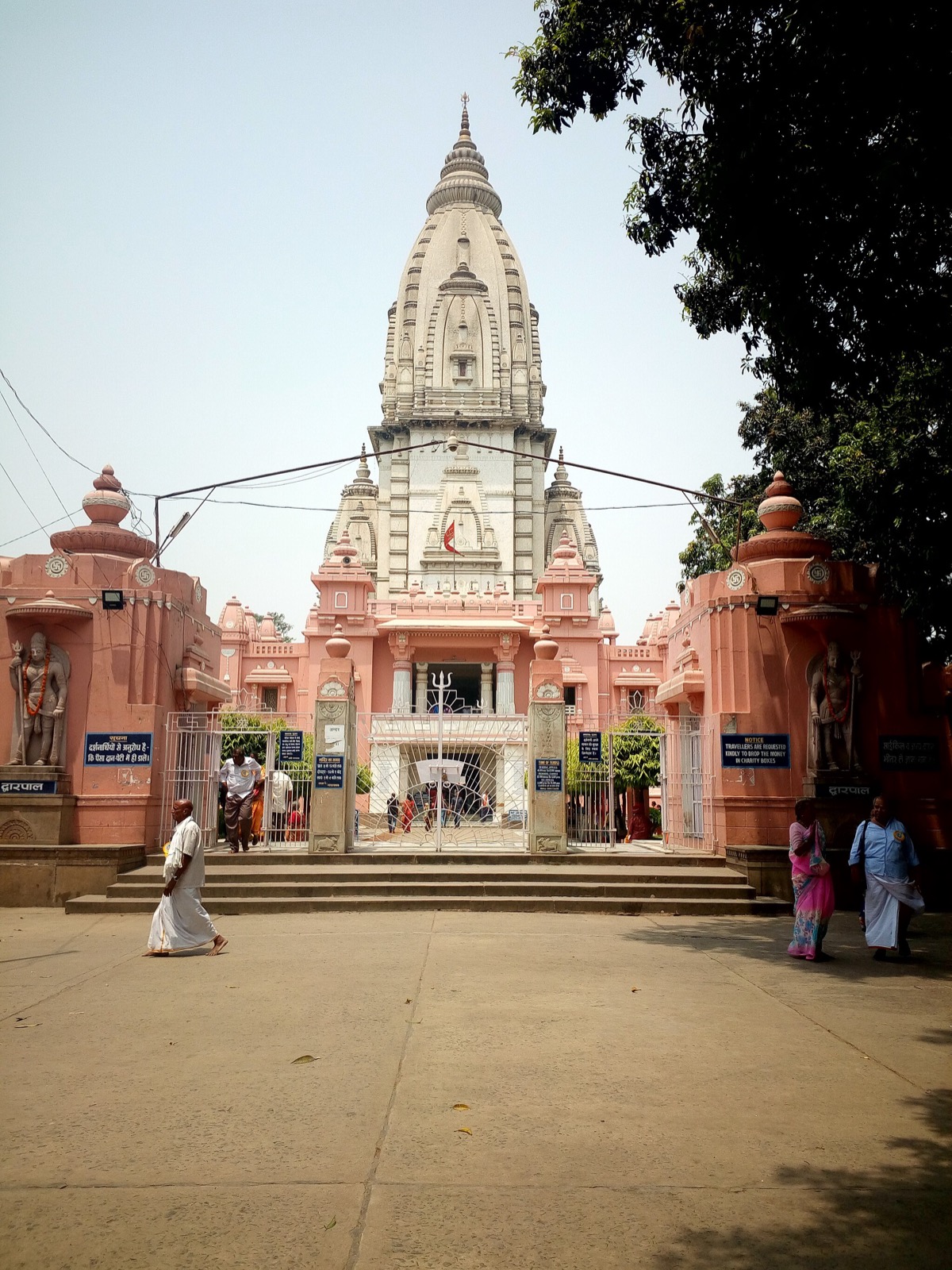
One of Asia's largest universities with a beautiful campus. Visit the Bharat Kala Bhavan museum (₹50) and the New Vishwanath Temple.
Durgakund Road | Free
Modern marble temple where Tulsidas wrote the Hindi Ramcharitmanas. Walls are inscribed with verses from the epic.
Durgakund | Free
Vivid red temple dedicated to Goddess Durga, famous for its resident monkeys. Non-Hindus can view from outside.
Near BHU | Free
Beloved Hanuman temple founded by Tulsidas. Tuesday and Saturday evenings are magical with bhajan singing.
Panchganga Ghat | Free
Aurangzeb-era mosque built atop an ancient Vishnu temple, offering panoramic views of the Ganges from the ghats.
BHU Campus | ₹50/₹500
Exceptional museum with Mughal miniatures, ancient sculptures, and rare manuscripts.
Dashashwamedh Ghat | ₹200–300/hour
Dawn boat ride along the ghats is the quintessential Varanasi experience. Watch the city awaken as bathers descend to the Ganges.
Sarai Mohana area | Free (visits)
Visit family-run handloom workshops where Banarasi silk saris (₹5,000–50,000+) are woven on traditional looms.
Man Mandir Ghat | ₹25
Jai Singh II's 18th-century astronomical observatory, one of five he built across India.
Along the riverfront | Free
Walk the entire 6.8 km stretch of ghats from Assi to Rajghat — each ghat has its own story and character.
Lalita Ghat | Free
Beautiful wooden temple built in Nepali pagoda style, an unexpected sight on the Varanasi waterfront.
19. Old City Lane Walk (Between ghats and Vishwanath, Free/₹500–1,000 guided): Navigate the impossibly narrow galis (lanes) of the old city — past temples, shrines, chai stalls, and silk shops.
20. Subah-e-Banaras (Assi Ghat, Free): Cultural morning program with classical music, yoga, and dance at Assi Ghat. Organized by the local tourism board.
Essential practical information
ATMs are available on main roads. The old city is largely cash-only. UPI works at some shops. Carry plenty of small denominations for boats, chai, and tips.
Varanasi is generally safe. Watch your step on the ghats (slippery). Don't swim in the Ganges. Be wary of fake guides and touts near Dashashwamedh.
Dress modestly, especially in temples. Cover shoulders and knees. Remove shoes at all temples. Women should carry a scarf.
Never photograph cremation ghats (Manikarnika, Harishchandra). Ask permission before photographing people. Ganga Aarti is fine to photograph.
Navigate the city like a local
Lal Bahadur Shastri Airport (VNS) is 26 km from the ghats (₹500–800 by prepaid taxi, 45–60 min). Many travelers arrive by train at Varanasi Junction (Cantonment).
Main transport outside the old city. Negotiate fares — meters are rarely used. Cost: ₹10–20/km
Best for navigating from the main road to the ghats. Essential in narrow areas. Cost: ₹20–50/ride
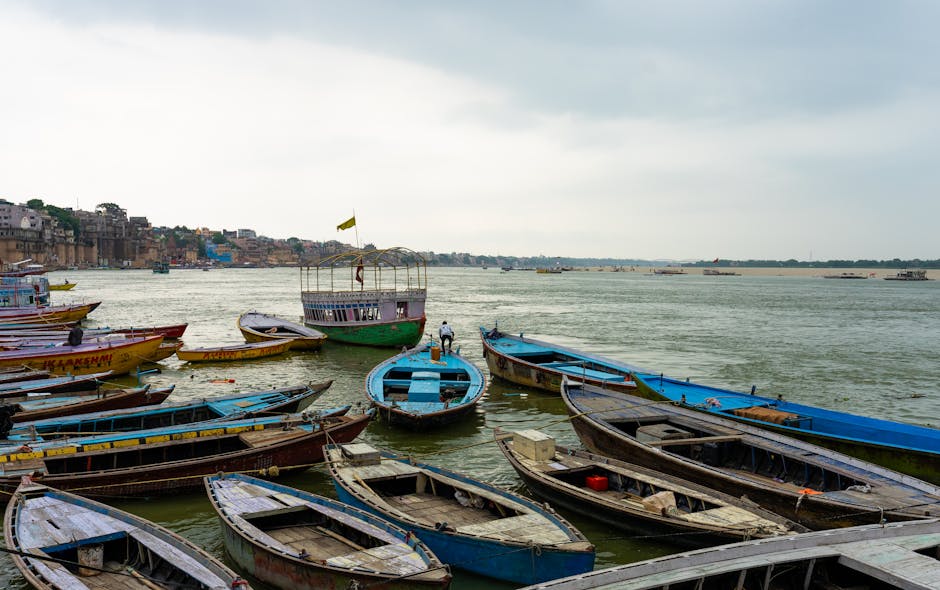
The most atmospheric way to see the ghats. Hire at Dashashwamedh or Assi Ghat. Cost: ₹200–500/hour
The only way to explore the old city lanes. Wear sturdy shoes — lanes are uneven and narrow. Cost: Free
Available for longer distances (airport, Sarnath). Don't work well in the old city. Cost: ₹8–12/km
When to go and what to expect
Perfect weather (20–30°C). Dev Deepawali festival lights up the ghats. Clear skies and comfortable temperatures for ghat walks.
Cold mornings (5–15°C) with mystical fog on the Ganges. Maha Shivaratri in Feb/Mar is spectacular. Carry warm layers for dawn boat rides.
Increasingly hot (30–45°C). Holi in March is wild in Varanasi. Fewer tourists. Visit ghats early morning or after sunset only.
Monsoon. The Ganges swells dramatically, submerging lower ghats. Dramatic but challenging. Ganga Dussehra festival in June.
Varanasi — best experienced in October–MarchMake the most of your time
Extended stays and themed routes
Add a day for Chunar Fort (40 km south, a dramatic hilltop citadel) and a full day immersed in the old city — a classical music lesson, cooking class, or an extended silk shopping expedition.
Combine Varanasi with Bodhgaya (250 km, where Buddha attained enlightenment), Allahabad/Prayagraj (120 km, the Triveni Sangam), and Ayodhya (200 km, birthplace of Lord Ram).
Kids love the boat rides, the monkey temple, and the BHU campus. Stay near Assi Ghat for a calmer vibe. Skip the cremation ghats with young children.
Book a street food walk through the old city lanes, try the famous Kashi Chaat, sample lassi at Blue Lassi Shop (since 1925), and take a Banarasi cooking class.
Where 3,000 years of devotion burn in the temple bells and funeral pyres
The Sacred Core
This is the heart of Varanasi — the labyrinth of impossibly narrow lanes (galis) that radiate from the main Dashashwamedh Ghat inland to the Kashi Vishwanath Temple and beyond. Every lane is alive with activity: flower sellers stringing garlands, chai wallahs brewing on tiny stoves, cows blocking the path, and the constant clang of temple bells. The galis are barely wide enough for two people to pass, and getting lost is inevitable and wonderful.
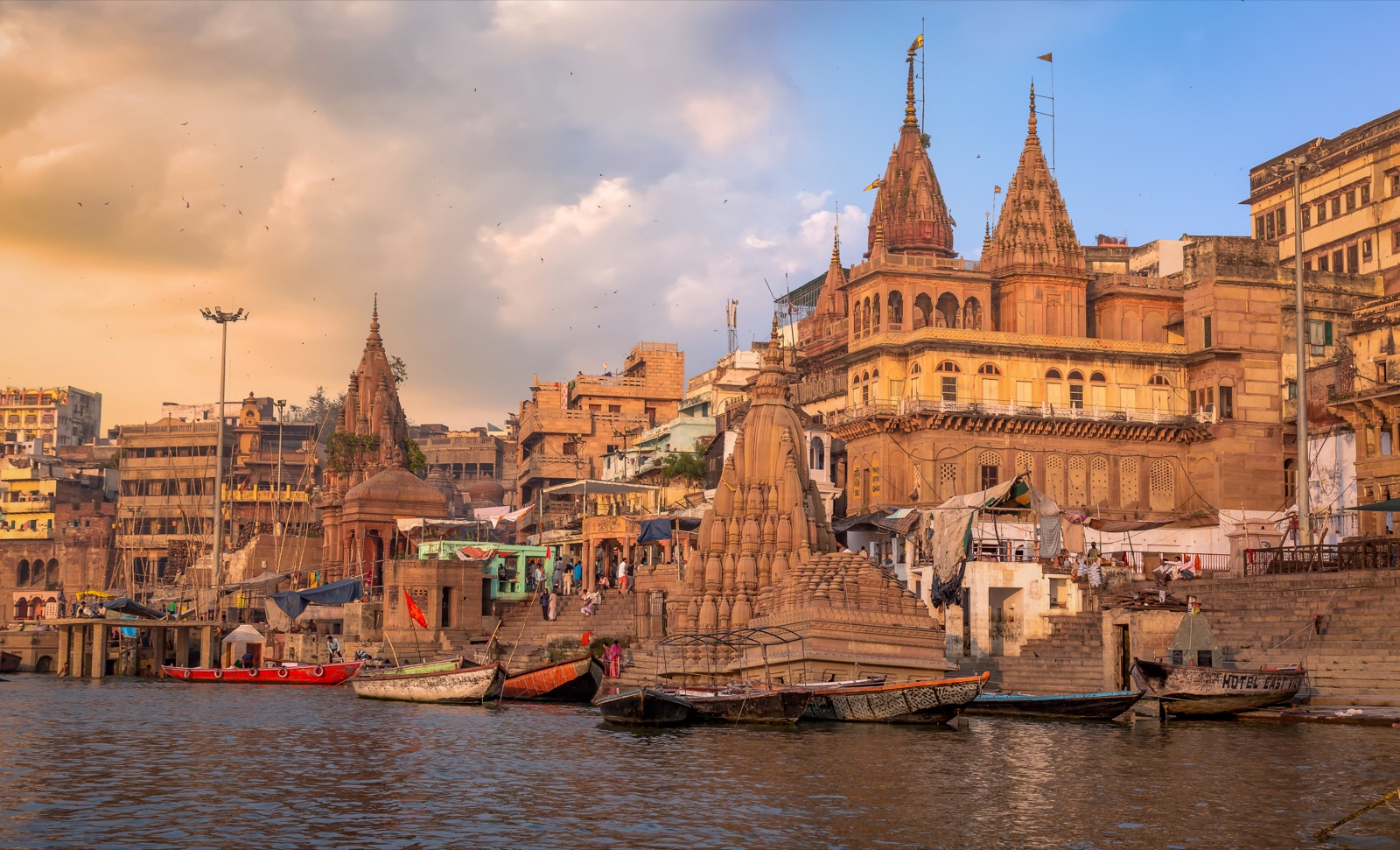
Dashashwamedh Ghat itself is the epicentre of Varanasi's spiritual life. The nightly Ganga Aarti draws thousands. Nearby Manikarnika Ghat, the primary cremation site, burns day and night. Between these two landmarks, a dozen other ghats each have their own character — Scindia Ghat with its leaning temple, Man Mandir with its observatory, and Lalita Ghat with its Nepali temple.
Where to eat in Dashashwamedh & Old City
Kashi Chat Bhandar (₹30–80): The most famous chaat in Varanasi. Try the tamatar chaat and kachori.
Blue Lassi Shop (₹40–100): Legendary since 1925. The fruit lassi served in clay pots is unforgettable.
Deena Chaat (₹30–60): Another iconic chaat stall near Dashashwamedh.
Shopping: Banarasi silk (₹2,000–50,000+), brass utensils, rudraksha beads, sandalwood items, and wooden toys from Vishwanath Gali.


Where morning yoga meets evening chai with a Ganges sunset
The Traveler's Quarter
The southern end of Varanasi's ghat stretch is where the Assi river meets the Ganges, and where most travelers and long-stay visitors base themselves. Assi Ghat has a more relaxed vibe than the intense Dashashwamedh area — morning yoga sessions happen on the steps, bookshops and cafes line the lanes behind, and the sunsets are spectacular. Bengali Tola, the neighbourhood just north, has a concentration of guesthouses, restaurants, and cultural spaces.
This area is the best base for first-time visitors who want immersion without overwhelm. The ghats here are less crowded, the lanes wider, and the restaurant scene caters to international palates while still offering authentic local food. The famous Subah-e-Banaras morning cultural program happens at Assi Ghat, featuring classical music and dance at dawn.
Where to eat in Assi Ghat & Bengali Tola
Pizzeria Vaatika Café (₹200–450): Ghat-view terrace with wood-fired pizzas and continental food.
Baati Chokha (₹200–400): Authentic Bihari cuisine — the litti-chokha is a must.
Open Hand Café (₹150–300): Social enterprise café with excellent coffee and bakery items.
Shopping: Bookshops (Indica Books is famous), handmade paper, local art, and organic products from the traveler-oriented shops on Assi Ghat Road.


Where Varanasi's ancient soul meets its student energy
The Commercial Hub
Godowlia Crossing is Varanasi's chaotic commercial centre — the gateway between the old city and the modern one. From here, roads radiate to the ghats, to the railway station, and to Banaras Hindu University at Lanka. The area around Godowlia is packed with shops selling everything from silk saris to electronic goods, and the street food stalls here are among the city's best.
Lanka, near the BHU campus, is Varanasi's student district — livelier and more modern, with affordable restaurants, cafes, and shops catering to the university crowd. The BHU campus itself is a peaceful retreat with tree-lined avenues, the excellent Bharat Kala Bhavan museum, and the imposing New Vishwanath Temple. This area is a good base if you prefer modern amenities and lower prices.
Where to eat in Godowlia & Lanka
Dosa Café (₹100–200): Popular South Indian restaurant near Bengali Tola.
Canton Royale (₹300–600): Best Chinese in Varanasi, near Sigra.
Bread of Life Bakery (₹100–250): Western-style bakery and café run by a social enterprise.
Shopping: Godowlia market for silk saris at local prices (₹1,000–20,000), glass bangles, and traditional cosmetics (sindoor, alta).


What to eat and where to find it
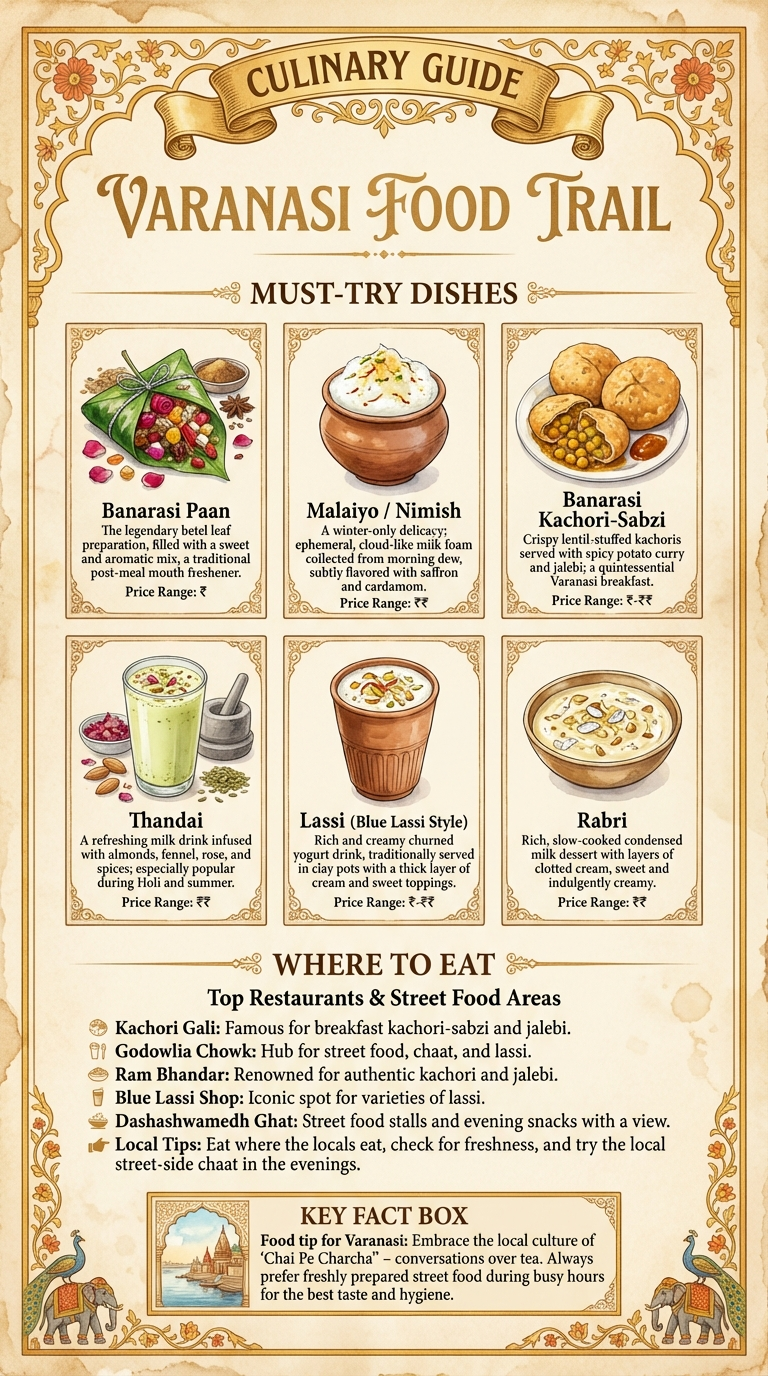
Varanasi's food is legendary — a street food paradise that rivals Delhi and Kolkata. The city is predominantly vegetarian (no meat is sold in the old city), but the flavours are anything but bland. Banarasi chaat, kachori-sabzi, malaiyo (winter milk foam), and the world-famous lassi from Blue Lassi Shop make this one of India's greatest food cities. The sweets alone — from creamy malai paan to crispy jalebi — are worth the trip.
Kachori-Sabzi (₹30–60): Crispy fried pastry with spicy potato curry — the quintessential Varanasi breakfast served at street stalls.
Banarasi Chaat (₹30–80): Tamatar chaat (tomato-based), papdi chaat, and tikki — tangier and spicier than Delhi chaat.
Lassi (₹40–100): Thick, creamy curd-based drink. Blue Lassi Shop (since 1925) serves it in clay pots with seasonal fruits.
Malaiyo (₹30–50): Winter-only delicacy (Nov–Feb) — light milk foam flavored with saffron, collected at dawn and sold by 10 AM.
Banarasi Paan (₹20–100): Betel leaf filled with sweet ingredients — a post-meal tradition. Try it at Keshav Tambul Bhandar.
Thandai (₹40–80): Spiced milk drink with almonds, saffron, and fennel. Famous during Holi (sometimes with bhang/cannabis).
Litti-Chokha (₹60–120): Roasted wheat balls stuffed with sattu (gram flour), served with mashed vegetables. A Bihari specialty popular in Varanasi.
Jalebi-Rabri (₹40–80): Hot crispy jalebis dunked in thick, sweet rabri (reduced milk). Best at Ram Bhandar near Dashashwamedh.
Best restaurants, markets, and street food
Baati Chokha (₹200–400): Traditional Bihari restaurant with rustic decor. The litti-chokha and dal-bati are outstanding.
Pizzeria Vaatika Café (₹200–450): Ghat-view terrace with wood-fired pizzas and Indian food.
Tadka (₹150–300): Popular vegetarian restaurant near Godowlia with excellent North Indian thalis.
Dosa Café (₹100–200): South Indian food near Bengali Tola.
Kashi Chat Bhandar (Dashashwamedh): The most iconic chaat stall in the city. The tamatar chaat is legendary (₹30–60).
Blue Lassi Shop (near Manikarnika): Since 1925. Fruit lassi in clay pots (₹40–100). Expect a queue.
Ram Bhandar (near Dashashwamedh): Famous for kachori-sabzi and jalebi since 1950s (₹30–50).


Understanding the story of Varanasi
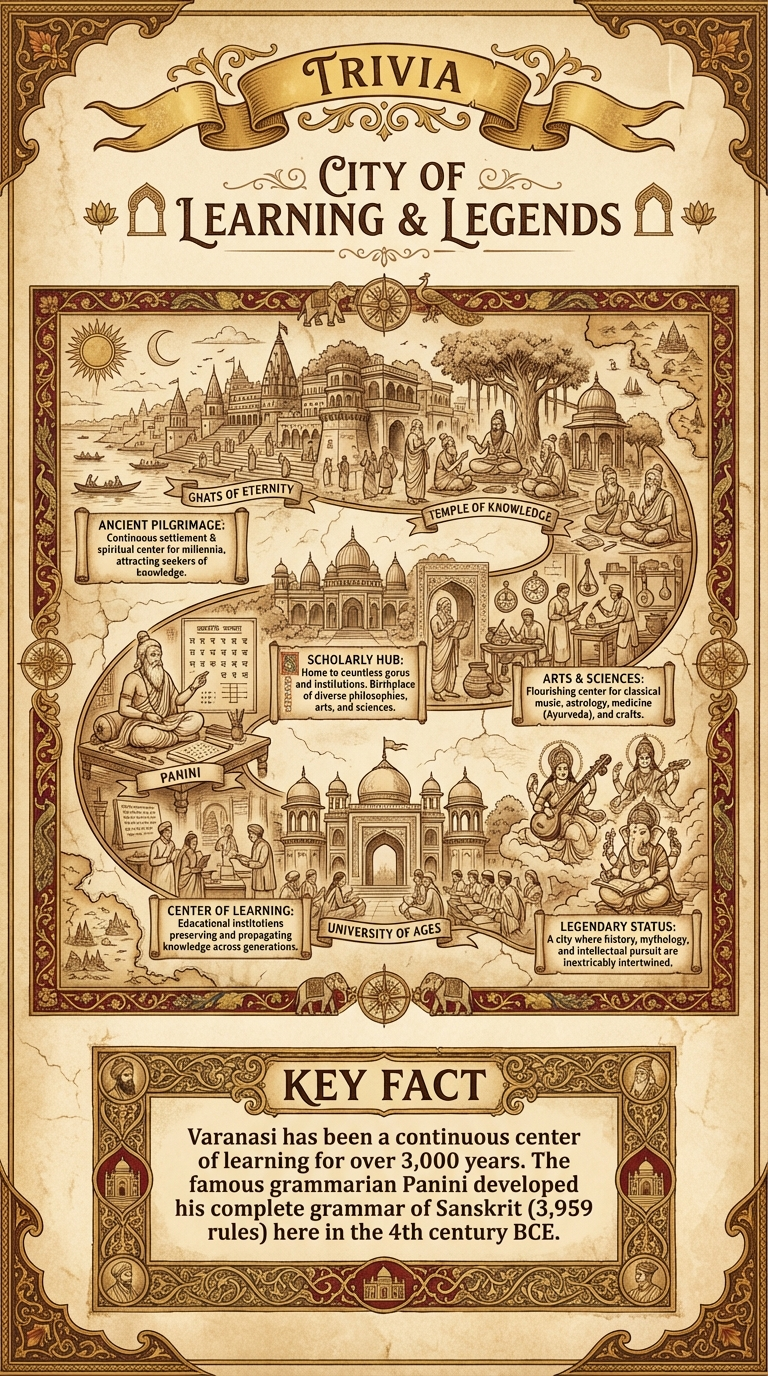
Varanasi is among the oldest continuously inhabited cities in the world, with archaeological evidence of settlement dating to the 11th century BCE. In Hindu tradition, it was founded by Lord Shiva himself. By the 6th century BCE, it was already a thriving centre of commerce, learning, and religion — the Buddha chose nearby Sarnath to deliver his first sermon precisely because Varanasi was the most important city in the region. During the Maurya and Gupta periods, the city (then called Kashi) flourished as a centre of arts, crafts, and education.
The medieval period brought destruction — the Ghaznavid and slave dynasty invasions of the 12th–13th centuries saw the demolition of many temples, including the original Kashi Vishwanath. The Mughals, particularly Aurangzeb, rebuilt the city's skyline in their own image. Yet Varanasi's soul proved indestructible — temples were rebuilt, traditions continued, and the ghats kept burning. Under the Marathas and the British, the city regained prominence. Banaras Hindu University (1916) established it as a modern centre of learning, and post-independence, Varanasi became a symbol of India's living heritage.
Varanasi is the cultural capital of North India — a living museum of classical music (the Benares gharana), silk weaving (Banarasi saris), Sanskrit scholarship, and Hindu ritual practice. The city celebrates every festival with extraordinary intensity: Holi with colour and bhang-laced thandai, Diwali with a million diyas on the ghats (Dev Deepawali), and Maha Shivaratri with all-night temple worship. The Ramlila of Ramnagar, a month-long theatrical retelling of the Ramayana, has been declared a UNESCO Intangible Cultural Heritage.
Excursions from Varanasi
Varanasi sits in the spiritual heartland of eastern Uttar Pradesh, surrounded by Buddhist, Hindu, and historical sites.
Where Buddha gave his first sermon. The Dhamek Stupa, Ashoka Pillar, and archaeological museum are must-sees. Entry: ₹25/₹300
Dramatic hilltop fort overlooking the Ganges, with a history stretching from the Gupta period to the British era. Entry: ₹25
The sacred Triveni Sangam where the Ganges, Yamuna, and mythical Saraswati rivers meet. Anand Bhawan museum. Entry: Free (Sangam)
Important Shakti Peeth with the Vindhyavasini Devi temple, one of the most revered goddess temples in India. Entry: Free

Practical information from A to Z
Not sold in the old city (holy area). Available at hotels and restaurants in Cantonment and Lanka areas. Wine shops on main roads.
SBI, HDFC, and ICICI ATMs on Godowlia Road and near Cantonment station. Carry cash for the old city and ghats.
Heritage Hospital (Lanka) and Sir Sunderlal Hospital (BHU) for medical emergencies. Pharmacies near Godowlia.
220V/50Hz with Type C/D/M plugs. Power cuts common in summer; most hotels have inverters/generators.
Free Wi-Fi at most hotels and cafes. Jio/Airtel 4G SIMs at phone shops near Godowlia (₹200–300 with passport).
Conservative city — public displays of affection (any orientation) are inadvisable. Hotels are welcoming to all travelers.
India Post head office near Cantonment. DHL available near Sigra for international parcels.
Kashi Vishwanath: 3am–11pm. Ghats: always open. Sarnath Museum: 9am–5pm, closed Fridays. Shops: 10am–9pm.
Air quality moderate. Water pollution in the Ganges is well-documented — do not swim or drink river water.
Cycle rickshaws are essential near the ghats. Auto-rickshaws on main roads. Always negotiate fares before starting.
GST of 5–18% applies. Street food stalls don't charge tax. Hotels charge 12–18% GST depending on room rate.
Western toilets at hotels and restaurants. Public facilities at main ghats (₹5–10). Carry tissue paper.
Never drink tap or river water. Bottled water ₹20. Check seal integrity. Some guesthouses offer filtered refills.
Book official guides through UP Tourism (₹500–1,500/day). Avoid self-appointed guides at the ghats.
Official boatmen have ID cards. Negotiate price before boarding. Sunrise ride: ₹200–300/hour. Evening Aarti boat: ₹300–500.
Getting to and around Varanasi
From Delhi: Vande Bharat Express (8 hours, ₹1,500–2,500) or flights to Varanasi (VNS, 1.5 hours, ₹3,000–7,000). Overnight trains are also popular.
From Agra: Several trains daily (10–12 hours) or fly via Delhi. The Marudhar Express connects directly.
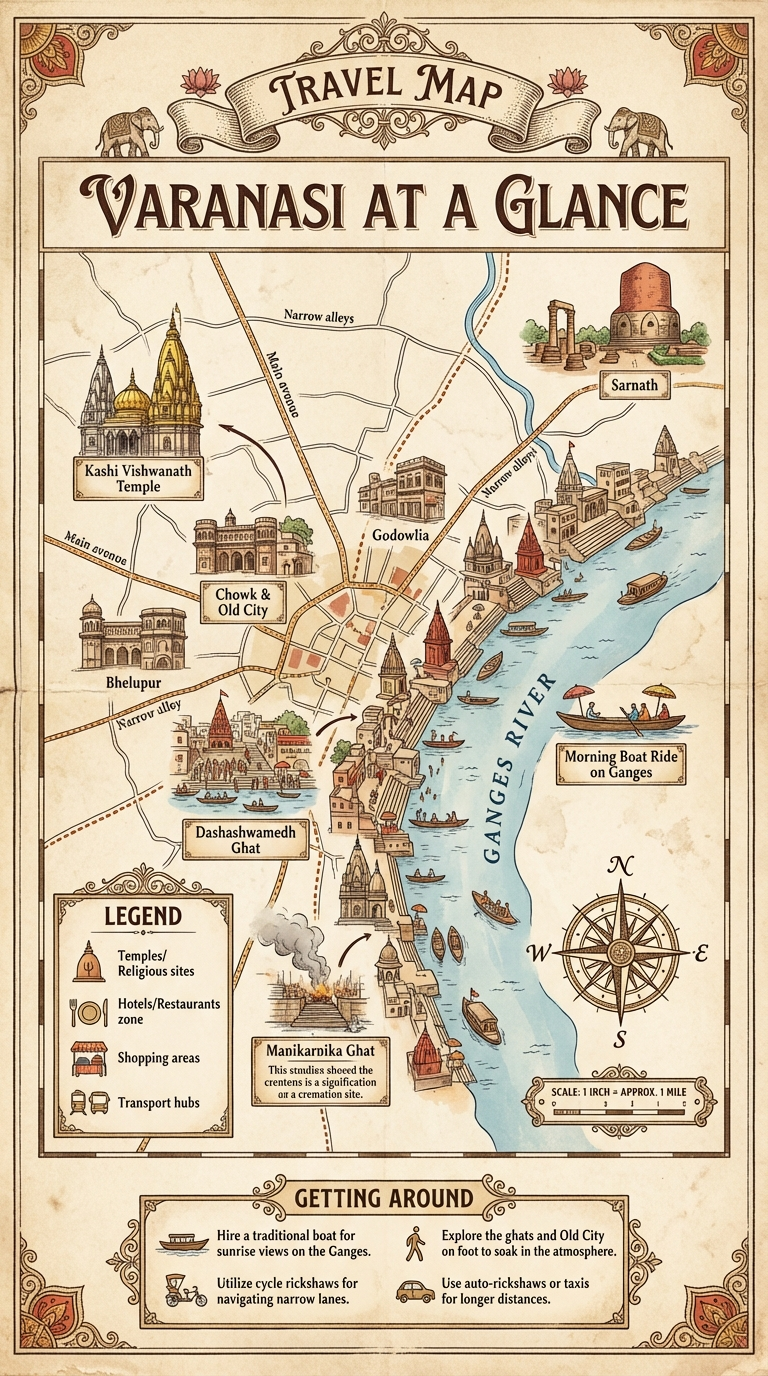
Within Varanasi: The old city is walking-only. Cycle rickshaws connect the ghats to main roads. Autos and Ola/Uber work outside the old city.
| Mode | Details | Cost |
|---|---|---|
| Auto-Rickshaw | Main transport outside the old city. Negotiate fares — meters are rarely used. | ₹10–20/km |
| Cycle Rickshaw | Best for navigating from the main road to the ghats. Essential in narrow areas. | ₹20–50/ride |
| Boat | The most atmospheric way to see the ghats. Hire at Dashashwamedh or Assi Ghat. | ₹200–500/hour |
| Walking | The only way to explore the old city lanes. Wear sturdy shoes — lanes are uneven and narrow. | Free |
| Ola/Uber | Available for longer distances (airport, Sarnath). Don't work well in the old city. | ₹8–12/km |
Essential phrases for travelers
Hindi is the primary language, with Bhojpuri widely spoken among locals. English is understood at hotels and tourist areas, but basic Hindi is essential for navigating the old city.
| English | Hindi |
|---|---|
| Hello / Greetings | Namaste |
| Thank you | Dhanyavaad |
| Yes / No | Haan / Nahin |
| How much? | Kitna hai? |
| Too expensive | Bahut mehnga hai |
| Water | Paani |
| Food | Khana |
| Where is...? | ...kahan hai? |
| Help | Madad |
| Good | Accha |
| Beautiful | Sundar |
| Please | Kripya |
| I don't understand | Mujhe samajh nahin aaya |
| Taxi/auto | Auto-rickshaw |
| How far? | Kitni door hai? |
Our favourite experiences in Varanasi
Boat Ride at Dawn
Drifting past the ghats as the city wakes is India's most powerful experience
Assi Ghat Steps
Watch the sun set over the Ganges with chai and the sound of temple bells
Blue Lassi Shop
Fruit lassi in clay pots from a lane-side shop that's been pouring since 1925
Kashi Chat Bhandar
The tamatar chaat here is the benchmark for all Indian chaat
Brijrama Palace
Heritage haveli converted into a luxury hotel right on the ghats
Sarnath
Where the Buddha set the wheel of dharma in motion 2,500 years ago
Nepali Temple at Lalita Ghat
A stunning wooden pagoda temple hidden among the ghats
Manikarnika Ghat at Dawn
The eternal fires reflected in the Ganges — observe, don't photograph
Vishwanath Gali Silk Shops
Banarasi silk saris direct from the weavers — bargain hard
Walking All 84 Ghats
A 6.8 km walk through 3,000 years of history
Everything you need for Varanasi
Travorea creates comprehensive, beautifully designed travel guides that combine insider knowledge with practical information. Our guides are crafted to help you experience destinations like a local, not just a tourist.
This premium guide to Varanasi was researched and written to give you everything you need for an unforgettable trip. All prices and information were verified at the time of writing (2026) but may change — always confirm locally.
All photographs in this guide are sourced from free-to-use image libraries (Pexels, Unsplash) and original Travorea photography. Infographics are original Travorea creations.
Visit us at www.travorea.com for more destinations, interactive trip planners, and the latest travel tips.
Explore More Guides
Visit www.travorea.com/ebooks for premium guides to 50+ destinations worldwide.
City of Light